
Best Boat Sandals 2026: Buying Guide for Everyday Use
Disclosure: We may earn a commission when you buy through links on this page, at no extra cost to you. As an Amazon Associate I earn from qualifying purchases. Learn more

Choose boat sandals that grip wet decks, dry quickly, stay comfortable for long days on the water, and handle salt and sun exposure all season.
Boat sandals face a tough mix of wet decks, salt water, sun, and long days on your feet. The best boat sandals grip when decks are wet, dries quickly, and stays comfortable from dock to deck. This guide covers grip, materials, fit, and care, and the comparison table below gives a quick overview.
Start with how you will use them. A day sailor needs grip and quick drying, a fishing trip needs stability and toe protection, and a marina walker needs comfort on hard docks. Those uses shape sole, strap, and material choices more than style alone.


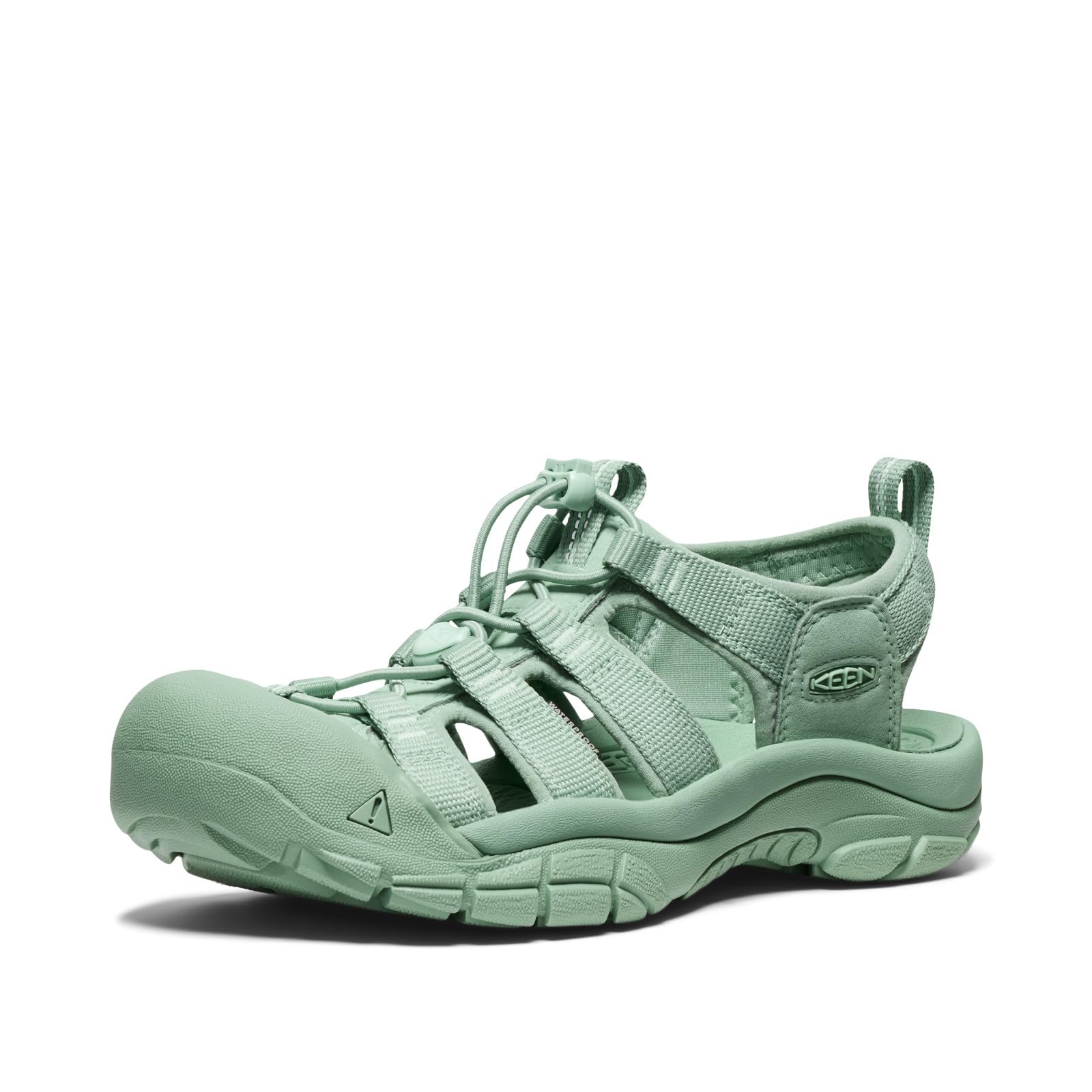


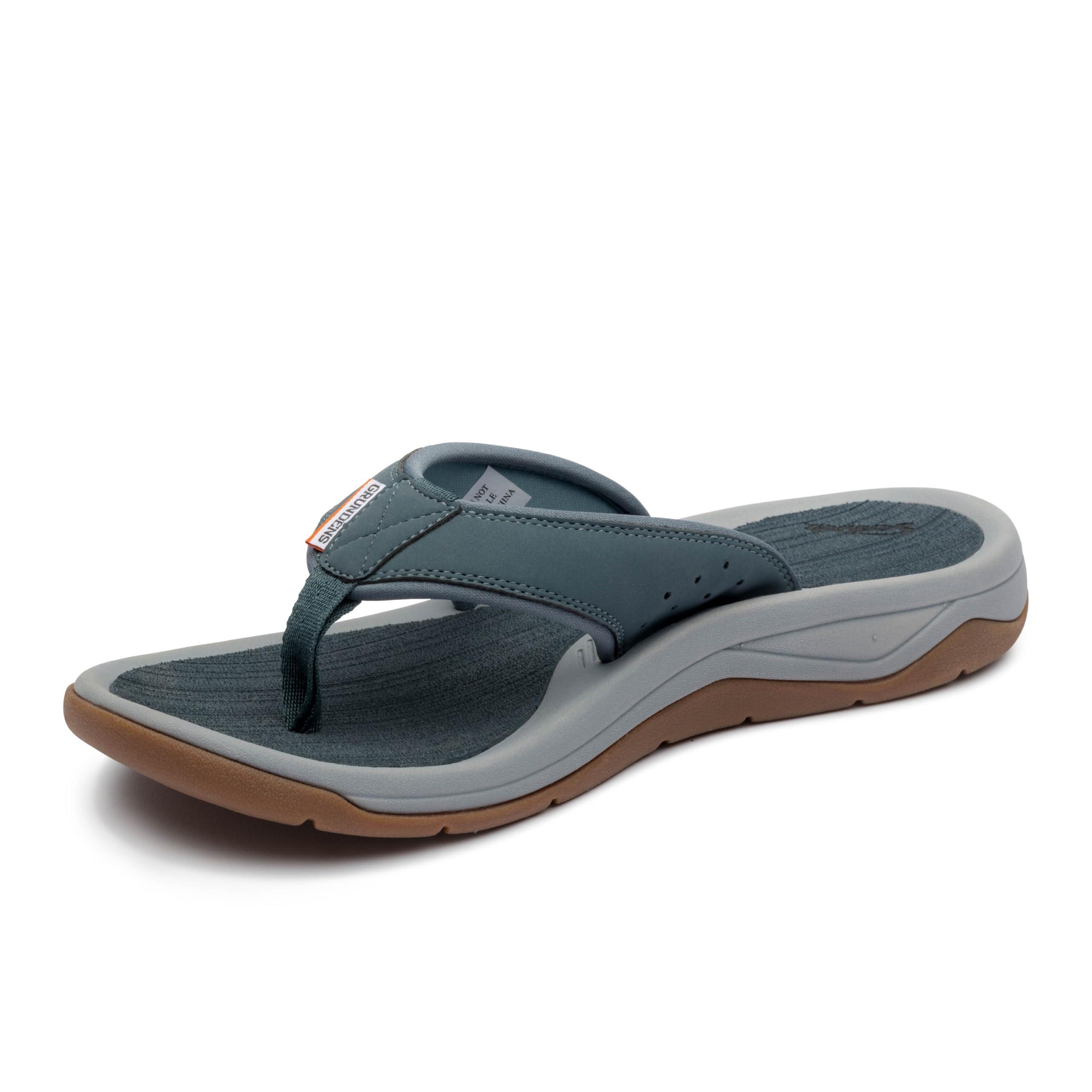


Who Should Buy Which Boat Sandals
For Day Sailors
Day sailors want a sole that grips wet fiberglass and wood, straps that stay secure when wet, and a light feel for long hours. Look for non marking soles, drainage, and a fit that does not loosen when soaked. A sandal that slips when wet is a safety problem, not just a comfort issue.
For Fishing and Active Boating
Active boaters need stability, toe protection, and a sole that handles fish slime, bait, and wet decks. Look for a firm footbed, secure straps, and materials that rinse clean. Avoid loose sandals that can catch on lines or gear, and choose a fit that stays put during movement.
For Marina Walkers and Relaxed Days
Marina walkers want comfort on hard docks, easy on and off, and a style that suits shore stops. Look for cushioning, a stable base, and materials that handle sun and salt. Comfort over a full day matters more than extreme grip for relaxed use.
Key Features to Compare
Grip on Wet Decks
Grip is the top safety feature. Look for a sole pattern that channels water, a rubber compound that grips when wet, and a non marking design that protects decks. Check grip on a wet surface when you can, and replace sandals when the tread wears smooth.
Quick Drying and Drainage
Quick drying materials prevent soggy, heavy sandals and reduce odor. Look for drainage channels, open designs, and materials that do not absorb much water. A sandal that stays wet will feel heavy, slip more, and wear faster.
Fit, Straps, and Security
Fit should be snug without pinching, with straps that adjust easily and stay secure when wet. Check heel security, toe coverage, and whether straps loosen after soaking. A secure fit prevents blisters and reduces the risk of a sandal coming off on a wet deck.
Comfort for Long Days
Long days need cushioning, arch support, and a footbed that does not flatten quickly. Check how the footbed feels after hours, not only in a short try on. Foot pain, hot spots, or numbness are signs of a poor match, and persistent pain should prompt a clinician check.
Salt, Sun, and Durability
Salt and sun can stiffen straps, fade color, and wear soles. Look for materials made for marine use, sturdy stitching, and hardware that resists corrosion. Rinse after salt water use, and store sandals out of direct sun when not in use.
How to Choose with Confidence
Before you order, check your size with the maker guide, and think about socks, swelling on hot days, and whether you need toe protection. Those details affect fit more than a single size number. Also check the return window, so you can test grip and comfort at home.
Compare sandals on wet grip, drying time, and secure fit, not only on style. Note which pair stays secure when wet, which dries fastest, and which feels best after a long walk. A short wet test at home can reveal a poor match early.
Think about shore use too. A sandal that works on a boat should also handle docks, ramps, and shore paths without slipping. The product table above shows the main options, and the related guides below can help if you need sandals for foot support or everyday walking.
Care, Safety, and Everyday Use
Rinse sandals with fresh water after salt use, dry them out of direct sun, and check straps and soles regularly. Replace sandals when tread wears smooth or straps stretch, because worn grip is a safety risk on wet decks. Simple care extends life and keeps grip reliable.
If a sandal slips when wet, check fit, strap tension, and tread wear before assuming the design is wrong. A loose strap or worn sole often explains slipping, and a size or model change may be needed if fit cannot be secured.
A Final Check Before You Order
When you test boat sandals, wet the sole and a smooth surface, and walk carefully to check grip. Note whether the sole channels water or skates across it, and whether straps stay secure when wet. A sandal that loosens when soaked can slip off at the worst moment, so wet fit matters as much as dry fit.
Consider toe protection for your activities, because fishing, docking, and handling gear expose toes to bumps and lines. A sandal with a protective toe cap suits active boating, while an open toe suits relaxed marina walks. Choose based on your real activities, not only on style.
Think about drying time, because sandals that stay soggy feel heavy, smell sooner, and wear faster. After a wet test, note how long sandals take to dry in shade, and whether the footbed stays damp. Quick drying materials make repeated days on the water much more pleasant.
Also consider salt and sun care, because marine use wears materials faster than everyday walking. Rinse after salt water, dry out of direct sun, and check straps and soles for wear. Prompt rinsing protects stitching, hardware, and grip over a season.
Finally, check comfort after a long day, not only after a short try on. Walk for an hour, climb stairs, and stand for a while, noting hot spots, arch fatigue, or heel slip. A sandal that stays comfortable all day will be worn happily, while a sandal that hurts after hours will stay ashore.
Related Guides to Explore
For related reading, see our guides on best men's boat sandals, best sandals for plantar, and best sandals for guys, which cover closely related choices and may help you compare options before you decide. The product table above gives the main overview, while related guides add detail on neighboring products.
Frequently Asked Questions
What sole grips best on a wet deck?
A soft rubber sole with a siped or grooved pattern usually grips wet decks better than a smooth, hard sole. Non marking soles protect decks while still gripping. Test on a wet surface when you can, and replace sandals when tread wears smooth.
Should boat sandals be waterproof?
Boat sandals should handle water, drain well, and dry quickly, rather than trying to keep water out. Open designs and quick drying materials work better than sealed designs that trap water. Rinse after salt use to protect materials.
How do I stop sandals smelling after boating?
Rinse with fresh water after use, dry fully out of direct sun, and avoid storing damp sandals in a closed bag. Quick drying materials and drainage help, while regular rinsing prevents salt and odor build up. Persistent odor may mean the footbed needs replacing.
Do I need toe protection on a boat?
Toe protection helps on fishing trips and active boating, where gear, lines, and hard surfaces pose a risk. For relaxed marina use, open toes may be fine. Choose based on your activities, and prioritize secure fit in either case.
What should I check in the first week?
Check wet grip, strap security when soaked, drying time, comfort after long wear, and any hot spots or blisters. Also check sole wear and strap stretch after salt water use. Early checks help you spot a poor match while an exchange is still easy.
Final Thoughts
Boat sandals should grip wet decks, dry quickly, and stay secure and comfortable all day. Use the product table above, check grip when wet, and let safety and fit guide your choice of the best boat sandals.
With the right pair and simple rinsing care, days on the water become safer and more comfortable. Choose sandals that stay put when wet, and replace them promptly when grip wears.


