Best Boat Grills for 2026: A Clear First Time Guide
Disclosure: We may earn a commission when you buy through links on this page, at no extra cost to you. As an Amazon Associate I earn from qualifying purchases. Learn more

Best boat grills for first time buyers, with plain advice on fuel, cooking space, heat control, and mounts for safe cooking on the water.
Shopping for best boat grills can feel confusing at first, because a grill made for a backyard does not always suit life on a boat. Space is tight, surfaces move, wind is stronger, and storage must be simple. This guide walks you from the basics to a confident choice, and the product table can help you compare the main options side by side.
A good choice starts with how you cook, where you will mount or store the grill, and how much room you have for fuel and tools. If you cook for two on calm water, your needs differ from a family that grills often at anchor. Keep those answers in mind as you read, and you will avoid paying for size or power you will rarely use.




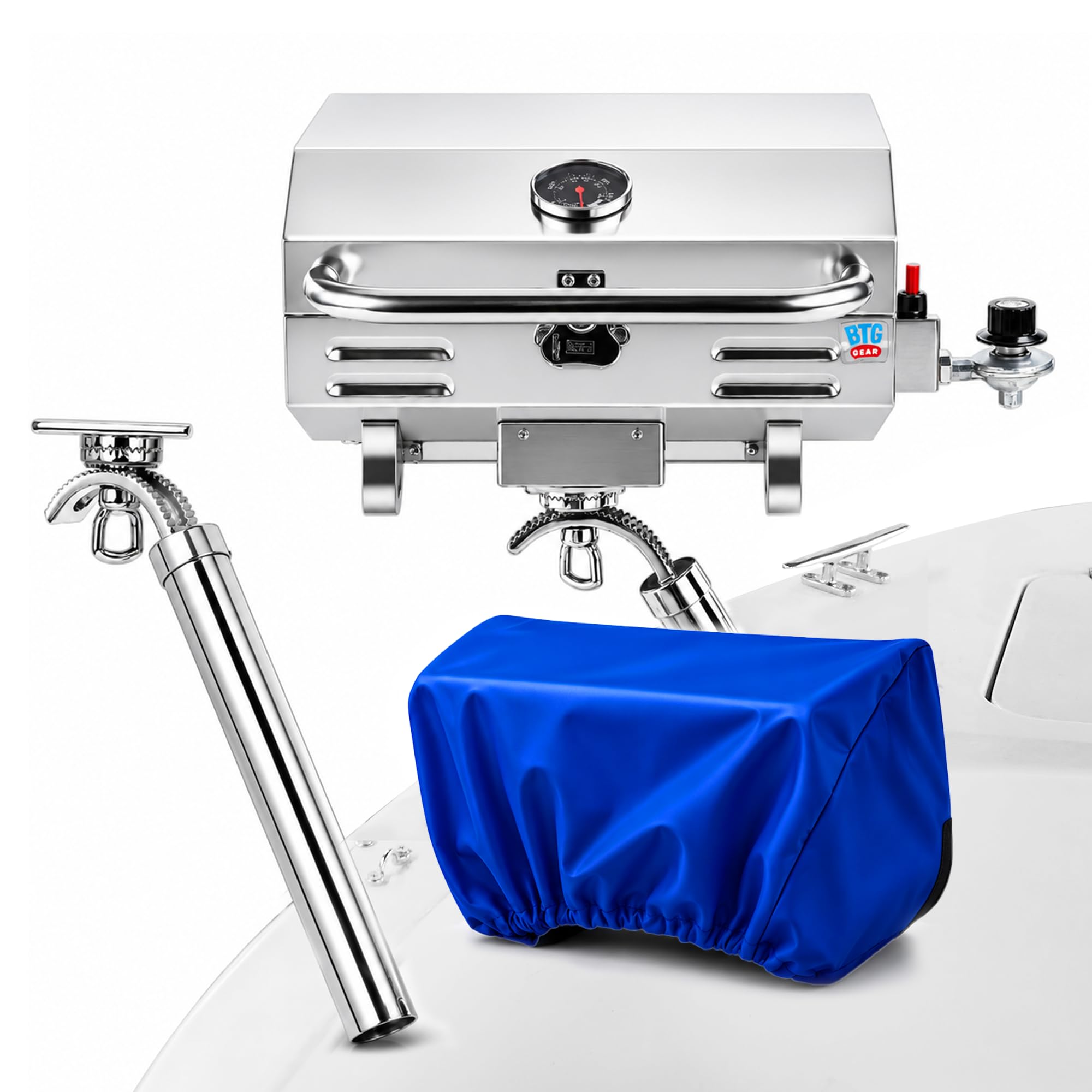
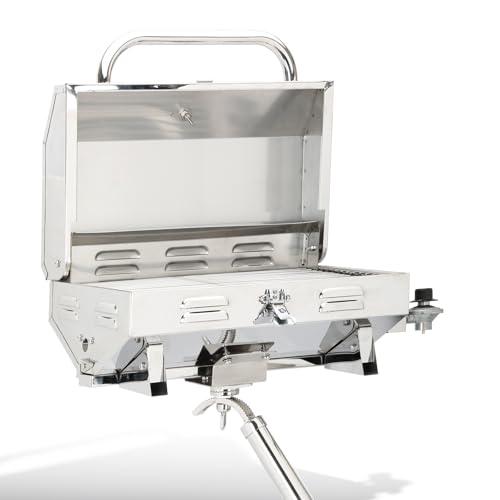
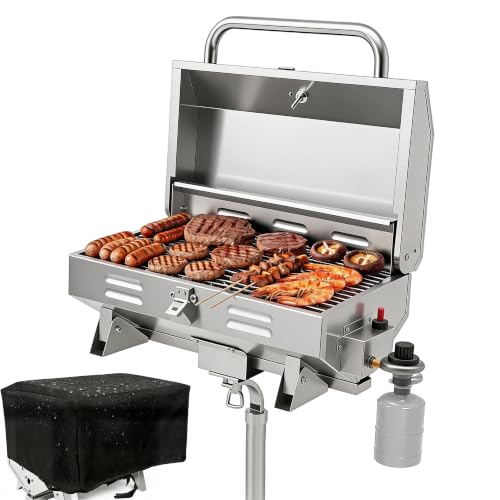

Best Boat Grills 101: The Basics
A boat grill is a compact outdoor cooker designed for use on or near a vessel. Most models are smaller than backyard grills, and many are made to clamp, mount, or sit securely on a rail or table. The goal is steady cooking in a place where space, wind, and motion all matter.
These grills use gas, charcoal, pellets, or electricity, and each fuel changes flavor, setup time, and cleanup. Gas models light quickly and control heat well. Charcoal models can add a smoky flavor but need more time and ash cleanup. Pellet models feed small wood pellets for steady heat, while electric models suit marinas with shore power and calm conditions.
Before you buy, check the rules for your boat, marina, and local waters. Some marinas limit open flames, charcoal, or grilling at the dock. Also think about where smoke will drift, how you will store fuel safely, and whether your boat has a stable spot away from seating, fuel vents, and fabric. Never leave a lit grill unattended, and follow local boating rules every time you cook.
Key Features Explained in Plain English
The features below sound technical, but each one answers a simple question about your next meal. Read them as trade offs rather than as a race for the largest number. A grill that fits your boat, your crew, and your cooking style will serve you better than a larger model that is hard to store.
Fuel Type: Gas, Charcoal, Pellet, and Electric
Gas is the easiest choice for many first time buyers because it lights fast, heats evenly, and lets you adjust temperature with a dial. Charcoal gives a deeper smoky flavor and needs more patience, plus a safe place for hot ash. Pellet cooking offers steady low heat for longer cooks, but it needs dry pellets and power for the feed system. Electric cooking is clean and simple at a marina, yet it depends on shore power and may heat more slowly outdoors.
Assembly and Warranty
Look for clear assembly steps, a small number of loose parts, and tools you already own. A grill that takes a long time to put together may stay in storage instead of being used. Check what the warranty covers for burners, the body, and moving parts, and note how long each part is covered. Keep the manual on board, because mounting hardware and fuel connections deserve a quick check before each trip.
Cooking Area and Capacity
Cooking area is usually given in square inches, and it tells you how much food fits at once. A small area may cook four burgers at a time, while a larger area can handle burgers plus vegetables or a second course. A warming rack adds useful space for buns or finished food, but it is not the same as main cooking space. Measure your usual meals rather than guessing, and leave room to turn food without crowding the grate.
Heat Output and Temperature Range
Heat output is often given in BTU, and a better comparison divides heat by cooking area so large and small grills can be compared fairly. High heat helps sear steaks and burgers, while a low and steady setting near 225 degrees Fahrenheit suits slow cooking. A wide temperature range gives you more control, especially when wind cools the grill. Look for a lid that closes well and a thermometer that is easy to read from a safe distance.
Portability and Footprint
Footprint means the space a grill takes up when open, closed, and stored. On a boat, folded size and weight matter as much as cooking size. Handles, a secure latch, and a stable base help you move the grill without spills.
If you also want to use the grill ashore, check how it packs into a vehicle and whether the mount can be removed quickly. A compact model that you can set up safely will get used far more often than a large model that is hard to move.
Boat Grills for Specific Needs
Not every boater cooks the same way, so match the grill to your routine. Day sailors may want a light model that stores flat. Families at anchor may want more cooking space and a steady mount. Anglers may want quick heat for a simple meal after a morning on the water.
Start with your most common trip, not a rare large gathering, and choose a size that fits that trip well. For a closer look at compact options, see our guide to best portable grills for boats.
Best Portable Boat Grills
Best portable boat grills stand out for light weight, a small folded size, and a mount or base that holds steady on a moving deck. Look for a secure latch, a handle that stays cool enough to grip with a mitt, and parts that clean up quickly after use. Portability should never mean a wobbly setup, so check the mount fit for your rail or table before you buy. If you often grill on a pontoon, see our guide to best grills for pontoon boats for notes on flat decks and open seating areas.
Rookie Mistakes to Avoid
New buyers often repeat the same few mistakes, and most are easy to avoid with a little planning. Use this list as a final check before you order.
- Buying too large: a grill that blocks walkways or will not store safely becomes a burden on every trip.
- Ignoring wind: wind steals heat and can push flames, so a lid, a wind guard, and a sheltered spot matter more than raw power.
- Skipping the mount check: rail size, table thickness, and clamp range must match, or the grill may rock when the boat moves.
- Forgetting fuel storage: fuel needs a ventilated, secure spot away from heat, and charcoal needs a safe container for ash.
- Cleaning only at season end: grease builds up fast, so a quick brush while grates are warm keeps later cooking safer and easier.
Getting Started: Setup and First Use
Start by reading the manual and checking every connection, mount, and latch before the first cook. Place the grill on a stable surface away from seating, fabric, and fuel vents, and keep a clear path around it. If you use gas, check hoses and fittings for damage and leaks using the method in the manual. Preheat for 10 to 15 minutes before cooking so heat spreads evenly across the grate.
For the first meal, choose simple food that cooks quickly, such as burgers, sausages, or vegetables. This lets you learn hot spots, lid control, and wind effects without risking a long cook. Clean grates while warm with a suitable brush, and let the grill cool fully before you store it. Store fuel, tools, and covers in dry spots, and rinse salt spray from metal parts after trips on salt water.
Frequently Asked Questions
Can I use a boat grill on a balcony?
A boat grill may work on a balcony only if your building and local rules allow it. Many balconies ban open flames, charcoal, and gas grills because smoke and heat can reach neighbors and nearby materials. Check written rules before you buy, and never assume a small grill is automatically allowed. If grilling is allowed, choose a stable spot away from railings, furniture, and doors, and keep the grill attended at all times.
What type of boat grill gives the best flavor?
Charcoal often gives the deepest smoky flavor, while gas gives clean heat and precise control for everyday meals. Pellet cooking can add a mild wood flavor during longer cooks, and electric cooking gives the least smoke flavor of all. Flavor also depends on grate material, lid use, and how you season food. If flavor is your top goal, plan extra time for charcoal setup and ash cleanup, and keep a safe ash container on board.
How long should a good boat grill last?
A well cared for boat grill can last many seasons, but salt water, sun, and grease shorten life when care is skipped. Stainless parts, a solid lid hinge, and a protected burner tend to hold up better in marine air. Rinse after salt water trips, dry parts before storage, and cover the grill when it is not in use. Replace worn hoses, grates, and ignition parts promptly, and follow the maker guide for seasonal checks.
How big of a boat grill do I need?
Choose size from your usual crew and menu, not from the largest meal you might ever cook. A compact grill suits two to four people and simple menus, while a larger grill suits families and mixed menus with sides. Remember that a larger grill also needs more storage space and a stronger mount. If you are unsure, measure your storage spot first, then choose the largest grill that still leaves safe walkways and easy access.
How often should I clean my boat grill?
Brush the grates after each cook while they are still warm, and do a deeper clean every few trips or when grease builds up. Empty grease trays often, because old grease can smoke, flare, and attract pests in storage. Wash exterior parts with mild soap and water, rinse well, and dry before covering. A short cleaning routine after each trip takes only a few minutes and keeps flavor, heat control, and safety in better shape.
The Bottom Line
The right choice balances fuel, size, heat control, and a mount that stays steady on your boat. Start with your storage space and your most common crew, then choose a fuel type that fits your patience for setup and cleanup. Use the product table above to compare options, and check local rules before your first cook. With a well fitted best boat grills choice, outdoor meals on the water become simpler, safer, and far more enjoyable.
For timing your purchase, see our guide to best time to buy grills when you plan seasonal shopping. If you need a smaller model for a tight deck, see our guide to best small boat grills for compact layouts. For charcoal fans, see our guide to best coal grills for notes on ash handling and flavor.