Best Boat Towels for 2026: Everything to Know Before Your First Purchase
Disclosure: We may earn a commission when you buy through links on this page, at no extra cost to you. As an Amazon Associate I earn from qualifying purchases. Learn more

A first purchase guide to the best boat towels: quick dry fabrics for damp lockers, smooth weaves that shed sand, and pack sizes that fit a boat bag.
Buying towels for a boat sounds simple until your first trip ends with a damp, sandy bundle that smells musty by the weekend. A towel that lives on board faces salt water, hard sun, and storage in a closed locker, which is a harder life than any bathroom shelf. This guide explains what makes the best boat towels different from the bath towels already in your closet, starting with the basics and ending with a confident first order.
You do not need a big budget or a big boat to get this purchase right. Use the comparison table below to see the main fabric and size classes side by side, then read on for the plain English version of every spec.




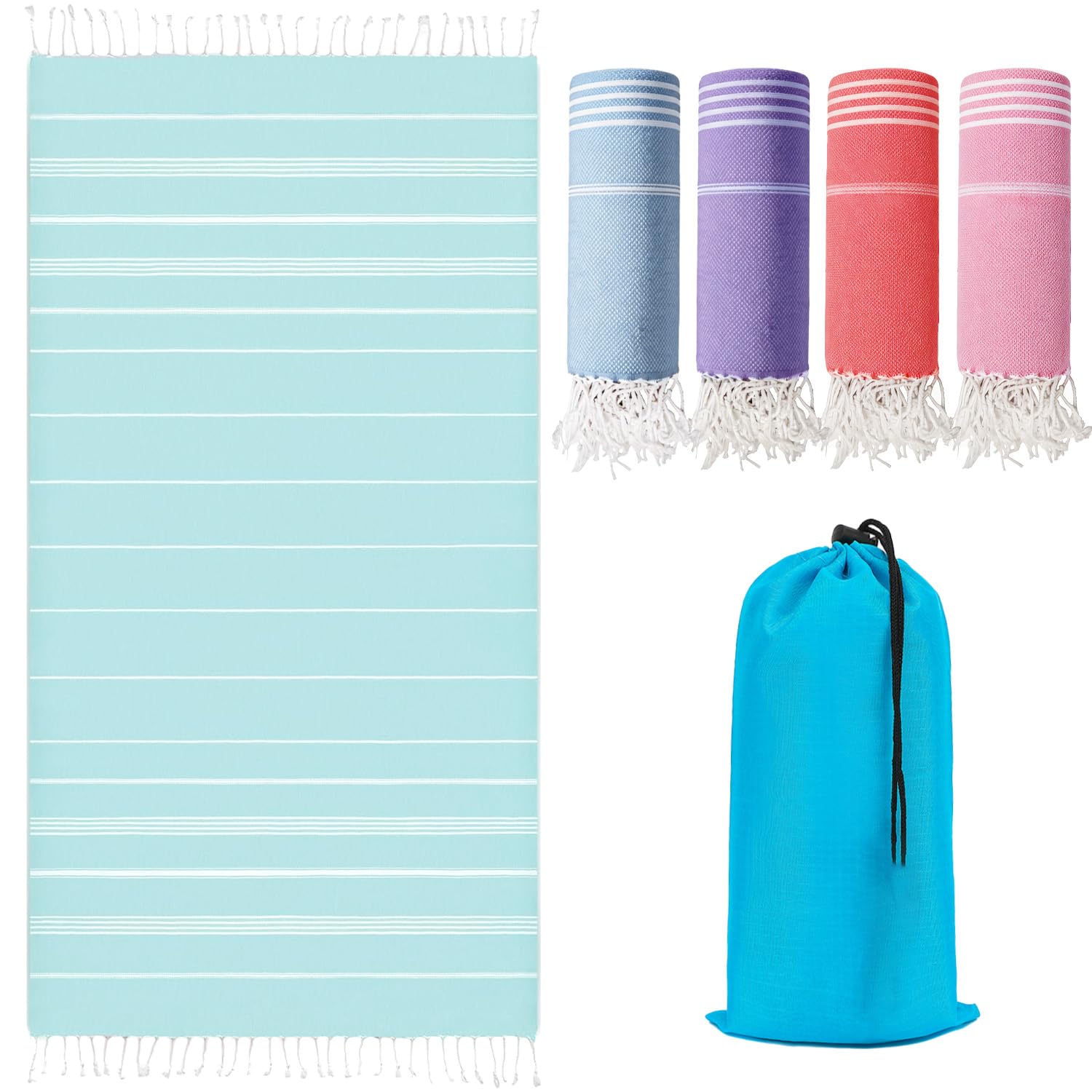
Boat Towels 101: The Basics
A boat towel is a working towel, not a decoration. It dries swimmers after a dip, wipes spray off seats and rails, pads knees during dock work, and sometimes covers a hot vinyl seat before anyone sits down. Because one towel does all of that, it gets washed harder and stored worse than a home towel ever does. The standards behind the best bathroom towels only partly carry over here, since a bathroom towel never has to survive a locker.
The single trait that governs life on board is drying speed, stated plainly: a quick dry towel governs what happens in a damp locker. A slow drying towel stuffed into a closed locker turns musty between trips and can smell before it looks worn. A fast drying weave, aired on a rail for an hour, goes back into the locker dry and comes out ready for the next swim.
Key Specs Explained in Plain English
Material and Weave: Cotton vs Microfiber
Two fabric families dominate. Cotton feels soft and familiar and soaks up a lot of water, but it dries slowly and gets heavy when wet. Microfiber, a split synthetic weave, absorbs well for its weight, dries fast, and packs small.
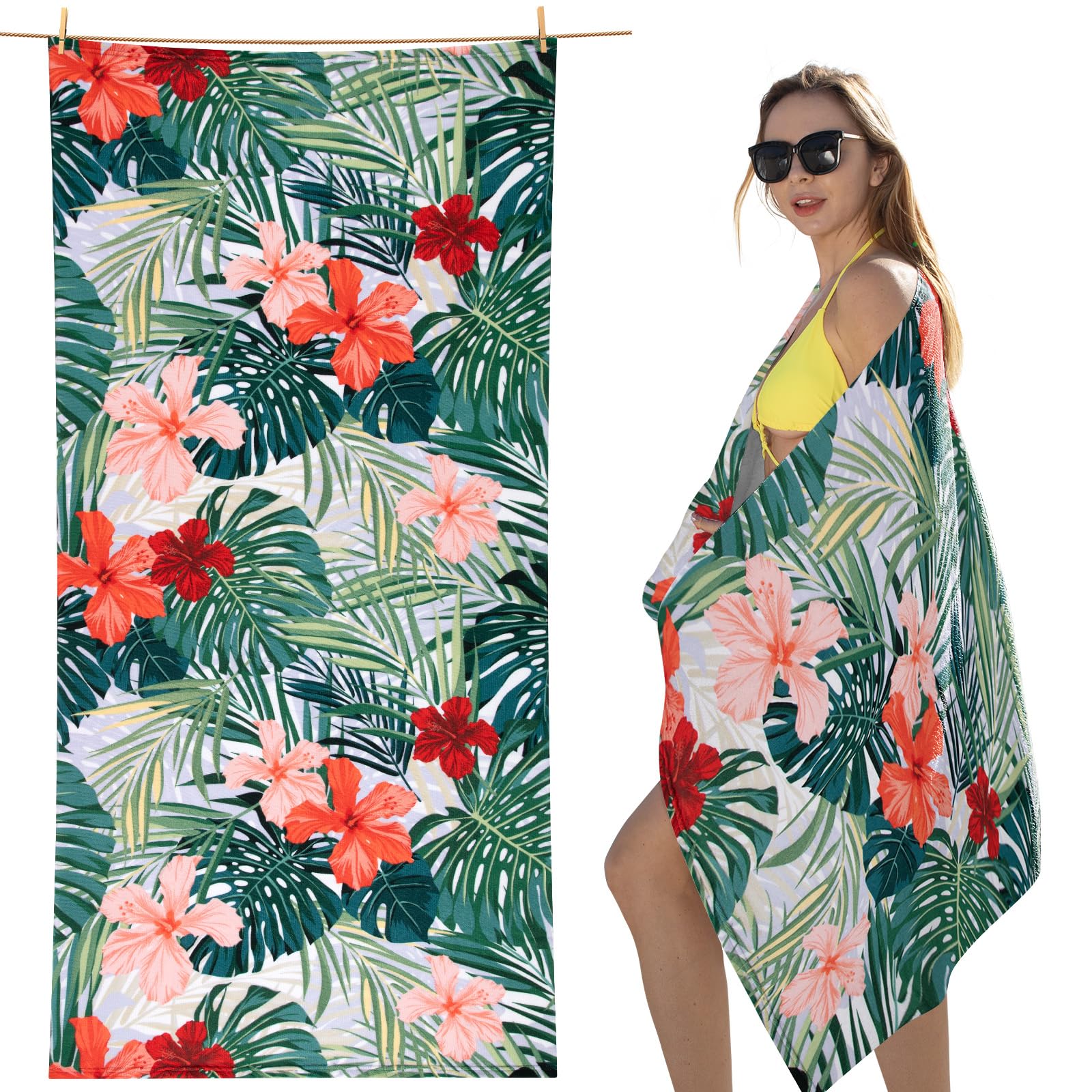
Weave matters as much as fiber here, because a smooth weave sheds sand: grains sit on a flat microfiber surface and shake off at the dock, while the loops of a terry cotton towel trap sand and carry it into the cockpit and the car. If your boating means beaches, the smooth weave saves you a daily sweeping chore.
Size and Pack Size
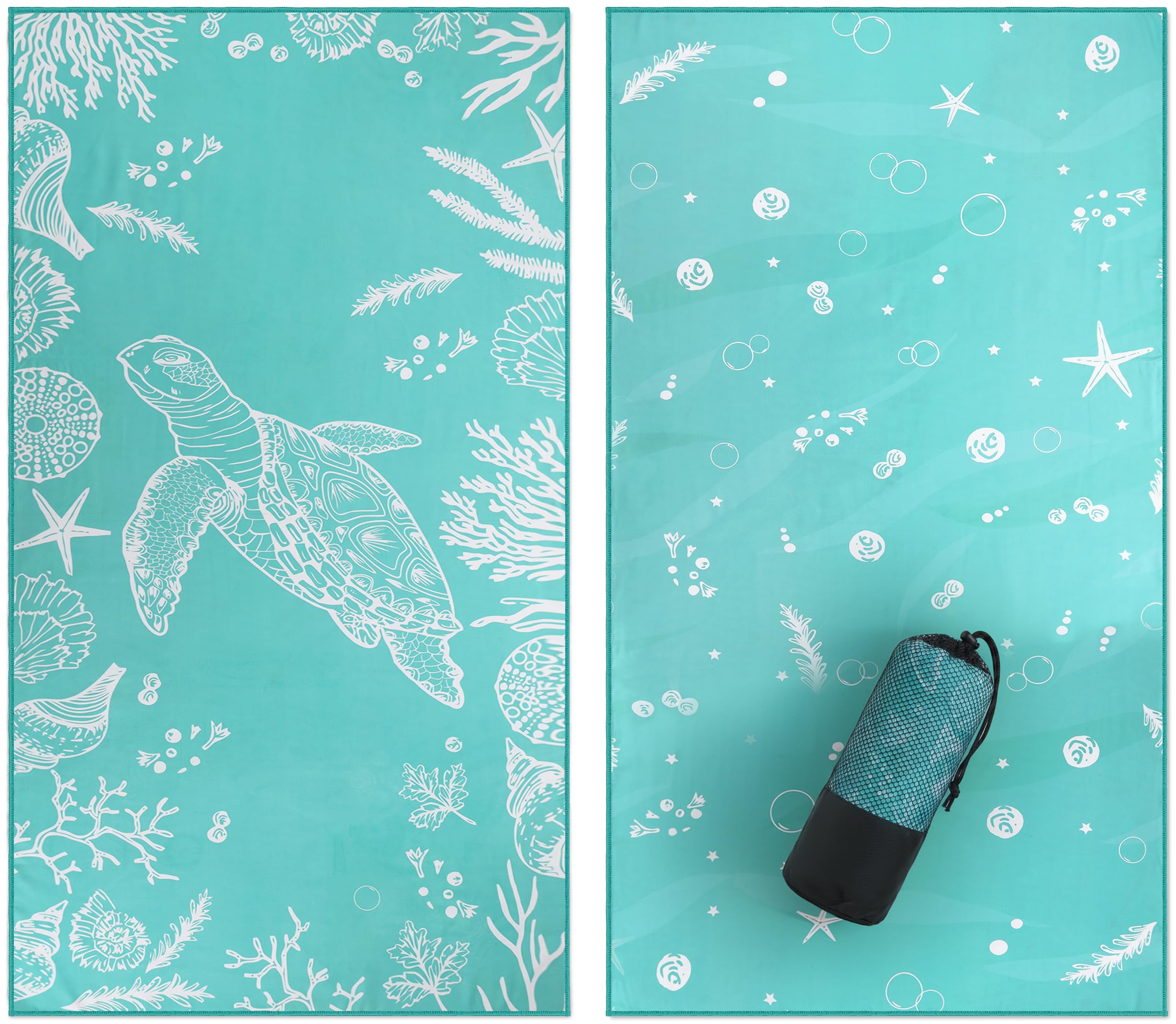
Full body towels run about 24 by 48 inches to about 30 by 56 inches, while hand and galley sizes cover faces, spills, and drying dishes. The second number to read is pack size, because a pack size governs how much boat bag and locker room a set of towels eats. One plush cotton towel can fold to the size of three microfiber towels of the same coverage. Count your crew, multiply by the trips between laundry days, and check that the folded stack fits the locker before you order a full set.
The storage side of that same decision is covered in our guide to the best boat bag for towels, which keeps the dry set apart from the wet one.
Weight and GSM in Plain Terms
GSM means grams per square meter, and it is simply a weight class for the fabric. Towels at about 300 to 400 GSM are light, dry quickly, and suit boats where storage and drying matter most. The about 400 to 600 GSM class balances softness with a reasonable drying time, and most first purchases land there.
Above about 600 GSM you are in plush bath territory: lovely at home, slow to dry in a locker, and heavy in a wet bag on the walk back to the car. That plush class is exactly what the best quality bath towels are judged on, and it is the wrong target on a boat. For the wider picture of towel quality beyond weight alone, our guide to the best quality towels covers weave and finishing in more depth.
Color, Sun, and Salt
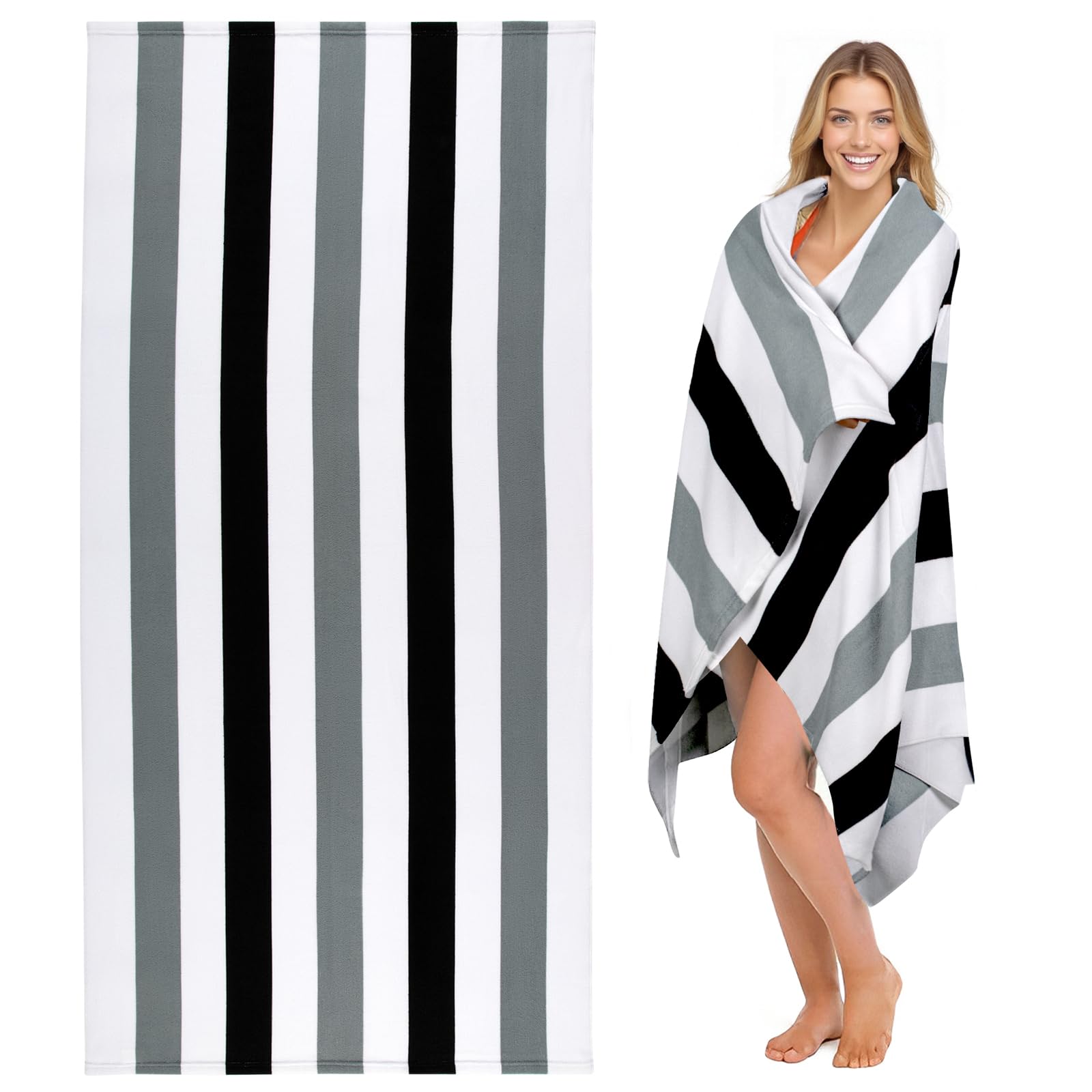
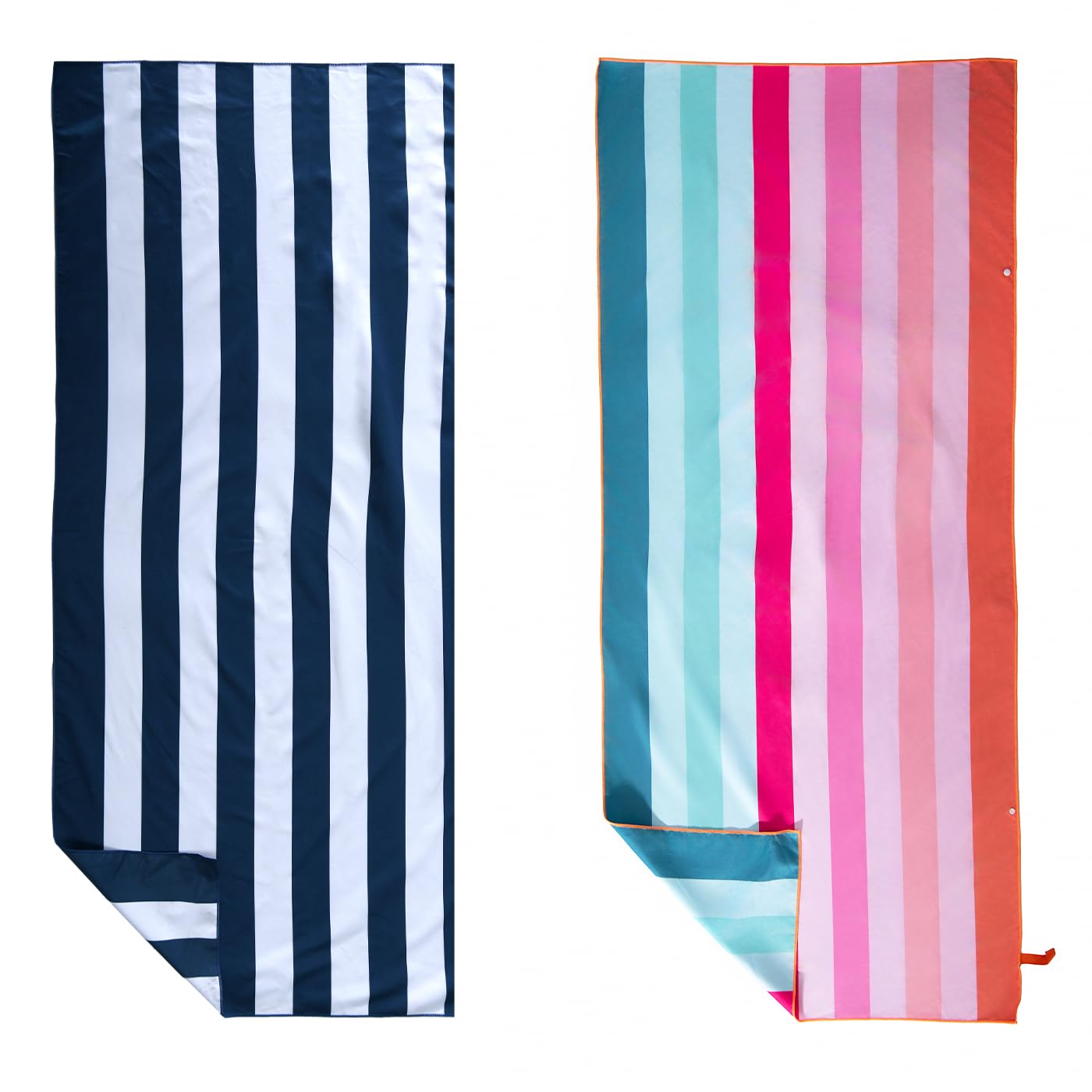
Sun and salt are hard on dyes, so expect strong colors to fade a shade over a season of rail drying. Dark colors hide bait, sunscreen, and dock grime better between washes, while white shows every stain but tolerates a hot wash and a little bleach when it needs rescuing. Stripes and patterns split the difference and hide fading well. Whatever you choose, rinse salt out after beach days, because salt left in the fibers makes any towel feel stiff and scratchy.
Care and Washing
Wash new towels before the first trip to strip the factory finish, because that coating is why new towels sometimes push water around instead of soaking it up. Skip fabric softener on boat towels for the same reason: softener coats the fibers and steadily cuts absorbency, and dryer sheets do the same damage. Wash in warm water, dry fully before storing, and never seal a damp towel in a plastic bag or a closed locker. A towel stored dry stays fresh; a towel stored damp is a mildew project.
Rookie Mistakes to Avoid
- Packing thick bath towels from home, because they dry slowly in a locker and turn musty between trips.
- Judging softness in the store, because a softener finish makes a weak towel feel plush until the first wash.
- Buying one towel for the whole crew, because a single shared towel stays wet and nobody wants the last turn.
- Choosing white for a fishing boat, because bait and blood stains set fast and show on white more than on any color.
- Storing towels while they are still damp, because sealed in moisture is exactly how mildew starts.
Getting Started: First Wash and First Trip
Your first kit pairs naturally with the rest of your deck routine, from where towels live in the bag to the footwear you wear while using them, and our guide to best boat shoes covers the non marking side of that same routine. For the towels themselves, start simple: wash the set once before the first trip, fold each towel flat, and pack one full size towel per person plus one spare for the cockpit. On the water, hang used towels on a rail or line after every swim instead of balling them into the bag.
Back at the dock, shake sand out over the water, rinse salt if a hose is nearby, and carry the towels home loose or in a ventilated bag rather than a sealed one. Wash them within a day or two, dry them completely, and only then return them to the boat. That small loop, rinse and dry and store dry, is the whole secret to towels that stay fresh for years.
Boat Towel FAQs
What GSM should first time buyers choose for boat towels?
First time buyers should choose boat towels at about 400 to 500 GSM, the middle class that feels substantial without drying slowly. One useful trick is to buy two mid weight towels per person instead of one heavy one, because you can rotate a dry towel while the used one airs on the rail. Go lighter, toward about 300 to 400 GSM, only if locker space is truly tight.
How many boat towels should you pack for a weekend?
Pack one full size boat towel per person per day, plus one spare that lives in the cockpit for spills and wet seats. A family of four on a two day trip does well with about eight swim towels and one or two small ones for the galley. If laundry waits until you are home, that count keeps everyone in a dry towel without overfilling the locker.
Why do boat towels stop absorbing water?
Boat towels stop absorbing water when fabric softener, dryer sheets, or sunscreen residue coat the fibers and block the weave. The fix is a hot wash with no softener, and a cup of white vinegar in the rinse helps strip the buildup. Absorbency usually returns within one or two washes. If a towel still pushes water around after that, the fibers themselves are worn and the towel is ready to retire to rag duty.
Are pricey boat towels worth it for a first purchase?
Pricey boat towels are worth it only when the extra money buys a better weave and stitching rather than a logo. Singles run about $10 to $20 in the basic class and about $20 to $35 in the mid class, and the mid class usually shows its value in edges that do not fray and fabric that survives weekly washing. For a first purchase, one mid class set beats a large cheap set that pills and thins by midseason.
How often should boat towels be replaced?
Boat towels should be replaced when they stop absorbing, feel rough after washing, or keep a musty smell that a hot wash cannot remove. With weekly use that is often after two to four seasons, though sun and salt shorten the life of towels that live on board full time. Retire faded but sound towels to dock and cleaning duty before you throw them out, and let the fresh set handle swimmers.
Final Thoughts
For a first purchase, keep three ideas in front of you: quick drying fabric for the locker, a smooth weave if beaches are part of your routine, and a pack size that fits your bag and storage. The product table above gathers the main classes in one place for a final comparison. Start with a mid weight set sized to your crew, and the best boat towels for your boat will quietly do their job every trip.