
Best Bluetooth Water Speakers: A Buyer Checklist for 2026
Disclosure: We may earn a commission when you buy through links on this page, at no extra cost to you. As an Amazon Associate I earn from qualifying purchases. Learn more

Use this checklist to choose the best bluetooth water speakers with the right water rating, sound, battery life, and build for pool, beach, and shower use.
A speaker can claim to love water and still fail by the pool in its first month. Seals age, ports corrode, and a rating earned in a lab assumes fresh water and gentle handling. If you are shopping for best bluetooth water speakers, a clear checklist beats a spec sheet, because it tests each claim against how you will really use the speaker.
This guide walks through that checklist step by step: sound, build, connections, and the warning signs of a weak model. Keep the product table below open as you read and score each option against the same points.


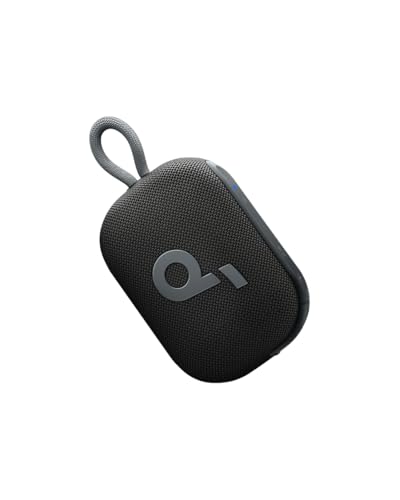


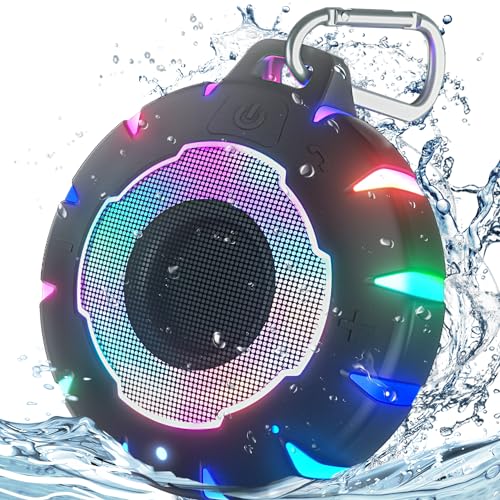
How to Evaluate Bluetooth Water Speakers
Sound Quality and Tuning
Start with driver size and tuning. A larger driver, often around 2 to 3 inches in compact models, usually delivers fuller vocals and more bass than a tiny driver pushed hard. Frequency response figures help only when the maker states a range with a tolerance, so treat a bare low number with doubt. Outdoors, strong midrange matters most, because wind and open air eat bass and fine detail first.
Tuning should favor clarity at moderate volume. Many water speakers boost bass to sound impressive in a store, then distort by the pool. A good sign is clean vocals at about 70 percent volume. If you often listen with friends spread around a deck, a model that pairs with a second unit for stereo or party mode gives a wider, more even sound than one loud box.
Microphone Quality
A built in microphone lets you take a call with wet hands or pause a workout without hunting for your phone. Quality varies widely. The better models keep your voice clear a few feet away and cut some wind and splash noise, while weak ones sound muffled and pick up every background sound. If calls matter, check that the maker states the mic works while the speaker is in Bluetooth mode, and note that water over the mic opening will dull any call.
For most buyers, the mic is a bonus, not a reason to choose a model. Rank it below water protection and battery life unless you plan regular poolside calls. Also confirm how to mute or end a call from the speaker buttons, since reaching for a wet phone screen is exactly what you are trying to avoid.
Placement and Room Size (for Speakers)
Water speakers live in odd places: a shower shelf, a pool edge, a kayak deck, or a patio table. Sound changes with each spot. A speaker on a hard tile corner sounds louder and harsher, while one on a towel in open air sounds softer. Models with drivers on two sides fill a space more evenly, while a single front driver works best aimed at your group.
Match output to the space. A small bathroom needs very little power, a backyard gathering needs far more, and makers rarely state output in a comparable way. As a rough guide, compact personal models suit one or two listeners nearby, while larger models with passive radiators suit groups. If you also need sound for dry outdoor spaces, compare our guide to the best bluetooth speakers for outside for output guidance that pairs well with this checklist.
Connectivity (Bluetooth Version, Codecs, Wired)
Bluetooth 5.3 is the version to look for, since it tends to hold a stable link at pool distances and reconnects quickly. Multipoint is handy if you switch between a phone and a tablet, though some speakers drop multipoint when paired in stereo mode, so read the fine print. Codec support is a smaller factor outdoors, where background noise hides fine detail, but AAC is a sensible match for Apple phones.
Check the ports as carefully as the wireless specs. A sealed USB C port with a firm cover charges fast and resists splashes, while an open port is a weak point no rating can excuse. A wired input is rare on sealed models, but where offered it helps with a TV or an older player. After water use, dry the port area fully before charging, a safety habit that also prevents corrosion.
Noise Cancellation and Isolation
Speakers do not cancel noise the way sealed headphones do, so treat this criterion as noise handling. A well tuned water speaker keeps dialogue and vocals clear over pool pumps, wind, and chatter without forcing you to max volume. Passive design helps here: a solid cabinet with no rattles, and controls that lock out accidental touches from splashes, keep the sound clean.
Be wary of any water speaker that leans on ANC as a headline claim. The honest question is simpler: can you hear lyrics clearly at a sane volume from your usual seat? If a model needs near maximum volume in a store demo, it will struggle outdoors. Your ears and your neighbors will both prefer the clearer, quieter option.
Comfort, Fit, and Weight
For a speaker, comfort means handling. You will carry it with wet or sandy hands, so look for a grippy texture, a strap or handle that fits your grip, and buttons you can find by touch. Weight is a trade off. A very light speaker is easy to toss in a beach bag but may vibrate or walk across a hard surface at high volume, while a heavier one stays put and often sounds fuller.
Shape matters too. A model that floats is a genuine plus for pool and boat use, but only if it floats speaker side up and keeps playing, which some do not. Check the maker wording closely. If small size is your top priority for travel bags and shower shelves, our guide to the best tiny bluetooth speakers covers the smallest end of the range and its sound limits.
Price Tiers That Pass Our Checklist
Mid Range Tier
The middle tier, often about $80 to $150, is where most buyers should land. At this level you can expect an IP67 rating, roughly 15 to 24 hours of rated playtime, Bluetooth 5.3, and sound that fills a small patio without strain. Buttons feel solid, the charge port seals well, and stereo pairing is common. This tier suits regular pool, beach, and shower use across a whole season.
Choose this tier if the speaker will be your main portable speaker, not just a spare. The step up from budget models shows most in seals and battery honesty, which are exactly the things that decide whether the speaker survives its second summer.
Budget Tier
Value models, often under $80, can be a smart buy for a shower shelf or an occasional beach day. Expect an IPX7 or IP67 rating on the better ones, about 10 to 15 hours of playtime, and sound sized for one room or a small group nearby. What you give up is output, extra features like multipoint, and sometimes the quality of the port cover and strap.
To buy well at this tier, spend your attention on the rating and the warranty rather than the watt claims. A value speaker with a genuine rating and a one year warranty beats a louder one with vague water claims. For shoppers weighing sound quality above all, our guide to the best quality bluetooth speakers explains the audio traits that separate tiers.
Premium Tier
Premium models, often about $150 to $300, earn their price with larger drivers, longer rated playtime that can reach 24 hours or more, stronger cabinets, and features like party pairing across many units. Some add replaceable straps, better floats, or a power bank function to charge a phone. Sound at this level stays composed at high volume, which is what outdoor groups actually need.
This tier makes sense for boat owners, big backyards, and anyone who has already lost a cheaper speaker to water. It makes less sense for a single shower, where a compact model does the same job. Premium price should always come with a clear warranty of at least one year, and two years is a strong sign of maker confidence.
Quick Buyer Checklist
- Does the speaker carry at least an IP67 rating, stated by the maker in full?
- Is the charge port sealed with a firm cover, and is it USB C?
- Does rated playtime reach at least 12 hours at moderate volume?
- Is it Bluetooth 5.3, and does it reconnect to your phone on its own?
- Can you work the buttons by touch with wet hands?
- Does it float, if you will use it in a pool or on a boat?
- Is the warranty at least one year, with water damage terms in plain words?
- Does the size fit your bag, shelf, or cup holder without forcing it?
Red Flags to Watch For
- Vague water language. Words like water resistant with no IP number in the listing mean splash protection at best.
- Impossible output claims. Huge watt numbers from a palm sized speaker signal marketing, not sound.
- No warranty detail. If the warranty length or water terms are hard to find, expect the worst.
- Flimsy port covers. A loose cover in photos often means a seal that fails early in real use.
- Odd review patterns. Clusters of glowing reviews with no detail, posted at the same time, are a classic warning sign.
One more flag deserves a sentence of its own: a rating that changes between the box, the listing, and the manual. Trust the lowest figure you find, and consider it a reason to choose another model. Shoppers focused on fixed outdoor installs rather than portable use can compare our guide to the best exterior bluetooth speakers for a different set of trade offs.
Tips to Get the Most From Your Bluetooth Water Speaker
Rinse the speaker in fresh water after pool or sea use, shake out standing water, and let it dry fully before charging. Keep firmware updated through the maker app when one is offered, since updates often improve pairing stability. Store the speaker indoors out of direct sun, because heat and ultraviolet light age seals and batteries faster than water does.
FAQs
Is ANC worth the extra cost?
On a water speaker, almost never. ANC style claims do little in open air, and the money is better spent on a stronger cabinet, clearer midrange, and a higher IP rating. If pool pump hum bothers you, moving the speaker a few feet and aiming it at your seats helps more than any processing badge, and it costs nothing.
Wired or wireless: which sounds better?
Wireless sounds better for this job in practice, because sealed water speakers rarely offer a wired input, and a cable near a pool is a trip hazard. A wired link can be cleaner in theory, but at poolside distances a stable Bluetooth 5.3 connection delivers the same music without the risk. Keep phones a safe distance from the water edge and let the speaker take the splashes. Our guide to the best water speakers adds more placement ideas for wet spaces.
What IP rating do I need for outdoor use?
For splashes in a shower or by a sink, IPX5 is enough. For full pool, beach, and rain use, choose IP67, which covers dust and immersion in shallow water for up to 30 minutes under lab conditions. Remember the rating assumes the port cover is fully closed and the seals are undamaged, so inspect both after any drop onto concrete.
How long does the battery last?
Expect about 10 to 24 hours depending on size and volume, with loud outdoor playback landing near the low end. Rated figures are measured at moderate volume, so a full day at a beach party can drain even a large model. A useful habit: charge after each big outing rather than storing the speaker empty, because lithium batteries age faster when left flat for weeks.
Do I need a special codec?
No. Outdoors and in tiled bathrooms, background noise and reflections hide the small gains a special codec can offer. A stable connection matters far more than the codec badge. If you listen mostly at home in quiet rooms, AAC or aptX support is a nice extra, but it should never outrank water protection, battery life, or button quality on your list.
The Bottom Line
Let the rating, the seals, and honest battery life lead your choice, then pick the size and tier that fit your spaces. The checklist above will steer you past weak claims every time. Compare the best bluetooth water speakers in the product table against it, line by line, and your pick should still be playing after many wet weekends.


