
Best Bluetooth Surround Speakers: Compatibility, Placement and Expansion for 2026
Disclosure: We may earn a commission when you buy through links on this page, at no extra cost to you. As an Amazon Associate I earn from qualifying purchases. Learn more

Best bluetooth surround speakers: how to check compatibility and place rear speakers.
Standalone best bluetooth surround speakers appeal to buyers who already own a soundbar or a main unit and want to add real rear sound without replacing everything. Instead of buying a whole new kit, you add a pair of wireless rear speakers that link to your existing system and place effects behind the sofa. The comparison table below gives a quick side by side view, and this guide explains compatibility, placement, and range in practical terms.
Compatibility is the first hurdle, because wireless surround speakers do not all speak the same language. Some pairs only link to a matching soundbar from the same maker, while others use a shared standard that works across a small family of devices. Checking that link before you buy saves the most common disappointment with this category: a handsome pair of speakers that cannot join your system at all. The sections below help you choose the best bluetooth surround speakers that suit your space and habits.

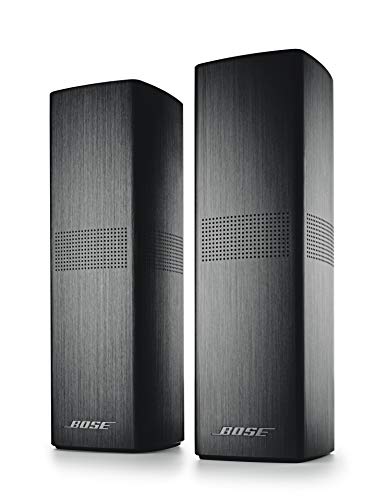

Compatibility: The Check That Comes First
Start with the exact model of your soundbar or hub and search its specifications for optional rear speaker support. The listing should name compatible rear speaker models or a wireless surround standard by name. If no compatible pair is listed, assume the system is closed and look for a kit that includes rear speakers from the start, rather than hoping an unrelated pair will pair.
Also check whether adding rear speakers changes how the main unit handles sound modes. Some systems unlock a true surround mode only when rear speakers are connected, while others keep the same modes and simply add rear output. That difference affects whether films gain real depth or just extra volume behind you. A quick read of the manual or a question to the maker support team can settle it before you spend.
Placement for Real Surround Effect
Rear speakers earn their place by sitting behind and slightly to the sides of the main seat, at roughly seated ear height. That position lets effects arrive from behind rather than from directly beside your ears, which feels more natural for films. If the sofa sits against a wall, wall mounted or stand mounted speakers just behind the sofa ends can still work, though the effect becomes narrower.
Height matters as well. Speakers placed high on a shelf fire over your head and lose detail, while speakers on the floor get blocked by the sofa itself. A stand or shelf at ear height, angled slightly toward the seating area, usually gives the clearest result.
If your room forces a compromise, favour a clear path to the listener over perfect symmetry, since blocked sound hurts more than a slightly uneven layout. For patio and garden listening, best exterior bluetooth speakers covers weather resistant models that can extend music outdoors.
Range, Walls, and Dropouts
Wireless range in a specification sheet assumes open air, while your home adds walls, furniture, and competing wireless signals. A pair rated for a long range may still struggle through thick masonry or across a large open plan space with many devices. Keep the main unit visible rather than hidden inside a cabinet, and avoid placing rear speakers behind large metal appliances or aquariums.
If dropouts appear, try moving the main unit a little higher or closer to the centre of the room before assuming the speakers are faulty. Changing the wireless channel, where the system allows it, can also reduce interference from routers and neighbours. Try with a long film rather than a short clip, since dropouts often appear after the system has been running for a while. Television focused setups are compared in our guide to best bluetooth surround sound speakers.
Pairing With an Existing Soundbar
Adding rear speakers to a soundbar you already own is usually the most economical upgrade path, and it reuses a sound character you already like. The new rear speakers should match the front system in tone as closely as possible, so effects do not sound like they come from a different brand of speaker. Matched pairs from the same maker usually achieve that blend more easily than unrelated models.
After pairing, recalibrate if the system offers a room calibration routine. Calibration measures distances and levels from your seat and adjusts each channel so dialogue stays anchored at the front while effects sit naturally behind you. Skip this step and the rear speakers may sound too loud or too quiet, which makes the whole system feel unbalanced.
A few minutes of calibration often transforms the result. For a broader comparison, see our guide to best quality bluetooth speakers.
Expanding Step by Step
One advantage of standalone rear speakers is the ability to expand gradually. Start with a rear pair, live with it for a few weeks, and then decide whether a subwoofer upgrade or a centre channel improvement matters more. That staged approach spreads cost and lets you judge each upgrade in your own room rather than guessing everything at once.
Keep a note of which models you own and which wireless standard they use, since future additions must match. A system that grows in small steps stays useful through a house move or a room rearrangement, while a closed system may force a full replacement when one part fails. Planning expansion early protects both money and patience. Quality focused options are covered in our guide to best surround speakers, and full system comparisons appear in our guide to best bluetooth surround sound tv speakers.
A Final Check Before You Order
Before you order, confirm compatibility in writing, measure the distance from the main unit to each rear position, and count power outlets near those positions. Wireless rear speakers still need power, and a missing outlet near the sofa can undo an otherwise perfect plan. Also check return terms, since compatibility and room acoustics are hard to judge from a listing alone.
Try the pair with dialogue, music, and an action scene in your first week, and run any calibration routine the system offers. If effects feel placed behind you without overpowering dialogue, the pairing works. If not, adjust placement and levels before deciding the speakers themselves are at fault. The product table above narrows the field, and your room gives the final answer.
Living With Rear Speakers Day to Day
Rear speakers change daily television habits in small ways worth anticipating. News and talk shows gain little from rear output, so a system that lets you switch rear speakers off or lower them for casual viewing is genuinely handy. Films and sport, by contrast, come alive with rear atmosphere, so a quick preset for film nights versus everyday viewing saves repeated menu diving.
Household members may notice rear sound differently, especially if one seat sits much closer to a rear speaker than another. Balance controls per channel solve most of that unevenness, and a short conversation about preferred volume prevents remote control battles. If children use the room for gaming, rear speakers add immersion, but check volume limits for younger ears and keep late night levels modest.
Maintenance for rear speakers is minimal but real. Dust the drivers gently, check power leads for trip hazards after rearranging furniture, and keep the pairing information noted somewhere safe. A system that is easy to live with daily, not just impressive on film night, is the system that earns its place in the living room for years.
Frequently Asked Questions
Will any wireless speaker work as a rear speaker?
No, rear speakers must link to your soundbar or hub through a compatible wireless surround connection. Ordinary wireless speakers usually cannot join a surround system as rear channels, even if they pair for music. Check the soundbar specifications for named compatible rear models before buying any pair. Check the soundbar specifications for named compatible rear models before buying any pair, to avoid a costly mismatch.
Where should rear speakers sit for the best effect?
Rear speakers work best slightly behind and to the sides of the main seat, at roughly seated ear height, angled toward the listener. That placement puts effects genuinely behind you. Avoid floor level or high shelf positions, since blocked or overhead sound weakens the surround effect noticeably. Avoid floor level or high shelf positions, since blocked or overhead sound weakens the surround effect noticeably.
Do wireless rear speakers still need power cables?
Yes, wireless refers to the audio signal, not the power supply. Each rear speaker needs a nearby outlet or a power lead routed safely. Plan outlet positions before buying, and keep leads out of walkways so the setup stays safe and tidy. Plan outlet positions before buying, and keep leads out of walkways so the setup stays safe and tidy.
Why do my rear speakers sometimes drop out?
Walls, distance, metal objects, and competing wireless signals can all interrupt the link. Keep the main unit visible, avoid placing speakers behind large metal items, and check over a full film rather than a short clip. If dropouts persist, a different placement or channel setting often helps. If dropouts persist, a different placement or channel setting often helps more than replacing the speakers themselves.
Can I add a subwoofer later to the same system?
Many systems allow a subwoofer to be added later, provided it matches the same wireless standard or maker family. Check expansion support before buying the rear pair, since a system that grows step by step protects your spending better than a closed set with no upgrade path. Check expansion support before buying the rear pair, since a system that grows step by step protects your spending better.
The Bottom Line on Bluetooth Surround Speakers
Standalone wireless surround speakers are a smart upgrade when compatibility is confirmed and placement is planned. They add genuine rear sound without replacing a soundbar you already like, and they let you expand a cinema setup in affordable steps. The product table above compares the main pair types, and the checks here help you avoid the compatibility trap.
Confirm the link, place the pair at ear height behind the seat, and calibrate before judging. Those three steps turn a simple add on into a convincing surround upgrade, and they keep the focus on films rather than on troubleshooting. That is the practical route to the best bluetooth surround speakers for your existing system.


