
Best Bluetooth Studio Monitor Speakers: Tiers, Woofer Size and Latency Explained for 2026
Disclosure: We may earn a commission when you buy through links on this page, at no extra cost to you. As an Amazon Associate I earn from qualifying purchases. Learn more

Best bluetooth studio monitor speakers: price tiers, woofer size and Bluetooth latency for home studios.
Studio monitors promise honest sound, but adding Bluetooth raises fair questions about accuracy, delay, and value. If you are shopping for the best bluetooth studio monitor speakers, you need a guide that treats them as precision tools first and wireless speakers second.
This guide explains what separates a true monitor from a casual speaker, how to size a pair for your room, and when Bluetooth helps or hurts your work. Start with the comparison table below, then use the buying guide sections to match each candidate to your desk, your room, and your projects.


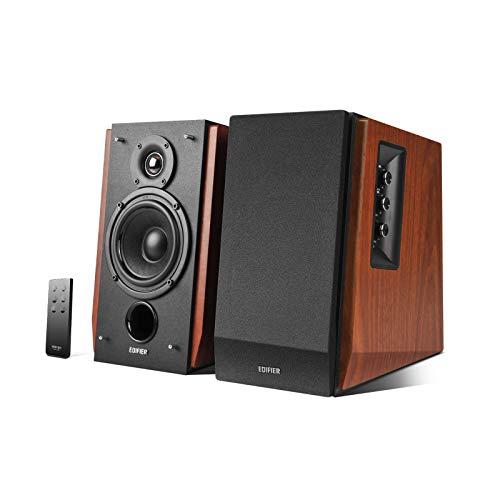


Three Buying Tiers at a Glance
Monitors sort into clear price tiers, and each tier buys a different level of accuracy and output. Use these descriptions to read the product table above with realistic expectations.
All-Round Profile
The overall tier, often around $300 to $600 per pair, balances flat tuning, solid build, and useful controls. Expect rear or front panel switches for room placement, balanced and unbalanced inputs beside Bluetooth, and enough power for nearfield listening at a desk without strain. Drivers are usually five to six inches, a size that covers most home studios.
The limit is deep bass, since small cabinets cannot move much air at the lowest notes. For most creators, this tier delivers honest mixes that translate well to other systems.
Value Profile
Value pairs, often around $150 to $300, focus on the essentials: a fairly flat response, clear midrange, and basic tone controls. Bluetooth pairing is simple, build is lighter, and input choices shrink, sometimes to one wired input plus wireless. Accuracy is good enough for learning, podcast work, and first releases, especially in small treated rooms.
The limit shows up at high volume, where distortion creeps in sooner. If you are building a first studio, this tier leaves budget for stands, cables, and simple room treatment, which improve results more than a pricier pair alone.
Beginner Profile
Beginner friendly pairs, often under $200, aim for easy setup and forgiving sound. Front volume controls, a headphone jack, and simple Bluetooth pairing remove friction on day one. Tuning may lean slightly warm rather than strictly flat, which sounds pleasant while you learn to hear detail.
The limit is fine accuracy, so critical mixing decisions take practice and reference tracks. Start here if your room is untreated and your ears are still training, then upgrade once you know which weaknesses actually hold your work back.
How to Choose the Best Bluetooth Studio Monitor Speakers: Buying Guide
This is the core of your decision. Work through each point in order, because early choices like woofer size shape every later one. For a broader foundation, our guide to the best studio monitor speakers covers monitor basics beyond the Bluetooth models here.
Driver and Tweeter Design
The woofer handles bass and midrange, while the tweeter covers the highs. Woofer materials range from paper and woven fibers to metal, each with a slightly different character, but design and tuning matter more than the material name. A waveguide around the tweeter spreads highs evenly, which widens the sweet spot at your desk.
Judge this area by stated frequency response with a tolerance, such as plus or minus 3 dB, because a tolerance signals honest measurement. Vague response claims with no tolerance deserve skepticism.
Woofer Size and Room Size
Match woofer size to your room and listening distance. Three to four inch woofers suit small desks and near listening, but they give up deep bass. Five to six inch models are the home studio standard, balancing bass reach and desk friendly size.
Eight inch woofers fill larger rooms and reach lower, yet they can overwhelm a small untreated room with boomy reflections. Sit roughly three to five feet from a nearfield pair, and let that distance guide your size choice more than any wish for bigger hardware.
Placement, Stands, and Mounting
Placement shapes your sound as much as the speakers do. Set tweeters at ear height, form an equal triangle between the pair and your head, and angle each speaker inward toward your ears. Stands or isolation pads lift monitors off the desk, which reduces vibration and clears up bass.
Wall mounting is possible on some models with rear brackets, but keep space behind rear ports so bass stays controlled. Many creators compare placement notes with our guide to the best bluetooth studio speakers when a desk setup doubles for casual listening.
Bluetooth Latency and Wireless Features
Bluetooth adds delay, usually a small fraction of a second, which is fine for playback and casual editing. It can annoy you during live instrument tracking or tight video sync, so plan to switch to a wired input for those tasks. Look for a recent Bluetooth version for stable pairing and lower power use.
Some pairs let one speaker receive the signal and pass it to the other by cable, which keeps stereo imaging steady. Treat wireless as a convenience layer over a proper wired monitor, never as the only connection.
App Control and Sound Tuning
Room compensation controls are the features that matter most here. Bass and treble trim switches help when monitors sit near walls or corners, and a low cut filter can tame desk boom. Some models add app based EQ and level control, handy when rear panels are hard to reach.
Firmware updates through an app can also fix Bluetooth quirks over time. Keep adjustments small: one or two steps of trim usually beat dramatic EQ curves, and your ears need a few sessions to judge any change fairly.
Connectivity and Ports
A serious pair offers more than Bluetooth. Balanced inputs on XLR or quarter inch TRS plugs reject hum and noise on longer cable runs, which matters in rooms full of computers and lights. Unbalanced RCA inputs suit simple setups and media players.
A wired stereo input also gives you a zero delay path for recording work. Check what our guide to the best bluetooth monitor speakers says about input layouts if your interface has limited outputs, and confirm the pair includes the cables you need or budget for them.
Types of Bluetooth Studio Monitor Speakers
Most pairs fall into four broad groups. Knowing your group narrows the field before you compare fine details.
Compact Nearfield Models
Compact nearfield pairs use three to five inch woofers and suit desks in bedrooms, dorms, and small offices. They image sharply at close range and keep bass modest, which protects thin walls and late night sessions. The trade off is low end reach, so bass heavy genres need a subwoofer or headphone checks. Choose this group when space is tight and most of your work is voice, acoustic, or light electronic production.
Larger Full Range Models
Larger pairs with six to eight inch woofers serve bigger rooms and listeners who sit farther back. They play louder with less strain and reach deeper into the bass, which helps with dance, hip hop, and film work. The cost is size, weight, and a stronger need for room treatment. Choose this group when your room is medium or large and you can place the pair on stands away from walls.
Budget Friendly Models
Budget pairs cut cost in cabinets, amplifiers, and extras while keeping tuning honest enough for learning. They suit students, podcasters, and anyone upgrading from laptop speakers. Expect simpler controls and lighter build, plus Bluetooth as a headline convenience.
Our guide to the best affordable studio monitor speakers is a useful companion if price leads your search. Choose this group to start, and invest the savings in placement and treatment.
High End Precision Models
Precision pairs spend their budget on measurement, components, and cabinet rigidity. They reveal small mix problems early, which speeds up decisions for experienced engineers. Sound stays composed at high volume, and controls offer finer steps for tricky rooms.
The limit is honesty itself: rough mixes sound rough, and an untreated room can waste the extra accuracy. Choose this group when your work earns money and your room already has basic treatment.
Tips to Get the Most From Your Bluetooth Studio Monitor Speaker
- Level match the pair. Use a steady tone or familiar track and set both speakers to the same volume, because a louder side drags the stereo image off center.
- Learn with reference tracks. Play songs you know well every session. Your ears calibrate to the monitors faster when the material stays constant.
- Keep Bluetooth for playback tasks. Stream references and casual listening over wireless, then switch to wired inputs for tracking and detailed edits.
- Update firmware with care. Apply updates from the maker app when you are not mid project, and note your trim settings first in case they reset.
- Dust gently and check cables. Wipe cabinets with a dry microfiber cloth, never spray drivers, and reseat cables if one side crackles. More setup ideas appear in our guide to the best bluetooth studio monitors.
FAQs
Is Bluetooth good enough for studio monitoring?
Bluetooth is good enough for playback, reference checks, and rough mixes. Its small delay and mild compression make it a poor fit for live tracking or final critical passes. The practical answer is a hybrid habit: enjoy wireless freedom for everyday listening, and plug in a cable when timing or fine detail decides the result. A pair that does both well earns its place.
What woofer size should I get for my room or desk?
Small rooms and close desks suit three to five inch woofers, while medium rooms handle five to six inch models with ease. Eight inch woofers need space and some treatment to stay controlled. Bigger is not automatically better, because oversized monitors in a small room blur bass and shrink your usable volume range. Match size to the room first.
How long do studio monitor speakers last?
A well kept pair often serves eight to fifteen years. Amplifiers and capacitors age first, while drivers last longer when you avoid constant maximum volume and heat. Keep vents clear, power down during long breaks, and store the pair indoors if you move. Bluetooth standards will age faster than the speakers themselves, which is another reason wired inputs matter.
Wired or Bluetooth connection: which sounds better?
A wired connection sounds better for critical work because it avoids compression and delay. For casual listening and reference playback, modern Bluetooth is close enough that most listeners focus on the music instead. The honest check is your own room: play a track you know both ways and note whether fine details like reverb tails change. Keep both paths available if you can.
Do I need a subwoofer with studio monitors?
Only if your work depends on judging the lowest octave, as in electronic and hip hop production. Small nearfield pairs roll off early in the bass, so a subwoofer extends what you can hear. It also adds setup work, since level and crossover settings must blend with the pair. Many beginners do better with headphone bass checks until their room and budget grow.
The Verdict
Put accuracy first: honest frequency response, a woofer size matched to your room, and wired inputs for serious work, with Bluetooth as a welcome extra. Confirm your finalists in the product table above, and place the pair with the same care you used to choose it. Chosen that way, the best bluetooth studio monitor speakers will tell you the truth about your mixes for years.


