
The Best Bluetooth Receiver for Outdoor Speakers for 2026: Buying Guide and Checklist
Disclosure: We may earn a commission when you buy through links on this page, at no extra cost to you. As an Amazon Associate I earn from qualifying purchases. Learn more

Learn how to choose the best bluetooth receiver for outdoor speakers with clear checks for range, weather sealing, codecs, outputs, and power for your yard.
A good pair of wired outdoor speakers can sit unused simply because the amplifier lives indoors and nobody wants to run back inside to change a song. A best bluetooth receiver for outdoor speakers setup solves that problem by adding wireless streaming to speakers and an amp or receiver you already own. The right unit gives you steady range across a patio or yard, clean sound without hiss, and controls you can manage from a phone while you stay outside with your guests.
This guide walks you through range, weather protection, outputs, and power choices before you spend anything. You will also find the comparison table below helpful, because small differences in Bluetooth version, codec support, and output type decide whether a receiver suits a covered porch, a poolside pair, or a larger yard with speakers spread far apart.


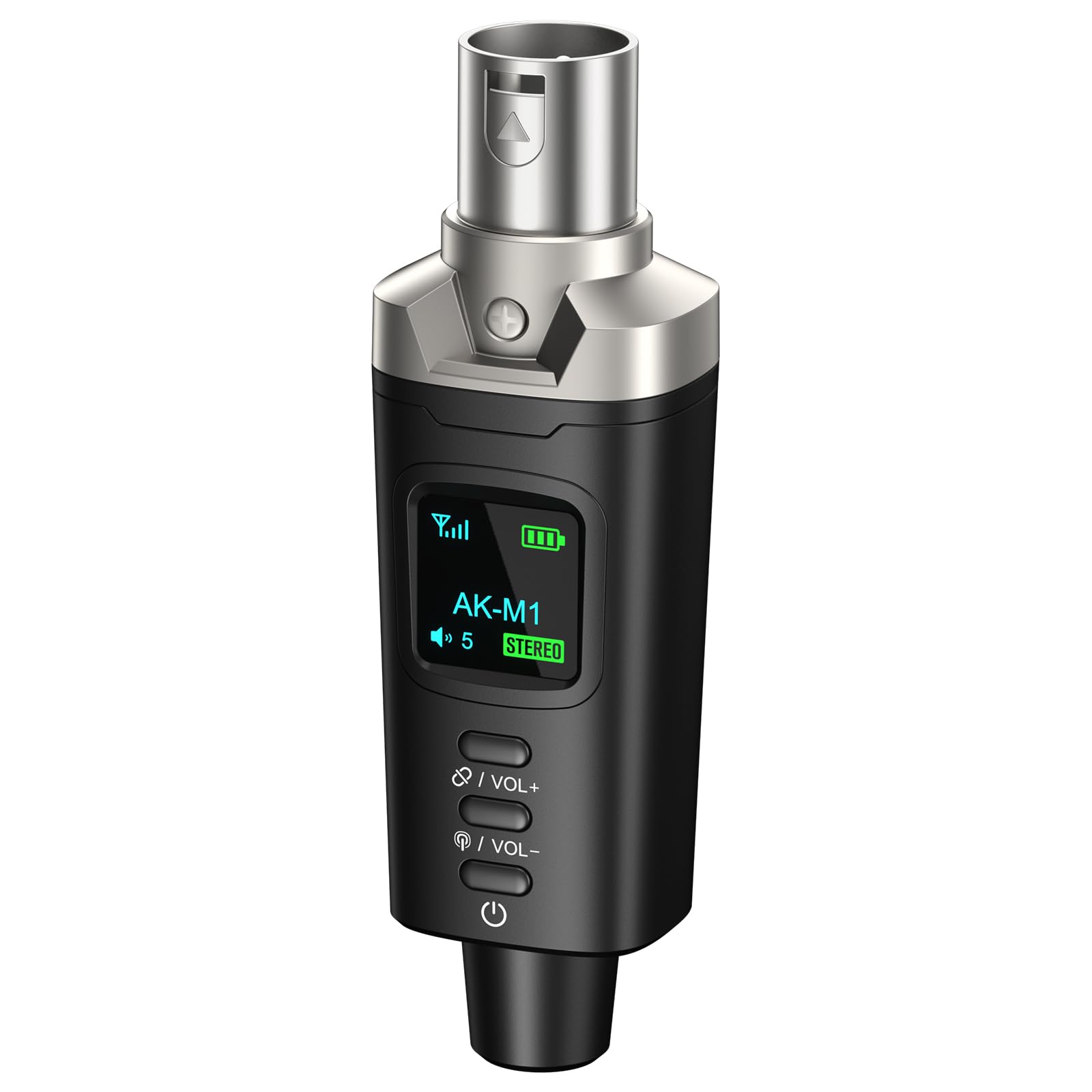
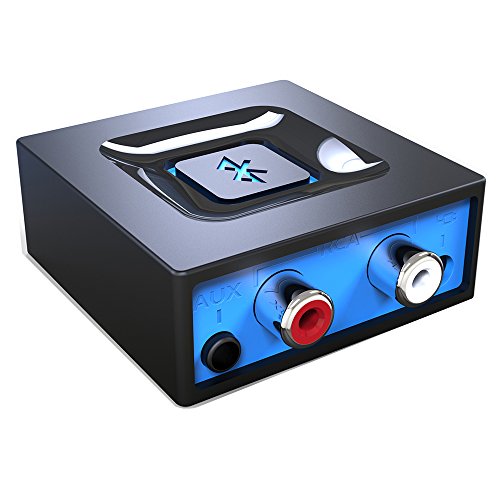
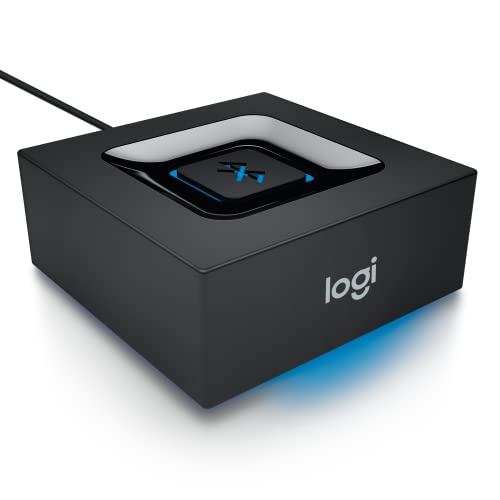
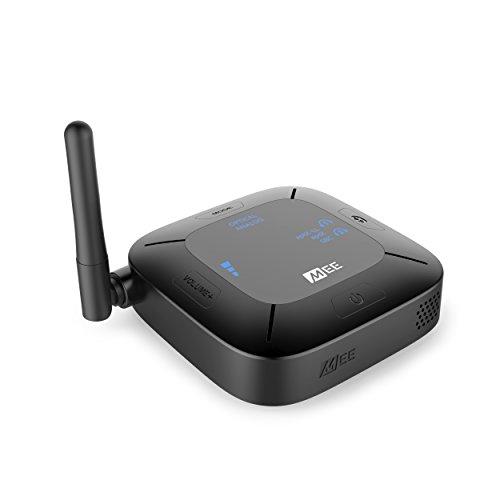
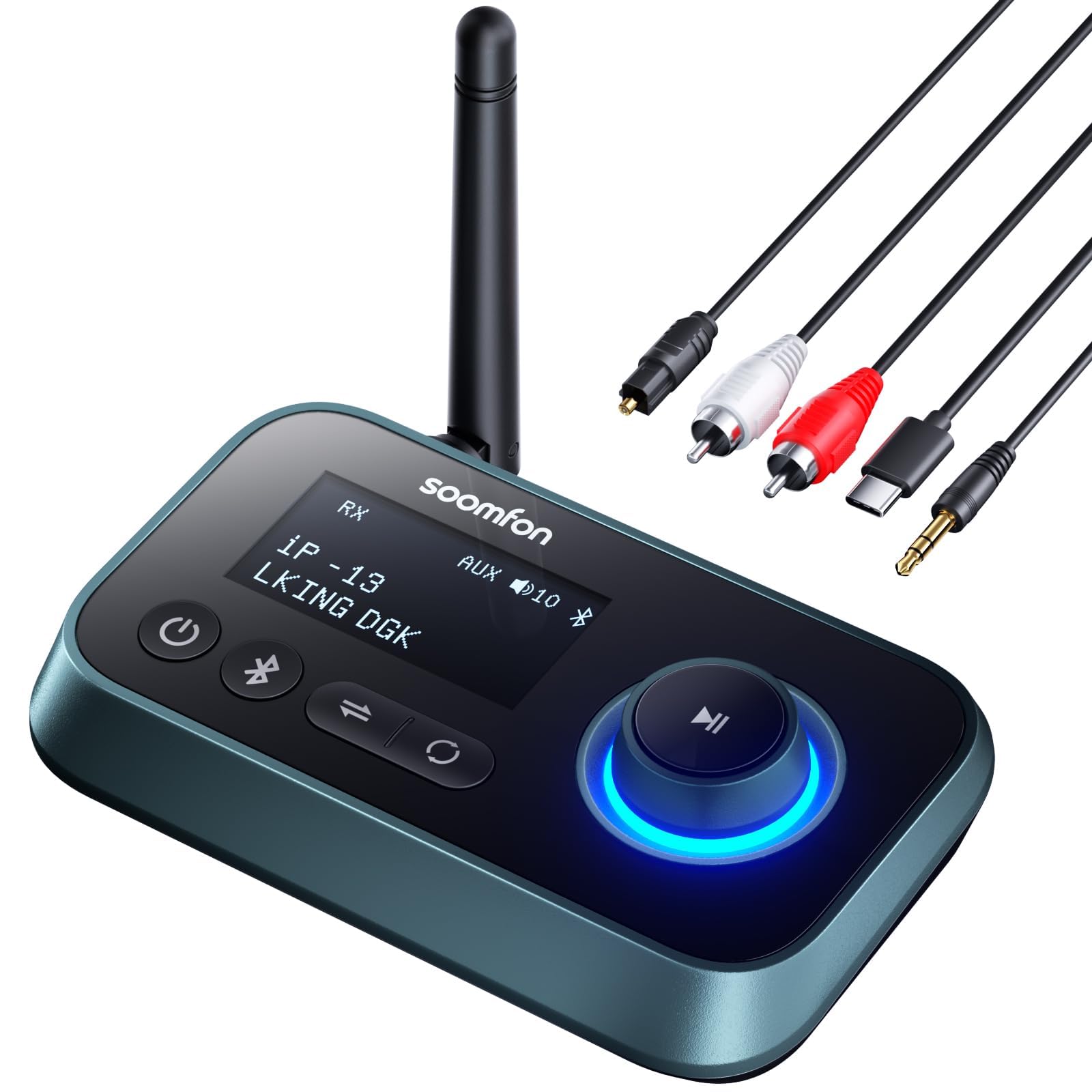
Three Buying Profiles at a Glance
Instead of chasing a single winner, match a receiver profile to your yard and your existing gear. The three profiles below cover most homes, and each one trades cost against range, flexibility, and sound quality in a different way. Read them as checklists for the product table above, not as fixed models, because receiver lineups change while your speakers and wiring stay the same for years.
Everyday Streaming Profile
Choose this profile if you play music outside several times a week and want the fewest compromises. Look for Bluetooth 5.3 or newer, support for aptX or AAC, an external antenna, and both analog RCA output and optical digital output. A metal or well sealed plastic housing, a clear pairing button, and multipoint connection for two phones round out the package. Expect to pay about $70 to $150, and expect steady coverage across most patios without dropouts when your phone stays within sight of the unit.
Value Profile
Pick this profile for a covered porch or a small deck where the receiver sits near the speakers and stays dry. Bluetooth 5.1 or 5.3, AAC and SBC codec support, and a simple RCA output cover everyday streaming from phones and tablets well. You give up the longest range, a digital output, and sometimes an external antenna, but sound quality for casual listening remains solid. Most capable units in this group cost around $35 to $70, which leaves budget for better speaker cable or weatherproof covers for your gear.
Beginner Profile
Start here if this is your first step away from a portable speaker and you want setup to take minutes. Prioritize a large pairing button, voice prompts or a clear status light, automatic reconnection to the last phone used, and a power supply included in the box. A compact unit that plugs straight into an amplifier input keeps wiring simple. Prices usually sit around $30 to $60. The trade off is fewer outputs and modest range, both fine for a balcony, a small patio, or a garage gym where you stay close.
How to Choose the Best Bluetooth Receiver for Outdoor Speakers: Buying Guide
Your speakers, amplifier, and yard layout should drive every choice in this section. A receiver that shines on a sheltered porch can struggle beside a pool or across a long lawn, so work through range and placement first, then sound quality and outputs. Keep notes on your amplifier inputs before you shop, because a mismatch there is the most common reason a receiver goes back in its box.
Features That Matter for Outdoor Speakers
Outdoor use adds distance, walls, and weather that indoor streaming never faces. A receiver rated IP67 can survive heavy rain and brief immersion, but most receivers live indoors or under cover while only the speakers face the weather, so check where your unit will actually sit. If it must live outside, demand a sealed housing, covered ports, and a power adapter rated for outdoor use. For indoor placement, range and antenna design matter more than the IP rating printed on the box.
Sound Quality and Tuning
The receiver feeds your amplifier a signal, so its digital to analog converter shapes clarity, hiss, and bass weight. Look for a stated frequency response that covers 20 Hz to 20 kHz and a signal to noise ratio above 100 dB when listed, since lower figures can add a faint hiss through efficient outdoor speakers. Support for aptX or LDAC helps Android phones, while AAC suits Apple devices. A neutral tuning suits mixed playlists best, because outdoor spaces already soften bass and you can add warmth at the amplifier tone controls.
Size, Weight, and Mounting
Small receivers hide easily on a shelf, inside a cabinet, or behind an amplifier, yet placement changes reception more than size does. Keep the unit away from metal enclosures, thick masonry, and large appliances that block the signal, and raise it where you can. Some units include wall mounting points or sit flat with rubber feet, both useful in a garage or pool house. Allow airflow around the power supply, and keep cables short and tidy so weather doors and cabinet lids close without pinching them.
Placement and Room Size for Speakers
Think of your yard as an outdoor room with zones. A single pair near the house needs far less range than speakers at a fire pit or a far fence line, and the receiver position should favor the spot where people actually hold their phones. Test placement before you fix anything permanently: stream while walking your usual seating areas and note any walls or corners where audio stutters. Moving a receiver a few feet, or adding an external antenna model, often fixes dropouts without spending more on speakers.
Controls and Everyday Use
Daily ease matters once the novelty fades. A physical volume knob or clear buttons help when a phone is wet or gloved, and a visible status light confirms pairing at a glance. Multipoint support lets two phones stay connected, so a partner can play a song without a pairing fight. Automatic wake and reconnection when the amplifier powers on keeps the system friendly for family use.
Connectivity: Bluetooth Version, Codecs, and Wired Options
Bluetooth 5.3 generally gives stronger connections and better range than older 4.2 units, especially through one exterior wall. Codec support should match your phone: AAC for iPhone, aptX or LDAC for many Android models, with SBC as the universal fallback. On the output side, RCA suits most amplifiers, optical suits AV receivers and avoids ground loop hum, and a 3.5 mm output suits compact amps. If your yard is large, also compare our guide to the best receiver for outdoor speakers for amplifier based options that cover bigger spaces.
Types of Bluetooth Receivers
Receivers fall into a few clear families, and naming the family you need prevents paying for features your system cannot use. Consider where the unit will live, how it gets power, and whether it stays in one place all season. The families below overlap, so use them as starting points and then check outputs against your amplifier.
Wired Models
Here wired describes receivers that stay plugged into mains power and feed an amplifier by cable, even though the music arrives wirelessly. They offer the steadiest performance, no charging routine, and often the best converters and outputs. The limit is placement, since you need an outlet and a short cable run to the amp. This family suits permanent patio systems best. If your speakers themselves are still wired and staying put, start here before considering battery powered alternatives.
Noise Cancelling Models
Noise cancelling is a headphone feature, not a receiver feature, and any listing that promises ANC on a speaker receiver deserves a second look. What actually helps outdoors is clean gain staging, a low noise floor, and tone controls that tame wind and traffic rumble at the amplifier. Some premium receivers add digital signal processing for room or yard tuning. Spend on those tools if your space is noisy, and skip ANC claims entirely. For speaker choices that handle open air well, see the best sounding outdoor bluetooth speakers guide alongside this one.
Home and Covered Porch Models
These compact receivers assume shelter, stable power, and modest distances. They are the easiest to install, pair quickly, and disappear into an existing stereo setup in minutes. Sound quality at this level suits background music, podcasts, and family gatherings without fuss. The weakness is weather exposure and range across large yards. Choose this family for screened porches, sunrooms, and garages, and move up to a rugged or long range design if your seating sits far from the house or your winters are harsh.
Outdoor and Rugged Models
Rugged receivers add sealed cases, protected ports, and stronger antennas for pool houses, open patios, and detached structures. Many pair an IP67 style build with Bluetooth 5.3 and multipoint, so they shrug off splashes while two phones stay connected. They cost more and can be larger, which matters in tight cabinets. Choose one when the receiver truly lives outside, and pair it with speakers built for the same conditions, such as those covered in our guide to the best outdoor speakers bluetooth waterproof.
How to Make Your Bluetooth Receiver Last Longer
A receiver should serve for many seasons with simple habits. A few minutes of care each spring and fall prevents most failures, which usually come from moisture, heat, and tired cables rather than the electronics themselves.
- Keep firmware updated when the maker offers an app or update tool, since updates often improve pairing stability and fix codec bugs.
- Store a portable unit in a dry case or cabinet during winter if your climate brings hard freezes, and bring outdoor units inside during severe storms.
- Wipe ports and cable ends with a dry cloth each season, and replace any cable that shows green corrosion or a loose plug.
- Avoid running your amplifier at maximum volume for long sessions, because clipping sounds bad and stresses both amp and speakers.
- Keep the receiver shaded and ventilated, since heat inside a sealed outdoor box shortens the life of power supplies.
FAQs
What features matter most in bluetooth receivers for outdoor speakers?
Range, outputs that match your amplifier, and codec support for your phone matter most. Start with Bluetooth 5.1 or newer, an external antenna if your yard is large, and RCA or optical output that fits your amp. Weather sealing only matters if the receiver itself lives outside. Also check automatic reconnection, a small feature that decides whether family members actually enjoy using the system every day.
What IP rating do I need for outdoor use?
You need IPX4 at minimum for splashes under cover, and IP67 if the unit faces direct rain. IP ratings apply to the receiver only when it sits outside; a unit on an indoor shelf needs no rating at all. Remember that the power adapter and cable joints are usually the weak points, so shelter them even when the receiver carries a strong rating, and never submerge a unit that is merely splash rated.
How long does the battery last?
Most home receivers have no battery because they run on mains power, so runtime is unlimited while the outlet works. Portable battery models typically play about 10 to 20 hours per charge depending on volume and codec. Cold weather shortens that figure noticeably. If you hate charging routines, choose a mains powered unit for a fixed patio system and save battery models for truly portable setups you move around.
Do I need a special codec?
No special codec is required, because every receiver supports SBC and will play music from any phone. Matching the codec to your phone still helps: AAC tends to sound cleanest from Apple devices, while aptX or LDAC can add detail on Android. The bigger wins for most yards are a stable connection and a quiet converter, so do not pay a premium for a codec logo alone without checking range and outputs.
Is ANC worth the extra cost?
ANC is not worth paying for on a speaker receiver, because active noise cancelling belongs in headphones, not in a box that feeds outdoor speakers. Wind, traffic, and pool noise reach your ears directly in open air, so no receiver can cancel them. Spend instead on speaker placement, enough amplifier power for clear sound at moderate volume, and tone controls that reduce rumble without dulling voices.
Wired or wireless: which sounds better?
A wired source can sound slightly cleaner, but a good wireless receiver with a modern codec comes very close for outdoor listening. Open air spaces, background conversation, and distance from the speakers hide small differences that matter indoors. Choose wireless for the freedom to control music from your seat. If you also want a fully portable option for trips, our guide to the best portable outdoor bluetooth speakers covers that different style of setup.
Our Verdict
Start with range and outputs, then match codec support to your phone, and only then compare price. A sheltered porch rewards a simple value unit, while a large or exposed yard justifies a rugged long range model with an external antenna. Whichever profile fits, the best bluetooth receiver for outdoor speakers for your home is the one that reconnects without fuss and stays quiet between songs. Compare your shortlist against the product table above, and check our guide to the best bluetooth receiver for speakers if your system also serves an indoor room.


