
Best Audio Receiver for Outdoor Speakers Made Simple: A Clear Buying Guide for 2026
Disclosure: We may earn a commission when you buy through links on this page, at no extra cost to you. As an Amazon Associate I earn from qualifying purchases. Learn more

Shopping for the best audio receiver for outdoor speakers for the first time? Learn the key terms, power needs, and zone options in this plain buying guide.
Outdoor sound seems simple until you stand in a store facing watts, ohms, zones, and Bluetooth versions. This guide slows that moment down. We will start with what a receiver actually does, explain each spec in plain English, and finish with the mistakes that leave patios sounding thin or strained. By the end, choosing the best audio receiver for outdoor speakers for your yard should feel like a short checklist rather than a gamble.
The product table below shows the current short list in one place. Read the basics first, though, because the right choice depends on how many speakers you run, how far they sit from the house, and whether the receiver will live indoors or in a sheltered spot outside.

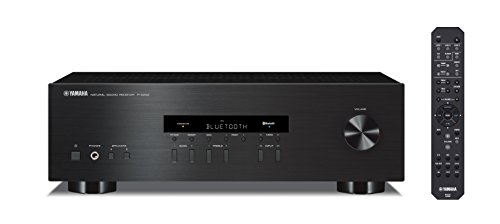
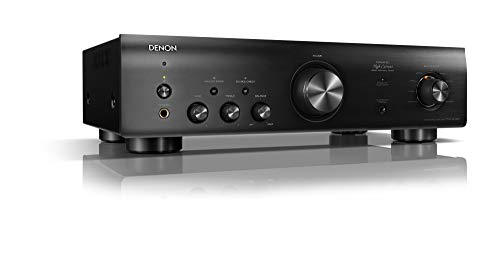
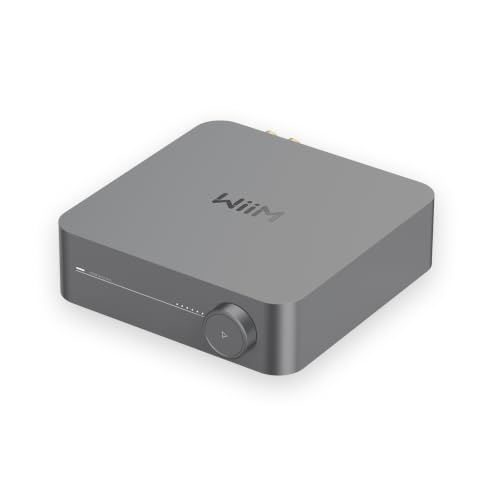


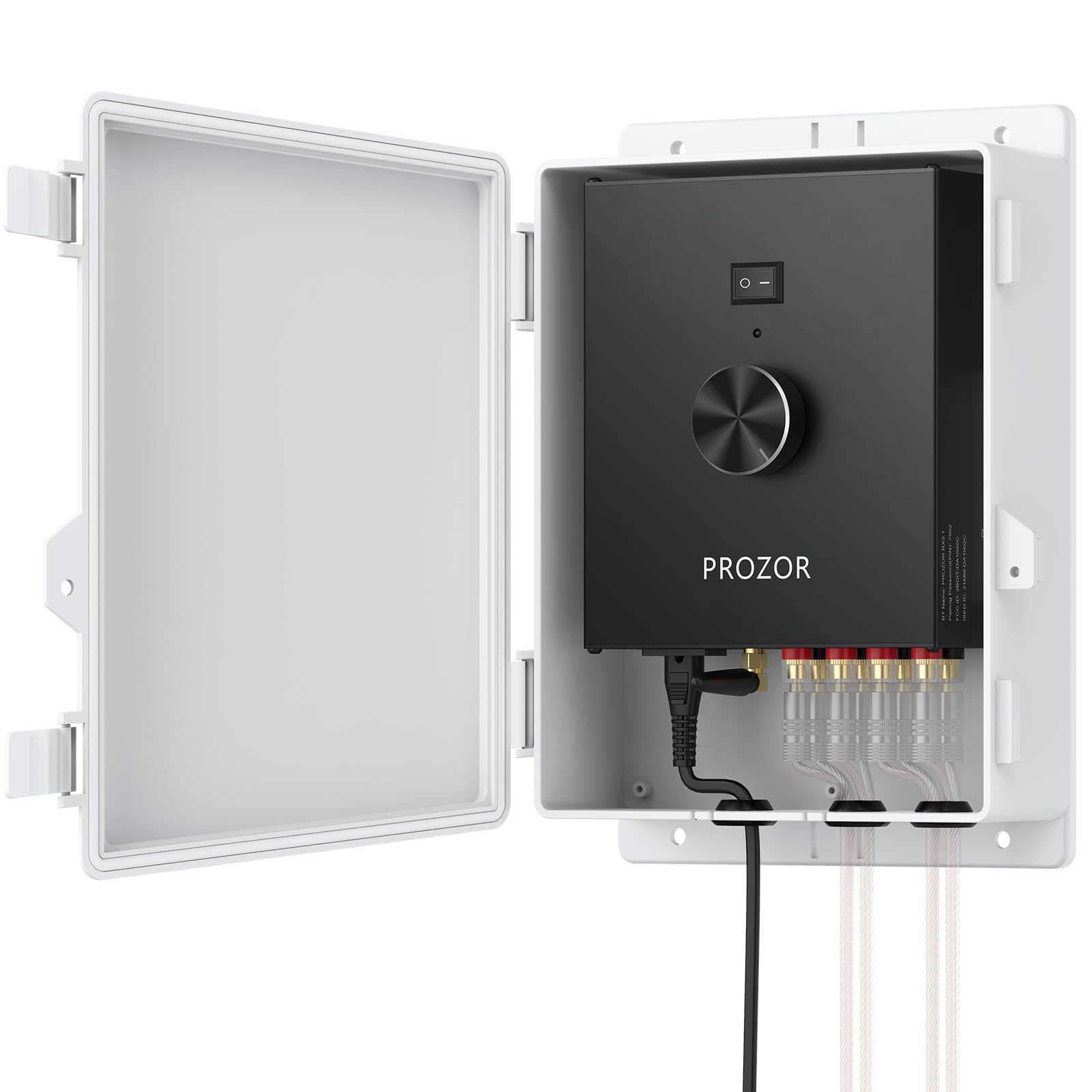

Audio Receivers 101: The Basics
A receiver is the control center and the muscle of the system. It takes music from a source, such as a phone, a television, or a streaming service, lets you pick and shape that source, and then amplifies the signal enough to drive your speakers. Speakers on their own cannot play a phone playlist. They need that amplified signal, and the receiver provides it along with volume control and tone adjustments.
Three terms cover most of the shopping confusion. Watts describe power, and more usable power means clean volume with headroom to spare. Ohms describe the load a speaker presents, and your receiver must be rated to drive that load safely. Zones describe separate areas with separate volume, so the patio can play softly while the pool area plays louder. Keep those three ideas in mind and the spec sheets become much easier to read.
Key Specs Explained in Plain English
Features That Matter for Outdoor Speakers
Outdoor listening fights open air. Indoors, walls reflect sound back to you, but a yard absorbs and scatters it, so speakers need more power to sound full at the same distance. Look for a receiver rated around 50 to 100 watts per channel into 8 ohms for a typical pair, with support for 4 ohm loads if your speakers call for it. A second zone output is the other standout feature, since outdoor spaces naturally split into areas. Weather thinking matters too. Most receivers belong indoors or under solid cover, with only the speakers rated for direct exposure.
Sound Quality and Tuning
Sound quality outdoors is mostly about balance at real listening levels. A receiver with bass and treble controls, or a simple equalizer, lets you add warmth that open air tends to strip away. Frequency response figures tell you the range a system can reproduce, though speaker placement shapes the result more than small spec differences. Practical tip: mount speakers under eaves or near a wall when you can, because a nearby surface reinforces bass naturally and lets the receiver work less hard for the same fullness.
Connectivity (Bluetooth Version, Codecs, Wired)
Bluetooth lets guests play music from a phone without cables, and a recent version such as Bluetooth 5.0 or later holds a steadier connection across a yard. Range still depends on walls between the receiver and the phone, so a receiver near a window often outperforms one buried in a basement rack. Wired inputs remain valuable for a television or a dedicated streamer, and WiFi streaming avoids the range limits of Bluetooth entirely. If you lean toward wireless, our guide to the best bluetooth receiver for outdoor speakers covers that narrower choice in detail.
Placement and Room Size (for Speakers)
Read room size here as yard size. A small patio with two speakers close to the seating needs modest power and simple control. A long yard with speakers at the far fence needs more power, longer cable runs, and ideally zone control so near listeners are not overwhelmed. Speaker cable loses a little signal over distance, so use thicker cable, around 14 gauge, for runs beyond about 50 feet. Sketch your space before buying and count the speakers honestly, because adding a second pair later changes the power and wiring picture completely.
Weather Protection and Installation Safety
For a yard system the real topics are weather and electrical safety. Keep the receiver itself dry and ventilated, ideally indoors with cables passing through a wall plate. Outdoor outlets should be ground fault protected, and any permanent wiring should follow local electrical codes. If you are unsure about wiring, a licensed electrician is the right call. Never run indoor rated cable or power gear where it will sit in standing water, and bring portable gear inside during storms.
Rookie Mistakes to Avoid
- Buying on peak watts alone. Listings may boast a large peak number, but continuous power per channel at a stated load is the figure that predicts clean volume.
- Ignoring speaker impedance. Running low impedance speakers on a receiver not rated for them can trigger shutdowns on hot days or loud passages.
- Placing the receiver outside unprotected. Most receivers are indoor equipment. Heat, moisture, and insects shorten their life quickly.
- Using thin indoor cable outdoors. Sun and moisture degrade it, and long thin runs waste power before the sound reaches the speakers.
- Skipping zone control. One volume for a whole property means the closest seats get blasted whenever distant speakers need more level.
Many of these mistakes disappear when you compare against a related short list first. Our overview of the best receiver for outdoor speakers uses the same plain language approach for the broader category.
Getting Started: Setup and First Use
Start indoors. Connect the receiver, run speaker cable to one pair, and confirm clean sound at low volume before mounting anything permanently. Check that left and right channels match the correct speakers, then set a sensible maximum level by raising the volume slowly until the sound strains, and back off well below that point. Update the firmware if the receiver offers streaming features, since updates often improve connection stability. Finally, label your cables at both ends. Future you, troubleshooting a silent speaker before guests arrive, will be grateful for that small effort.
If your speakers are not chosen yet, pair this guide with our notes on the best outdoor audio speakers so power ratings and speaker needs line up from the start.
FAQs
What features matter most in audio receivers for outdoor speakers?
Honest power, the right impedance support, and zone control matter most. Together they decide whether your speakers sound full across the whole yard and whether different areas can play at different levels. After those, look at streaming options you will truly use. One point buyers overlook is ventilation space. A receiver squeezed into a sealed cabinet can overheat during a long summer gathering and shut down mid song.
Do I need a separate amplifier for outdoor speakers?
Not if you buy a receiver or a stereo amplifier with enough power for your speakers. A receiver already includes an amplifier. A separate amplifier only makes sense when you add a streaming box or a preamp that has no power stage of its own. Planning speaker placement and level ahead of time also keeps neighbors happier, and our guide to the best stereo receiver for outdoor speakers covers matched options.
What IP rating do I need for outdoor use?
The IP rating applies to your speakers, not the receiver, which should stay sheltered. For speakers under eaves, a rating around IP44 or higher resists splashes and dust. Speakers fully exposed to rain and sprinklers should carry a higher rating such as IP65 or above. Also check the cable entries and mounting hardware in product photos, because a well sealed cabinet with a rust prone bracket still fails early in wet climates.
Wired or wireless: which sounds better?
Wired connections sound more consistent, because the signal never depends on radio range or a phone battery. Wireless streaming sounds very good for casual listening and wins on convenience, especially for guests. A hybrid approach suits most homes. Keep the receiver and speakers wired, and use wireless only for the short hop from phone to receiver. That way the amplification stays stable while control stays flexible from anywhere in the yard.
Do I need a special codec?
No special codec is required for enjoyable outdoor listening. Standard Bluetooth audio handles music well at yard distances, and higher resolution codecs only help when every link in the chain supports them and the environment is quiet enough to notice. Open air listening has wind, conversation, and distance in the mix, so connection stability beats codec bragging rights. Choose the receiver with the steadiest connection and the inputs you need.
Can one receiver run speakers in two areas?
Yes, if it has a second zone or speaker B output, or if you use a speaker selector. Check the receiver's rating for driving two pairs at once, because the combined load can be lower in ohms than a single pair. A four channel amplifier is another simple route, with one pair for each area.
Wrapping Up
Match honest power to your speaker count, respect impedance ratings, and plan zones around how your yard actually gets used. Those three decisions carry most of the result. Confirm your short list in the product table above, keep the receiver sheltered, and wire it with cable rated for the job. Chosen with that care, the best audio receiver for outdoor speakers fades into the background and simply lets the garden, the grill, and the music share the evening.


