
Best Blue Gaming Mouse in 2026: Which Type Is Right for You?
Disclosure: We may earn a commission when you buy through links on this page, at no extra cost to you. As an Amazon Associate I earn from qualifying purchases. Learn more
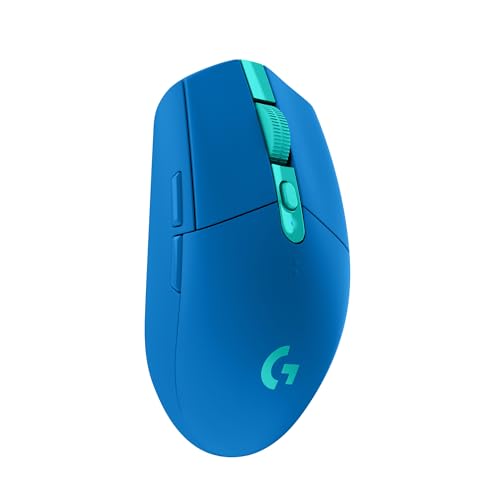
Compare wired, wireless and ergonomic blue gaming mouse types by sensor, weight, grip and battery life, and learn how to match the blue shade to your setup.
Choosing a best blue gaming mouse sounds simple until you see how many shapes and connection types share the same color. A navy shell can hide a light esports model or a tall ergonomic shape, and each suits a different hand.
This guide compares blue gaming mice by type instead of by brand, so you settle fit and performance first and shade second. Start with the comparison table below, then narrow your choice below it.
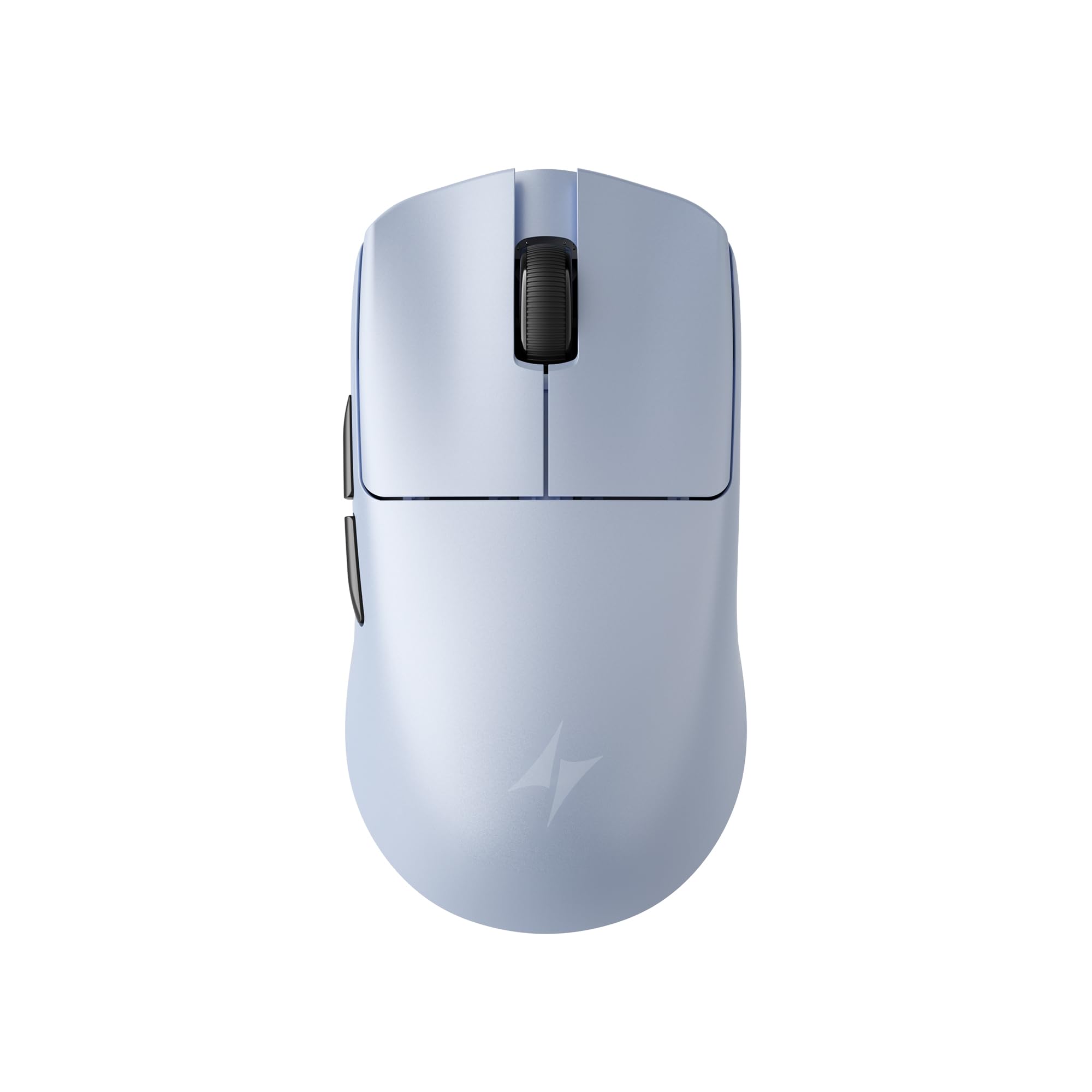
Types of Blue Gaming Mice Compared
The label best blue gaming mouse covers several designs that share a color, so comparing types beats comparing shades. Start with connection and shape, then check the sensor inside.
Wired Blue Models for Simple, Steady Play
Wired blue models plug in once and never need charging, which suits a fixed desk well. Their sensors track just as accurately as wireless ones, with no meaningful delay for most players. Look for a soft, flexible cable, since a stiff cable can pull against small aim corrections. Wired models also cost less at the same sensor level and weigh less, because they carry no battery.
Wireless Blue Models for a Clean Desk
Wireless blue models free your aim from cable drag and keep a blue setup looking tidy on camera. A 2.4GHz receiver gives the lowest wireless latency for fast paced games. Bluetooth pairs easily with a laptop for travel and slower titles. The trade off is routine charging over USB C, a slightly higher price, and battery care.
Ergonomic Blue Models for Longer Sessions
Ergonomic blue models use a taller, sculpted shell that supports the palm and relaxes the hand angle. That shape helps players who feel wrist or finger strain during long sessions. It also gives palm grip users a stable base for broad, sweeping movements. The cost is slower lifts, since a tall shell is harder to reposition than a low one.
Who Should Buy a Blue Gaming Mouse
Blue is the modifier in this search, so buyer groups are defined by what the color must do on their desk. Each group weighs shade, finish and shape differently.
Players Building a Blue Themed Setup
If your keyboard, headset and case lighting already lean blue, a matching mouse makes the desk look deliberate. Check the exact shade first, since royal blue, navy and pale ice blue read very differently under room light. A matte shell blends calmly, while a glossy shell looks brighter but shows fingerprints.
Streamers and Players on Camera
Players on camera need a blue that reads clearly on screen without fading into a dark desk mat. A medium blue with a matte finish holds its color best under bright lights. Strong RGB glow from the mouse can shift a navy shell toward purple on some webcams, so check your camera view early.
Everyday Players Who Want One Calm Color
Some players prefer blue to black or white and want a mouse that fits a shared family or work desk. For them, comfort and a quiet click matter more than an exact shade match. A mid size ergonomic shape in muted blue is often the safest pick, and blue hides dust better than white.
Key Features to Compare
Once the type fits your desk, compare the parts that decide how the mouse performs minute to minute. Let your grip and your games settle each factor.
Sensor Accuracy and DPI Range
The sensor reads the surface under the mouse and turns hand movement into cursor movement, so clean tracking matters more than a huge headline number. DPI sets how far the cursor travels per inch of hand movement. Most players settle between 400 and 3200, using lower settings for precise aim and higher ones for quick turns on a small desk. A good sensor tracks smoothly with no jumps at speed. Set DPI in the software once, then adjust sensitivity inside each game.
Polling Rate and Connection Latency
Polling rate is how often the mouse reports its position, and 1000 Hz is the common gaming standard. Higher rates can feel slightly smoother on a high refresh monitor, but the gain is small for most players. Wireless battery life also drops at the top rate, so balance speed against charging. Connection shapes response more, since wired links and 2.4GHz receivers answer quickly, while Bluetooth adds a small delay. Pick the connection for your games first.
Shape, Grip Style and Hand Size
Shape decides comfort more than any other factor, so measure your hand and note your grip before you shop. Palm grip users rest the whole hand on the shell and like a longer, taller body. Claw grip users arch their fingers and prefer a shorter shell with a clear hump under the palm. Fingertip users steer with their fingers alone and choose the smallest shapes. For shape basics across colors, see our guide to the best mouse for gaming.
Weight, Glide Feet and the Playing Surface
Weight changes how quickly you can start and stop the mouse. Many players favor models under about 80 grams for shooters, while others like extra weight for steady tracking in slower games. Smooth glide feet, often made of PTFE, give even resistance across the pad. Worn feet can make aim feel rough long before the sensor causes trouble. If your surface catches or feels uneven, see our guide to the best gaming mouse mat.
Switch Feel, Extra Buttons and Durability
Switches sit under the main buttons and set how crisp each click feels during play. Optical switches use light to register a click and can reduce wear over time, while mechanical switches give a sharper, more familiar snap. Check the rated click life as a rough durability guide before you buy. Extra side buttons help in games with many commands, but each one is another button to hit by mistake. Two well placed side buttons cover most players well.
Choosing a Blue Mouse for Specific Needs
A blue mouse rarely sits alone, so this section covers pairing and value. A blue finish sometimes costs more than the same mouse in black.
Best Blue Gaming Keyboard and Mouse: Which Type Works Best
When you shop for the best blue gaming keyboard and mouse as a pair, match shades in daylight photos, since screens shift blue tones. Decide if you want one shared app for lighting and button settings, because a matched brand pair syncs glow colors more easily. On the keyboard side, PBT keycaps keep color and texture longer than basic caps. Also check ports, since two wireless devices may need two receivers.
Getting Blue on a Budget Without Losing Performance
A blue finish should not force a weaker sensor, so compare the blue version with the standard color of the same model first. Wired blue models are often the value choice, at about $30 to $60. If the budget is tight, see our guide to the best inexpensive gaming mouse and filter those shapes by color.
Common Mistakes to Avoid
- Choosing by shade alone, so the shape fights your grip and your aim suffers in every game.
- Chasing the highest DPI number, so the cursor moves too fast to control at your usual settings.
- Buying a wireless model with no charging habit, so the battery dies mid match.
- Picking a glossy blue shell for a bright desk, so fingerprints and glare distract you while you play.
- Ignoring the mouse pad surface, so a good sensor tracks unevenly and feels less accurate than it is.
- Adding side buttons you never map, so accidental presses trigger the wrong command.
Care and Maintenance for a Blue Gaming Mouse
Wipe the shell weekly with a soft, slightly damp cloth and dry it fully. Avoid harsh cleaners, which can dull a matte finish or yellow pale blue plastic over time. Keep the mouse out of long direct sunlight, since steady sun can fade one side faster.
Clean the sensor lens gently with a dry cotton swab, and clear hair from around the glide feet. Update firmware through the companion app when a fix is offered, and charge wireless models before they run fully flat. For shared surfaces, see our guide to the best gaming mouse and pad.
FAQ
Does a blue gaming mouse work with Mac and game consoles?
Yes, a blue gaming mouse works with Mac and most consoles for basic pointing and clicking, since color changes nothing about compatibility. The limits sit in the extras, because remapping software is often built for Windows first. Some consoles also accept a mouse only in certain games or menus. Save settings to onboard memory on a PC first, so your layout travels with the mouse.
What DPI should I set on a blue gaming mouse for shooters?
Most shooter players should start a blue gaming mouse between 400 and 1600 DPI. That range gives fine control for small corrections while still allowing a full turn with a wide sweep. Desk space is the point many players miss, since low DPI needs a wide pad. If you keep lifting the mouse mid turn, raise the DPI one step.
Is a wired or wireless blue gaming mouse better for gaming?
Neither is automatically better, since wired wins on price and zero charging, while wireless wins on freedom of movement. For most players, desk routine decides more than raw speed, because modern 2.4GHz links feel prompt in fast games. Travel can settle it too, since Bluetooth serves a laptop on the road. A wired model never risks a flat battery at an event.
How do I keep a blue gaming mouse shade matching my keyboard?
Start by comparing both devices under plain white light, since warm bulbs can make one blue look greener and the other deeper. Finish matters as much as hue, because a matte keyboard beside a glossy mouse looks mismatched in the same shade family. If an exact match fails, choose two blues a clear step apart, like navy beside pale blue, so the contrast looks planned.
Final Thoughts
Settle the type first, wired for simplicity, wireless for freedom, or ergonomic for support. Then confirm sensor, shape and switch feel against your grip and games, and let shade be the final check. When those pieces line up, the best blue gaming mouse for you is the one you stop noticing. Compare your shortlist against the product table above before you order.


