Best Bath Towels: How to Choose Quality That Lasts
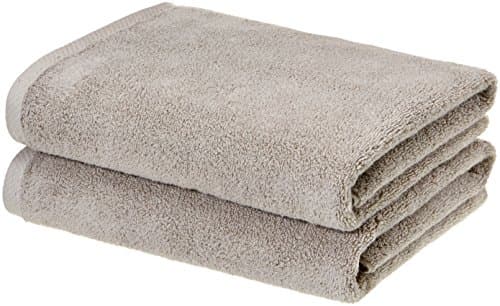
Pulling a towel off the rack that feels rough, damp, or thinner than it used to be is one of the most annoying small frustrations in a bathroom. If you are shopping for the best bath towels, the sheer number of options, from bargain multipacks to spa-style sets, makes it hard to know what actually separates a towel that lasts for years from one that goes flat and scratchy after a season. This guide breaks down the material and construction details that matter, explains why towels lose their softness over time, and shows you what different price tiers really buy you.
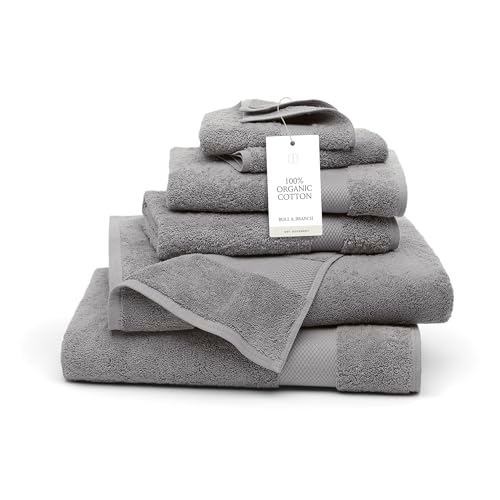

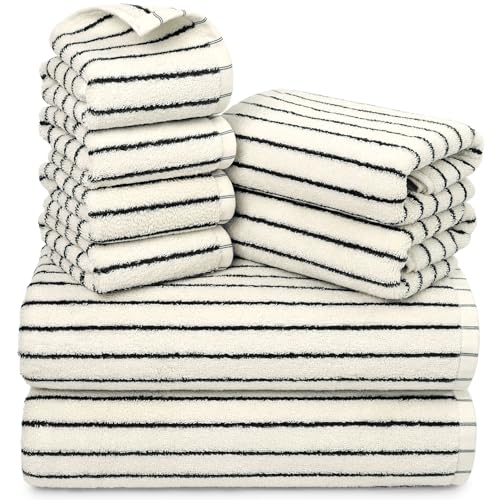
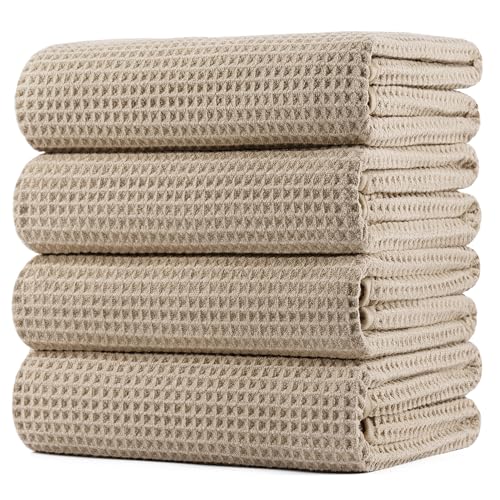
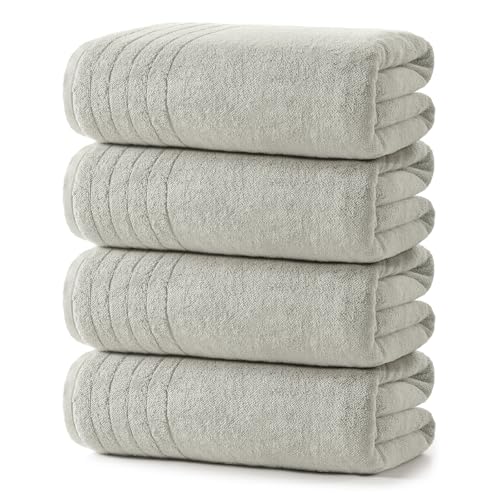
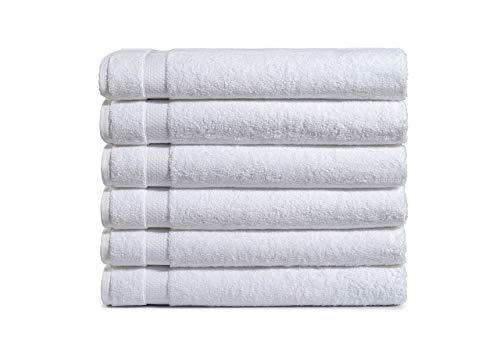
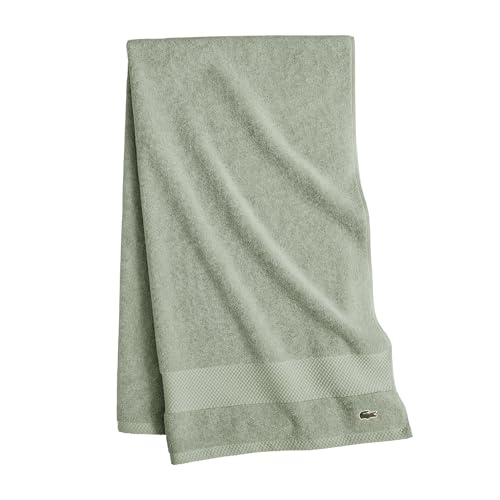
What Really Determines Towel Quality
Before you compare any towels, it helps to know which specs actually predict how a towel will feel and perform once it is home and in regular use. What separates the best bath towels from the disappointing ones almost always comes down to three factors: the cotton, the weight, and the weave.
Cotton Type: Turkish, Egyptian, and Everything Else
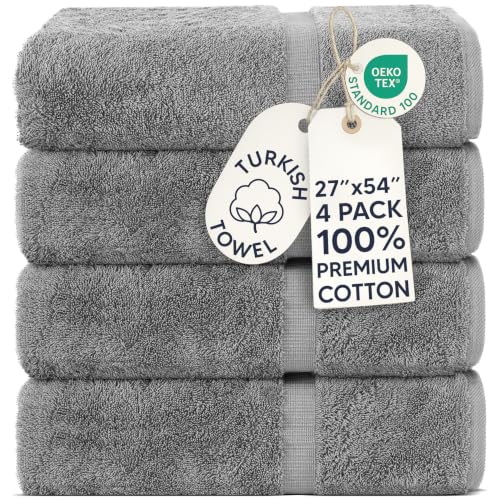
Most quality towels are made from long-staple cotton, and the fiber length is what makes the biggest difference in softness and durability. Egyptian cotton uses some of the longest fibers available, which produces a towel that is strong, absorbent, and resistant to pilling over time. Turkish cotton comes from slightly shorter but still long fibers, giving it a lighter, quicker-drying feel that many people prefer for everyday use. Ring-spun or combed cotton processing also matters here, since it removes shorter fibers and tightens the yarn, which reduces lint and makes the towel feel smoother against skin. Cheaper towels often use short-staple cotton or cotton blended with polyester, and while that keeps the price down, it usually means less absorbency and a rougher texture after a few washes.
GSM and Weight: Why Heavier Isn't Always Better
GSM, or grams per square meter, measures how dense the fabric is, and it is the number most shoppers rely on to judge quality at a glance. Towels under 400 GSM tend to be thin and dry quickly, which works well for gyms or guest bathrooms but can feel underwhelming for daily use. A range of roughly 500 to 600 GSM is the sweet spot for most households, since it offers noticeable plushness and strong absorbency without taking hours to air dry. Anything above 700 GSM feels luxurious and hotel-like, but the density that makes it so absorbent also makes it slower to dry between uses, which can be a real drawback in a humid bathroom. When you're evaluating bath towels for your own home, match the GSM to how quickly your bathroom actually dries towels, not just to what feels heaviest in your hands.
Weave and Pile: What Makes a Towel Feel Plush
The weave determines how the loops of terry cloth are constructed, and it affects both feel and function. A dense, even pile with tightly looped fibers absorbs water quickly and holds its shape wash after wash. Loosely woven towels may feel soft in the store, but the loops tend to snag, pull, and flatten out much faster once they go through a washer and dryer regularly. Look for a tight, uniform weave with a substantial border hem, since a reinforced edge is one of the first places a lower-quality towel starts to fray. This is one of the details that separates the best bath towels from ones that look nice on a shelf but don't hold up at home.
Why Towels Go Stiff, Smelly, or Less Absorbent Over Time
Even the best bath towels can start to disappoint if they're washed and dried the wrong way. Most of the complaints people have about towels going stiff, losing absorbency, or developing a lingering smell trace back to laundry habits rather than the towel itself. Fixing these habits usually does more for towel performance than buying a more expensive set. Some households also add a wall-mounted heated towel rack to help towels dry faster between washes, which cuts down on several of the problems below before they start.
The Fabric Softener Trap
Liquid fabric softener feels like an obvious way to keep towels soft, but it works by coating the fibers with a waxy residue. That coating is exactly what makes towels feel less absorbent over time, since it blocks the cotton loops from pulling water away from skin the way they are designed to. If you want a softer feel without sacrificing performance, a small amount of white vinegar in the rinse cycle every few washes does a better job of breaking down mineral buildup than softener does.
Overloading the Washer and Using Too Much Heat
Cramming too many towels into one load prevents them from rinsing cleanly, which leaves detergent residue trapped in the fibers and makes them feel stiff once dry. Washing in water that is hotter than necessary, or running the dryer on high heat every single time, also breaks down cotton fibers faster and shortens the towel's lifespan. Warm water and a moderate dryer setting, followed by a quick shake before folding, keep the loops fluffed up and extend how long a towel stays soft.
Preventing Musty Smells Between Washes
A musty smell usually means bacteria have had time to grow in a damp towel, which happens when towels are folded or hung in a way that traps moisture against the fabric. Hanging towels fully spread out, rather than doubled over a single hook, lets air reach more of the surface and cuts drying time significantly. In bathrooms that run humid year-round, an appropriately sized dehumidifier can make a noticeable difference in how quickly towels dry and how long they stay fresh between washes.
What Your Budget Actually Buys
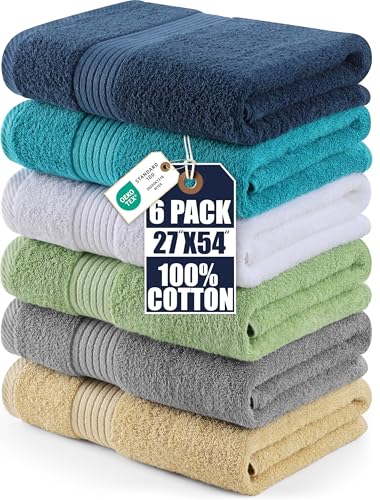
Price tiers among the best bath towels roughly track the quality factors above, though there is a point of diminishing returns. Budget towels, usually blended cotton with a lower GSM, are fine for guest bathrooms or households that go through towels quickly, but they tend to thin out and lose absorbency within a year or two of regular washing. Mid-range towels made from ring-spun or combed cotton in the 500 to 600 GSM range typically offer the best balance of comfort, absorbency, and longevity for everyday household use. Premium towels, often certified Egyptian cotton with certifications like Oeko-Tex Standard 100 or GOTS, cost noticeably more but hold their softness and shape through hundreds of wash cycles, which can make them worth it for towels used daily. If you're refreshing an entire bathroom rather than just the towels, coordinating your purchase with items like bathroom rugs at a similar quality tier tends to give a more consistent, put-together feel than mixing budget and premium pieces.
Frequently Asked Questions
What GSM is best for bath towels?
Most households do well with towels in the 500 to 600 GSM range, since this offers strong absorbency and a plush feel without taking too long to dry. When people ask what makes the best bath towels, GSM is usually the first spec worth checking, though lighter towels under 400 GSM dry faster and suit gyms or guest use, while anything over 700 GSM feels more luxurious but dries more slowly.
Is Egyptian cotton or Turkish cotton better for towels?
Egyptian cotton generally produces a slightly more durable, plush towel thanks to its longer fibers, while Turkish cotton tends to be lighter and dries faster. Among the best bath towels on the market, both fiber types show up often, so the right choice depends on whether you prioritize plushness or quick drying.
How often should you replace bath towels?
Most bath towels last two to three years with regular use before they start losing absorbency and softness, though well-made towels can stretch closer to five years with proper care. A towel that no longer soaks up water quickly is a clear sign it is due for replacement.
How often should you wash bath towels?
A bath towel that fully dries between uses can typically go three to four uses before washing. If your bathroom is humid or the towel stays damp, washing after every one or two uses helps prevent bacteria and odor from building up.
Why do bath towels lose absorbency over time?
Absorbency loss is usually caused by residue buildup from fabric softener, detergent, or hard water minerals coating the cotton fibers. This coating blocks water from being pulled into the fibers the way a clean towel would.
Should you use fabric softener on bath towels?
It's best to skip fabric softener on towels, since the coating it leaves behind reduces absorbency over time. A splash of white vinegar in the rinse cycle every few washes is a better way to keep towels feeling soft without hurting performance.
Making the Right Choice for Your Bathroom
Choosing among the best bath towels comes down to matching cotton type, GSM, and weave to how you actually use your bathroom, then protecting that investment with better laundry habits. A well-made towel cared for properly can stay soft and absorbent for years, which makes it worth spending a little more upfront and a little more care at wash time. Keep these criteria in mind and you'll be able to walk into any store or shopping page and know exactly what you're paying for.