Best Bleach for Towels of 2026: Complete Buying Guide
Disclosure: We may earn a commission when you buy through links on this page, at no extra cost to you. As an Amazon Associate I earn from qualifying purchases. Learn more

Chlorine versus oxygen bleach for white and colored towels, with safe dosing and care tips.
White towels that have gone gray, and colored towels that smell stale even after washing, are usually a laundry chemistry problem rather than a towel problem. The best bleach for towels in your laundry room depends on towel color, fiber, and what you are trying to fix, whitening, stain removal, or odor control.
This guide explains the two main bleach families, how to dose each one safely, and when bleach is the wrong tool entirely. Use the comparison table below to see the main types, then match them to the towels you actually own.




Bleach Profiles at a Glance
Match one of the three bleach profiles below to your towel colors and your experience level, and choose a label that states its fabric limits clearly.
Chlorine Bleach
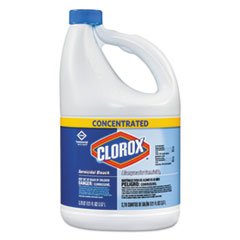
The right profile for most homes with white cotton towels is a standard chlorine bleach used at the label dose in a well diluted wash. It whitens, disinfects, and removes the gray cast that detergent alone leaves behind, usually for a low cost per load. Its limits are firm ones, since it will fade colors, weaken fibers if overused, and must never be mixed with ammonia or acidic cleaners. If your towel load is mostly white cotton, this profile gives the most visible result for the least money.
Oxygen Bleach Powder
Oxygen based bleach powder, which costs a little more per load but works on both whites and most colors. It brightens without the fading risk of chlorine, helps lift organic stains, and doubles as a soak for towels that have lost absorbency. Powder formats store well and let you measure small amounts for small loads, so little is wasted. For mixed color laundry rooms, one oxygen product often replaces two or three specialty bottles, which is where the real saving sits.
Color Safe Oxygen Bleach for Beginners
A color safe oxygen bleach with simple scoop dosing and clear fabric guidance on the label. It is forgiving if you measure a little too much, safe for the colored towels that fill most bathrooms, and usable as both a wash additive and a pre soak. You give up the strong whitening and disinfecting power of chlorine, so keep expectations set on brightening and freshness rather than restoring very gray whites. It is the right first purchase while you learn your machine and your water.
How to Choose the Best Bleach for Towels
Features That Matter for Towels
Towels place special demands on bleach because they are thick, absorbent, and used against skin daily. The product must penetrate dense cotton loops, rinse out fully, and avoid leaving residue that makes towels stiff or less absorbent. Check that the label lists laundry use for cotton and gives a dose by load size. If you are focused on whites only, our guide to the best bleach for white towels goes deeper on whitening strength and fabric limits for that specific job.
Material and Construction
Towel fiber decides which bleach is safe. White cotton, including Turkish and Egyptian cotton, tolerates diluted chlorine bleach at label strength, while colored cotton, bamboo, and microfiber towels should get oxygen bleach only. GSM, the weight measure of towel fabric, matters indirectly, because heavy towels above about 600 GSM hold more water and need a full rinse to clear bleach residue. Delicate trims and decorative borders can fade or weaken even when the main towel body is sturdy, so check a hidden corner first.
Comfort and Feel
Bleach affects how towels feel as much as how they look. Correct dosing keeps cotton loops soft and absorbent, while repeated overdosing breaks fibers down, so towels turn thin, rough, and less able to dry you. Residue is the other enemy, because detergent and bleach buildup coats the loops and blocks water uptake. If your towels already feel waxy, run a hot wash with no detergent and a cup of white vinegar in the rinse, as a separate load and never mixed into a bleach cycle, to strip buildup before you judge softness.
Style and Color Options
Types of Bleach
Eco Friendly Options
Eco friendly options are usually oxygen based powders that break down into water, oxygen, and soda ash after use. They suit colored towels, households with septic systems where the label allows it, and anyone avoiding chlorine odor. Their limits are speed and strength, because they need warm water and time to work well, and they will not disinfect like chlorine. For routine freshness and brightening with a lower impact profile, this is the category most laundry rooms can rely on weekly.
Premium Formats
Premium bleach products sell convenience and gentleness rather than raw power. Expect pre measured formats, formulas tuned for colors, and additives that target odor in athletic towels. They can be worth it for delicate or expensive towels, where one faded or weakened set costs far more than the price gap between products.
They are not worth it for plain white cotton loads, where a basic chlorine or oxygen product at the correct dose does the same job. Read the active ingredient first, since premium packaging sometimes hides a standard formula.
Compact Formats
Space saving formats include concentrated powders, tablets, and small bottles designed for apartments and shared laundry rooms. A compact powder box often holds as many loads as a large liquid jug and stores on a shelf without leak risk. The trade off is measuring discipline, because concentrates punish careless scooping with overdosed loads. If storage is your main constraint, powder oxygen bleach is usually the most flexible single product to keep, and households that bleach often may also want towels built for it, such as the best bleach resistant towels made for salon and spa use.
Setup and Care Tips
- Wash new towels before first use to remove factory coatings, and keep bleach out of that first wash so you can see the true color and absorbency baseline.
- Skip fabric softener on towels, because it coats cotton loops, reduces absorbency, and traps the odors you are using bleach to remove.
- Always dilute and dose by the label, add bleach through the machine dispenser where one exists, and never pour concentrated bleach directly onto dry towels.
- Keep bleach safety basics firm: ventilate the laundry area, wear gloves for soaking jobs, store bottles away from children, and never mix chlorine bleach with ammonia, vinegar, or other cleaners.
- Dry towels fully before folding or hanging them away, since damp storage creates mildew odor that no bleach cycle fully fixes later.
- Rotate two sets of towels so each set rests between uses, which spreads bleach exposure and washing wear across more fabric.
Frequently Asked Questions
What features matter most in bleach for towels?
The features that matter most are the active ingredient, clear fabric guidance, and dose control for your machine type. Chlorine gives whitening and disinfecting for white cotton, while oxygen bleach gives safer brightening for colors and mixed loads. A label that states load size dosing and water temperature needs saves guesswork. Pair the right product with good base towels, and if you are shopping for replacements, our guide to the best quality towels explains the cotton and GSM choices that hold up best to regular washing.
Are luxury bleach options worth it?
Luxury bleach options are worth it only when they protect something valuable, such as expensive colored towels, or add a format you will dose correctly every time. The cleaning chemistry inside is often similar to standard products, so you are paying for convenience, gentler tuning, and packaging. For plain white cotton towels washed weekly, a standard product at the label dose gives the same visible result. Spend the difference on better towels instead, and keep one basic bleach that suits them.
What GSM is best for towels?
For most bathrooms, towels around 400 to 600 GSM balance absorbency, drying time, and durability under regular washing. Lighter towels dry fast and suit gyms and warm climates, while towels above 600 GSM feel plush but hold more water, dry slowly, and need thorough rinsing after any bleach cycle. Very heavy towels in a humid bathroom can develop odor between washes, which creates more bleach work. Choose GSM by climate and laundry rhythm, not by the idea that heavier always means better.
How do I keep towels fresh longer?
Hang each towel fully open after use so air reaches both sides, and wash towels every three to four uses rather than letting them sit damp in a hamper. Use the correct detergent dose, because excess detergent builds up and holds odor in the loops. Run an occasional oxygen soak for colored towels or a label dose chlorine wash for whites when freshness fades. A dry, ventilated bathroom does as much for freshness as any product on the shelf.
How often should I replace bleach and towels?
Replace opened chlorine bleach after about six months, because its strength fades and your dosing stops being predictable, while sealed powder oxygen products keep well for much longer in a dry place. Towels usually need replacing after two to three years of regular use, or sooner when they stay rough, thin, or stale smelling after a proper wash and strip cycle. When towels reach that point, extra bleach only damages the fibers faster, so replacement is the honest fix.
Wrapping Up
Match the bleach family to your towel colors first, then dose by the label and protect the fibers with full rinses and complete drying. Chlorine serves white cotton, oxygen bleach serves almost everything else, and good towels need less chemical help than tired ones. Look back at the product table above and choose the best bleach for towels that fits your laundry room, your machine, and the towels you own today.