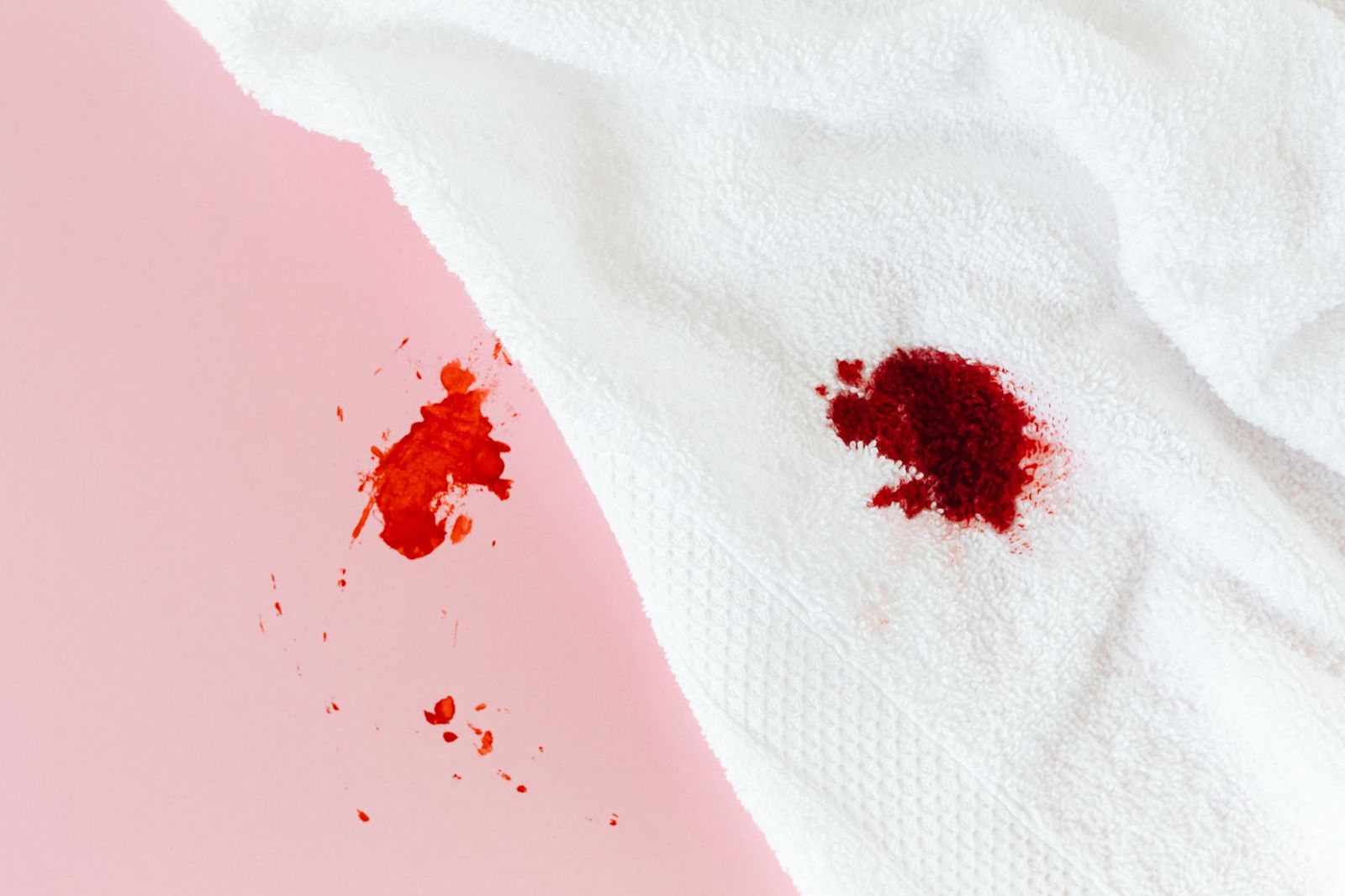
Best Bleach Resistant Towels in 2026: Complete Buying Guide
Disclosure: We may earn a commission when you buy through links on this page, at no extra cost to you. As an Amazon Associate I earn from qualifying purchases. Learn more

Compare bleach resistant towels by fiber, GSM, weave and color care, with sizing help and washing tips to choose a set that stays bright at home.
Regular towels can fade in patches, turn yellow or lose color after repeated washing with bleach. The best bleach resistant towels keep their shade and strength through that routine, so you can sanitize without ruining the set. This guide explains fiber, weight and color methods so you can read the comparison table below with clear priorities.
Start with how you use bleach. A salon that bleaches daily needs stronger color protection than a home that bleaches once a month. Your habits and color preference will point you toward the right weight and size.


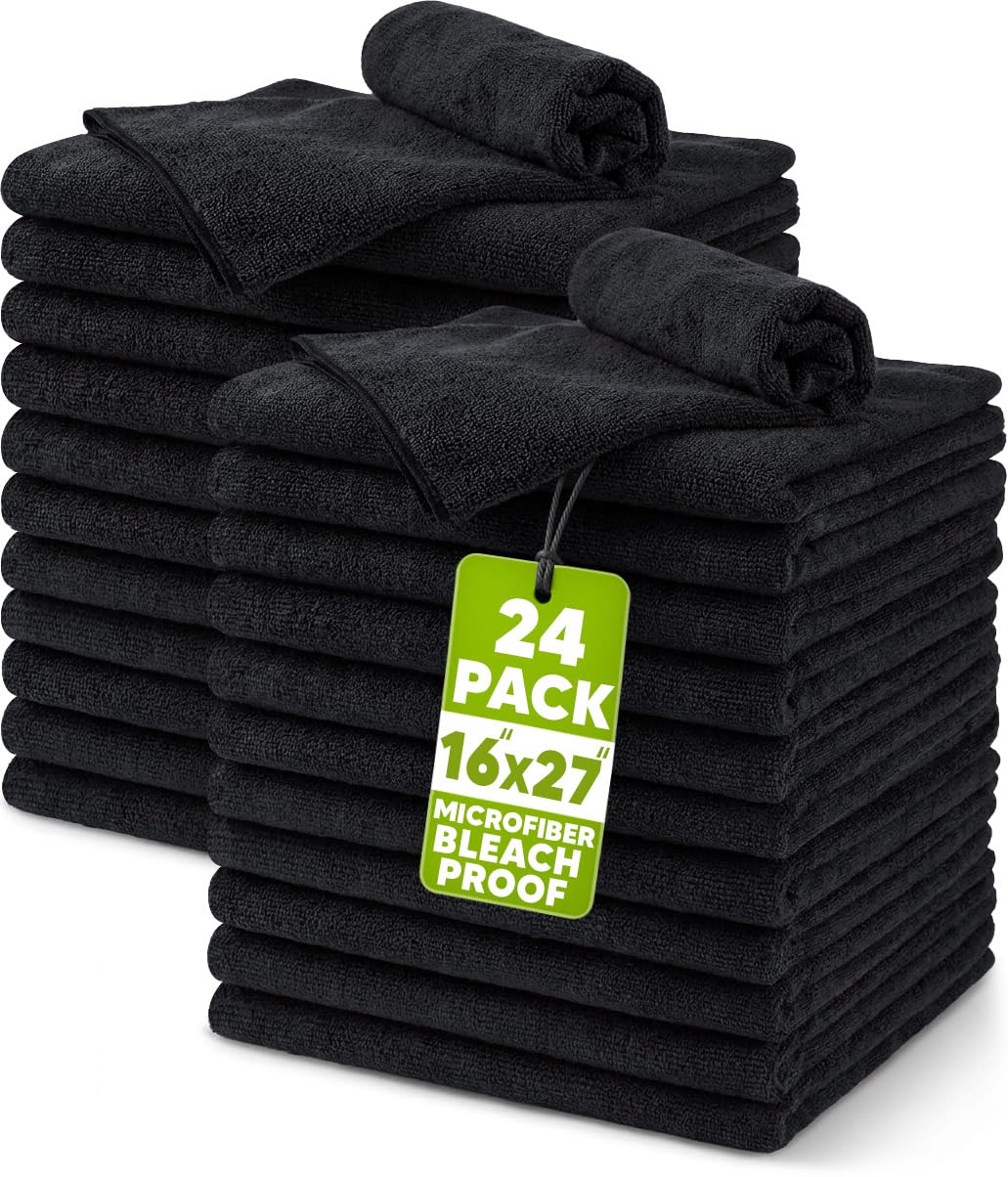


Who Should Buy Bleach Resistant Towels?
Choose by the job the towels do each week. Frequent bleaching and shared bathrooms change which towel will serve you best.
Salon, Spa and Barber Teams
You wash towels daily and need them to look clean in front of clients. Choose colored towels with color locked into the fiber, because hair color and oils can spot ordinary dyed cotton. Buy hand towels and washcloths in larger counts, keep a separate color for each station, and expect to pay about $30 to $70 for a work set.
Hotel, Rental and Guest Bath Hosts
You need a uniform look after many washes by different people. White towels suit you well, because white cotton tolerates careful bleaching without showing uneven fading. Pick a midweight towel that dries fast between guests and keep spare sets ready. Consistency matters more than plush thickness when you replace one piece later.
Home Users Who Sanitize Towels Often
You may bleach after illness, gym use or a house full of kids and pets. Choose towels that balance softness with color protection, so daily drying still feels pleasant. A family set with bath towels, hand towels and washcloths often costs about $40 to $90. Reserve the resistant set for heavy cleaning weeks if you bleach only the white load.
Key Features to Compare
Compare these factors in order, because color method and fiber decide whether a towel keeps its look at all. The best bleach resistant towels pair that protection with the right weight and weave, rather than relying on thickness alone.
How Color Is Locked Into the Fiber
Color protection comes from how dye is applied. Solution dyed fibers carry color through the whole strand, so bleach has less surface pigment to strip. Vat dyed cotton is soaked longer and holds color better than basic surface dye.
White towels have no color to lose, but the cotton must still tolerate bleach without thinning. Check whether the maker states resistance to chlorine bleach, oxygen bleach or both.
Fiber and Blend
Long staple cotton, including Turkish cotton, gives soft loops and strong absorbency for towels used on skin daily. Cotton blended with polyester dries faster and resists wear, though a high synthetic share feels less plush. Microfiber suits cleaning and salon tasks where fast drying matters most. For body towels, most buyers prefer mostly cotton.
Weight in GSM and Absorbency
GSM means grams per square meter and tells you how dense a towel feels. Towels at 300 to 450 GSM feel light, dry fast and suit gym bags. Towels at 450 to 600 GSM offer the balance most homes want, with solid absorbency and reasonable drying time.
Towels above 600 GSM feel plush but take longer to dry and cost more. Match GSM to your laundry pace, not only to the feel in the store.
Weave, Loops and Drying Speed
Loop length and density shape softness and drying. Long, dense loops pull more water from skin and hair, while shorter loops dry faster and snag less. Ring spun yarn feels smoother and sheds less lint than basic open end yarn.
A tight base weave helps the towel keep its shape after repeated washing. If your bathroom stays humid, favor a midweight weave over the thickest option.
Size and Set Makeup
A standard bath towel is about 27 by 54 inches, while a bath sheet is about 35 by 60 inches or larger and wraps taller bodies with room to spare. Hand towels are usually about 16 by 28 inches and washcloths about 13 by 13 inches. Count how many of each piece you use between washes before you buy. If you need fuller coverage, see our guide to the best bleach resistant bath towels for size focused advice.
Edges, Stitching and Lasting Strength
Edges fail first on hard working towels. Look for double stitched hems that lie flat, because loose stitching unravels quickly with frequent washing. A dobby border can add structure near the ends, though the main test is even stitching with no gaps.
Hold the towel to the light and check for thin patches. Strong edges matter most for salon and rental towels, where one frayed piece makes the set look tired.
Types of Bleach Resistant Towels Compared
Most sets fall into three groups. Your choice depends on storage space and drying time.
Compact Sets for Small Bathrooms and Gym Bags
Compact sets use lighter GSM cotton or microfiber blends that fold small and dry fast on a single hook. They suit apartments, gym bags and travel, where closet space is tight. The tradeoff is a thinner feel after a shower. Choose this type if you wash often and value quick turnover more than plush comfort.
Plush Premium Sets for Guest Baths
Premium sets use higher GSM Turkish cotton and longer loops for a softer, heavier feel. They suit guest baths where comfort leads. Expect higher prices, often about $80 to $150 for a full set. Give them enough drying time, because thick loops that stay damp can develop a stale smell.
Everyday Value Sets for Family Use
Value sets focus on midweight cotton, simple colors and larger piece counts at a fair price. They suit families who need many towels in rotation. You give up some softness compared with premium sets, but daily care is easier. White value sets are practical when you bleach weekly.
Common Mistakes to Avoid
These errors shorten towel life and undo color protection.
- Assuming every colored towel resists chlorine bleach leads to patchy fading when the maker only rated it for oxygen bleach.
- Choosing the highest GSM for a humid bathroom leaves towels damp for hours and invites a musty smell.
- Using fabric softener on every wash coats the loops and leaves towels less absorbent.
- Buying a set without counting hand towels and washcloths leaves you short between laundry days.
- Washing dark salon towels with white towels risks lint transfer and a gray cast on the white set.
- Storing towels before they are fully dry traps moisture and weakens the cotton.
Care and Maintenance for Bleach Resistant Towels
Wash new towels before first use to remove loose lint and finishes that block absorbency. Wash similar colors together, use the detergent amount the label directs, and add bleach only at the strength the maker allows. To compare bleach types for laundry, see our guide to the best bleach for towels and our guide to the best bleach for white towels before you treat a full load.
Skip fabric softener on towels, or use it only rarely, because the coating builds up on loops and reduces absorbency. Dry towels fully after each wash, either in the dryer until thick borders feel dry or on a rack with space between layers. Shake towels before drying to lift the loops, and rotate sets so the same towels are not washed far more often than the rest.
Hang each towel flat on a bar after use so air reaches both sides, and wash gym and salon towels promptly rather than leaving them in a closed bag. If odor is your main problem, see our guide to the best odor resistant towels for options built around that need. An OEKO TEX label can also show the towel was checked for harmful substances.
Frequently Asked Questions
What GSM is best for bleach resistant towels used every day?
For daily home use, 450 to 600 GSM is the best range for most bleach resistant towels. That weight absorbs well and still dries within a normal laundry cycle. If you wash towels for clients all day, stay near the lower end so sets return to service faster. Keep one heavier set aside for guests if you want a plush option.
Can I use chlorine bleach on colored bleach resistant towels?
You can use chlorine bleach on colored bleach resistant towels only when the care label names chlorine bleach as safe. Some towels resist oxygen bleach but still fade with chlorine, so label wording matters more than the product title. Try a hidden corner of one towel first and check the shade in daylight before you bleach the whole set.
How do I keep bleach resistant towels fresh for longer?
You keep bleach resistant towels fresh for longer by drying them completely after every use and every wash. A towel left bunched on a hook stays wet in the center, and that damp core is where stale smells start. Spread the towel wide on a bar and run a bathroom fan after showers.
How often should I replace bleach resistant towels?
Replace bleach resistant towels when absorbency drops, edges fray or color turns uneven despite correct care. For many homes that point arrives after about two to three years, while salon towels washed daily may need replacing sooner. If water beads on the surface instead of soaking in after a wash without softener, the loops are worn beyond recovery.
Are premium bleach resistant towels worth the extra cost?
Premium bleach resistant towels are worth the extra cost when you value softness and will give thick towels time to dry fully. The higher price usually buys longer fibers, denser loops and stronger hems, which help a guest set look even after many washes. If your priority is fast turnover, a midweight value set often gives better use per dollar.
Final Thoughts
Put the color method first, then match fiber and GSM to how fast you need towels back in use. Check sizes, look closely at hems, and follow the bleach type named on the label. Use the product table above to compare weight, sizes and set counts.
Chosen that way, best bleach resistant towels become a simple fit for your routine. Pick the set that matches your laundry pace, and it should stay bright and absorbent wash after wash.