Best Bladeless Fans (2026): Types, Coverage and Buying Guide
Disclosure: We may earn a commission when you buy through links on this page, at no extra cost to you. As an Amazon Associate I earn from qualifying purchases. Learn more

Tower, desk or combination: how to choose the best bladeless fan by coverage, noise level and running cost.
A bladeless fan can look simple, yet models differ a lot in how far the air reaches, how loud the base sounds, and how much floor space the unit takes. Choosing the best bladeless fan means matching airflow and coverage to your room first, then checking noise, controls and upkeep. The comparison table below sums up the main types so you can see those trade offs at a glance.
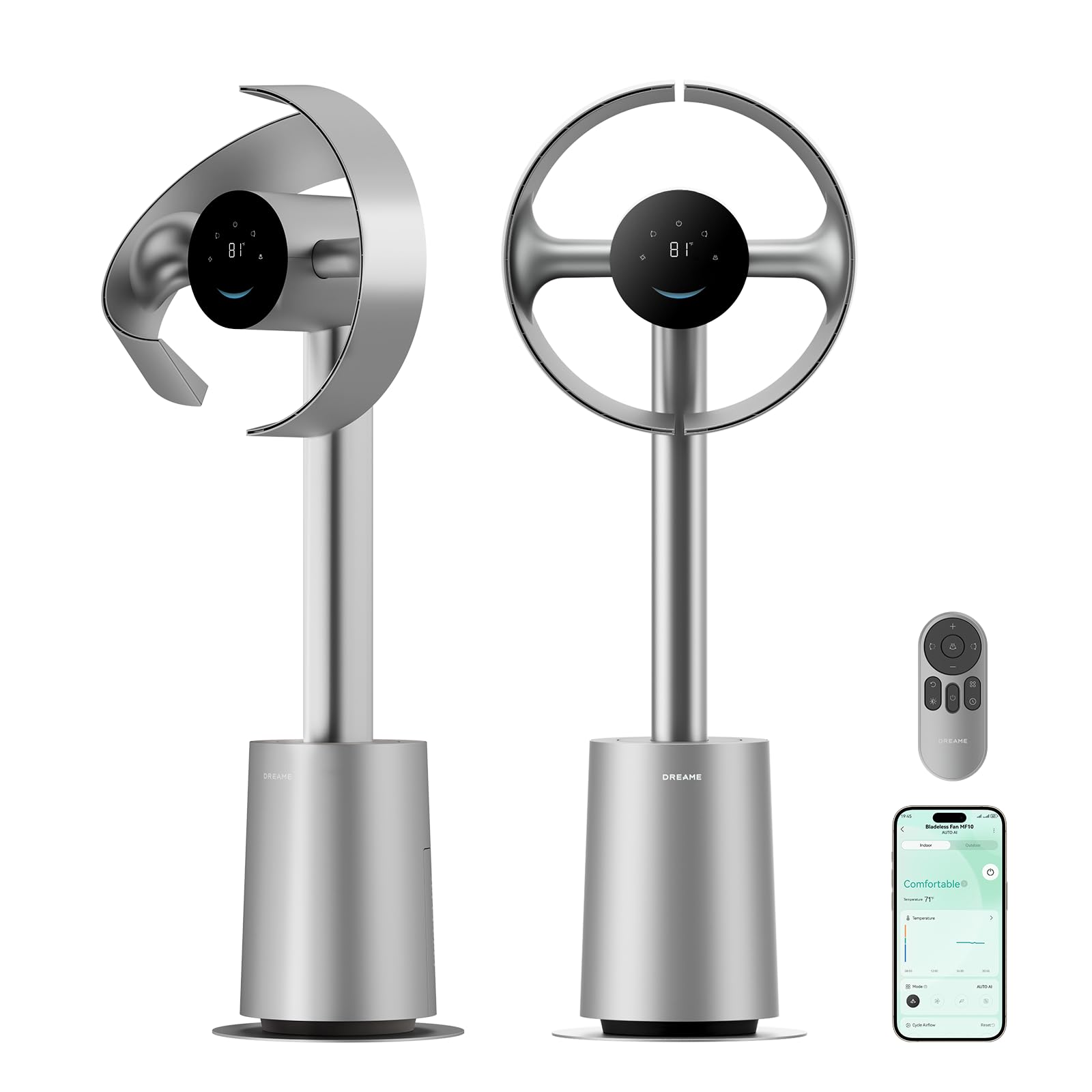
There are no exposed blades spinning in an open cage. Instead, a hidden impeller in the base draws in air and pushes it out through a narrow slot in a ring or tall oval loop. That design shapes every strength and limit covered in this guide.




Bladeless Fan Types at a Glance
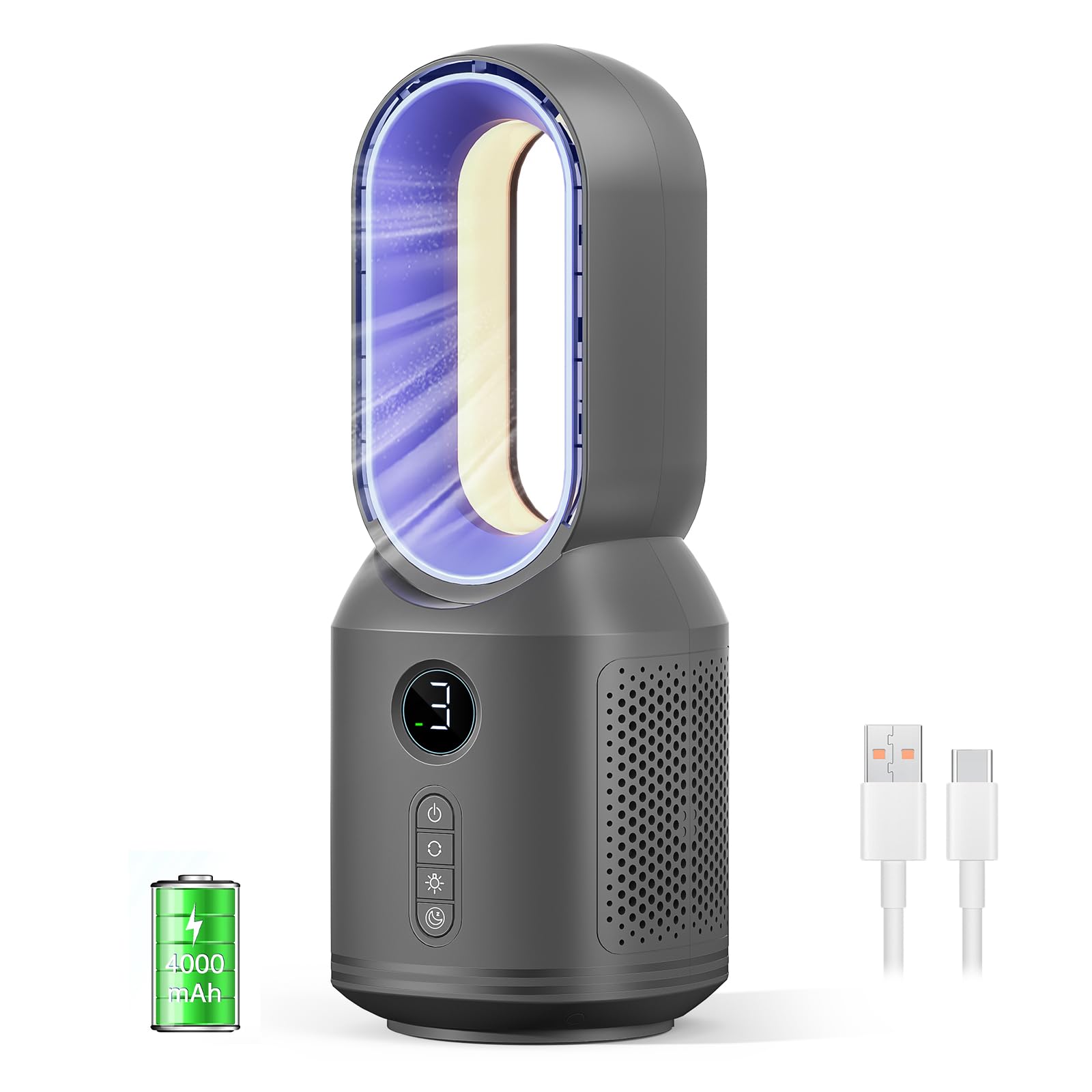
Most models fall into three broad types. Tower style units stand tall and suit living rooms and bedrooms where floor space is tight. Compact desk units sit on a table and move air across a smaller area close to you. Combination units add air cleaning or heating, so one appliance can serve more than one season.
Size alone does not tell you how a unit will feel in use. A tall loop can spread air across a sofa, while a small desk loop may feel stronger when it sits two or three feet away. Think about distance from the fan to where you sit or sleep before you judge any coverage claim.
Three Types of Bladeless Fans Compared
Tower Style Bladeless Fans for Most Rooms
This is the most common type and the usual starting point for a living room or a main bedroom. The tall loop sends air out across a wide arc when oscillation is on, and the narrow base fits beside a sofa or in a corner. Speed ranges are broad, so you can run it gently in the evening or higher during the hottest part of the day. The main trade off is height. A tall unit can wobble on thick carpet and may not fit under low shelving.
Compact Bladeless Fans for Desks and Small Spaces
Compact models trade coverage for closeness. They work well on a desk, a nightstand or a kitchen counter, where the air only needs to reach one person. Many are light enough to move from room to room during the day, and they store easily in a closet. The limit is reach. Air from a small loop fades quickly across a large room, so a compact unit rarely replaces a full size floor fan for group seating.
Combination Bladeless Fans With Extra Functions
Some bladeless units add a filter for dust and pollen, and a smaller number add a heating element for cooler months. Those extras can save space if you would otherwise buy two or three separate appliances. They also raise the price, add filter costs and add cleaning tasks. Buy the combination only when you will use the extra function often. If you only need moving air in summer, a simpler cooling only model usually gives you more airflow for the same money.
How to Evaluate Bladeless Fans
Start with the factors that change daily comfort. Coverage tells you the room size the maker intends the fan for, airflow describes how much air moves, and noise ratings hint at how the unit will sound at each speed. Then look at energy use, filter upkeep if a filter is fitted, and the controls you will actually use.
Treat maker coverage figures as a guide rather than a promise. Room layout, ceiling height and open doors all change how far a stream of air travels. A fan rated for a medium room may feel weak in a long room with the seating at the far end. When two models look close on paper, the one with wider oscillation and more speed steps often feels easier to fine tune in real rooms.
How to Choose the Right Fan
Type
Match the form to the space before you compare features. Tower style bladeless fans suit floors and corners, desk models suit work surfaces, and pedestal, box and window fans belong to the bladed world rather than this category. Oscillation matters more than raw shape for shared rooms, since a sweeping loop covers more seats. If you are also weighing a classic tower design, see our guide to the best tower fan for how those caged models compare in footprint and reach.
Features Worth Paying For
A remote helps when the fan sits across the room or beside a bed, and a timer lets the unit switch off after you fall asleep. Multiple speed steps give finer control than three basic settings, especially at night. A heater or a purifier function is worth paying for only when you need it in that same spot all year. Skip extras such as scent cartridges or complex light displays if they add cost without adding airflow, since none of them makes the room feel cooler.
Room Size and Coverage Ratings
Check the stated coverage in square feet and picture your room shape, not just its area. A square room of about 150 square feet is easier to serve than a long room of the same size, because the air has less distance to cross. Large living rooms often need wide oscillation or a second fan at the other end. Place the unit where the loop has a clear path, away from curtains and tall furniture that block the stream before it reaches you.
Running Cost and Energy Use
Bladeless fans use a motor in the base, and wattage rises with speed and with added heating or cleaning functions. Cooling only models on low or medium speeds cost little to run for an evening, while a heating mode draws far more power. If running cost shapes your choice, read our explainer on how much electricity does a fan use before you buy. Using a timer also helps, since a fan left running in an empty room cools nobody.
Noise Levels for Bedrooms
Bladeless does not mean silent. The impeller in the base makes a steady hum, and higher speeds add a rushing sound from the slot in the loop. Look for a stated noise range and a low speed that is marked for sleep, then place the fan a few feet from the bed so the stream can soften before it reaches you. If light sleep is your main concern, our guide to the best fan for bedroom covers placement and night settings in more depth.
Filters, Tanks and Maintenance
Cooling only bladeless fans have no water tank and usually no filter, so upkeep is light. Purifier combinations are different. Their filters trap dust and need replacing on the maker schedule, and a blocked filter cuts airflow. Wipe the loop with a soft dry cloth, keep the intake vents in the base clear, and follow our steps on how to clean a fan for safe cleaning without forcing dust into the motor housing.
How Much Should You Spend?
Simple compact models often cost under $100, and many full size tower style units fall at about $100 to $250. Combination models with air cleaning or heating can cost over $250 and sometimes much more, plus ongoing filter costs. Spend more only for gains you can name, such as quieter low speeds, wider oscillation or a filter you truly need. A higher price alone does not guarantee stronger airflow, so compare coverage and noise figures within your budget first.
Bladeless vs Other Fans: Pros and Cons
The clearest advantage is safety and cleaning around the loop. There are no fast spinning blades to reach through a grille, and the smooth loop wipes clean in seconds. The steady stream also feels less choppy than the pulsing air from some bladed fans, which many people prefer for reading or watching TV.
The trade offs are price and power. Bladed tower, pedestal and box fans often move more air for less money, and simple parts can be cheaper to replace. An air circulator aims a tight jet of air across a room to stir the whole space, which differs from the broad sheet of air from a bladeless loop. If you are weighing cooling methods for a whole home, our comparison of fan vs air conditioner explains where a fan stops being enough.
Remember that no fan lowers room temperature. Moving air helps your skin shed heat, so the room feels cooler while you are in it. In very hot or humid weather, a bladeless fan works best alongside open windows at night or alongside air conditioning set a few degrees higher than usual.
FAQ
What is the best bladeless fan?
There is no single model that suits every room, so the right answer depends on size, noise needs and extra functions. For most living rooms, a tower style cooling only model with wide oscillation gives the best balance of reach and value. For a desk, a compact loop is enough. Use the product table above to match coverage and noise figures to your space rather than chasing the highest speed rating.
Are bladeless fans worth it?
They are worth it when you value the smooth loop, the clean look and the lack of exposed blades enough to pay more than for a bladed fan of similar strength. They are less worth it when raw airflow per dollar is your only goal. Think of the premium as paying for design, safety around curious hands and easy wiping, not for a colder room.
How long does a bladeless fan last?
A well kept unit often serves for several years of seasonal use, and the motor in the base is usually the part that sets the lifespan. Dust buildup in the intake, constant running at top speed and knocks that crack the loop all shorten it. Storing the fan upright in a dry place during winter, rather than in a damp garage, also helps the electronics last.
Do bladeless fans actually cool the air?
No, a bladeless fan does not chill the air it moves, and it has no refrigerant or cold coil in cooling only form. The cooling effect happens on your skin as moving air speeds up evaporation of moisture. That is why the room feels comfortable while you are present and why running the fan in an empty room only uses power. Models with a heater do the opposite job and warm the air.
How do you clean the intake vents on a bladeless fan?
Unplug the unit, then use a soft brush attachment on a vacuum to lift dust from the small intake holes around the base. Work slowly so you do not bend or block the openings. Compressed air cans can push dust deeper into the housing, so a gentle vacuum pass is the safer habit. Clean the vents at the start of the season and again midway through heavy summer use.
Can a bladeless fan run all night?
Yes, most models can run through the night on a low speed, and a timer gives you a middle option if you only want air for the first part of the night. Keep the base clear of bedding and curtains, and place the cord where nobody will trip on it in the dark. If the hum keeps you awake, move the fan farther from the bed and raise the speed one step to keep the same reach.
Final Thoughts
Choose the type first, then compare coverage, noise and running cost within your budget, and add a filter or heater only when that function earns its place. On that basis, the best bladeless fan for you is the one sized honestly for your room and quiet enough for how you use it. Recheck the choices in the product table above, and if you want a wider view of the category, start with our guide to the best fan for other styles that may fit your space.