Best Black Stainless Refrigerators (2026): Layouts, Size and Finish Care
Disclosure: We may earn a commission when you buy through links on this page, at no extra cost to you. As an Amazon Associate I earn from qualifying purchases. Learn more

How to pick the best black stainless refrigerator: layout, capacity, features and caring for the dark finish.
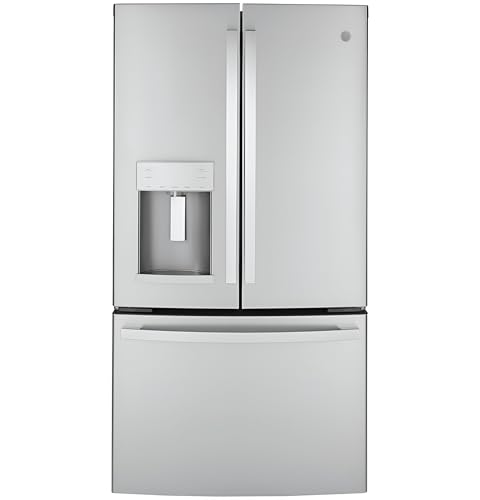
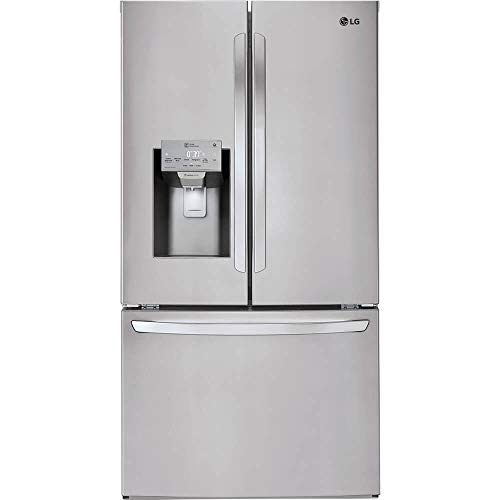
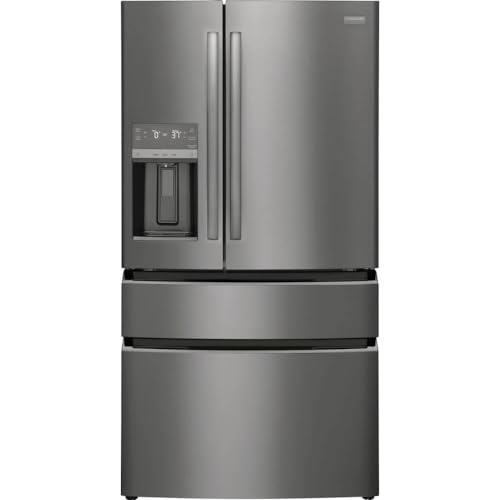
Picture a kitchen where the white cabinets feel bright and clean, yet the old white fridge now looks dull and out of place. A dark finish can anchor the room without the cold shine of plain steel, and that is why many families shop for the best black stainless refrigerator during a remodel. The comparison table below groups the main layouts so you can see which style suits your space.
This guide helps you choose by room size, household size, daily habits, and budget, with plain advice on finish care and running costs. If color is still open, start with our guide to the best refrigerator options across all finishes, then return here once the dark look wins.



Quick Answer: Three Layouts That Cover Most Homes
Black stainless is a finish, not a layout, so your first choice is the shape of the fridge itself. Most homes land on one of three layouts, and each changes how you store fresh and frozen food.
- French door: wide fresh food shelves at eye level and a freezer drawer below, a strong fit for families who cook often.
- Side by side: fridge and freezer columns side by side, with narrow doors and frozen food kept up high.
- Top freezer or bottom freezer: a simpler single door design that costs less and suits couples and small kitchens.
Pick the layout first, then compare sizes and features within it. That order keeps you from falling for a feature list on a fridge that never fits your kitchen.
Before You Buy: A Quick Checklist for Choosing a Refrigerator
Size: Match It to Your Space
Width drives everything, and common widths run about 30 to 36 inches, with slim apartment models near 24 to 28 inches. Capacity follows width, from about 10 cu ft for a small top freezer model to about 28 cu ft for a wide french door model. A household of one or two often does well near 14 to 18 cu ft, while a family of four usually wants 20 cu ft or more. If your kitchen has a tight walkway, look at our guide to the best counter depth refrigerator models, since a shallower cabinet leaves the path clear.
Which Type Fits Your Routine
Think about what you open most during a normal week. Fresh food shoppers love french door and bottom freezer layouts, since produce, dairy, and leftovers sit at waist height or higher. Households that rely on frozen meals and bulk meat may prefer a side by side, where frozen items sit at eye level instead of in a deep drawer. Top freezer models remain the budget friendly workhorse, plain and roomy for their size, though you bend down for fresh food on the lower shelves.
Features Worth It, and Ones to Skip
An in door ice maker and a filtered water dispenser earn their cost in most family homes, and a dual ice maker helps if you host often. A flex zone drawer with its own temperature setting suits households that swing between party trays, deli meat, and extra drinks. Door in door panels give quick access to milk and condiments, yet they add cost and one more seal to clean. Craft ice and smart screens fall into the skip column, since they raise the price and add parts that can fail.
Measurements and Compatibility With Your Setup
Measure the opening width, height, and depth, then measure every door and hallway on the delivery path, since a fridge that fits the kitchen but not the front door helps no one. Leave about an inch of air space behind and above the unit so heat can escape, and check door swing against nearby walls and counters. Confirm that a water line reaches the fridge if you want ice and water service. A standard depth cabinet can project several inches past your counters, so picture that overhang before you order.
Certifications That Matter
Look for an Energy Star label if you want a model that meets federal efficiency targets, since the fridge runs all day and all night. For ice and water models, check that the filter carries NSF ANSI 42 or 53 certification, which covers taste, odor, and certain contaminants in drinking water. Safety listings such as UL or ETL show the appliance passed electrical safety checks.
DIY vs Pro Installation Cost
Most freestanding models need no true installation beyond leveling the cabinet, plugging it in, and connecting a water line. Handy owners can handle that work with a wrench and a bucket for the first flush of water. Built in and column units need precise cabinet work and often a dedicated circuit, and pro installation can add about $300 to $900 to the job.
Realistic Budget Ranges
Compact and top freezer models in this finish often land at about $700 to $1,200, when you can find the finish at that level at all. Mainstream french door and side by side models usually run about $1,400 to $2,600, with counter depth versions near the top of that band. Premium models with smart features and dual ice can reach about $2,600 to $3,800.
Types Compared: Choosing a Black Stainless Refrigerator by Layout
French Door Models for Busy Family Kitchens
This layout leads sales for good reason, since wide shelves swallow party trays, sheet pans, and large pizza boxes that defeat narrower designs. Fresh food sits where you can see it, so fewer items rot in back corners. The freezer drawer takes more bending and digging, and dividers help keep small bags from vanishing. If this shape sounds right, our guide to the best french door refrigerator models walks through size and feature choices in more depth.
Side by Side Models for Narrow Aisles and Frozen Food Fans
Two tall doors open with a short swing, which helps in galley kitchens and homes where an island sits close to the fridge wall. Frozen food shares the eye level shelves, and in door bins on both sides keep daily items easy to grab. The trade off is width, since each column is narrow and a wide tray or a large turkey may not fit. Readers who lean this way can compare layouts in our guide to the best side by side refrigerator range before settling on a size.
Top Freezer and Bottom Freezer Models for Smaller Budgets
A single fresh food door keeps the design simple, the price lower, and the repair list short. Top freezer models put frozen food at a handy height but fresh food low, while bottom freezer models flip that comfort and cost a bit more for drawer hardware. Both styles come in slimmer widths that suit apartments and older homes. In black stainless they can be harder to find than larger layouts, so allow extra shopping time.
How Options Were Compared for This Guide
Options were weighed on fit and compatibility first, then finish quality, storage layout, feature value, certification, warranty terms, and likely cost of ownership. Specs came from manufacturer listings, and owner feedback shaped the notes on doors, drawers, and noise.
What We Like and What We Do Not About Black Stainless
The appeal starts with looks. The dark, muted finish pairs well with white, gray, and wood cabinets, and it hides fingerprints and smudges far better than plain polished steel, which matters in homes with small children. The surface also feels warmer and less industrial, so a large fridge reads as furniture rather than equipment.
The caution is that black stainless is a coating over steel, not solid dark metal. A deep scratch can cut through the coating and show bright metal beneath, and that bright line stands out. Touch up options are limited, and a damaged door panel can cost about $200 to $600 to replace. Plain steel shows every print but shrugs off minor marks, while white hides scratches well and costs less.
Common Buying Mistakes to Avoid
- Measuring only the kitchen opening: a fridge that cannot pass the front door goes back on the truck.
- Forgetting door swing clearance: doors that strike an island cannot open far enough to pull out drawers.
- Buying capacity you cannot fill: an oversized fridge costs more to buy and to run, and empty shelves still get cooled all day.
- Ignoring the water line: ordering ice and water features with no line nearby means paying a plumber before the first cube drops.
- Chasing novelty features: screens and craft ice raise the price and repair risk while doing nothing for core storage.
Cost of Ownership and Care
Running costs stay modest for an appliance that never sleeps. A typical full size model adds about $50 to $100 a year to your electric bill, with older or larger models above that band. Budget for a water filter about every six months, at roughly $40 to $70 each, if your model has ice and water service. Vacuum the coils once or twice a year, wipe the door gaskets so they seal well, and clean spills promptly so odors do not settle into the liner.
Good care stretches service life and protects the finish too. Our guide on how long does a refrigerator last explains warning signs that a unit is near the end, such as constant running and warm spots. Call a repair pro when cooling fails or the compressor sounds strained, since sealed system work is not a home project.
FAQ
Are black stainless refrigerators worth it?
They are worth it if the look anchors your kitchen plans and you accept gentler finish care in return. Storage, cooling, and features match the same layouts in other finishes, so you pay mainly for appearance and smudge control. One catch deserves thought: finish lines change over time, so replacing a matching range or dishwasher years later in the exact same shade may prove hard.
Does black stainless show scratches more than plain stainless steel?
Yes, deep scratches tend to stand out more, since the bright steel under the dark coating shows as a light line. Light scuffs and fingerprints, by contrast, show less than on polished steel. Keep gritty pads and powdered cleaners away from the doors, and lift magnets rather than sliding them. Small marks on handles and edges are the most common complaint from long term owners.
Can you use magnets on a black stainless refrigerator door?
Often yes, though it depends on the steel grade and coating thickness, and some doors hold magnets weakly or not at all. Try one magnet with a soft backing before you cover the door with photos and school notes. Felt backed magnets reduce the risk of fine marks in the coating. If magnets will not hold, a side panel usually works, since cabinet sides often use a more magnetic surface.
How do you clean a black stainless refrigerator without harming the finish?
Use a soft microfiber cloth with warm water and a drop of mild dish soap, wipe with the grain, then dry so no water spots remain. Skip vinegar sprays, bleach, abrasive powders, and scouring pads, since each can dull or strip the coating. Rinse the cloth often, because trapped grit can leave fine lines. For full interior cleaning steps, see our guide on how to clean a refrigerator from shelves to gaskets.
How long does a black stainless refrigerator last?
Expect about 10 to 20 years of service, in line with fridges in other finishes, since the coating affects looks rather than the cooling system. The finish may show wear at handles and door edges well before the compressor gives out. Steady temperatures, clean coils, and prompt repairs push a unit toward the top of that range, while a hot garage placement pulls it down.
Final Thoughts
Start with the layout that fits your routine, size it honestly for your space, and let the dark finish be the reward at the end of a sound choice. The product table above pulls the leading layouts together so you can compare them once more before you order. For most homes, the best black stainless refrigerator is the one whose doors open clear, whose shelves fit real food, and whose finish you will enjoy every morning.