Best Black Knife Sets (2026): Steel, Storage and Care
Disclosure: We may earn a commission when you buy through links on this page, at no extra cost to you. As an Amazon Associate I earn from qualifying purchases. Learn more

How to choose the best black knife set: match set size, steel and storage to your cooking, and learn how to care for a black coating.
A black knife set can look calm and tidy on the counter, but looks alone will not help you slice onions on a busy weeknight. You need blades that fit your hands, your storage space, and the meals you cook most often. This guide to the best black knife set choices focuses on fit for real homes, household size, daily ease of use, and the cost of keeping the set sharp.
Use the product table below to scan real options side by side, then work through the checklist before you spend anything.


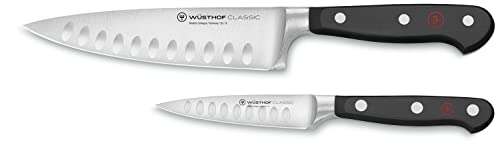
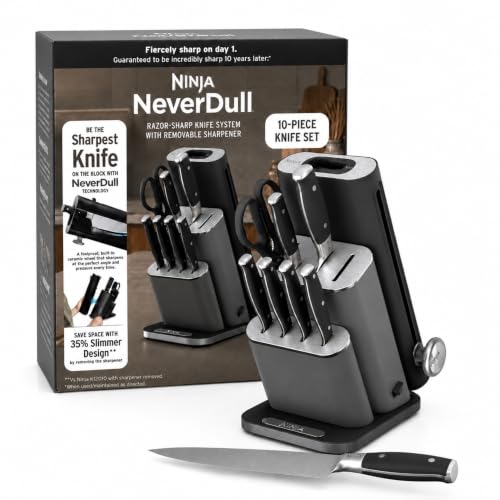


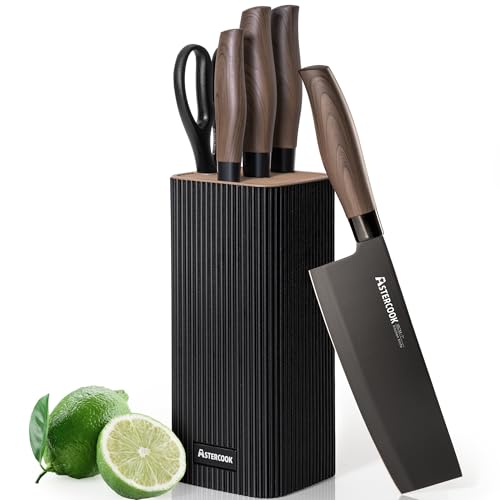
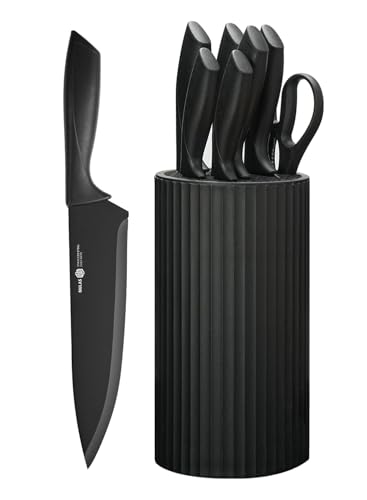


Quick Answer: The Three Styles That Cover Most Homes
Most households fall into one of three groups. A compact starter set suits one or two people with limited counter space. A full block set suits families who cook daily and want steak knives and kitchen shears in one place. A forged premium set suits committed home cooks who want balance and edge life over many years. If you want broader context first, our guide to the best knife set options explains how black sets sit within the wider market.
Before You Buy: A Quick Checklist for Choosing a Knife Set
Size: Match It to Your Space
Count the knives you reach for in a normal week before you count the slots in a block. Most homes use a chef knife, a paring knife, and a serrated bread knife daily, with a utility knife and kitchen shears close behind. A 5 piece or 7 piece set often covers that pattern without crowding a small counter. Larger sets add steak knives and extra prep blades, which helps only if you host often. If storage style matters most, compare formats in our guide to the best block knife set choices.
Which Type Fits Your Routine
German style sets favor a thicker blade and a curved edge that suits a rocking motion through herbs and root vegetables. Japanese style sets favor a thinner blade and a straighter edge that suits push cuts and fine slicing. Stainless steel needs less daily attention, while high carbon steel can take a keen edge but asks for prompt drying. Forged blades often feel denser, while stamped blades feel lighter and usually cost less.
Features Worth Paying For and Ones to Skip
A sturdy block, individual sheaths, or a magnetic strip all protect edges, so pay for the storage you will actually use. A built in sharpener inside the block can help you maintain a working edge with little fuss. Steak knives are worth it if you serve sliced meat weekly, and kitchen shears earn their slot almost every day. Skip duplicate specialty blades you cannot name a task for, and skip oversized blocks that eat prep space. For safe storage ideas, see our notes on how to store kitchen knives in small and busy kitchens.
Steel Type and Hardness
Hardness is listed as HRC on the Rockwell scale, and it shapes how long an edge lasts and how it feels to sharpen. Many everyday stainless sets use a softer steel, which gives a forgiving edge that resists chipping on bones or hard squash skin. Harder steel can hold a finer edge for longer, but it needs a steadier hand and a suitable stone or rod.
Blade Geometry: German vs Japanese
Geometry decides how the blade moves through food more than color or handle style does. A German profile has more belly, so the edge rolls smoothly and forgives a less precise angle. A Japanese profile is flatter and thinner behind the edge, so it glides through fish, cucumbers, and ripe tomatoes with less splitting. If you learned to cook with a rocking motion, the German shape will feel natural at once. If you value thin, even slices, explore the shapes in our guide to the best japanese knife set options.
Handle, Bolster and Balance
Judge the whole set by its chef knife handle, because that grip sets the standard for every other piece. The grip should fill your palm without forcing your fingers tight, and the surface should stay secure when your hands are damp from rinsing produce. A full bolster adds weight near the fingers, while a partial bolster lets you use the full edge and sharpen more easily. Balance near the pinch grip usually feels calm during long prep sessions.
Realistic Budget Ranges
Sets under about $50 usually give you the core blades in stamped stainless steel with basic storage, which can suit a first apartment or a rental kitchen. The range around $100 to $200 often brings better handles, a stronger block, and more consistent grinds. Around $200 to $300 you may see forged blades, harder steel, and steak knives with a nicer finish. Above about $300, you pay for steel quality and finish rather than more pieces.
Types Compared: Three Set Styles Without the Sales Pitch
Compact Starter Sets for Small Households
A compact set with three to seven pieces suits couples, single cooks, and small kitchens where the counter already holds a board, a kettle, and a fruit bowl. You get the daily blades without a wide block, often with sheaths or a slim magnetic holder instead. The trade off is clear: fewer steak knives and no spare specialty blades when guests arrive. Choose this style if you cook simple meals most nights and want every piece to earn its place.
Full Block Sets for Busy Family Kitchens
A full block set suits families who prep school lunches, weeknight dinners, and weekend roasts from the same counter. The block keeps blades visible, dry, and out of a crowded drawer where edges knock together. You gain steak knives for the table and shears for packaging and herbs, all in one footprint. Check the block depth against your upper cabinets before you buy, because tall blocks can block cabinet doors on shallow counters.
Premium Forged Sets for a Long Term Upgrade
A premium forged set suits cooks who prep daily and notice small differences in balance, edge feel, and handle comfort. The value sits in consistency: each blade feels like part of one family, and the chef knife stays pleasant through a large pile of onions or potatoes. If you cook at a serious level at home, the step up described in our guide to the best professional knife set options shows what that extra spend should deliver.
How to Compare Black Knife Sets Fairly
Start with the chef knife, because it carries most prep work and reveals maker priorities fastest. Compare thickness behind the edge, handle comfort, and storage fit in your kitchen. Then check the sharpening method the maker recommends, since a set you cannot maintain will feel dull within months. Judge value by pieces used weekly. A black knife set that fits your routine beats a larger set with half the pieces idle.
Black Knife Sets Compared With Other Finishes
The black finish is usually a coating or a dark treatment over stainless steel, and it brings real plus points at home. It hides light staining and water spots better than bright polished steel, and it matches dark appliances, stone counters, and modern cabinet fronts without visual clutter. Guests also tend to notice a unified black set, which makes it a popular gift and registry choice.
The limits matter too. A coating can show wear along the edge and spine, especially if blades rub in a drawer or go through the dishwasher often. Scratches stand out more on dark steel, and you cannot judge the bare metal at a glance. If you prefer a finish that ages quietly, plain stainless may suit you better.
Common Buying Mistakes to Avoid
- Buying the largest piece count in your budget, which leaves you with specialty blades you never use and a block that crowds your prep space.
- Choosing by color photos alone and ignoring handle size, which leads to a grip that tires your hand during longer cooking sessions.
- Assuming a black coating makes a blade stain proof or dishwasher safe, which leads to chipped coating and dull edges over time.
- Forgetting to measure counter depth and cabinet height, which leads to a block that will not sit where you planned to keep it.
- Skipping a sharpening plan at purchase, which leads to a set that feels poor within a year even though the steel itself is fine.
Cost of Ownership and Care
Ownership cost is mostly time and a few simple tools. Budget for a honing rod if the set does not include one, plus a whetstone or a guided sharpener for restoring a tired edge a few times a year. Our step by step guide on how to sharpen kitchen knives walks through angles and pressure in plain language. Hand wash black blades in warm soapy water, dry them at once, and return them to the block or sheath while dry. That habit protects both the edge and the coating.
Use wood or soft plastic boards, because glass and stone boards wear edges quickly and can mark a dark finish. Never pry lids, scrape board piles with the edge, or cut frozen food, since those habits chip edges and bend tips. With steady habits like these, a sound set should serve daily cooking for many years.
Your Questions, Answered
Are black knife sets worth it for everyday cooking?
Yes, if the steel, geometry, and handle fit you well before you consider the color. The dark finish adds a tidy look and hides light marks, but it does not make a blade sharper or stronger. If you accept hand washing, a black set can be just as practical as plain steel for daily meals.
How many knives does a home kitchen really need?
Most home kitchens run well on four blades: a chef knife, a paring knife, a serrated bread knife, and a utility knife for mid size jobs like cheese and fruit. Add steak knives only if you serve steak or chops at the table often. A fifth useful addition is a boning or fillet knife if you break down poultry or fish at home each week. Counting tasks first keeps you from paying for slots that stay empty for months.
Can you put black knives in the dishwasher?
You can, but you should not make it a habit. High heat, strong detergent, and contact with racks and other utensils can fade or chip a dark coating and knock the edge out of shape. A quick hand wash takes about a minute per knife and lets you dry the blade fully before storage. If a set claims dishwasher safety, treat that as permission for rare occasions, not as the care method that keeps the finish looking new.
What should you check when a black knife set arrives?
Check each blade at the tip and heel, where packing pressure and shipping knocks show first. Run the chef knife through a sheet of paper and a ripe tomato to confirm a clean, even edge along its full length. Sit the block on your counter and open the nearest cabinet door to confirm clear movement.
Final Thoughts
Choose the set size, steel, and storage format that match your household first, and let the black finish be the reward at the end of that process. A compact set serves small homes, a full block serves busy families, and a forged set serves cooks who prep every day. Look back at the product table near the top, confirm the chef knife handle and blade shape suit your grip and cutting style, and you will land on the best black knife set for your kitchen with confidence.