Best 24 Inch Gas Cooktop in 2026: Buying Guide and Top Picks
Disclosure: We may earn a commission when you buy through links on this page, at no extra cost to you. As an Amazon Associate I earn from qualifying purchases. Learn more

What to look for in the best 24 inch gas cooktop: the main types, key features, realistic price ranges and mistakes to avoid before you order.
Your old cooktop dies on a Tuesday, the counter opening is narrow, and every model you find seems made for a sprawling suburban kitchen. That is exactly the problem this size solves. Choosing the best 24 inch gas cooktop for your home comes down to three things: the space you have, how many people you cook for, and what you can spend once installation is counted. This guide walks through each one so you can match a layout to your household.
The product table below the intro gathers current options side by side, so keep it open as you read the checklist that follows.


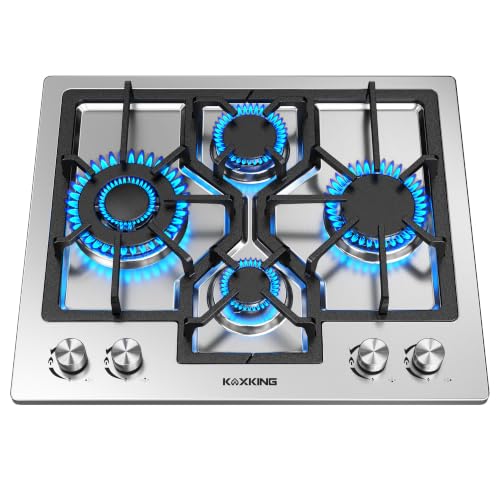
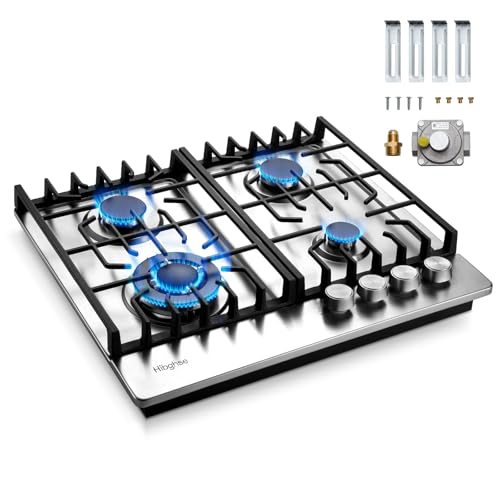

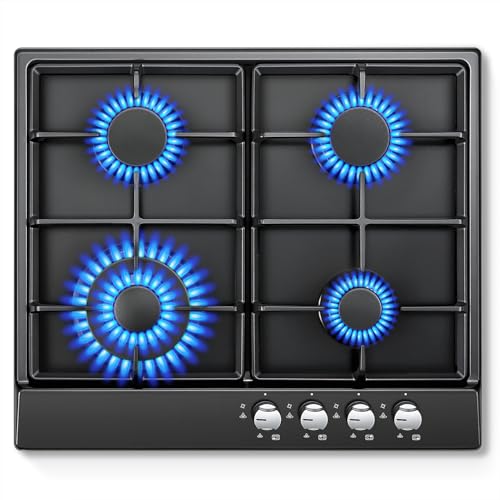
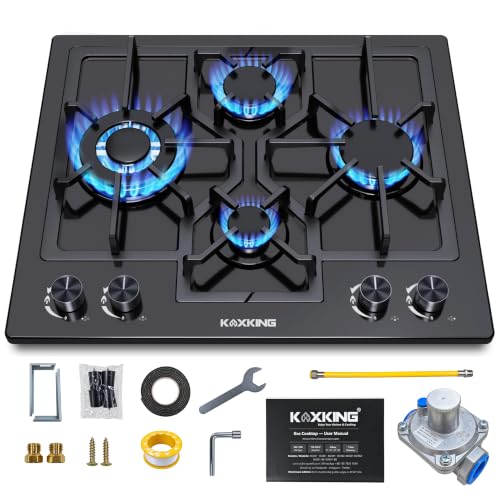

Quick Answer: What Most Homes Need From This Size
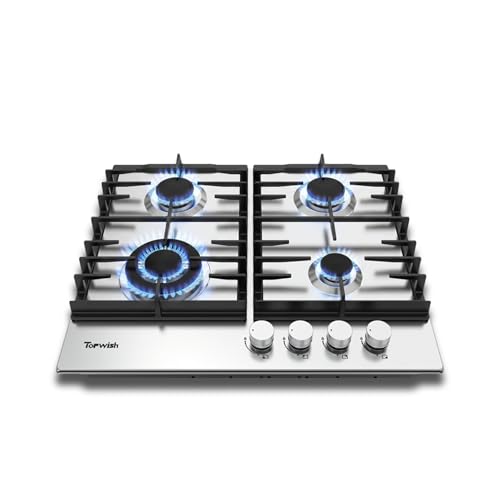
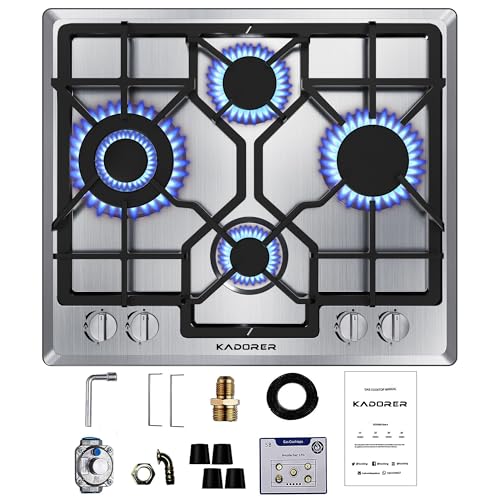
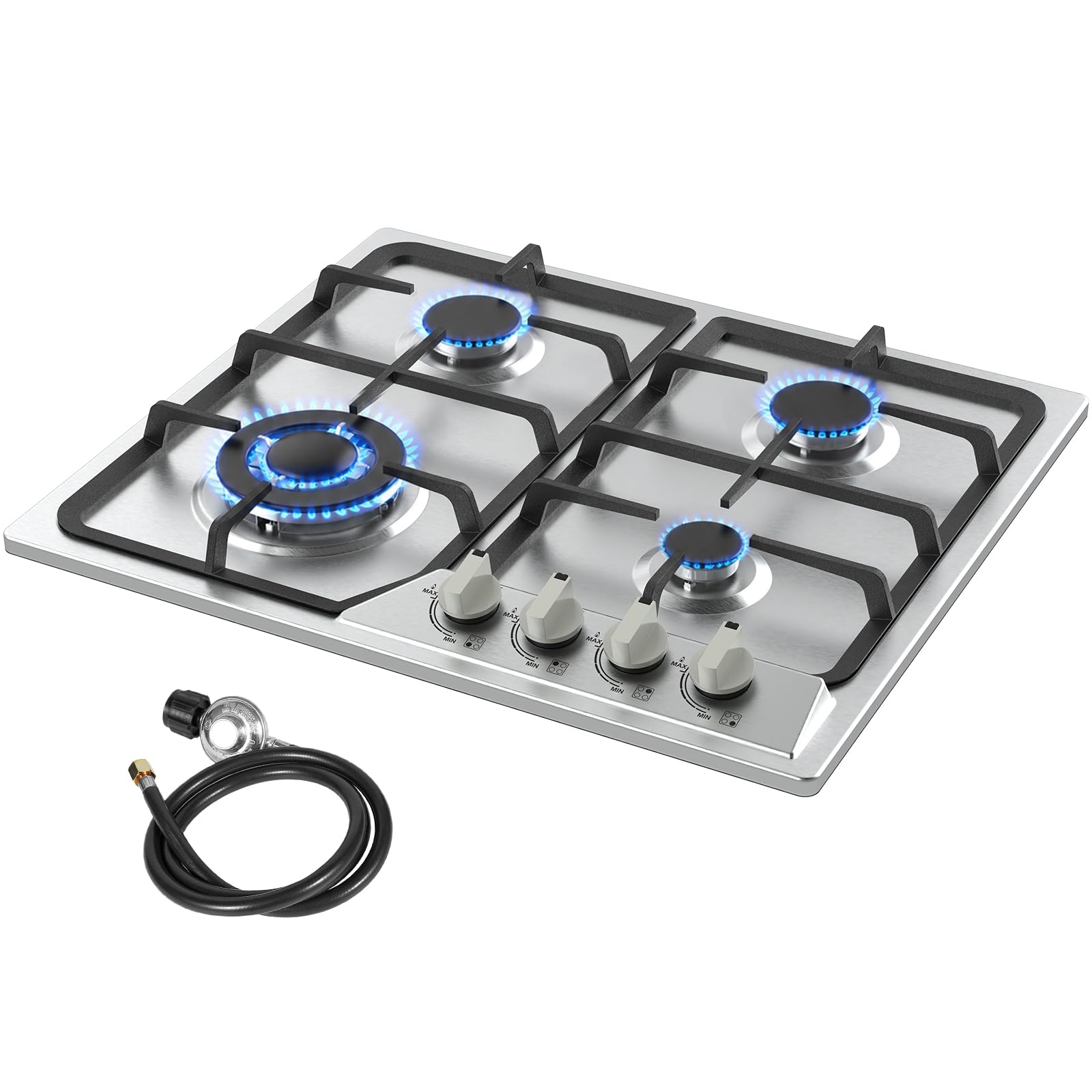
For most households, the sweet spot is a four burner layout with sealed burners, one stronger burner for boiling and searing, and one gentle burner that can hold a sauce without scorching it. Grates that lift off in two pieces make daily cleaning far easier than a single heavy grate. Focus your budget on burner control and grate quality rather than extras you will rarely touch.
Before You Buy: A Quick Checklist for Choosing a Gas Cooktop
Size: Match It to Your Space
Width is the whole point of this category. A 24 inch model suits narrow counters, apartment kitchens, and studio layouts where a standard width simply will not fit. If you are torn between sizes, our guide to the best 30 inch gas cooktop shows what the extra width buys you. Measure your existing cutout before anything else, because the labeled width and the opening in your counter are two different numbers.
Which Type Fits Your Routine
Nearly every model in this size is a drop in unit that sits flush in the counter with controls on top or at the front edge. Fuel matters just as much: most homes use natural gas, but many models ship with a conversion kit for liquid propane, which suits rural homes and off grid cabins. Check that the kit is included before you buy. If you are weighing a cooktop against a taller range style unit, our explainer on gas cooktop vs rangetop lays out how the two differ in height, oven pairing, and cost.
Features Worth Paying For and Ones to Skip
Sealed burners are worth it, since spills stay on the cooktop surface instead of dripping into the body where they are hard to reach. Continuous grates let you slide a heavy pot from a hot burner to a cool one without lifting, a small thing that matters with full Dutch ovens. Automatic reignition adds safety by relighting a flame that blows out. A griddle rarely earns its place at this width, because it covers two burners and leaves almost no room for a second pan. A wok ring is worth adding only if you stir fry often in a round bottom wok.
Measurements and Compatibility With Your Setup
Start with the cutout, not the glossy top. Record the cutout width, depth, and the clearance below it, because drawers, an oven, or a support rail can block a deeper cooktop body. Confirm the gas supply location and whether your line ends in a shutoff valve you can reach. Check the electrical need too: most gas cooktops need a standard outlet only for the igniters, within cord reach. Finally, look at pan clearance, since two large skillets will crowd each other on four burners packed into 24 inches.
Certifications and Safety Marks
Look for a listing mark from a recognized testing lab, such as UL, ETL, or CSA, which shows the model was checked against the safety standard for gas cooking appliances. Match the rating plate to your fuel type before installation day. Skip any model with no visible certification or no stated warranty, because a gas appliance is the wrong place to gamble on unknown build quality.
Doing It Yourself Versus Professional Installation and Cost
Swapping a like for like unit over an existing gas line looks simple, and handy owners do handle the counter fit and leveling themselves. The gas connection is the part to respect: a licensed installer can pressure test the joint, check for leaks, and confirm the conversion kit was fitted correctly if you use propane. Many areas require a permit or a licensed installer for gas work, so check your local rules first. Our breakdown of gas cooktop installation cost explains what pros charge and which extras, like a new shutoff valve or an enlarged cutout, push the bill higher.
Realistic Budget Ranges
Basic models under $200 usually give you four burners, lighter grates, and simpler knobs, which can be enough for a rental or a spare kitchen. Models at about $200 to $500 tend to add sealed burners, sturdier cast iron grates, and better simmer control, and this is where most owner occupied homes should shop. Above about $500 to $1,000 you are paying for heavier construction and finer low heat control. Prices climb past that point mostly for commercial styling that brings little extra cooking power at this width.
Three Layout Styles Compared: How to Choose Without Guesswork
Since burners and grates matter more than badges at this size, compare the three layout styles below against your routine. Each suits a different household.
Everyday Four Burner Layouts for Family Meals
The classic layout places burners in the four corners, usually two medium burners, one stronger burner, and one small simmer burner. It handles a weeknight pattern well: pasta water at the back, sauce at a low bubble, and vegetables in a skillet up front. The limit is pan diameter. A 12 inch skillet on a front burner will crowd the burner beside it, so households that cook two big pans at once will feel squeezed. Choose this style if most meals use small to medium cookware.
Layouts With One Strong Burner for Fast Boiling
Some models trade balance for one notably stronger burner, often at the front or center back. That burner brings a big pot to a boil faster and gives a real sear on steaks or chicken thighs. The trade off is that the remaining burners are often modest, so cooking beside the strong burner can feel uneven. This style suits cooks who boil pasta often or cook with a wok on a flat bottom pan, and who do most other cooking one pan at a time.
Simple Two Burner and Compact Layouts for Tiny Kitchens
A minority of 24 inch units spread just two or three burners across the width, and that breathing room is their appeal. Two burners with wide spacing fit two genuinely large pans, which four cramped burners cannot do. You give up the ability to keep a sauce, a side, and a main going at once. This style fits single cooks, couples who cook one dish meals, basement kitchenettes, and second kitchens where a main range elsewhere does the heavy lifting.
How to Judge Cooktops in This Size
Judge models in this category on fit and compatibility first, then burner range from a true simmer to a strong boil, grate design, build quality, safety certification, and warranty length. Manufacturer documentation gives you the specs, and owner reviews show repeated complaints about igniters, knob heat, or grates that rock.
Is a 24 Inch Gas Cooktop the Right Size for You?
This size earns its keep in specific homes. Apartment and condo owners gain a real four burner gas surface without rebuilding the counter run. Owners of older homes with narrow galley kitchens keep the layout the house was built around. Households of one to three people rarely run more than three burners at once, so the compact footprint costs them nothing in practice.
Now the honest limits. Families of five or more who cook a main, two sides, and a sauce together will run out of burners and elbow room. If your cutout and counters allow more width, the best 36 inch gas cooktop options add a fifth burner and real spacing between pans. Choose 24 inches because your space or your cooking pattern calls for it, not as a compromise you will resent every dinner.
Common Buying Mistakes to Avoid
- Measuring the glossy top instead of the counter cutout, so the unit arrives and does not drop into the opening.
- Forgetting the space below, where a shallow drawer or oven top can collide with the cooktop body.
- Buying for natural gas when the home runs on propane, then discovering the conversion kit costs extra or is unavailable.
- Paying for a griddle or downdraft at this width, which eats burner space you cannot spare.
- Ignoring grate weight, so daily cleaning becomes a chore you avoid and spills bake on.
Cost of Ownership and Care
Running costs stay modest, since gas for four burners in home use is a small line on a utility bill, and there are no filters or consumable parts to replace on a schedule. Your real costs are upkeep and the odd part years later: a worn igniter, a cracked knob, or a lost burner cap. Wipe spills after cooking once the grates cool, because sugary sauces harden fast on hot enamel. Lift grates and caps off weekly, soak them in warm soapy water, and dry them fully before they go back. Our step by step guide on how to clean a gas cooktop covers dried on spills and cloudy stainless. If a flame burns yellow or uneven, stop and call a gas technician rather than adjusting anything yourself.
Your Questions, Answered
How long does a 24 inch gas cooktop usually last?
Most well kept units serve for about 15 to 20 years, because the core parts are simple metal and valves with little to wear out. Igniters and knobs usually fail first, and both are replaceable parts. Longevity drops when spills are left to corrode the burner bases. A cooktop that needs repeated ignition repairs on several burners is usually telling you replacement is near.
Is a gas cooktop worth it over an electric one in a small kitchen?
Gas gives you instant heat changes, which matter when a sauce is about to boil over. The burners can also keep working during a power outage, lit with a match if local guidance allows. Electric and induction units are easier to wipe clean and need no gas line. If your kitchen has no gas supply, the cost of running a new line can erase the cooking advantage, so get that quote before deciding.
What size pans work best on a 24 inch gas cooktop?
Small and medium pans in the 6 to 10 inch range sit comfortably on all four burners at once. One larger pan, up to about 12 inches, works well if the burners beside it hold small pots or stay off. Oversized stockpots wider than the burner beneath them heat unevenly and spill heat up the sides, which wastes gas. Keeping one compact skillet in the cabinet just for crowded nights solves most spacing friction.
Can a 24 inch gas cooktop run on propane?
Many can, provided the model supports a conversion kit that swaps the burner orifices and adjusts the regulator for propane pressure. The kit must match the exact model, and the rating plate should list propane as approved. Have the change done or checked by a qualified installer, since the wrong orifice size gives weak or sooty flames.
What is the best 24 inch gas cooktop for a household that cooks daily?
For daily cooking, it is the model whose cutout fits your counter exactly, whose simmer burner can hold a low flame without flickering out, and whose grates come off in pieces you can lift with one hand. Daily use punishes weak igniters and wobbly grates far more than it rewards extra features. Match those basics to your fuel type and budget tier.
Final Thoughts
Measure the cutout, respect the space below, pick a layout that matches your pans, and put your money into burners and grates instead of extras. The best 24 inch gas cooktop for your home is the one that fits your counter, your fuel, and your household size without a fight. Before you order, glance back at the product table above to confirm the specs of your shortlist, and if your kitchen plans grow later, our roundup of the best gas cooktop options in every width is the natural next read.