
Best Black Gaming Mouse: Every Type Explained Side by Side in 2026
Disclosure: We may earn a commission when you buy through links on this page, at no extra cost to you. As an Amazon Associate I earn from qualifying purchases. Learn more

Compare black gaming mouse types by shape, sensor, weight and connection, with clear notes on black finishes, grip styles and price for your setup.
Choosing a mouse by color sounds simple until shape, weight and connection pull in different directions. The best black gaming mouse for you is the one whose finish suits your desk and whose shape suits your hand. Match each type to your games, grip and budget.
Black is more than a color choice here. A matte black shell hides small scuffs and keeps reflected light low, while a gloss black shell shows fingerprints and dust much sooner. This guide compares wired, wireless and ergonomic black models, then explains the finish, sensor and switch choices.


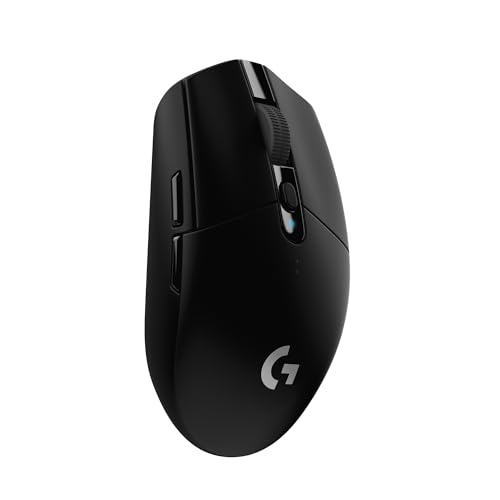

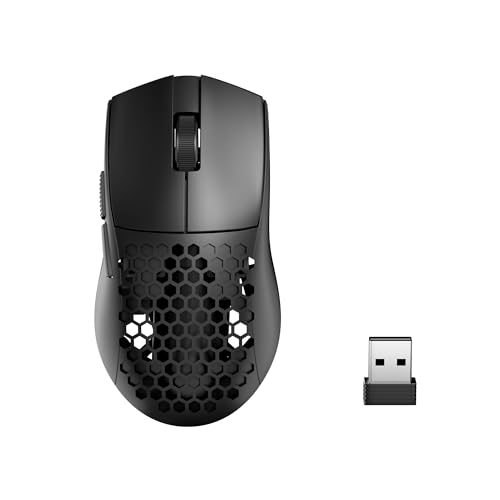
How Black Gaming Mice Compare to Other Options
Black describes the finish, not the hardware inside, so a black mouse can be wired, wireless or ergonomic. Color should be your last filter, after fit and performance. For the wider picture, see our guide to the best mouse for gaming, then return to the black options below.
Solid Black Wired Models for Steady Play
A wired black mouse is the simple desk bound choice, with no battery to charge and no dongle to lose. Most cost about $25 to $60, less than wireless models with similar sensors. The cable can drag during wide swipes. Choose this type if your mouse stays at one desk and you value a steady connection.
Black Wireless Models for a Clean Desk
A wireless black mouse keeps the desk clear and travels easily, and the dark shell and small black receiver blend into most setups. Expect to pay about $50 to $120 for gaming grade wireless speed. You also take on charging as a routine task. Choose this type if cable drag annoys you or your desk doubles as a work space.
Black Ergonomic Models for Longer Sessions
An ergonomic black mouse uses a taller, sculpted shell that fills your palm and angles your hand into a relaxed pose. Textured black sides help your fingers hold that shape without squeezing. These models tend to be larger and heavier, which suits steady aim more than fast flicks. Choose this type if your wrist aches with a flat mouse.
Who Should Choose a Black Gaming Mouse?
Black suits players who want gear that stays visually quiet and matches almost any desk. If you lose small gear inside a dark bag, a brighter color may be easier to find. The three groups below gain the most from black.
Competitive Players in Darkened Rooms
You play in low light and want nothing bright pulling your eyes from the screen. A matte black shell with lighting turned low keeps attention on the game. The dark finish also hides scuffs from travel and shared desks. Pick a light shell and a simple shape.
Desk Builders Matching Black Gear
You have a black monitor, keyboard and case, and a white mouse would break the look you built. A black mouse ties the setup together, and its lighting can supply the only color accent. Matte and gloss black read differently under room light, so match the finish to your other gear, not the word black alone.
Players Who Share a Desk With Work
You game at night at the same desk where you work by day, and loud colors can look out of place on a work call. A black mouse reads as plain office gear while its sensor stays gaming grade. Choose quiet clicks and a shape that stays comfortable across both tasks, with game profiles stored onboard.
How to Choose the Right Black Gaming Mouse
Shopping for the best black gaming mouse gets easier when you judge shape, sensor, switches, connection and finish in that order. Each section below explains what the factor changes and who should choose which option.
Ergonomics, Size, and Grip Style
Measure your hand from fingertip to wrist crease, then compare it with shell lengths, which run about 110 to 130 mm. Palm grip rests your whole hand on the shell and suits larger, higher shapes. Claw grip arches your fingers and suits medium shells, while fingertip grip moves a small shell with your fingers alone. Weight matters too, at about 50 to 90 grams for most models. Lighter shells feel quicker, and heavier shells feel calmer.
Sensor, DPI, and Polling Rate
The sensor reads the pad surface and turns hand movement into cursor movement, so a good optical sensor tracks smoothly without adding drift. DPI sets how far the cursor moves for each inch of hand travel, and most players settle between 400 and 3200. Polling rate says how often the mouse reports its position, and 1000 reports per second is the common gaming standard. Higher headline DPI adds little once your setting feels right.
Switch Feel and Click Noise
Each main button sits over a small switch, and that switch sets click feel and sound. Mechanical micro switches give a crisp, clear click that many players find easy to time. Optical switches register the press with light, which removes one source of wear. A few models offer hot swappable switch sockets, letting you change click feel without soldering. Near sleeping family, look for quiet rated switches.
Wired and Wireless Connections
A wired mouse sends every report through its cable, so its connection never depends on battery charge. Wireless models using a 2.4 GHz dongle report fast enough for competitive play, while Bluetooth pairs easily with laptops but reports less often. Many wireless models charge through a USB C port. Battery life runs about 40 to 90 hours per charge, and bright lighting shortens that span.
Black Finish, Lighting, and Software
Finish decides how a black mouse ages in daily use. Matte black hides fingerprints, gloss black looks sharp when clean but shows every smudge, and textured black adds grip for sweaty hands. Lighting glows strongly against a dark shell, even at low brightness. Software sets DPI steps, button actions and macros, and onboard memory stores those choices inside the mouse, so settings travel when you switch computers.
Picking a Black Gaming Mouse for Different Uses
Your main game shapes the details worth paying for. Shooter players need a light shell and a flawless sensor, strategy players gain more from extra side buttons, and travel players need a compact shape. Pad size matters too, and for wide, low sensitivity swipes, see our guide to the best gaming mouse and pad.
Best Red and Black Gaming Mouse
A red and black model keeps the dark base and adds red on the wheel, side buttons or lighting zones, which makes controls easier to spot in a dim room. Look at where the red sits, since accents on touch points show wear sooner. Choose this style if your setup uses red lighting, and confirm it can be dimmed for work.
Common Mistakes to Avoid
These errors come up again and again with black models.
- Buying a gloss black mouse for a dusty desk leaves fingerprints and dust visible within a single day of play.
- Choosing a mouse for its headline DPI alone often leaves your aim set far faster than you can control.
- Picking a small shell for a palm grip cramps your fingers and tires your hand during long sessions.
- Running bright lighting at full strength on a wireless mouse drains the battery well before the rated span.
- Playing on a worn, uneven pad makes even a strong sensor feel jumpy during slow tracking.
Cleaning and Looking After Your Gaming Mouse
Wipe the shell with a dry or slightly damp soft cloth, and keep liquid away from the sensor opening and charging port. Clean the sensor lens gently with a dry cloth, since dust and hair near the lens cause most tracking complaints. Matte finishes need only light pressure, while gloss finishes streak under a rough cloth.
Check the glide feet for worn edges and replace them when the mouse starts to scratch or drag. Update the firmware through the companion app when the maker offers a fix. A clean pad protects both feet and sensor, so see our guide to the best gaming mouse mat if yours is fraying.
Black Gaming Mouse Questions Answered
What DPI does a black gaming mouse need for fast shooters?
Most shooter players aim well between 400 and 1600 DPI on a black gaming mouse. Your real speed also depends on the sensitivity slider inside each game, so change one setting at a time. Raise or lower DPI in steps of 50 to 100, then play a full match before judging. A practice range with targets at several distances shows shaky aim faster than menu testing.
Is a wired or wireless black gaming mouse better for gaming?
A wireless black gaming mouse suits most players, while wired models suit players who never want to manage a battery. If you go wireless, place the receiver close to the pad, using the extension cable many models include, since metal desk parts can weaken the signal. Keep the charging cable beside your keyboard, so a top up during a break becomes habit.
How much should a black gaming mouse weigh for claw grip?
A black gaming mouse for claw grip usually feels best at about 55 to 75 grams. Balance matters as much as the total, so lift the mouse by its sides and note whether the nose or tail dips. A shell that dips forward can push your wrist down during stops. If you lift the mouse often to recenter it, stay near the lighter end.
Does a black gaming mouse work with Mac computers and game consoles?
Yes, a black gaming mouse works with Mac computers and many consoles for basic pointing and clicking. Console support depends on each game, since many console titles accept mouse input only in certain modes. On a Mac, the companion software may offer fewer remapping options, so save your main profile to onboard memory first if you switch often.
Final Thoughts
Start with shape and grip, then pick the connection that fits your desk, and only then choose between matte, gloss and textured black. A red accented model adds visibility, while a plain black model stays quiet at work and in play.
Use the product table above to check size, weight and price side by side. When you choose the best black gaming mouse for your hand first and your desk second, it will still feel right long after the setup photos fade.


