
Best Affordable Night Vision Binoculars: A Buying Guide for 2026
Disclosure: We may earn a commission when you buy through links on this page, at no extra cost to you. As an Amazon Associate I earn from qualifying purchases. Learn more

Pick the best affordable night vision binoculars by class, honest range, battery cost and screen comfort, with plain price bands.
Darkness hides detail, and the night vision shelf hides a bigger trap: two very different technologies sold under one name, both wrapped in bold range claims. Shoppers comparing best affordable night vision binoculars need to know which class a pair belongs to before any number on the box means anything. This guide sorts the classes first, then reads range, battery and comfort claims the honest way.
The product table gives you current pairs to compare. After it, the guide walks through price bands, the buying checks that matter, the types on sale and care tips, then answers the questions first time buyers ask most.

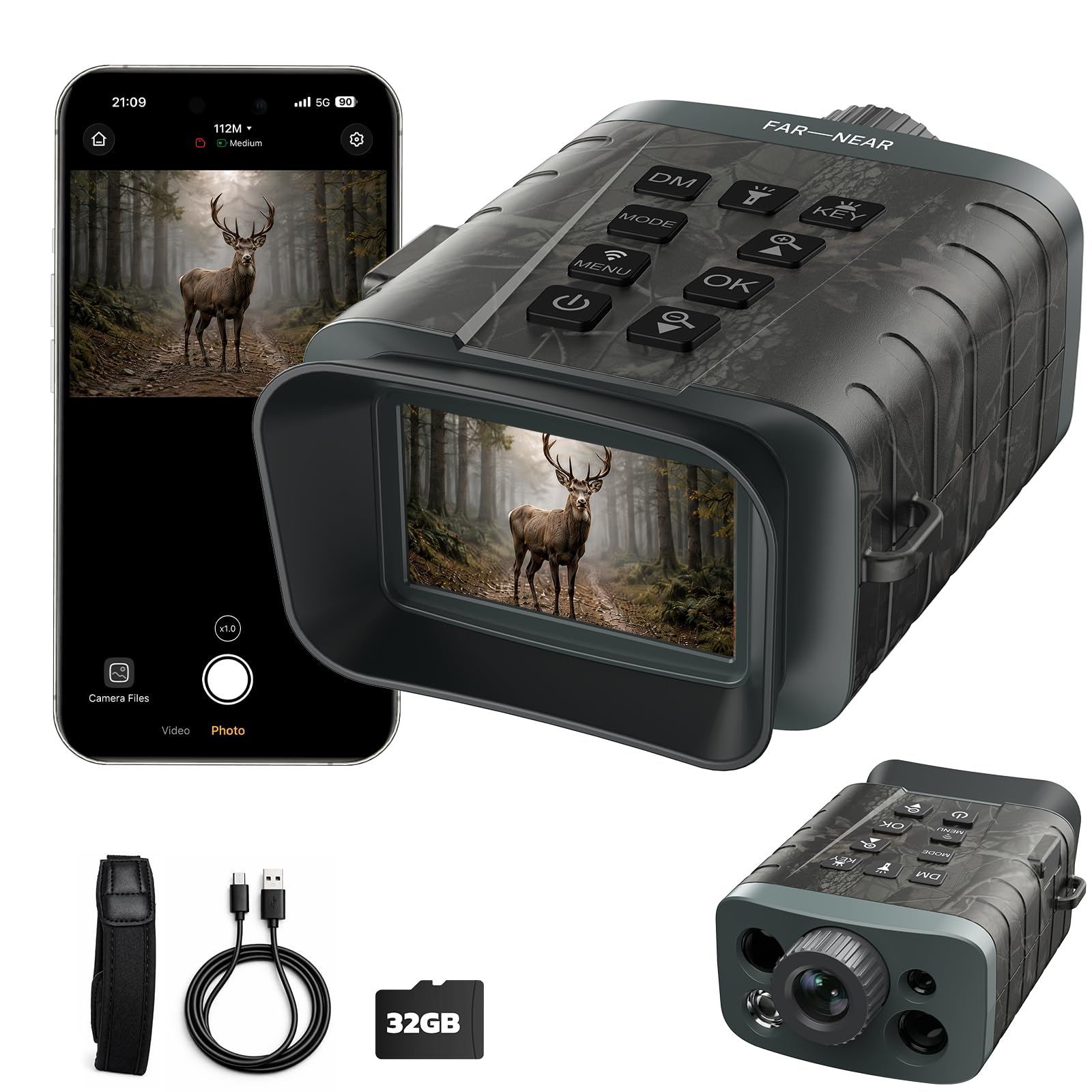


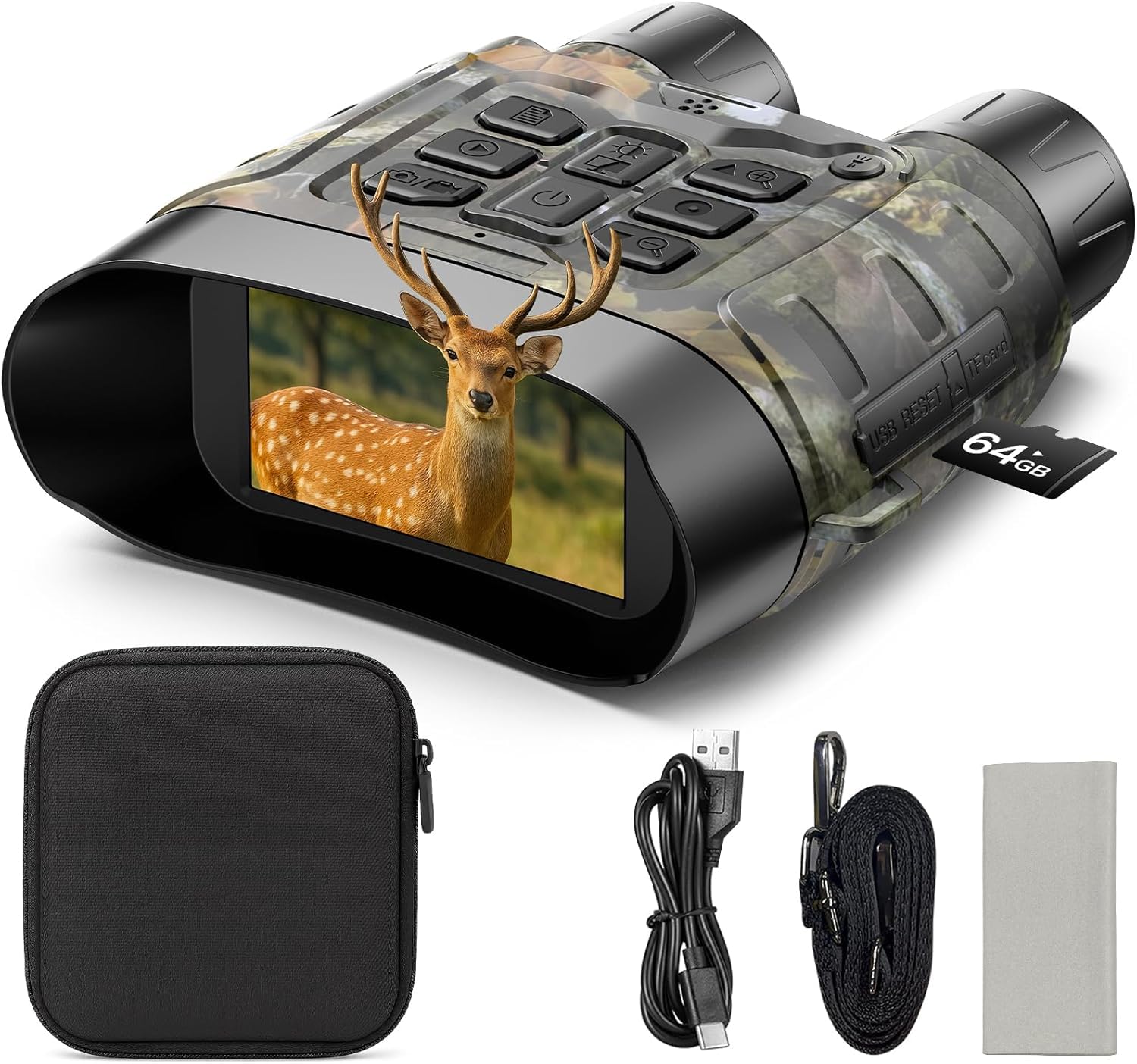
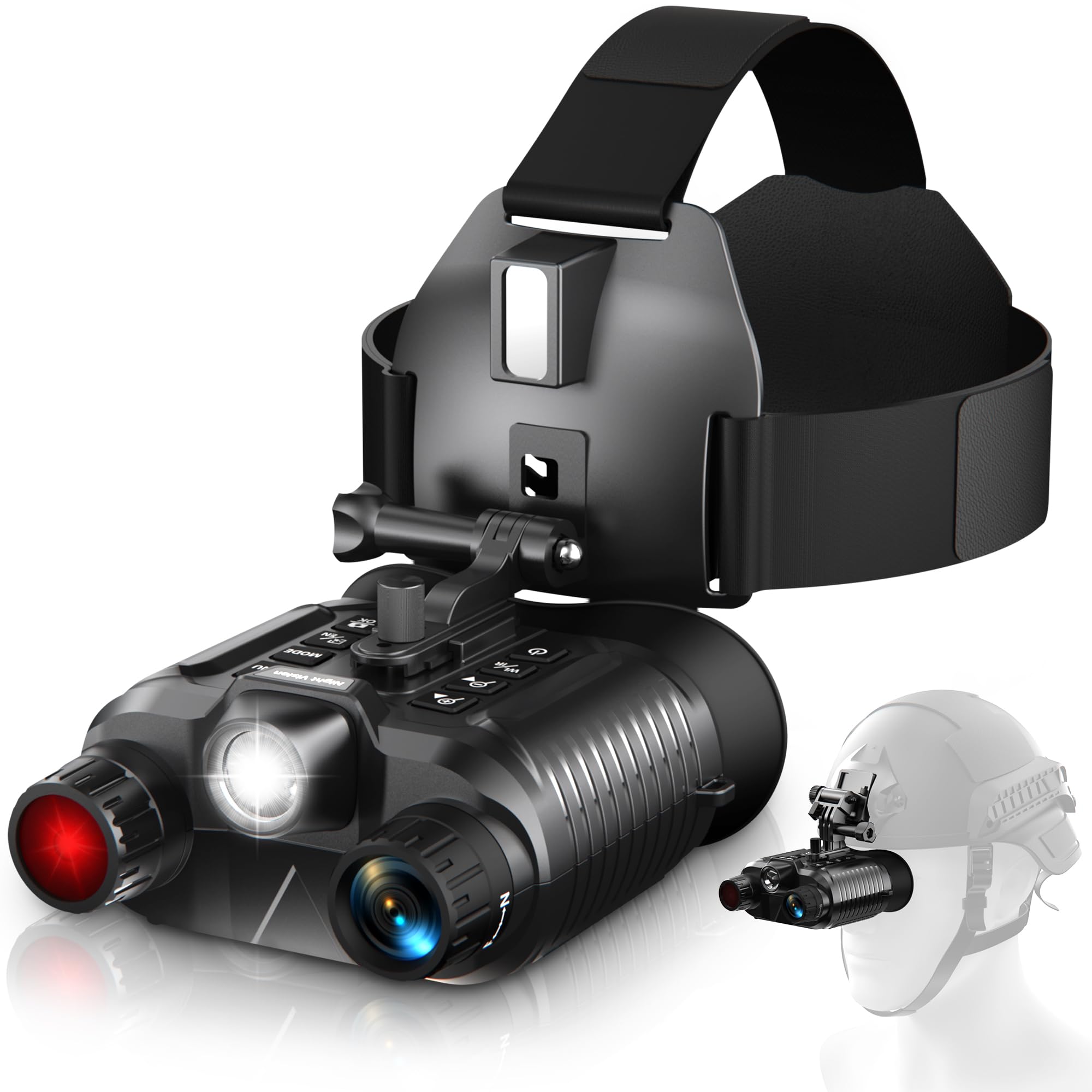

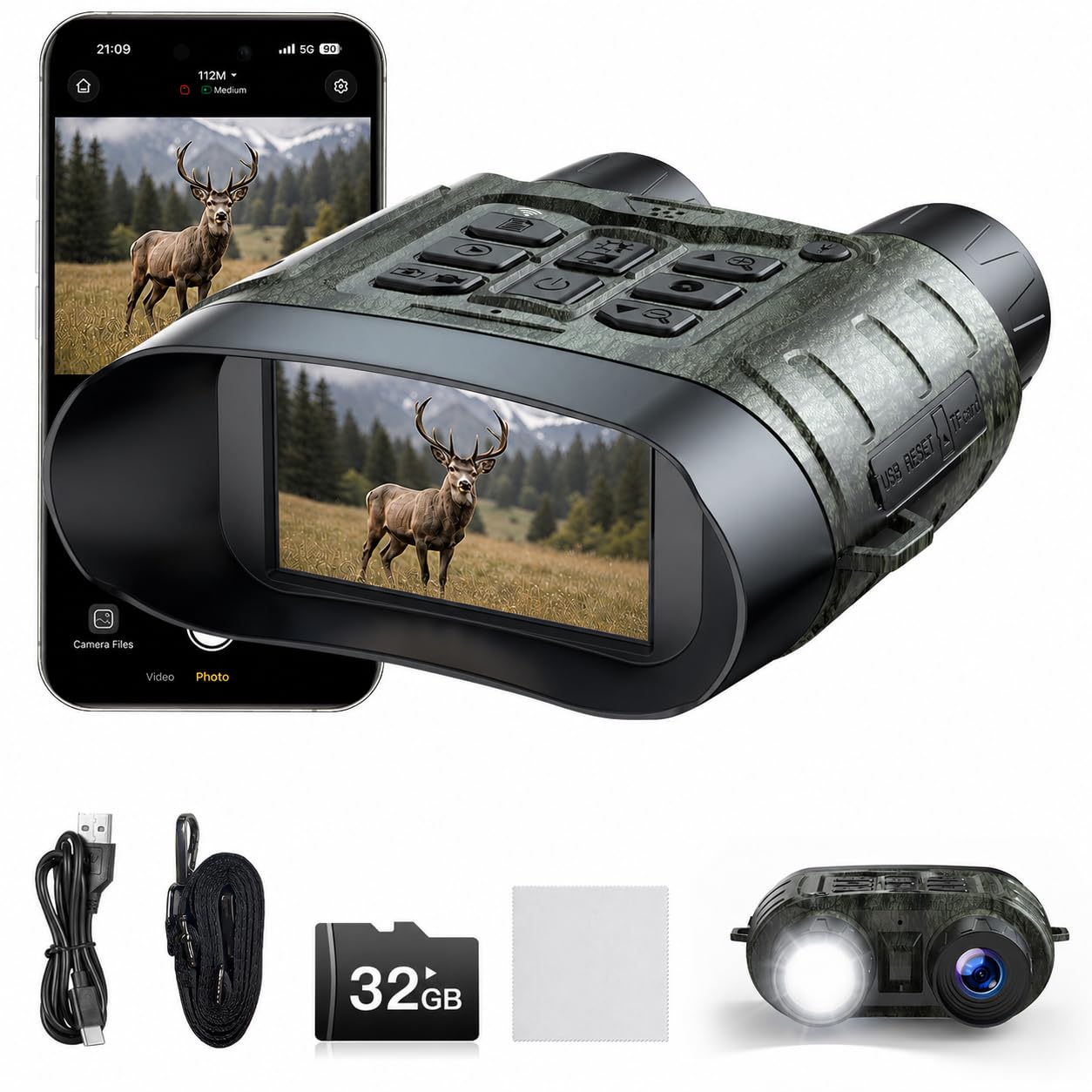
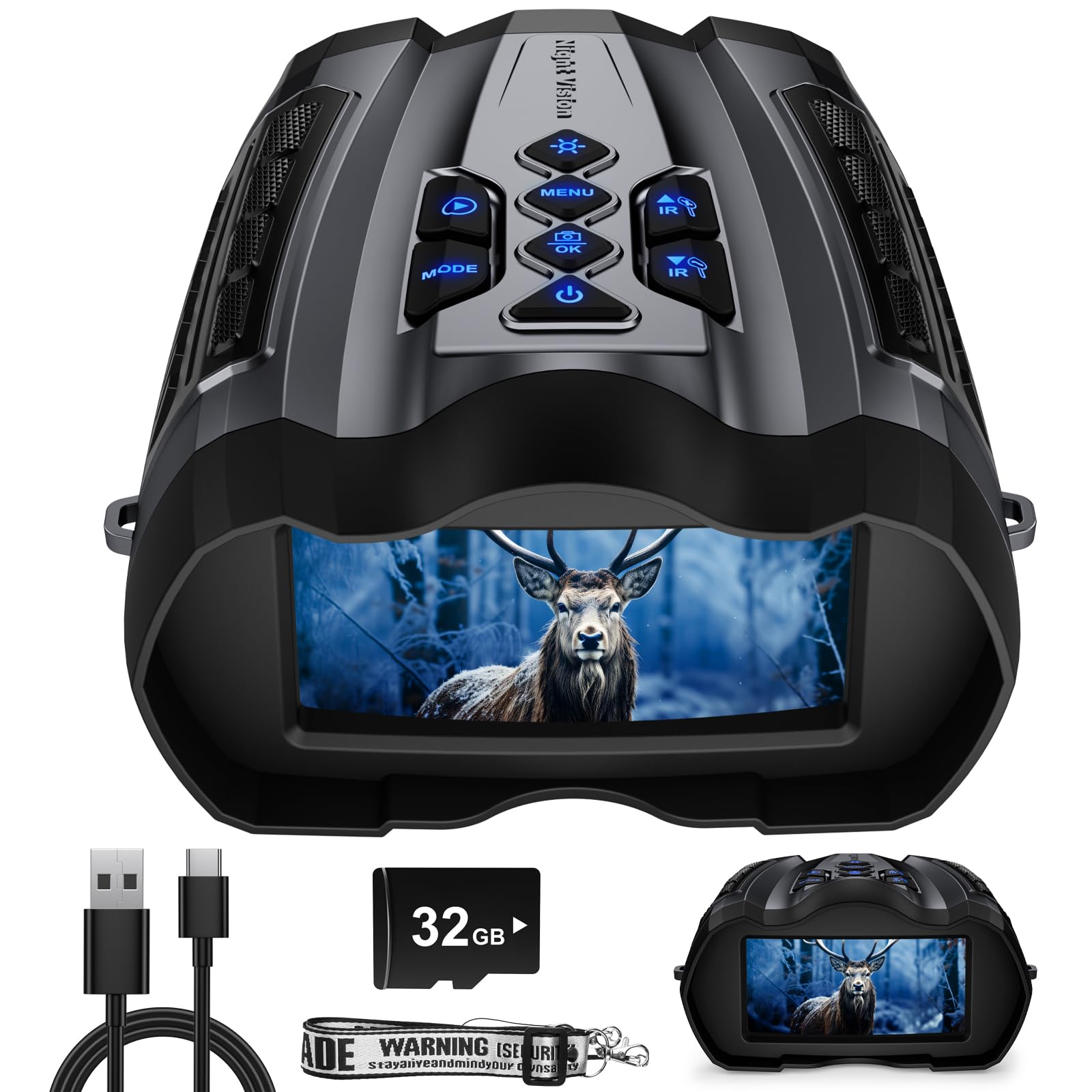
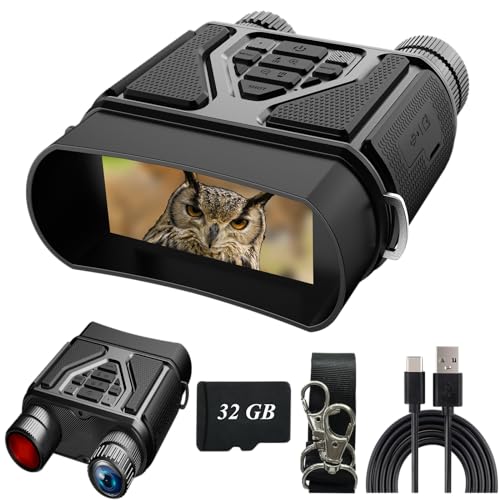
Price Bands for Night Vision Binoculars
Bands in this category describe classes, not individual winners, so use the product table above for current listings and the bands below to know what each shelf of spending actually buys.
The Entry Band: Basic Digital Pairs
Under about $100, nearly every pair is digital, with a small screen, a modest built in illuminator and a plastic body. Expect a clear view of a yard, a dock or a campsite path rather than a long field scan. Photo and video capture appears even here, though clips look grainy in deep darkness.
This band suits occasional use: checking the garden at night, watching animals near a feeder, or keeping a pair in a boat bag. Buy it knowing the limits, and it can serve well for years.
The Middle Band: Brighter Screens and Stronger Lights
Around $100 to $250, digital pairs gain larger screens, stronger illuminators, better low light sensors and longer battery runs. This is where regular wildlife watchers and rural homeowners get honest value, since the view stays usable at the distances most people actually watch. Bodies gain some weather sealing and tripod mounts appear. Tube technology still sits above this band, so a middle band buyer is paying for a better digital experience, not a different class of seeing.
The Top Band: Tube Class and Better Builds
Around $250 to $450, entry level tube based pairs join the shelf alongside the strongest digital models. Tube pairs give a direct optical view with no screen glow and sip power instead of draining it. Digital pairs at this level answer with bigger optics, longer stated ranges and sturdier housings.
Warranties lengthen and cases, straps and lens caps improve. Past this band you leave the affordable idea behind, so decide which class you want before spending at the top of it.
How to Choose the Best Affordable Night Vision Binoculars
Two Classes That Work in Different Ways
Class comes first, because digital and tube pairs work in different ways and should never be compared number for number. A digital pair uses a sensor much like a camera, shows the picture on a small screen and needs its infrared illuminator switched on in full darkness, since the sensor alone sees little without that light. A tube pair gathers the faint light already in a scene through an image intensifier tube and presents a direct view through the eyepieces, so it works under starlight with no light of its own switched on.
Digital pairs record photos and video and shrug off daylight. Tube pairs give a steadier, more natural view, but bright light can damage the tube, so they demand care and caps in daytime.
What You Can Realistically Get on a Budget
Affordable pairs cut corners in predictable places: smaller screens, shorter real range, plastic housings, basic straps and short warranties. None of that ruins a pair for casual watching.
What you should not accept at any price is a weak illuminator on a digital pair, because that light source is the product in darkness. Value guides such as best night vision binoculars for the money track this same middle ground, where a fair price buys a strong illuminator, a dimmable screen and honest battery life. Set your expectations by class and band, and the best affordable night vision binoculars hold up well.
Range Figures and Real Distance
Read every range figure as a best case figure. Makers measure on clear nights, over open ground, against large bright targets, and your real distance shrinks fast when conditions change. Moonlight helps a tube pair and does little for a digital pair that relies on its own light.
Fog, rain and brush scatter the illuminator beam and cut digital range hard, while a person sized target in dark clothing reads at a fraction of the headline number for both classes. Review averages collected under best rated night vision binoculars mix all of these conditions into one score, so a high average says little about a foggy night in your own yard. Judge range by your longest real viewing line, not by the biggest number on a box.
Magnification, Objective Lens and Screen Comfort
The paired numbers on binoculars give magnification first and objective lens diameter in millimeters second, so a 5x40 pair magnifies five times through 40 millimeter front lenses. Higher magnification narrows your view and magnifies hand shake, which is why most affordable night pairs stay modest at around 3x to 5x. Bigger front lenses gather more light for tube pairs and feed a stronger image to digital sensors.
On digital pairs, screen comfort decides long sessions. Screen brightness at night is a comfort fact, not a luxury: a bright screen in a dark field tires your eyes and undoes the night adjustment they built up over twenty minutes outside. A screen that dims very low matters more than one that goes very bright.
Battery Life and the Cost of Runtime
Runtime is a running cost on digital pairs, because the illuminator drains cells fast, often several times faster than the screen and sensor alone. Maker battery figures usually assume the illuminator on a low setting or off, so plan on far less time at full light. Rechargeable pairs trade spare cell freedom for lower running costs, while pairs that take standard cells let you swap and keep watching on a long night.
Cold weather shortens every battery, so winter watchers should carry warm spares. Tube pairs sit at the other extreme, running for many hours on a single small cell, which is part of what their higher price buys.
Rules for Night Use Where You Live
Night hunting and observation rules differ by place, and the local rule is checked before any hunting use, every time. Some areas ban night hunting outright, some allow it for certain species in certain seasons, and some restrict the lights and optics you may carry. Readers planning to hunt at night should read guides to best night vision binoculars for hunting alongside their state and local rules before buying anything. The same respect applies at home: a pair aimed into a neighbor's windows invites trouble no hobby is worth, so keep your watching to your own land, public land where viewing is allowed, and the open sky.
Types of Night Vision Binoculars
Watchers use the same two classes for very different nights. Readers comparing best night vision binoculars for stargazing weigh a wide, dim view of the sky, while wildlife watchers weigh reach, a quiet illuminator and a screen that will not flare in a dark field.
Digital Night Vision Binoculars
The digital type pairs a light sensitive sensor with a screen and an infrared illuminator, and it owns the affordable shelf. It records photos and video to a memory card, works in daylight without damage and shows a color picture by day on many models. The costs are battery drain, a visible screen glow and a slight lag that can make fast moving animals harder to follow. For recording, sharing clips and casual watching, this is the type most buyers should choose.
Tube Based Night Vision Binoculars
The tube type amplifies existing light inside an image intensifier tube and shows the view directly through the eyepieces, with no screen and no lag. Under starlight or moonlight it can see with its illuminator off, which keeps it discreet and stretches one small battery across many nights. It records nothing, costs more for the same reach and needs daylight caps and care, because a tube left facing bright light can be ruined. Choose this type for long, quiet watching where recording does not matter.
Day and Night Vision Binoculars
Pairs sold as best day and night vision binoculars aim to cover both jobs in one housing, and nearly all of them are digital pairs with a daylight color mode. The convenience is real for boaters, travelers and anyone who packs one optic for a whole trip. The compromise is also real: daylight optics on these pairs are simpler than on true daytime binoculars, with narrower views and less crisp edges. Treat the dual use type as a night pair that can help by day, not as a full replacement for a good daytime pair.
Tips to Get the Most From Your Night Vision Binoculars
- Dim the screen to the lowest level you can still read, because a soft screen saves your night adjusted eyes and your battery at the same time.
- Carry spare cells or a charged power bank on any long watch, since a strong illuminator can drain a set of batteries in a single evening.
- Clean the lenses with a proper lens cloth, not your shirt, because gritty fabric scratches coatings that night optics depend on.
- Store the pair in a dry, padded bag with the batteries removed if it will sit for months, so a leaking cell cannot damage the contacts.
- Keep the lens caps on a tube based pair in daylight and never aim it at bright lights, because the tube is the one part you cannot afford to harm.
Night Vision Binoculars: Your Questions Answered
How much should a first pair of night vision binoculars cost?
Most first time buyers land well in the middle band, around $100 to $250, where digital pairs gain a strong illuminator and a screen that dims properly. Spending less buys a toy like view that disappoints within a month, while spending more before you know your class preference risks paying for the wrong technology. Set a little money aside outside the purchase price as well: spare cells or a power bank, a padded case and a memory card are part of the real cost of a digital pair.
Can a smartphone replace night vision binoculars?
Not for watching at any real distance. A phone camera amplifies light on its screen, but it has no illuminator worth the name, no magnification optics beyond cropping and a bright screen held close to your face that ruins your night vision. It also drains the battery you may need for calls and maps.
A phone is fine for a quick look at a noise in the yard. For an evening of watching animals, tracking a shoreline or scanning a field, a dedicated pair wins on reach, comfort and runtime every time.
Are digital or tube night vision binoculars better in very low light?
It depends on whether any light exists to gather. Under starlight or a thin moon, a tube pair pulls a clear view out of that faint light with no illuminator running, so nothing about it glows or gives you away. In true darkness, such as a windowless barn or a moonless forest floor, a digital pair with its illuminator on sees more, because it brings its own light. Watch for one digital giveaway: animal eyes reflect the illuminator beam brightly, which can help you spot wildlife or startle it, depending on the species.
What specs matter most for beginners buying night vision binoculars?
Class matters first, because it decides everything else about how the pair behaves at night. After that, rank illuminator strength on a digital pair, the lowest screen brightness setting, honest battery runtime and a magnification around 3x to 5x that you can hold steady. Ignore the largest printed zoom number, since it usually describes digital zoom that only enlarges pixels. A beginner who checks those five things will choose better than one who chases the longest stated range on the shelf.
What do numbers like 8x42 or 10x42 mean on binoculars?
The first number is magnification and the second is the diameter of the front lenses in millimeters, so 8x42 magnifies eight times through 42 millimeter lenses. Bigger front lenses gather more light, which helps at dusk and under a night sensor, but they also add weight around your neck. On digital night pairs, read the fine print for a separate digital zoom figure, because that number enlarges the screen image after capture rather than gathering more light, and the picture softens as it grows.
The Bottom Line
Choose your class first, digital for recording and daylight safety or tube for quiet, natural viewing. Then distrust headline range, plan for battery cost and insist on a screen that dims low. Measured that way, the best affordable night vision binoculars in the middle band cover most yards, fields and shorelines honestly. The product table above gives you current pairs to check against these points, so compare their classes and prices before you order.


