
Best Black Speakers at Every Price: What Your Money Really Gets You for 2026
Disclosure: We may earn a commission when you buy through links on this page, at no extra cost to you. As an Amazon Associate I earn from qualifying purchases. Learn more

Learn how to choose the best black speakers by price tier, with plain guidance on sound, connectivity, placement, battery life, and features to skip.
Speaker prices run from the cost of a pizza to the cost of a holiday, and the black finish tells you nothing about the sound. This guide shows what each price tier of best black speakers actually delivers, so you can spend where it matters and save where it does not.
Use the comparison table below for a first look at the range. Then read the tier sections to match your room, your habits, and your budget to the right level of speaker.


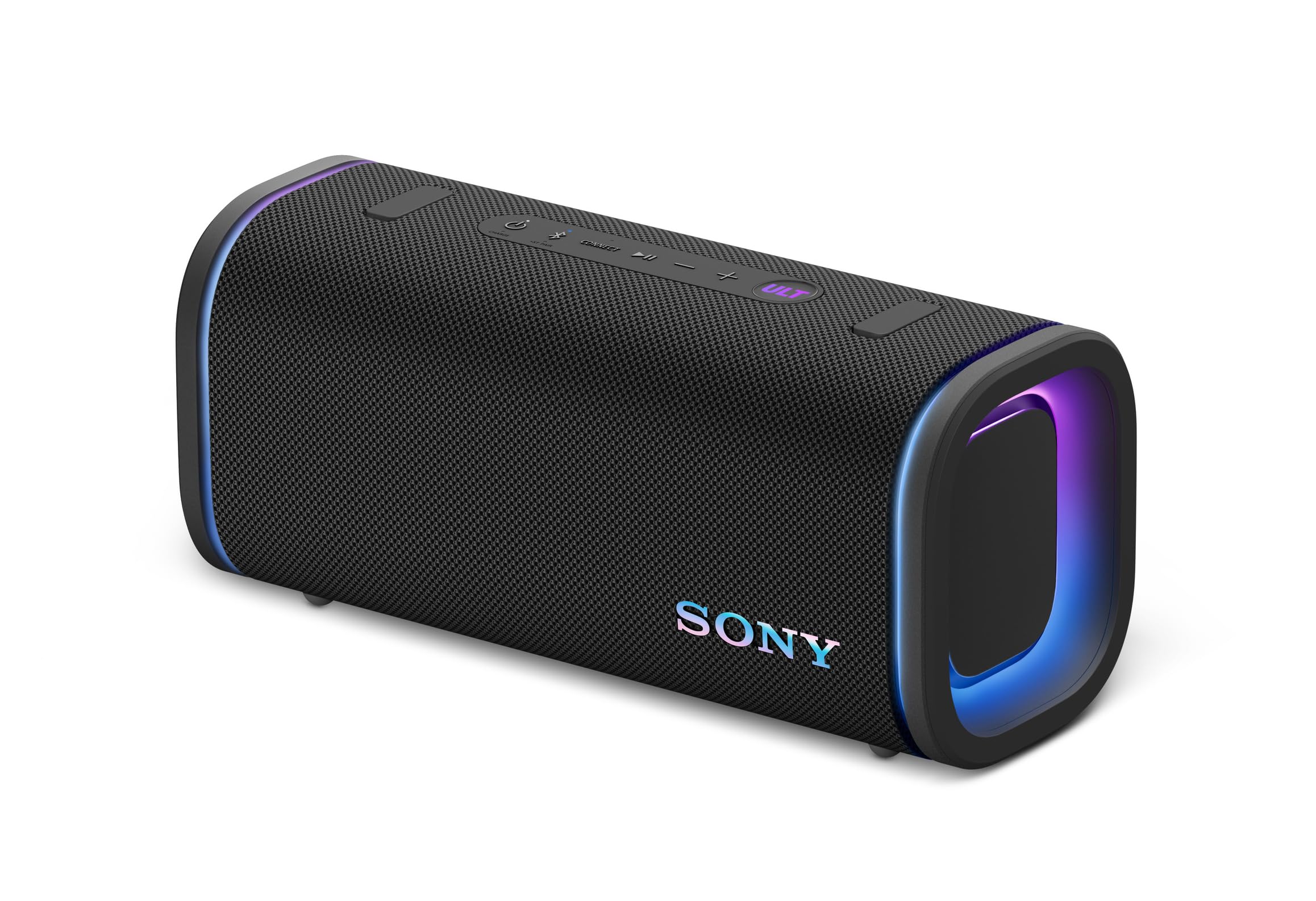

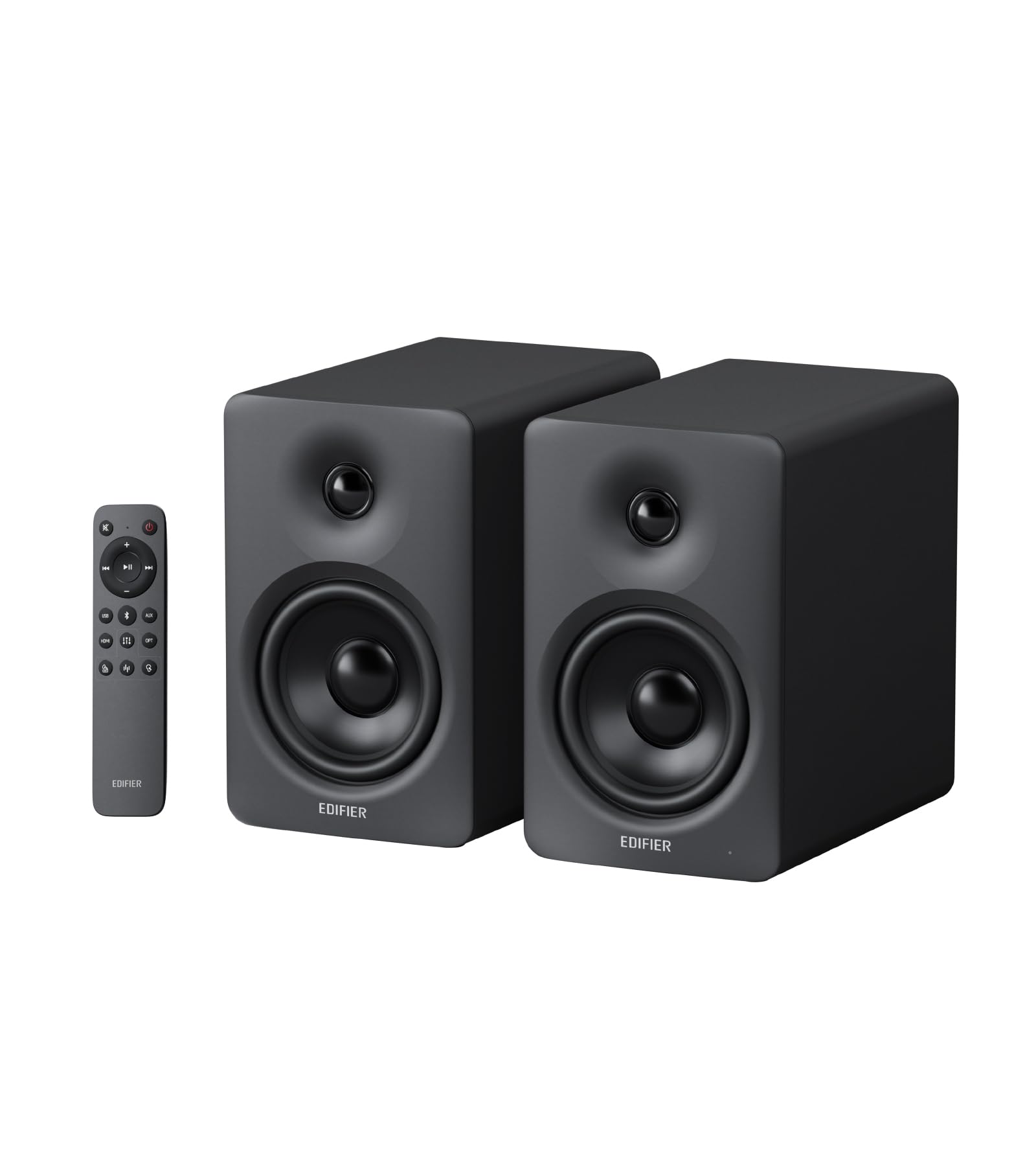

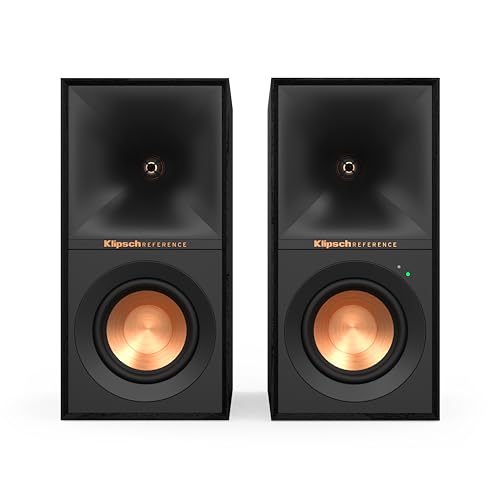


Three Tiers That Cover Most Buyers
Rather than naming individual models, this section describes the profile a good buy has at each level. Hold any speaker in the product table above against its tier profile. If it misses a key point, it should cost less than its rivals or offer something extra in return.
Budget Profile
A good budget profile suits small rooms, desks, kitchens, and travel bags. Expect one compact unit with Bluetooth connection, simple controls on the top panel, and battery life around ten hours for portable models. Sound will be clear for voices and background music, with limited deep bass. Expect to pay around $30 to $80. The compromise is volume and fullness: a single small driver cannot fill a large room. If your main use is podcasts and radio while you cook or work, this tier honestly covers you.
Midrange Profile
A good midrange profile suits most living rooms and regular music listening. Expect larger drivers, a fuller low end, app control with an equalizer, and the option to pair two units for stereo. Portable models at this level often add water resistance and battery life around twenty hours. Expect to pay around $80 to $250. The compromise is that premium materials and the finest tuning still sit above this tier. For most households, though, this is where sound quality jumps the most per dollar spent.
Premium Profile
A good premium profile suits dedicated listening, larger rooms, and buyers who keep gear for many years. Expect multiple drivers, careful tuning, strong build quality, and connections for wired sources as well as wireless ones. Bookshelf models at this level may need a separate amplifier, which adds cost but allows upgrades later. Expect to pay around $250 to $600 or more. The compromise is size and price: big cabinets and heavy portable units are not grab and go gear. Buy here if you listen closely and often.
What Your Money Gets You at Each Price Tier
Budget Tier: What to Expect
Budget speakers focus on convenience. You get Bluetooth pairing, a rechargeable battery on portable models, and controls simple enough for anyone in the house. Cabinet materials are usually plastic, and the sound favors voices over deep bass. That tuning actually suits talk radio, audiobooks, and video calls well. Judge this tier on clarity at low volume, honest battery claims, and a charge port that uses a common cable. Anything beyond that, such as lights or novelty shapes, adds cost without adding sound.
Midrange Tier: The Sweet Spot for Most Buyers
Midrange speakers add the upgrades you can hear. Larger drivers move more air, so music gains body and drums sound like drums. Apps appear at this level, giving you an equalizer, firmware updates, and pairing controls. Build quality improves, with tighter seams and buttons that feel firm. Many buyers comparing purely on sound should read our guide to the best sounding speakers alongside this one, since it ranks the same budget against sound quality alone. For a main home speaker, start your search in this tier.
Premium Tier: When Spending More Pays Off
Premium speakers pay off when your room is large, your music collection is varied, or you listen at high volume without distortion. You gain headroom, meaning the speaker stays clean when pushed. You also gain better stereo separation on paired or bookshelf setups, plus inputs for a turntable, a television, or a computer. Finish quality matters here too, since a matte black cabinet that resists fingerprints looks good for years. Spend up only if you will use those strengths weekly, not for a party once a year.
Features Worth Paying For (and Ones to Skip)
Sound Quality and Tuning
Sound quality starts with driver size and cabinet volume, not with watt figures on a box. Frequency response figures tell you the range a speaker can produce, but balance matters more: a neutral tuning suits all music, while a bass heavy tuning flatters dance tracks and thins voices. If a listing quotes power without naming the measurement method, treat the number as marketing. Trust tier, driver count, and honest owner reports about clarity at the volume you actually use.
Ecosystem and App Features
An app earns its place when it adds an equalizer, stereo pairing, and firmware updates that fix bugs. It is a burden when basic volume or pairing hides inside menus. Check which phone systems the app supports and how often it is updated. Buyers who prefer simple wireless links without brand lock in can compare our guide to the best bt speakers, which focuses on Bluetooth models across brands. A speaker that works fully from its own buttons will never be stranded by an app shutdown.
Microphone Quality
A built in microphone turns a speaker into a speakerphone and a voice assistant. Quality varies widely. Good microphones keep your voice clear from across a room and cut echo on calls. Poor ones make you lean in and repeat yourself. If you plan to take work calls or game chat through the speaker, this feature is worth paying for at midrange level and up. If the speaker lives in a bedroom for music only, skip it and put the money toward a larger driver.
Placement and Room Size (for Speakers)
Match the speaker to the room before you match it to your phone. A compact unit sounds thin in a large open plan space, while a big bookshelf pair overwhelms a small desk. Keep speakers at ear height where you can, and pull them a little away from walls to reduce boomy bass. Corner placement boosts low end for free, which can rescue a small speaker or swamp a large one. Stereo pairing helps wide rooms most, because it spreads sound evenly instead of blasting from one corner.
Connectivity (Bluetooth Version, Codecs, Wired)
Bluetooth 5.3 gives a stable link and better range than older versions. Codecs decide how much detail survives the wireless trip: AAC suits Apple devices, while aptX and LDAC can carry more detail from compatible Android phones and players. Multipoint connection lets a speaker hold two devices at once, handy for a laptop and a phone. Latency matters for video and gaming, so look for a low latency mode or a wired input. A simple 3.5 mm socket remains the most reliable connection ever fitted to a speaker.
Long Term Costs to Factor In
The purchase price is not the whole cost. Portable speakers need a replacement battery eventually, and sealed designs make that a service job rather than a home fix. Bookshelf setups may need speaker wire, stands, or an amplifier. Outdoor models benefit from a carry case that protects the finish. Warranty length varies from one year to five, and a longer warranty often signals a maker who expects the product to last. Seasonal sales can shift tiers too, so timing a purchase around events covered in our guide to the best speakers black friday deals can move a midrange budget into premium territory.
FAQs
Do I need a special codec?
Most listeners do not need a special codec. Standard Bluetooth audio sounds fine for casual listening, podcasts, and video. A codec such as LDAC or aptX helps only when your phone supports it, your music files are high quality, and the speaker tuning is good enough to reveal the difference. Check both ends of the chain before paying extra for a codec badge on the box.
Wired or wireless: which sounds better?
Wired usually sounds better at the same price, because no compression or radio link sits between the source and the speaker. Wireless wins on convenience, placement freedom, and quick pairing with phones. A useful middle path is a speaker with both options: use wireless daily and plug in a cable for films or focused listening. That flexibility costs little at midrange level and removes the need to choose today.
What IP rating do I need for outdoor use?
An IPX5 rating handles rain and splashes, which covers gardens and covered patios. Choose IPX7 if the speaker may fall into a pool or sit beside one, since that rating allows brief immersion. Remember that the X means dust resistance was not rated, so beach sand still deserves care. Rinse salt water off after seaside use and let the charge port dry fully before plugging in.
Is ANC worth the extra cost?
Active noise cancellation belongs mainly to headphones, not room speakers, so treat ANC claims on a speaker with caution. What some speakers offer is noise reduction for their microphone, which cleans up your voice on calls. That feature helps in a busy kitchen or office. For listening in a noisy room, more volume headroom and a placement closer to you will help far more than any cancellation badge.
How long does the battery last?
Portable speakers typically play for about ten to twenty four hours per charge, depending on size and volume. Loud listening can cut the quoted figure nearly in half, since makers measure at moderate volume. Battery life also fades slowly over years of charging cycles. If you host long outdoor days, pick a model that can play while charging, and carry a power bank as backup rather than trusting the box figure.
Final Thoughts on Black Speakers
Decide your tier first, then judge sound, connections, and placement fit inside it. That order stops small features from inflating your budget. Compare the options in the product table above against the tier profiles, and you will find the best black speakers for your room without paying for power you will never use.


