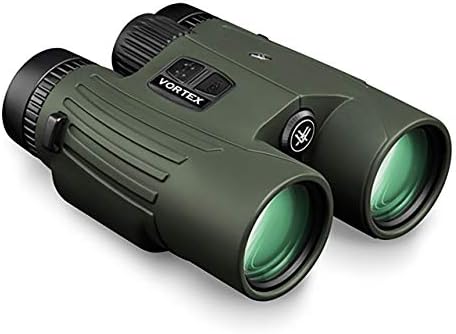
Best Binoculars with Night Vision: What Actually Matters in 2026
Disclosure: We may earn a commission when you buy through links on this page, at no extra cost to you. As an Amazon Associate I earn from qualifying purchases. Learn more

Shoppers comparing the best binoculars with night vision should weigh illuminator range, screen and battery first. Here is what matters.
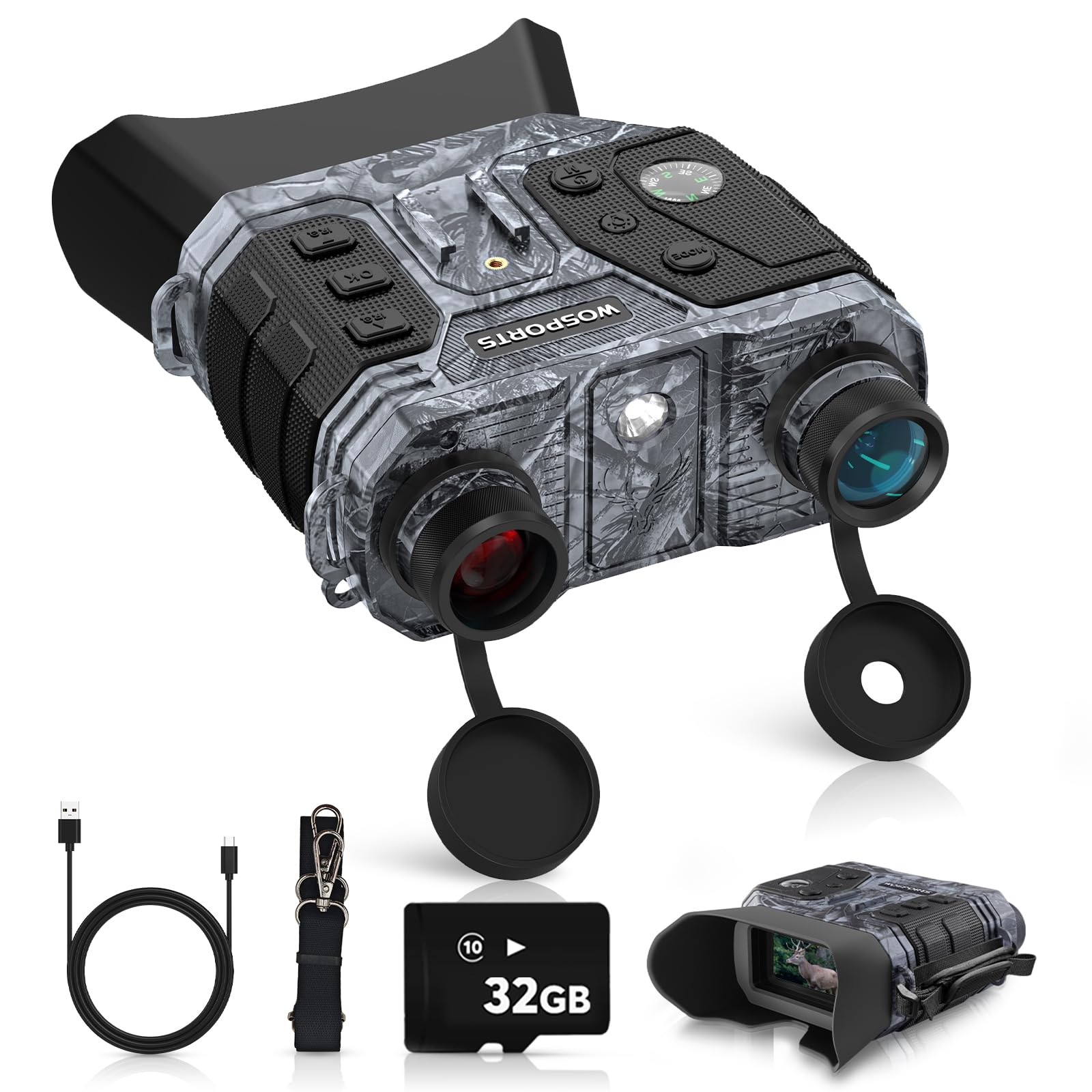
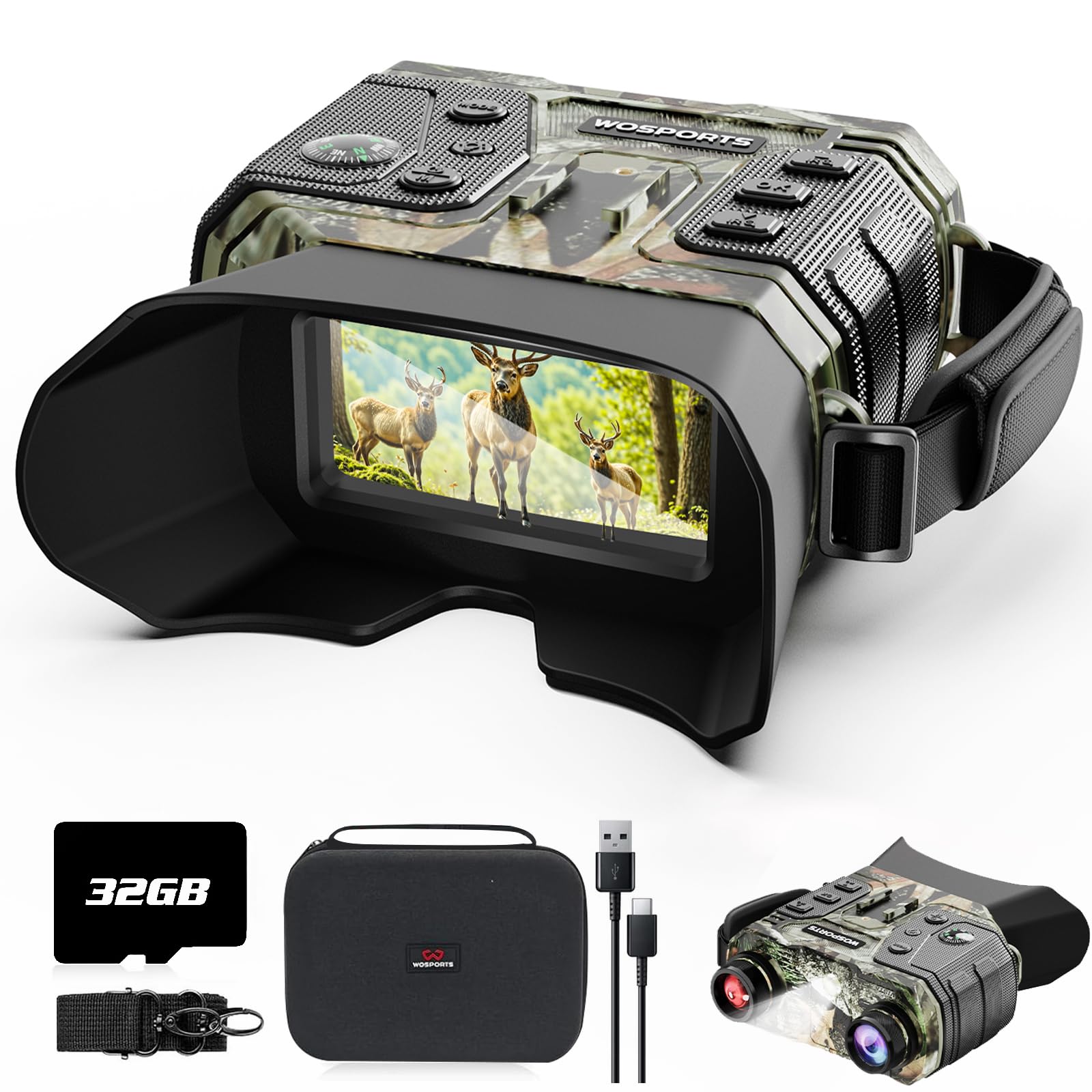
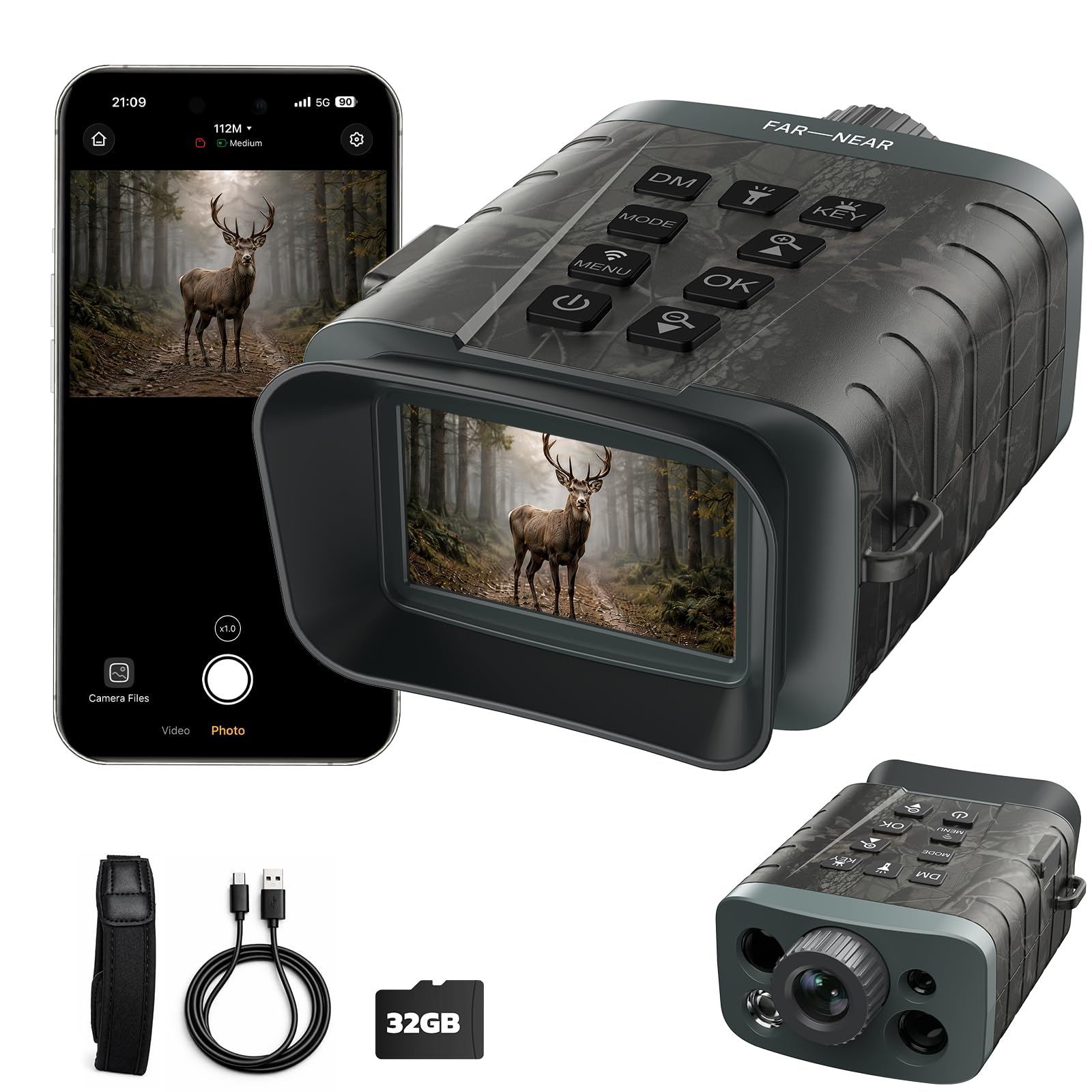
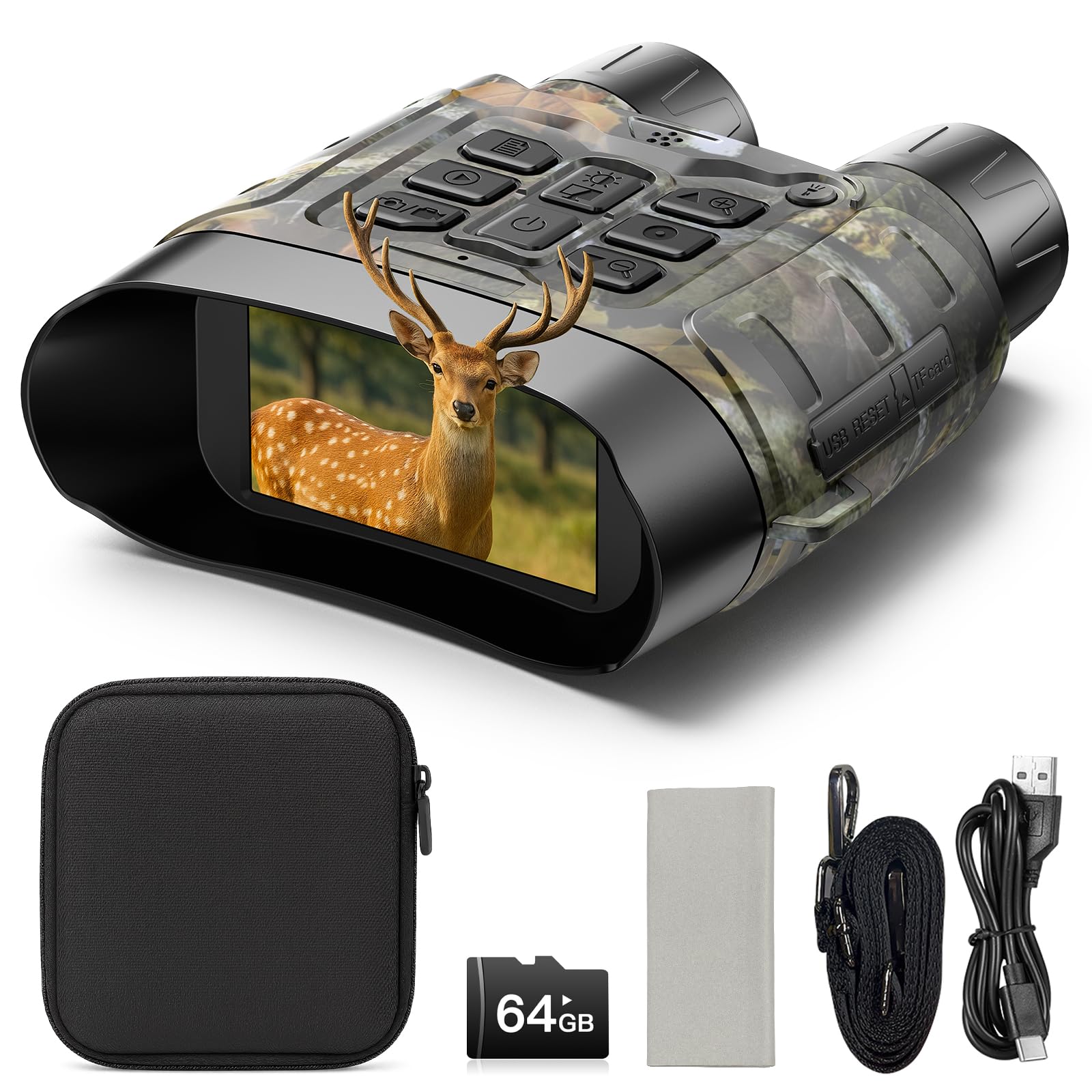
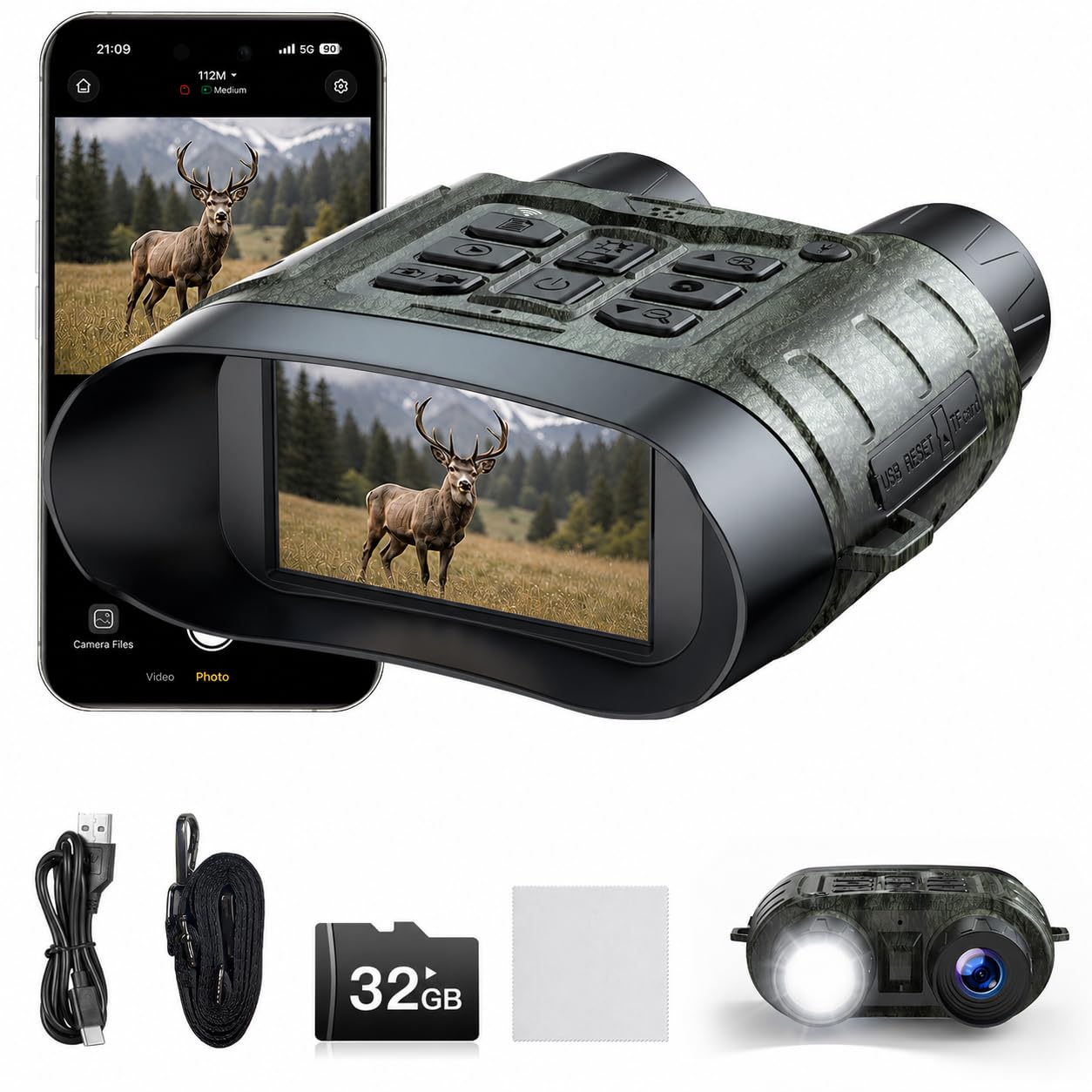
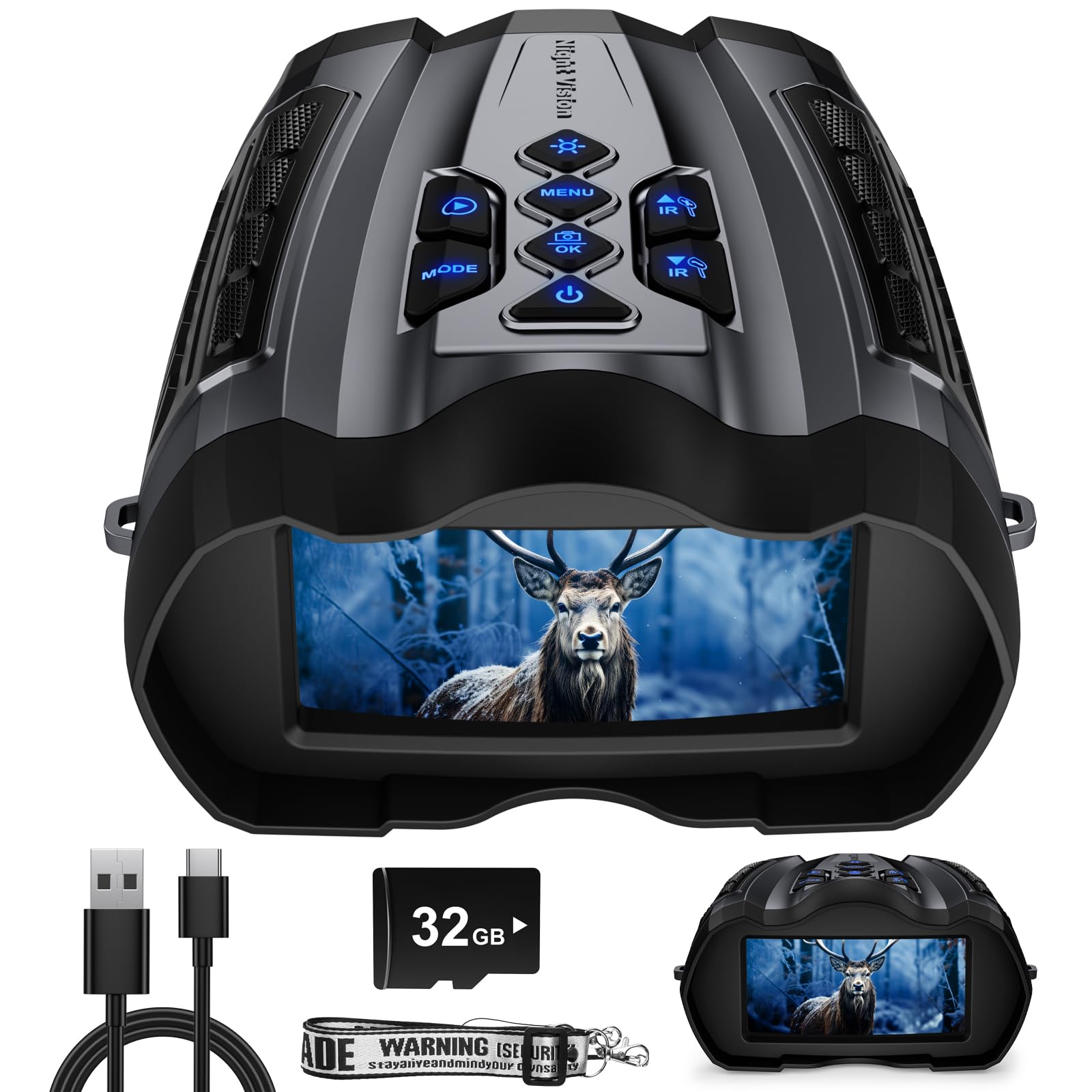
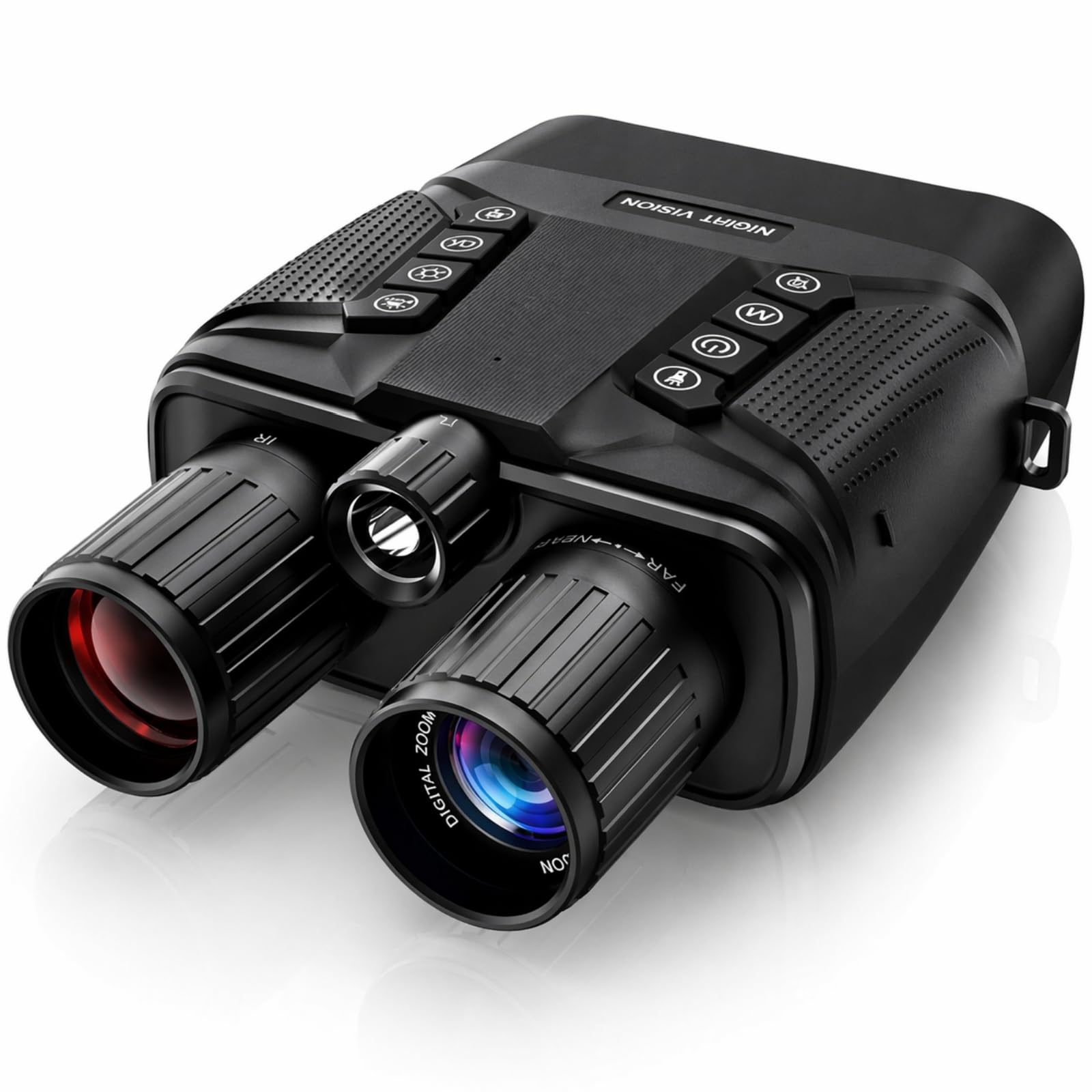
Before you compare prices, it helps to know what these devices really are. The best binoculars with night vision are not ordinary binoculars with a special coating. They are digital devices: a sensor gathers the little light available, an infrared illuminator adds invisible light of its own, and a small screen shows you the picture. You look at a screen rather than through glass, and that one fact shapes everything about how they perform after dark.
That design also sets honest limits. These devices cannot see through walls or windows, fog and rain scatter the infrared beam and shorten the view, and battery life falls fast while the illuminator runs. The comparison table below sorts the three kinds of night viewing gear side by side, and the sections after it walk through the specs that decide what you will actually see.


First, Know What Kind of Device You Are Buying
A daylight binocular passes light straight through glass to your eyes, so it is only as good as the light around you. A digital night vision device works more like a camera: the sensor turns faint light into a picture, the illuminator acts as a flashlight only the sensor can see, and the screen does the rest. Thermal viewers are a third product again, because they read heat instead of light and show a heat picture with no detail of faces, signs or markings.
| Device type | How it forms the image | Works in total darkness | Fog and walls |
| Digital night vision binoculars | Sensor plus infrared light, shown on a screen | Yes, with the illuminator switched on | No. Fog shortens the range and walls block the view fully |
| Daylight binoculars | Glass lenses and your own eyes | No, they need some light to work with | No |
| Thermal viewers | Heat differences, shown as a heat picture | Yes, they need no light at all | No, though light fog bothers them less |
One more boundary is worth drawing before you spend. Star watching belongs to glass optics, because a lit screen ruins the dark adaptation your eyes build over roughly half an hour, and the picture is a small video feed rather than the sky itself. Shoppers hoping one device will cover astronomy too can read our guide to best night vision binoculars for stargazing with that limit in mind, since most star watchers still reach for plain glass.
The Specs That Decide the Best Binoculars with Night Vision
When you compare listings for the best binoculars with night vision, five factors matter more than everything else on the spec sheet combined. Work through them in this order and the price classes later in this guide will make much more sense.
The Illuminator Sets Your Real Range
The infrared illuminator is the heart of the product, because its strength class decides how far the sensor can see on a moonless night. Better devices offer several illuminator levels, so you can run a low setting for close work and save the highest setting for open ground. Treat every headline range figure with suspicion: makers measure on clear nights in open country, often counting the distance where a large shape is merely detected. The distance where you can identify what you are looking at is far shorter, and that shorter distance is the one to shop by.
Sensor and Screen Quality
The sensor decides how much picture the device can build from faint light, and the screen decides how much of that picture reaches your eyes. Screens run from small panels to panels around three inches across, and a larger, sharper screen is easier to watch for long stretches. In deep darkness every sensor image carries grain, because the device is amplifying a weak signal. A clearer screen will not remove that grain, but it keeps edges and shapes readable instead of letting them dissolve into static.
Magnification, the Objective Lens and Digital Zoom
Optical magnification on these devices is modest, and that is a good thing, because high magnification narrows your field of view and magnifies every shake of your hands. The second number in the spec is the objective lens size, and a larger objective gathers more light for the sensor to work with. Digital zoom is different from optical zoom and far less useful: it simply crops the middle of the sensor image and enlarges it, so the picture gets bigger and softer at the same time. When a listing shouts a huge zoom number, check how much of it is digital cropping before you pay for it.
Recording Photos and Video
Most devices in this class record photos and video to a memory card, and for many buyers that feature earns its keep. A short clip of the animal that visits your feeder at night, or of a trespasser near the barn, is worth more than a story nobody believes. Recording does add cost, buttons and battery drain, and the still photos are modest next to a phone camera in daylight. Check whether a memory card is included in the box or is a second purchase waiting to happen.
Battery Life With the Illuminator Running
Battery claims on the box usually assume the illuminator is off or on its lowest setting, which is not how anyone uses these devices. On the higher illuminator settings, runtime can fall to a fraction of the headline figure, because the infrared light is the hungriest part of the system. Devices split into two camps: sets of replaceable batteries you can swap in the dark, and built in rechargeable packs that last longer per charge but end your night when they die. Carry spares either way, switch the illuminator off between sightings, and expect cold weather to shorten every runtime further.
Day Mode, and Why It Never Replaces Glass
Nearly every digital device offers a day mode that shows a colour picture on the screen, and it genuinely works for scouting a field edge or reading a distant sign. It still does not replace a daylight binocular, because the screen washes out in bright sun, the field of view is narrow, and the battery drains while a glass binocular needs no power at all. Our guide to best day and night vision binoculars covers that combined class in full. The honest summary is that day mode is a useful bonus, and glass remains the better tool whenever the sun is up.
Who Gets Real Value From a Pair
Watching Wildlife and Hunting Land After Dark
For wildlife watching, the screen is a quiet advantage: several people can watch the same owl or deer at once, and nobody has to pass eyepieces back and forth. Remember that the illuminator can show as a faint red glow at the lens, and some animals and most people can notice it at close range, so keep your distance and let the zoom do less work than your patience. Hunters scouting feeders, field edges and trails after dark will find the hunting specific breakdown in our guide to best night vision binoculars for hunting.
Checking Your Own Land, Barns and Boats
Around a home or small farm, the distances are short, and even an entry class illuminator covers a yard, a driveway or a feed store with ease. The recording feature matters here, because a clip of the raccoon raiding the bins settles arguments and helps you fix the real entry point. Be clear about the limit, though: a handheld viewer is not a security system, since it alerts nobody while you are asleep. It complements cameras and lights rather than replacing them.
Campers and Night Walkers
On a campsite, one device serves the whole group, and children who cannot manage eyepieces can still watch the screen. Turn the screen brightness down as far as it goes, because a bright panel dazzles your companions and wipes out the night vision your own eyes have built. One practical warning for the trail: never walk while staring at the screen, since the flat picture hides dips and roots. Stop, look, memorise the next stretch of path, and then walk it.
Price Classes and What Each Step Adds
Entry class devices sell for under about $150, and they suit yard watching, campsite fun and a first taste of the technology. Expect a short illuminator reach, a small screen and a picture that turns grainy early, which is a fair trade at the price. If your ceiling is firm, start with our guide to best budget night vision binoculars and accept the shorter reach knowingly rather than by surprise.
The middle class runs from about $150 to $350, and it is where most serious watchers should land. Illuminators reach further, screens grow larger and sharper, and recording becomes standard rather than a bonus. Readers chasing value rather than the lowest ticket can cross check our guide to best night vision binoculars for the money before settling on a class.
Above about $350, the premium class buys larger objective lenses, more sensitive sensors and longer identification range, along with tougher housings in general terms. The improvements are real, especially for open country watching, but each step up costs more and adds less than the step before it. Lay the product table above against your true watching distance and let that distance, not the marketing, pick your class.
Quick Buyer Checklist
- Do you know the honest distance at which you need to identify what you watch, not merely detect it?
- Does the listing state how many illuminator levels the device has, or does it hide behind one headline range figure?
- Is the zoom optical, or is the impressive number mostly digital cropping?
- How long does the battery last with the illuminator on its higher settings?
- Does the device record, and is a memory card included or a second purchase?
- Can the screen brightness go low enough for close work without glaring?
- What does the warranty cover, and for how long?
Red Flags to Watch For
- Military grade or special forces claims with no named standard standing behind them.
- Range figures of many hundreds of yards attached to the cheapest class of device.
- Zoom numbers that quietly switch from optical to digital halfway down the listing.
- No mention anywhere of battery type, runtime or illuminator levels.
- Reviews that all praise the same unlikely detail in the same words, which tells you more about the listing than the device.
Care and Handling Tips
Clean the lenses with a proper lens cloth rather than your shirt, because grit trapped in fabric scratches coatings. Store the device in a dry, padded bag, and take the batteries out before long storage so a leaking cell cannot ruin the contacts. Keep a spare set of batteries or a charged spare pack with the device itself, since a night viewer with a flat battery is just luggage. Wipe the illuminator window clean as well as the main lens, because a smeared illuminator scatters its own light and quietly shortens your range.
Frequently Asked Questions
Can night vision binoculars see through walls?
No, night vision binoculars cannot see through walls, doors or any solid surface. The sensor can only build a picture from light that actually reaches it, and a wall lets no light through at all. Fog, mist and heavy rain also scatter the infrared beam, which is why range shrinks on damp nights. Thermal viewers cannot see through walls either, and ordinary glass blocks heat pictures too, so no handheld viewer of any type does what films suggest.
How far can night vision binoculars actually see at night?
The honest answer splits in two: detecting a large shape and identifying it are very different distances. You might detect a deer sized shape at several hundred yards on a clear night, yet only identify it as a deer at a third of that range or less. One trick helps in the field: the illuminator reflects brightly in animal eyes, and that eye shine often gives a creature away long before its body takes shape.
What do the magnification numbers on night vision binoculars mean?
The first magnification figure is the optical magnification, and it is the number that matters. Listings then add a digital multiplier on top, and the advertised total quietly combines the two, which is how a modest device ends up wearing a huge zoom claim. Judge a device by its optical figure and objective lens size instead. If a listing will not separate the two numbers, treat every zoom claim on the page as marketing rather than specification.
Why does the picture from night vision binoculars look grainy in deep darkness?
The grain is sensor noise, and it is normal rather than a defect. When almost no light is available, the device amplifies a weak signal, and the noise gets amplified along with the picture. Raising the illuminator setting cleans up the near field, though it can flatten depth and wash out close subjects. A little moonlight or sky glow improves the picture more than any setting, because it gives the sensor real light to work with.
Can night vision binoculars be used during the day?
Yes, digital night vision binoculars can be used during the day, and bright daylight will not harm them. That safety is a digital advantage: older tube based devices could be damaged by strong light, while a sensor simply shows a colour picture on its screen. The limits are practical instead. Sunlight washes out small screens, the field of view stays narrow, and the battery drains, so treat day mode as a bonus feature rather than a reason to leave glass binoculars at home.
Are night vision binoculars legal to use for hunting?
The rules vary sharply by state, species and season, so there is no single national answer. Some states allow these devices for scouting yet ban hunting with them, others restrict particular species or public land, and a few change the rules often enough that last season's answer may be stale. Check the current regulations from your state wildlife agency before the season opens. Watching wildlife on your own land outside hunting is broadly unregulated, but the moment a weapon is involved, the rulebook applies.
The Bottom Line
Buy the illuminator first, the screen second and the battery plan third, and the rest of the spec sheet matters far less than listings pretend. Match the class to the distance at which you truly need to identify what you see, keep the product table above open while you compare, and the best binoculars with night vision for your nights will usually pick themselves.