
Best Blankets for Photography: Which One Fits the Way You Use It in 2026?
Disclosure: We may earn a commission when you buy through links on this page, at no extra cost to you. As an Amazon Associate I earn from qualifying purchases. Learn more
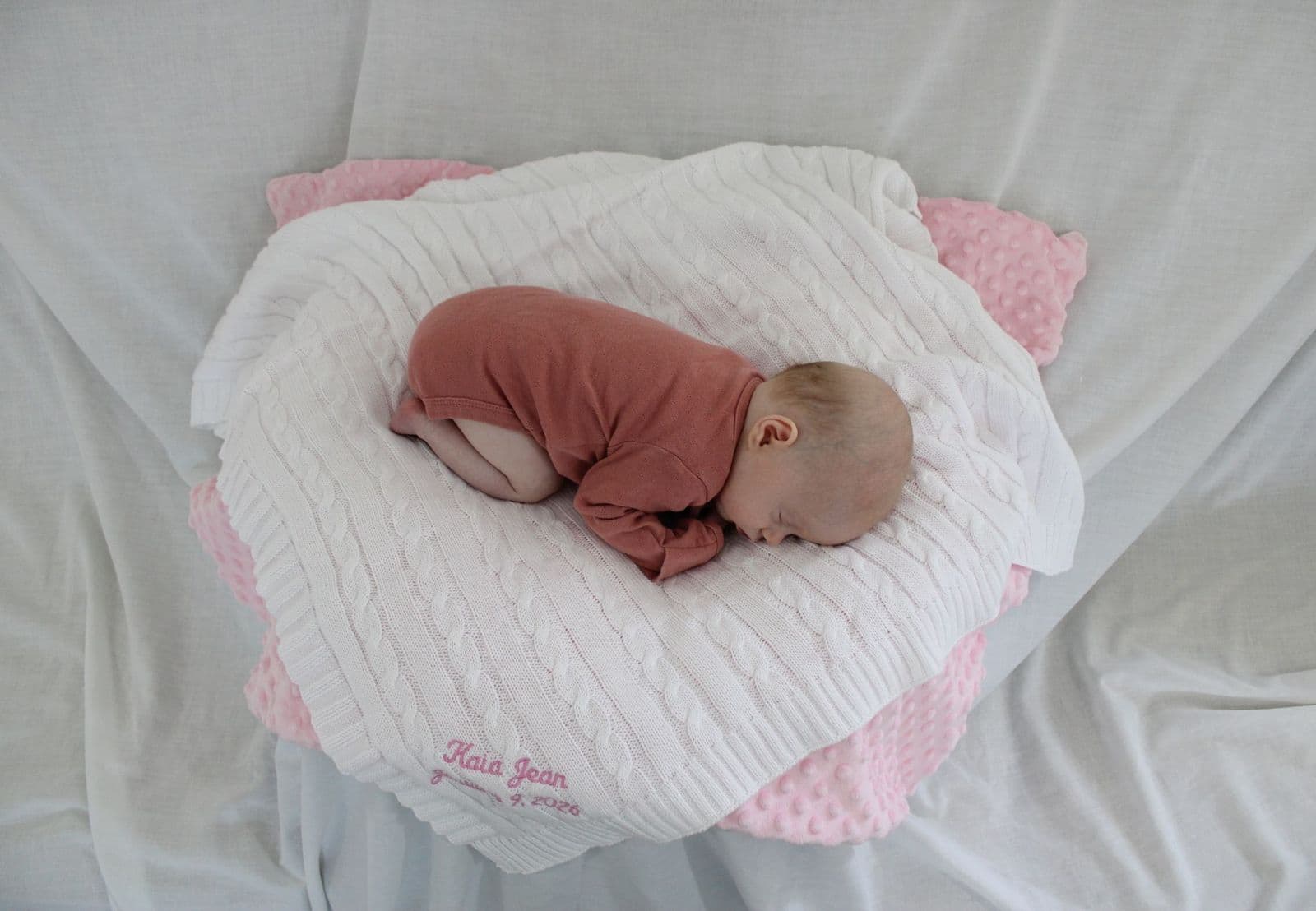
Discover the best blankets for photography for your needs. We match features to real use cases so you avoid overpaying and get the right fit the first time.
There is no single blanket that suits every shoot. A blanket that flatters a newborn in soft window light can look flat and shiny at an outdoor family session, and a bold textured piece that shines in lifestyle work can overwhelm a product shot. The right choice depends on your subject, your light, and your setting.
This guide matches blanket features to real use cases, so you can build a small kit that covers your work without overspending. Start with the best blankets for photography basics, then narrow by the way you actually shoot.
Who Should Buy Which Blankets?
For People Who Want the Best Performance
If photography is your work or your serious craft, performance means consistency. You need fabrics that hold true color under your lights, drape the same way every session, and survive weekly washing without pilling into your close ups. Natural fibers such as cotton, linen, and wool knits usually deliver that consistency, at prices often around $40 to $100 per piece.
Premium money is best spent on your core neutrals first. A warm white, a soft gray, and a deep muted tone in quality fabric will appear in most of your portfolio. Add color later. A smaller set of reliable blankets beats a large set of unpredictable ones when clients are waiting and light is changing.
For Value Seekers
Value seekers should look at cotton blends and quality acrylic knits around $15 to $40. In natural light these fabrics photograph far better than their price suggests, especially in matte weaves with fine texture. Spend your savings on variety, because a wider color range gives you more creative options per session than one costly piece.
Protect that value with gentle care. Wash in a mesh bag, dry on low, and store colors separately so dye transfer never ruins two blankets at once. Expect a shorter service life than premium fibers, and inspect before important shoots. For a part time shooter, replacing a value blanket yearly can still cost less than one premium piece.
For Gift Shoppers
A blanket makes a thoughtful gift for a new parent who loves photos, a hobbyist building a prop kit, or a seller styling goods for a small shop. Choose a neutral tone in a soft, washable fabric, because neutrals suit every subject and skin tone and forgive a beginner lighting setup. A size around 40 by 60 inches drapes over chairs, baskets, and laps with ease.
Include simple care in the gift. A note with washing guidance and a mesh laundry bag turns a pretty object into a lasting tool. Avoid scented or novelty fabrics with glued details, which can irritate skin and distract on camera. If the gift is for newborn sessions specifically, our guide to the best blankets for newborn photography covers the extra safety checks that age group needs.
Best Blankets for Specific Needs
Best Blankets for Photography Outside: What to Prioritize
When you shop for the best blankets for photography outside, three criteria move to the front. First, wind handling. A slightly heavier knit or woven fabric stays where you place it on grass or a bench, while a silky light fabric lifts and folds in every breeze. Second, ground tolerance. Choose a blanket you can shake clean and wash without worry, because outdoor surfaces add dirt, pollen, and moisture fast.
Third, sun behavior. Matte fibers keep highlights under control in bright light, and fade resistant colors survive a season of outdoor work. Bring a plain ground sheet to place under your good blanket on damp grass. That one habit protects your kit and keeps the visible layer clean through a full session of poses.
Key Features to Compare
Cooling and Breathability
Breathability matters whenever your subject is a person or an animal under warm lights or summer sun. Open knits, cotton, and linen let air move, so a wrapped baby, a posed pet, or a model in a styled scene stays comfortable longer. A settled subject gives you better expressions and fewer reshoots, which is a creative benefit, not just a comfort one.
In a studio, check how a fabric behaves after twenty minutes under your lights. Some synthetics build static and cling in odd folds that show on camera. A quick test shoot with a doll, a pet, or a patient friend will reveal cling, shine, and heat issues before a real client session depends on that blanket.
Material and Fill
Cotton is the dependable all rounder. It washes well, shows a soft matte texture, and drapes in natural folds. Linen adds visible weave texture that suits rustic and lifestyle work, and it softens with washing. Wool knits bring rich depth and warmth for autumn scenes, though they need gentler care and cost more.
Acrylic and polyester blends stretch your budget and hold bright dye colors, which helps for seasonal sets. Avoid thick fill for most photography, because puffy quilts create uneven surfaces and strong shadow lines. A flat blanket layers cleanly over pads and furniture. If build quality is your main worry, our guide to the best quality blankets explains stitching and weave checks in more detail.
Features That Matter for Photography
Four features decide most photography outcomes. Texture scale comes first. Fine texture adds depth without competing with your subject, while large chunky knits make a strong statement that suits wide shots and can overwhelm small subjects in close ups. Color accuracy comes next, so view fabric in daylight and under your studio lights before a session.
Drape and wrinkle behavior follow. Some fabrics hold a crease from storage that steaming cannot fully remove, and those creases read clearly on camera. Last is shine. Even a slight sheen can flare under flash, so test with your actual lighting. Photographers who style food or products should also keep one plain, lint free dark blanket, because dark backgrounds reveal every stray fiber.
Durability and Care
A photography blanket earns its place across many sessions, so washing tolerance is a core feature. Fabrics that fade unevenly, pill, or lose stretch will quietly degrade your images before they look worn in person. Wash new blankets before first use to remove finishes that can add shine, and note any color change on a white towel test.
Store blankets rolled or loosely folded in a clean, dry space, and keep a simple log if your kit grows. Note which blanket you used, how it washed, and how it looked on camera. That small habit, borrowed from many working stylists, stops repeat buying mistakes. For the camera side of your setup, our guide to the best cameras for photography pairs well with this fabric planning.
Common Mistakes to Avoid When Buying Blankets
- Buying by color on a screen alone. Monitor color shifts, so order one piece first or check fabric in daylight before building a set around it.
- Ignoring shine. A fabric that looks soft in a room can glare under flash, so test with your own lights before a paid or important session.
- Choosing size by guess. Small blankets limit draping options, so match size to your subject, furniture, and backdrop stand before you buy.
- Skipping the wash test. Dye transfer onto clothing or skin can ruin a session and a client relationship, so wash and rub test every new piece.
- Forgetting the subject. A beautiful blanket that irritates skin, traps heat, or sheds fibers fails, no matter how well it photographs in a product photo.
Setup and Care Tips
Before a session, steam or gently shake out storage creases and lay the blanket in place ten minutes early so folds relax. Keep a lint roller and small scissors in your kit to handle fibers and the occasional loose thread on the spot. Photograph a quick test frame and zoom in, because the camera reveals shine, lint, and creases your eyes miss at working distance.
After the session, wash according to the fiber label, dry fully, and store away from direct sun to protect color. Rotate your most used neutrals so wear spreads evenly across the kit. If a blanket starts to pill, move it to outdoor or background duty where the camera sits farther away, and replace it in your close up rotation.
Blankets: Your Questions Answered
What features matter most in blankets for photography?
Matte texture, accurate color, and clean drape matter most, because the camera records all three without mercy. Softness and safety follow for any living subject. One extra point is lint behavior. Dark fabrics that shed will mark light clothing and skin in close shots, so keep a lint roller in use during the session, not just before it, especially with knit fabrics.
How often should I replace my blanket?
Replace a photography blanket when pilling, fading, or lost stretch starts to show in your images, which may come before it looks worn in person. Busy studios may cycle core neutrals yearly, while home users often get several years. Do a yearly portfolio check. If one blanket keeps needing edits for shine or texture, retire it to non photo duty.
Are cooling blankets worth it for hot sleepers?
For photography with people and pets, breathable blankets are worth it because a comfortable subject holds a pose and expression longer. In summer or under studio lights, cotton and linen layers reduce fidgeting and flushed skin that shows on camera. If your subject is a baby, watch for flushed cheeks or damp hair, pause at once, and follow your pediatrician guidance on safe session conditions.
How do I wash blankets safely?
Wash photography blankets safely in cold water on a gentle cycle with mild detergent, using a mesh bag for knits. Test colorfastness first by rubbing a damp white cloth on a hidden corner. Dry on low or flat, then inspect for pills and loose threads before the blanket returns to your kit. Washing before first use also removes finishes that can add unwanted sheen.
Wrapping Up
Match the blanket to the shoot. Let subject, light, and setting choose the texture, color, and fiber, then check care and safety before price. Build your kit around proven neutrals, add color with value pieces, and test every fabric on camera before it matters. With that approach, choosing the best blankets for photography becomes a repeatable habit rather than a guess, so shoot a test frame before your next session.


