
Best Binoculars to See Planets: Buying Guide for 2026
Disclosure: We may earn a commission when you buy through links on this page, at no extra cost to you. As an Amazon Associate I earn from qualifying purchases. Learn more

Compare the best binoculars to see planets by exit pupil, magnification, and mount needs, with clear price bands and steady viewing tips for beginners.
A bright planet hanging over the rooftops can stop a whole evening walk. Through binoculars, Jupiter turns into a small disc with moons strung beside it, and Saturn shows a shape that no naked eye view can match. Choosing the best binoculars to see planets is mostly a question of balance: enough brightness for a dark sky, enough power for detail, and a setup steady enough to use that power. This guide explains the few specs that matter, and the comparison table below lines up each class with the kind of viewing it suits.
You do not need a large budget or a telescope to begin. A modest pair with the balance of exit pupil and magnification will show the moons of Jupiter on the first clear night, so read the factors below before you spend.


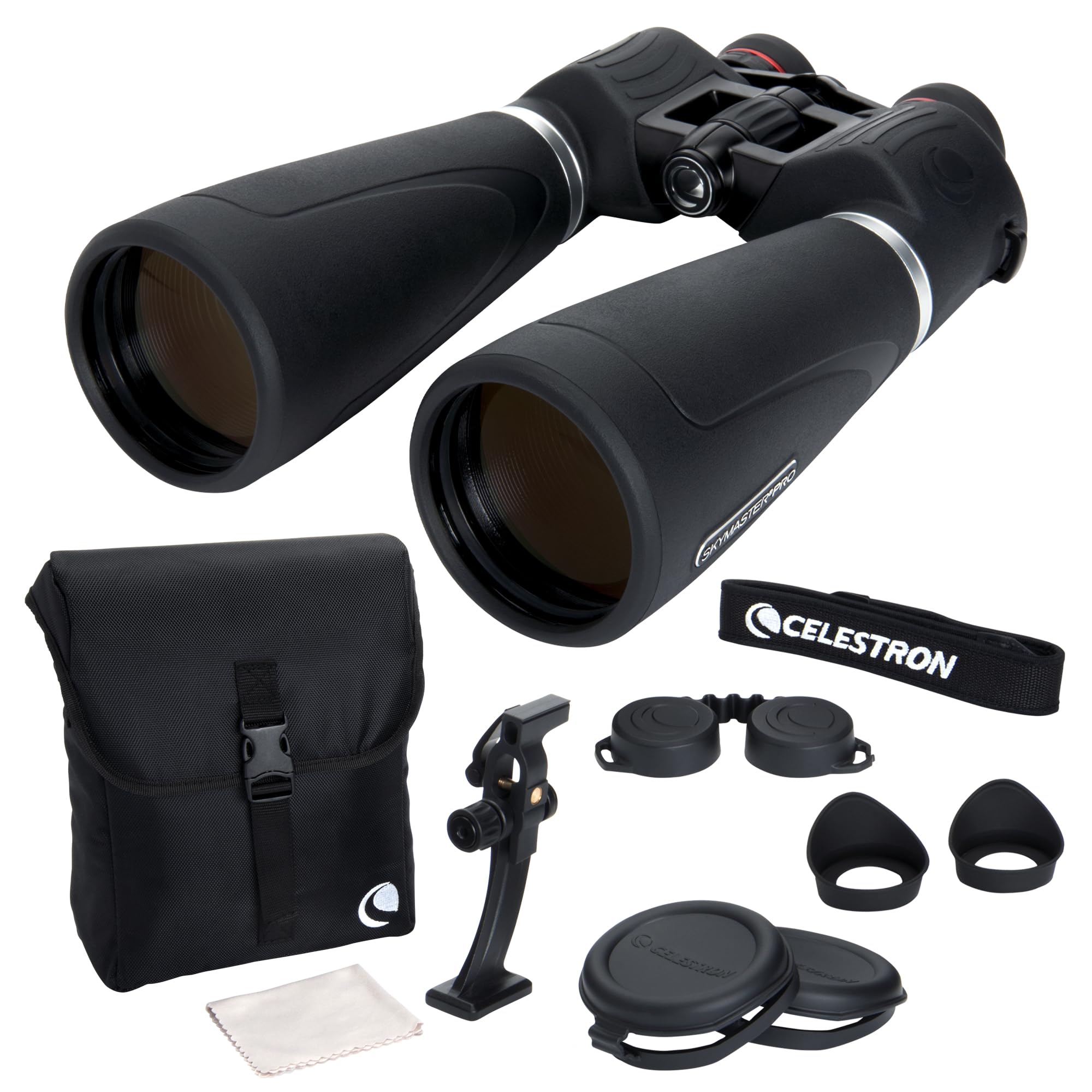


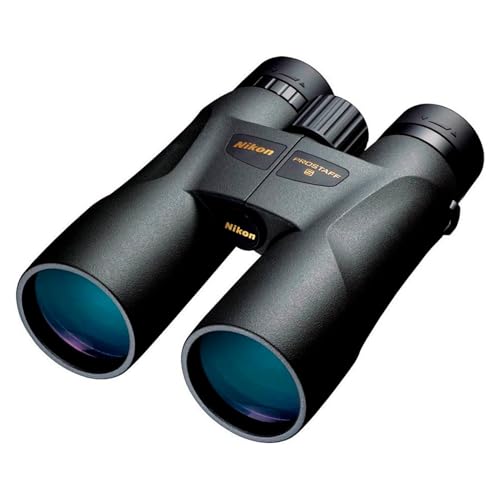


Who Should Buy Which Binoculars for Planet Watching?
Casual Backyard Viewers
You step out for ten minutes when the sky clears and you want a view right away. A low power pair in the 7x50 or 8x42 class suits you best, because the wide field makes planets easy to find and the bright image forgives shaky hands. You will see the moons of Jupiter and the oval shape of Saturn, and you can hand the pair to a guest with no setup at all. A lighter pair you grab often beats a heavier pair you leave indoors.
Detail Seekers Who Watch for an Hour or More
You track a planet across the sky and you care about the fine structure in the disc. A 10x50 pair, or a giant 15x70 pair on a mount, gives you the power and the light grasp your sessions demand. If your nights mix star fields with planets, our guide to the best binoculars for stargazing and planets weighs the wider view more heavily than this one does.
Families and Beginners Sharing One Pair
A shared pair has to fit different eyes, different hands, and different levels of patience. Look for a wide interpupillary range so smaller faces can merge the two circles into one image, and a smooth center focus wheel that small hands can turn. An 8x42 pair is the usual compromise, light enough for a child to hold for a short look. A pair that needs constant fiddling ends up used by no one.
Key Features to Compare
Four factors decide how a planet looks through binoculars, in a set order. When you compare the best binoculars to see planets, start with the exit pupil, because it governs how bright the scene appears. Then weigh magnification against steadiness, objective size against weight, and only then chase the coatings that sharpen fine detail.
Exit Pupil Governs Brightness
The exit pupil is the width of the light beam that reaches your eye, found by dividing the objective size by the magnification. A 7x50 pair gives an exit pupil of about 7.1 mm, an 8x42 gives about 5.3 mm, and a 10x42 gives about 4.2 mm. After dark, your own pupil opens wide, so a larger exit pupil keeps the sky background bright and the view relaxed and easy to place. Planets are bright targets, so the exit pupil governs comfort more than raw detail.
Magnification Decides When a Tripod Takes Over
Magnification enlarges the planet, but it also enlarges every tremor in your hands. Most viewers can hold 8x or 10x steady enough for short looks, especially while seated or leaning on a fence. At 12x the image starts to swim for many people, and at 15x and above the pair belongs on a tripod. Treat high power as a tripod class by default: a steady 10x view shows more real detail than a shaking 15x view. For distant targets on land in full light, our guide to the best binoculars to see far away focuses on reach rather than darkness.
Objective Size, Weight, and Session Length
Larger front lenses gather more light and support higher power, but glass is heavy and the weight lands in your arms. A 42 mm pair often weighs around 600 to 700 grams, a 50 mm pair around 800 to 1,000 grams, and a 70 mm giant can pass 1,500 grams before the mount. The pair you can hold still for twenty minutes will outperform the pair you set down after three.
Coatings and the Detail in the Disc
Fine detail on a planet is a contrast problem more than a power problem. Fully multi coated lenses and phase correction coatings keep bright edges clean, so the belts across Jupiter read as soft bands instead of glare. That band detail is the real test: you should see shading differences across the disc, the gap between Saturn and its rings, and the phases of Venus. The same contrast draws out the shadow line on the Moon, and our guide to the best binoculars to see the moon covers that target on its own.
When scores pile up under labels like best rated binoculars, read those scores as reports from shoppers about their own pairs, never as a lab test of sharpness or brightness.
Types of Binoculars for Planet Viewing
Planet binoculars fall into three classes that trade brightness, power, and weight against each other. Shoppers who want a planet only shortlist can compare classes in our guide to the best binoculars for planets, which sorts them by target rather than by session style.
Low Power Wide Field Binoculars
The 7x50 and 8x42 classes give the brightest, widest, and most forgiving views. They are the easiest pairs to aim and the best choice for scanning the Milky Way between planet looks. Jupiter shows its moons clearly, though the disc stays small. Prices run about $60 to $150 for sound examples in this class.
Mid Power Handheld Binoculars
The 10x42 and 10x50 classes add reach while staying usable in the hands for short sessions. The disc of Jupiter grows, the rings of Saturn separate from the planet as a distinct shape, and the view still feels wide enough to find targets fast. A chair with arm support extends your steady time a lot. Prices run about $120 to $300 in this class.
Giant Binoculars on a Mount
The 15x70 and 20x80 classes are built for a tripod and a patient viewer. They show the most disc detail of any binocular class, but they are heavy, narrow in field, and slow to set up. Buy into this class only when planet detail is the main goal. Prices run about $250 to $700, with the mount counted separately.
Common Mistakes to Avoid
- Chasing the highest magnification on the box, which gives a larger, softer, shakier image than a modest power pair.
- Ignoring the exit pupil, which leaves you with a dim and tiring view even though the magnification looked right.
- Buying a giant pair for handheld use, which turns every session into an arm workout that ends in minutes.
- Expecting telescope level surface detail, which leads to disappointment when a planet disc stays small.
- Judging a pair in a bright store, which hides the soft contrast that only shows up under a dark sky.
How to Make Your Binoculars Last Longer
Planet binoculars live outdoors at night, so dew and dust are the main enemies. These habits protect the optics you compared in the product table above.
- Wipe lenses with a microfiber cloth after using a blower to lift grit, because rubbing dry dust scratches coatings.
- Leave the pair uncovered in a warm room after a dewy night, so moisture dries before the caps go on.
- Store the pair in its padded case in a dry cupboard, away from heat that can damage seals.
- Check the hinge and focus wheel each season, before a small wobble becomes a double image.
Planet Viewing Binoculars: Questions Answered
Can binoculars show the rings of Saturn clearly?
Yes, at 10x the rings read as a clear oval shape around the disc, and at 15x on a mount you can see a dark gap between the rings and the planet. The rings tilt slowly over the years, so some seasons show them wide open and others show them nearly edge on and thin. A steady support matters more than extra power, because the gap is a fine line that hand shake erases first.
What magnification do I need to see the moons of Jupiter?
Any pair from 7x to 10x shows the four large moons of Jupiter as bright points in a line beside the planet. The moons move night by night, so one may hide behind the planet on a given evening. A free planetarium app or a printed sky chart helps you name which moon is which, and a steady rest, even a fence post, makes the smallest moon easier to hold.
Do I need a tripod for planet viewing with binoculars?
You need one only when magnification climbs past about 12x, or when you plan long looks at one target. A simple adapter, sold for around $15 to $25, clamps most binoculars to a standard photo tripod. A cheaper trick is a reclining chair: lying back with your elbows braced turns your body into the mount and keeps a 10x view calm for minutes.
Are binoculars or a small telescope better for planets?
Binoculars win on ease, width of view, and using both eyes, while a small telescope wins on fine detail at high power. A telescope at 100x shows cloud structure that no binocular can match, but it needs setup and alignment before each session. Many viewers start with binoculars for a full season, learn the sky, and then decide whether the telescope step is worth it.
How much should I spend on binoculars for planets?
Sound planet binoculars start at about $60 to $150, the broad middle runs about $120 to $300, and the giant classes run about $250 to $700 before the mount. Spend first on coatings and build quality, and only then on size, because a well coated 10x50 shows cleaner bands than a cheap 15x70. If a giant pair is the goal, set money aside for the mount in the same budget.
Final Thoughts
Planet viewing rewards balance more than any single spec. Let the exit pupil set your brightness floor, let your hands set your power limit, and let coatings deliver the band detail that makes a disc worth studying. On that basis, the best binoculars to see planets for most readers is a bright 8x42 or 10x50 pair, with a mounted giant as the step up. Compare the classes in the product table above and get outside on the next clear evening.


