
Best Binoculars to See Far Away for 2026: What Actually Matters Before You Buy
Disclosure: We may earn a commission when you buy through links on this page, at no extra cost to you. As an Amazon Associate I earn from qualifying purchases. Learn more
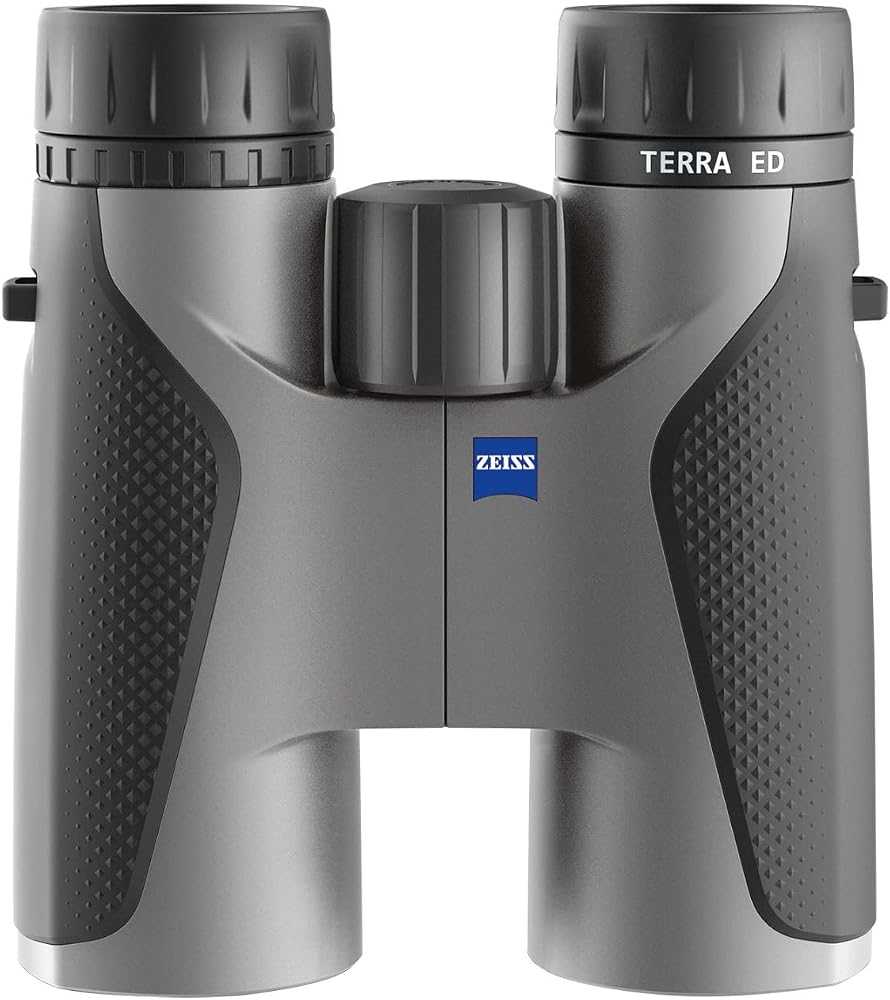
Compare binoculars for viewing far away targets with a checklist on magnification, objective lens size, brightness, field of view, and steady handling.
Distance viewing fails in predictable ways. The target shakes, the image dims at dusk, or you cannot find the subject because the view is too narrow. The best binoculars to see far away solve those three problems together.
Work through the user groups and features below, note what matches your targets, and then check your shortlist against the comparison table below. A pair that fits your hands and your light beats a stronger pair you struggle to hold still.
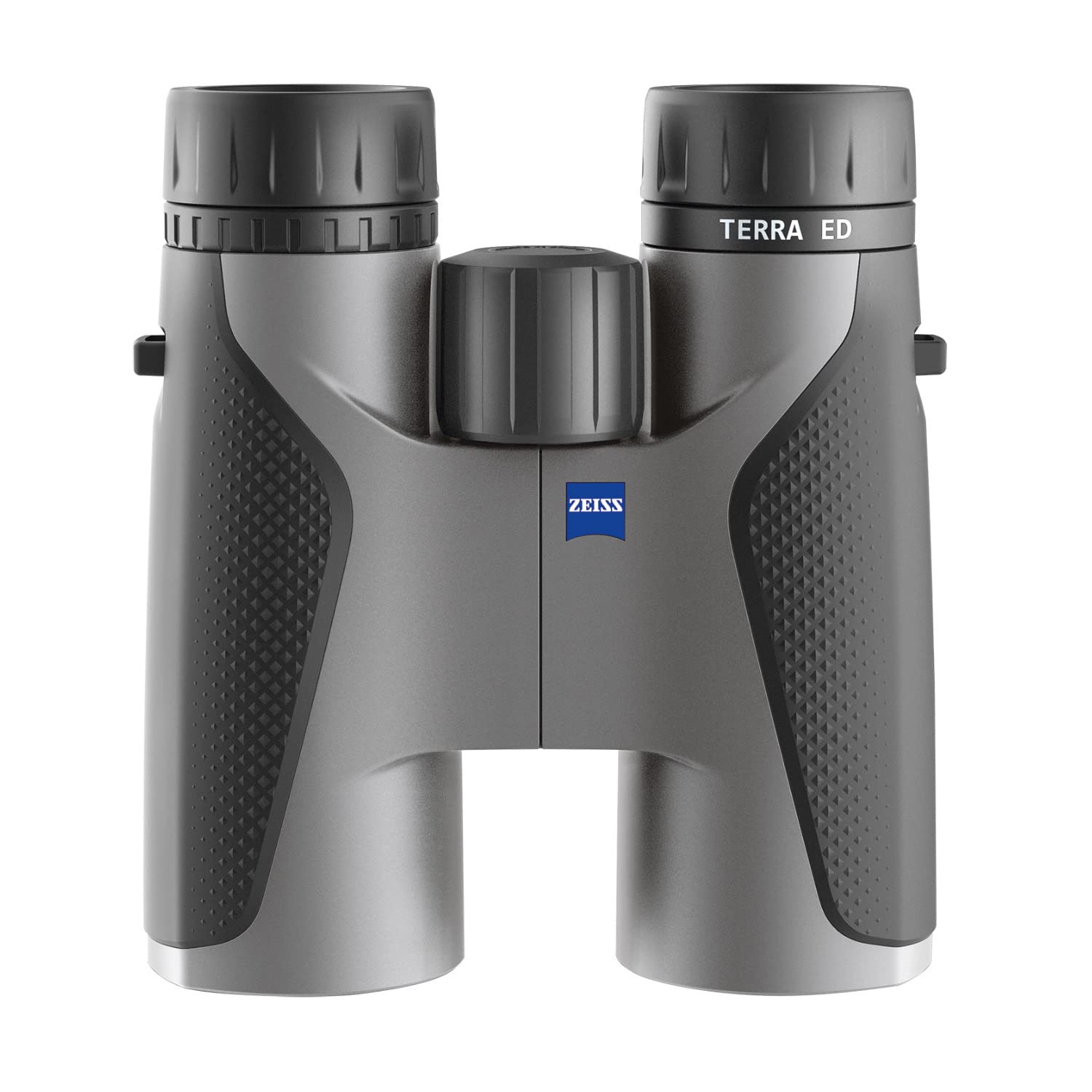


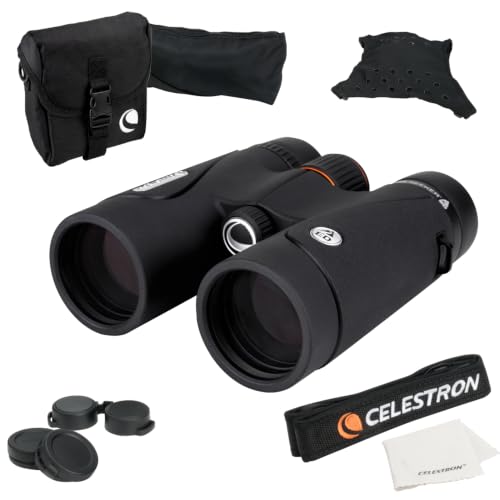
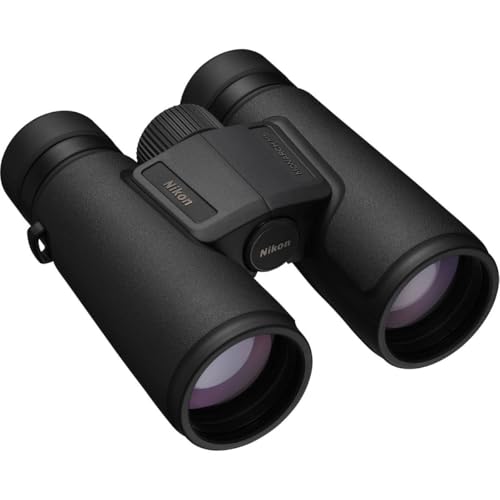


Who Should Buy Binoculars for Seeing Far Away
Start with where you stand and what you watch.
Watchers on Open Water and Shorelines
You track boats, buoys, seals, and shorebirds across flat, bright distance, often in wind and spray. A 10x42 pair gives useful reach while staying hand holdable, and a weatherproof, fogproof body matters in salt air. If your targets sit across very open ground or water, see our guide to the best binoculars for far distance for that narrower use case.
Hikers Who Scan Ridges and Wildlife
You carry your binoculars for hours and raise them often for elk, eagles, or climbers on a far slope. Weight matters as much as power, so a full size 8x42 or 10x42 pair around 24 to 28 ounces is a sensible ceiling. Stronger 12x models add reach, but extra shake and weight usually cost more sightings than they gain.
Night Sky Viewers Starting with the Moon and Planets
You want craters, the moons of Jupiter, and bright star fields from a yard or campsite. Larger front lenses gather more light, so 10x50 is the classic starting point, and a tripod adapter socket helps because small shakes blur fine lunar detail. Your sessions are stationary, so weight matters less than it does for hikers. For target specific advice, see our guide to the best binoculars to see the moon.
Key Features to Compare
When you shop for the best binoculars to see far away, judge these six factors in order.
Magnification: More Power Is Not Always Clearer
Magnification is the first number in a spec such as 10x42, and it tells you how much closer a target appears. At 8x, a bird at 80 yards looks as if it stood 10 yards away. Moving to 10x adds useful reach for open country, while 12x and above magnify hand shake, heat shimmer, and haze as much as the target. Most handheld viewing works best at 8x or 10x. Choose 12x only with braced elbows, stabilization, or a tripod.
Objective Lens Size and Image Brightness
The second number, such as 42 or 50, is the diameter of each front lens in millimeters. Bigger front lenses collect more light and support a brighter image, which helps at dawn, at dusk, and under tree cover. They also add size and weight, so the step to 50 mm suits stationary viewing better than long carries. Compact 32 mm models pack easily but give up brightness when targets are hardest to read. For all day use, 42 mm is the balanced choice.
Exit Pupil and Twilight Viewing
Exit pupil is the width of the light beam that reaches each eye, found by dividing the front lens size by the magnification. A 10x42 pair gives about 4.2 mm, while a 10x50 gives about 5 mm. Your own pupils widen in dim light, so a larger exit pupil keeps the image bright at sunrise and sunset instead of fading early. In full daylight, about 4 mm is enough. If you watch wildlife at the edges of the day, aim for about 5 mm.
Field of View for Finding and Following Targets
Field of view describes how wide a scene you see at once, often listed as feet visible at 1,000 yards. Higher magnification usually narrows it, which is why a 10x pair near 315 to 340 feet can feel tunnel like next to an 8x pair near 350 to 390 feet. A wider view helps you land on a small target quickly and follow it when it moves. Static subjects such as ships forgive a narrow field. Flying birds and moving boats do not.
Glass, Prism, and Coating Quality at Long Range
At distance, small optical flaws grow obvious. Extra low dispersion glass, often shortened to ED, reduces the purple or green fringe that can outline a bright bird against the sky. Phase coated roof prisms keep contrast crisp, and BaK 4 prism glass gives a rounder, brighter edge than basic BK 7 glass. Full multicoating cuts glare and lifts brightness without adding size. If a listing hides its prism glass or coating level behind vague words, treat that silence as a warning.
Eye Relief, Focus Reach, and Steady Handling
Eye relief is the distance your eyes can sit behind the eyepieces while still seeing the full view, and glasses wearers should look for about 15 to 20 mm with twist up eyecups. A smooth center focus wheel sharpens a target fast, and a diopter dial balances focus between your two eyes. A grippy body and balanced weight help at 10x. Beyond that, image stabilization or a tripod adapter stops the micro shake that erases fine detail.
Full Size, Stabilized, and Tripod Ready Formats for Distant Viewing
Full size handheld binoculars in 8x42 and 10x42 cover most distance jobs and need no support gear, so they are the default for travel, sport, and wildlife. Stabilized models calm the image electronically, letting 12x or 14x power stay usable in your hands, but they cost more, weigh more, and need batteries.
Tripod ready binoculars use an adapter that screws into the socket between the barrels. On a steady mount, 15x56 pairs resolve ship names, nest details, and lunar features that handheld models smear, though bulk limits them to porches, hides, and astronomy. Sky viewers can also see our guide to the best binoculars to see planets for power advice. To compare build and optics marks across brands, see our guide to the best rated binoculars.
A Quick Buyer Checklist for Distant Targets
Run this list against any pair you are considering. Two or three no answers in areas you care about should send you back to your shortlist.
- Is the magnification 8x or 10x, or do you have support planned for higher power?
- Is the front lens at least 42 mm for the light you usually view in?
- Does the exit pupil reach about 5 mm if you view at dawn or dusk?
- Does the listing name its prism glass and coating level clearly?
- Is the body weatherproof and fogproof for your climate?
- Is there a tripod adapter socket if you may mount the pair later?
Common Mistakes and Red Flags to Avoid
- Choosing the highest magnification on the shelf, so hand shake and haze erase the detail you paid for.
- Buying compact 25 mm lenses for dusk viewing, so the image turns dim as animals start moving.
- Trusting inflated zoom claims on no name listings, so you receive a weak pair with numbers printed to impress.
- Ignoring eye relief while wearing glasses, so you see a cropped circle instead of the full field.
- Skipping the diopter setup, so one eye stays slightly soft and long sessions end with eye strain.
Setup and Care Tips for Distance Binoculars
Set the barrel hinge first so the two circles of view merge into one without dark edges, then cover the right lens and focus the left eye with the center wheel. Next, cover the left lens and turn the diopter dial until the right eye is sharp, and leave that dial alone afterward. This one setup makes later focusing fast with the center wheel alone.
Clean glass with a blower and a clean microfiber lens cloth, never a shirt tail, which drags grit across the coating. Keep lens caps on between sessions and store the pair in a dry, padded case. Let a cold pair warm slowly indoors inside its case to limit condensation.
FAQ About Binoculars for Seeing Far Away
How much should you spend on your first pair of binoculars for far away viewing?
Plan on about $100 to $250 for a first pair. Below about $100, coatings and prism glass are usually the first corners cut, and the image suffers at distance. The middle band buys ED glass options, better seals, and stronger warranties. Spending more mainly improves edge sharpness.
Can a smartphone replace binoculars for seeing far away?
No, a smartphone cannot replace binoculars for sustained distance viewing. Phone zoom beyond its optical range crops and enlarges pixels, so detail turns soft quickly, and a flat screen washes out in sun. A phone still helps for recording what you found, and some viewers clip one to an eyepiece for photos, but that is a capture trick, not a viewing substitute.
Which binoculars are better for low light distance viewing?
Binoculars with larger front lenses relative to their power are better for low light distance viewing. An 8x56 or 7x50 pair delivers a wide exit pupil for very dim scenes, though both are heavy for long walks. Porro prism designs can offer strong brightness for the money because their simpler light path loses little light.
What binocular specs matter most for beginners who view distant targets?
Beginners should check fit specs first, especially interpupillary distance and focus wheel smoothness. The interpupillary range, often about 56 to 74 mm, must match the spacing of your eyes or the two images will not merge. A close focus distance around 6 to 8 feet is a bonus for butterflies and feeder birds between distant scans.
What do the numbers 8x42 and 10x42 mean on binoculars?
The numbers mean magnification times front lens diameter in millimeters, so 8x42 magnifies eight times through 42 mm lenses. The 10x42 reaches farther but shows more shake, while the 8x42 gives a wider, steadier view. The numbers are printed on the focus wheel housing, so match them to the box spec to avoid mix ups between display units.
The Bottom Line
For most readers, a 10x42 pair with clear prism and coating specs, a weatherproof body, and comfortable eye relief is the safest route to the best binoculars to see far away. Drop to 8x42 if you track moving targets or walk far. Compare your finalists in the product table above, and pick the pair that matches your light and your targets.


