
Best Bluetooth Speakers for Camping: Budget, Midrange, and Premium Picks for 2026
Disclosure: We may earn a commission when you buy through links on this page, at no extra cost to you. As an Amazon Associate I earn from qualifying purchases. Learn more

Compare camping speakers by budget, battery life, weather protection and outdoor volume so the music lasts the whole trip.
Camping speakers range from tiny models that cost less than a camp dinner to large rugged models that cost several hundred dollars, and the price gap can be hard to judge. Spending more does not always help at a campsite, while spending too little can leave you with weak sound and a dead battery on night two. This guide shows where money actually helps when you choose the best bluetooth speakers for camping, with the comparison table below to compare tiers quickly.
The choice is organized by budget first, then by features. That order mirrors how most campers shop: set a spending limit, then find the most durable and longest lasting speaker inside it.
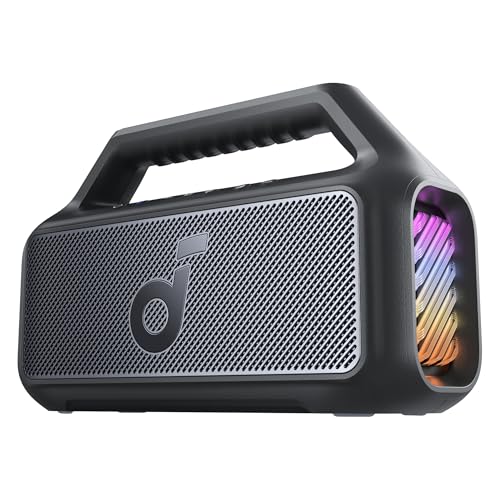


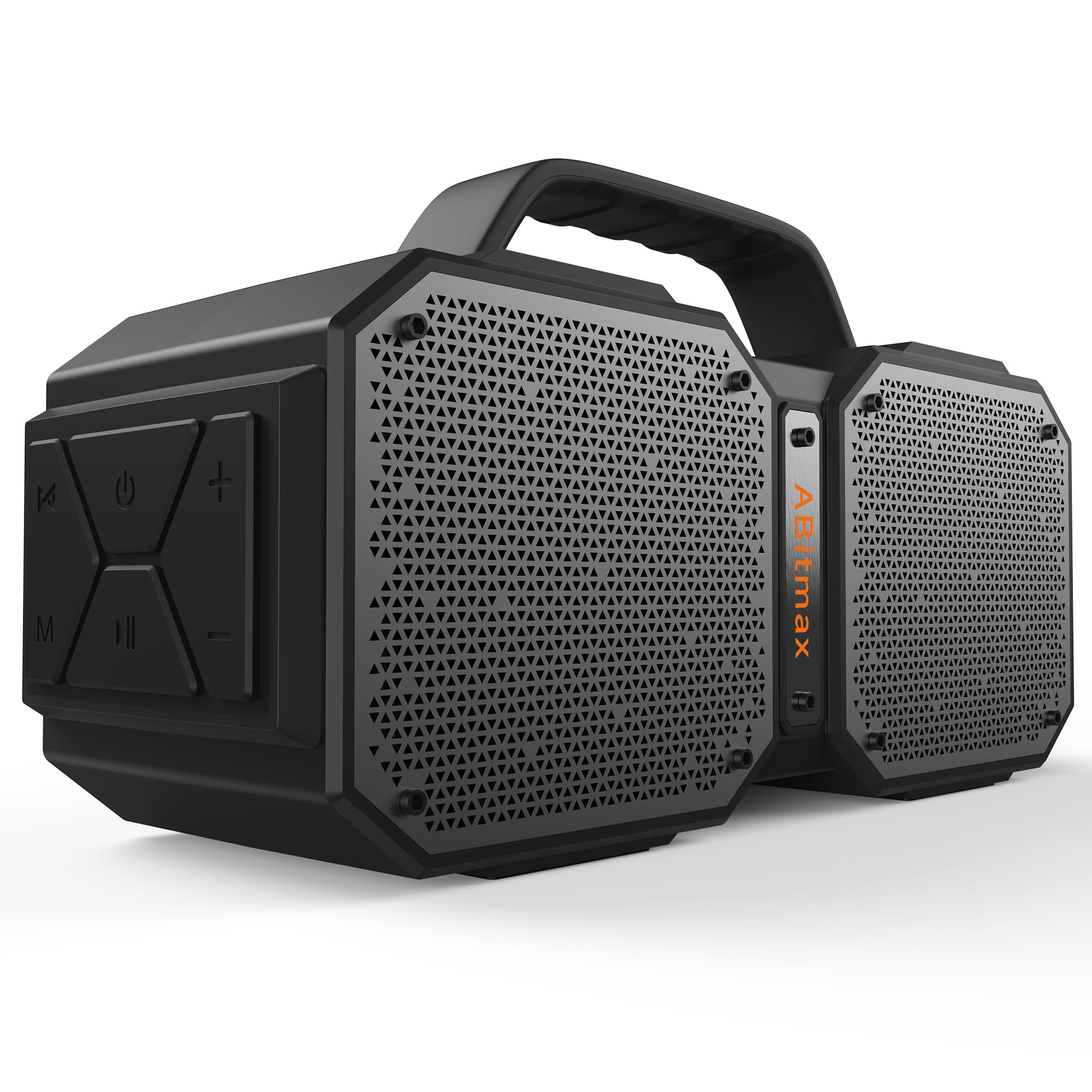


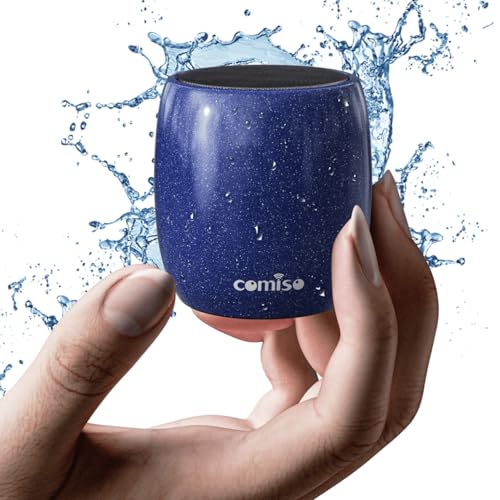
Top Choices by Budget: What Each Tier Should Deliver
Use this section as tier guidance, not as a list of named models. Any speaker you consider should meet the tier promises below. If a budget model claims premium battery life and huge sound at a very low price, read the details carefully, because trade offs are always present somewhere.
Budget Tier: Essential Camping Criteria
A good budget camping speaker, usually around $30 to $60, should still give you the essentials: at least 12 hours of battery life, IPX5 or better water protection, and a compact shape that fits a backpack side pocket. Sound will be clear for podcasts and acoustic music at close range, which suits a tent or small picnic table.
The limits are volume and bass. A budget model will not fill a large group site, and its battery claims assume moderate volume. Choose this tier for solo trips, short weekends, and backup use. Spend your remaining budget on a protective case and a charging cable you keep with your camp kit.
Midrange Tier: Balanced Camping Criteria
The midrange, usually around $70 to $150, is where most campers get the best value. Expect 20 hours or more of battery life, IP67 dust and water protection, stronger volume for a group table, and better bass from larger drivers or radiators. Many models in this tier add a power bank function to charge a phone in an emergency.
The trade off is size and weight compared with budget models, but the gain in reliability is real. Choose this tier for regular weekend camping, family trips, and any outing where a dead or quiet speaker would actually spoil the evening. It is the tier most buyers should start with.
Premium Tier: High Performance Camping Criteria
Premium camping speakers, usually around $180 to $350, add large drivers for group volume, very long battery life of 24 hours or more, and rugged builds that handle drops, dust, and rain with confidence. Some can pair with a second identical speaker for stereo or wider coverage across a large site.
Choose this tier only if you camp often with groups, host at large sites, or want one speaker for both camping and home patio use. The size and weight are poor fits for backpacking. For car camping, the extra sound and battery reserve can be worth the cost over several seasons.
What Your Money Gets You at Each Price Tier
Price tiers differ in predictable ways. Knowing the pattern helps you spot a fair deal and avoid paying for features that do not serve life outdoors.
Budget Tier: What to Expect
Budget models focus on portability and basic protection. You get Bluetooth pairing, simple controls, and enough sound for two to four people nearby. Materials are lighter, buttons may feel less solid, and battery life drops quickly at high volume. Warranty coverage is often shorter, so treat the speaker with extra care.
This tier makes sense as a first camping speaker or a spare. Keep expectations aligned with tent and table use, charge it fully before each trip, and store it dry between outings. With those habits, even a low cost model can serve several seasons of light use.
Midrange Tier: The Sweet Spot for Most Buyers
Midrange models add the features campers notice most: IP67 sealing, longer real world battery life, clearer sound at group volume, and USB C fast charging. Builds feel tougher, handles and straps are more secure, and companion apps may add an equalizer for outdoor tuning.
For overall quality across home and camp use, see our guide to the best quality bluetooth speakers and compare driver and build notes. Most families and regular campers should shop here first and only move tiers if a specific need pushes them.
Premium Tier: When Spending More Pays Off
Premium spending pays off in volume without distortion, battery reserve for multi day trips, and durability that survives rough transport. You may also get better low end sound outdoors, where bass disappears without wall support and larger drivers make an audible difference around a campfire.
It does not pay off if you backpack, camp once a year, or listen mostly inside a tent at low volume. In those cases the extra weight and cost add burden without benefit. Match the tier to your trip style, not to a desire for the biggest specification list.
Features Worth Paying For (and Ones to Skip)
Not every feature deserves part of a camping budget. The points below separate outdoor essentials from nice extras.
Connectivity (Bluetooth Version, Codecs, Wired)
Bluetooth 5.3 is worth having for a stable link and good range around a campsite, where your phone may stay in a tent while the speaker sits at the table. Multipoint is convenient at home but less important outdoors. Codec choice matters little outside, so do not pay a premium for codec badges on a camping model.
An auxiliary input is a useful backup if wireless pairing fails or a friend wants to play music from an older device. Keep a short cable in your camp kit. It weighs almost nothing and can save an evening of music.
Features That Matter for Camping
Camping demands battery life, water and dust protection, and a build that tolerates drops onto dirt or picnic tables. Look for IP67, at least 20 hours of claimed battery life in midrange models, glove friendly buttons, and a loop or handle for hanging the speaker from a branch or canopy pole at ear height.
Sound carries differently outdoors, so extra volume headroom matters. A speaker that sounds loud indoors at half volume will serve you better outside than one already straining indoors. For dedicated outdoor designs, see our guide to the best camping speakers for durability checklists.
Noise Cancellation and Isolation
Active noise cancellation is not a useful camping speaker feature, and you should skip paying for any such claim. Wind, birds, and camp sounds are part of the setting, and speaker microphones only matter if you take calls. Spend instead on battery life and protection, which affect every trip.
For courtesy, isolation is a social habit rather than a feature. Keep volume low after quiet hours, point the speaker toward your group and away from nearby tents, and lower bass at night because low notes travel far. Good campsite manners protect your access to music on future trips.
Sound Quality and Tuning
Outdoors, clear midrange helps vocals and acoustic instruments carry, while strong but controlled bass adds warmth around a fire. Look for an equalizer or outdoor mode if offered, because open air listening often benefits from a small bass lift at moderate volume. Avoid models that sound harsh at high volume, since you will use higher settings outside.
Practical tip: elevate the speaker on a table or hanging loop rather than placing it on the ground. Ground placement muffles clarity and invites dirt and moisture into ports. A small elevation change improves sound and protects the speaker at the same time. For patio and yard crossover use, see our guide to the best exterior bluetooth speakers.
Long Term Costs to Factor In
The purchase price is not the full cost. Budget for a protective case around $10 to $25, a spare charging cable, and eventual battery decline after a few years of heavy use. A model with a longer warranty can be cheaper over time than a low price model replaced twice.
Also consider charging gear you already own. USB C models share cables with modern phones, which reduces extra purchases. Solar charging panels can top up a speaker on long trips, but they charge slowly and work best as a supplement. Total cost over three seasons is the fairest way to compare tiers. For general outdoor listening beyond the campsite, see our guide to the best bluetooth speakers for outside.
Frequently Asked Questions
What features matter most in bluetooth speakers for camping?
Battery life, IP67 protection, and durable build matter most for camping. Those three decide whether the speaker survives the trip and plays all weekend. Next comes volume headroom for outdoor use. A speaker that meets those points in the midrange tier will satisfy most campers without premium cost.
What IP rating do I need for outdoor use?
IP67 is the best target for camping because it covers dust and brief immersion during heavy rain or an accidental drop in shallow water. IPX5 handles light rain for short trips. In all cases, dry the speaker and its port before charging, and store it dry at home.
How long does the battery last?
Midrange camping speakers usually last about 20 to 24 hours at moderate volume, while budget models last about 12 to 15 hours. Loud outdoor play shortens every rating. For a two night trip without charging, choose a model rated well above your planned listening hours.
Do I need a special codec?
No special codec is needed for camping. Outdoor listening conditions hide small codec differences, and stability matters more. Use standard Bluetooth pairing, keep your phone within a clear range of the speaker, and spend your budget on battery life and protection instead.
Wired or wireless: which sounds better?
Wireless is the practical choice for camping because cables tangle, catch, and limit placement around a site. Wired can sound marginally cleaner at home, but the difference is hard to hear outdoors. Carry a short auxiliary cable only as a backup plan. If pack size is your top concern, see our guide to the best tiny bluetooth speakers and note the battery trade offs.
Final Thoughts
Choose your tier by trip style: budget for solo and short trips, midrange for most regular camping, and premium for large groups and multi day outings. Inside any tier, prioritize battery life, IP67 protection, and clear sound at outdoor volume. Check the product table above for options that meet those points, and you will select the best bluetooth speakers for camping without overspending.


