
Best Binoculars for Moon Watching 2026: Matching the Right Model to Your Routine
Disclosure: We may earn a commission when you buy through links on this page, at no extra cost to you. As an Amazon Associate I earn from qualifying purchases. Learn more

Compare the best binoculars for moon watching by magnification, lens size, eye relief and steadiness, with a simple checklist for clear and calm lunar views.
There is no single pair that suits every observer, because the Moon rewards a balance of power, brightness and steadiness rather than one headline number. The best binoculars for moon watching for you depend on where you observe, how long you stay out, and whether you want a wide scenic view or a closer look at craters. A calm pair will show you more than a stronger pair that shakes.
Start with how you spend your evenings outside. A quick look from a porch, a relaxed hour in a garden chair and a patient session following the shadow line each point to a different size and magnification. Use the comparison table below to match those habits to the specs that matter.


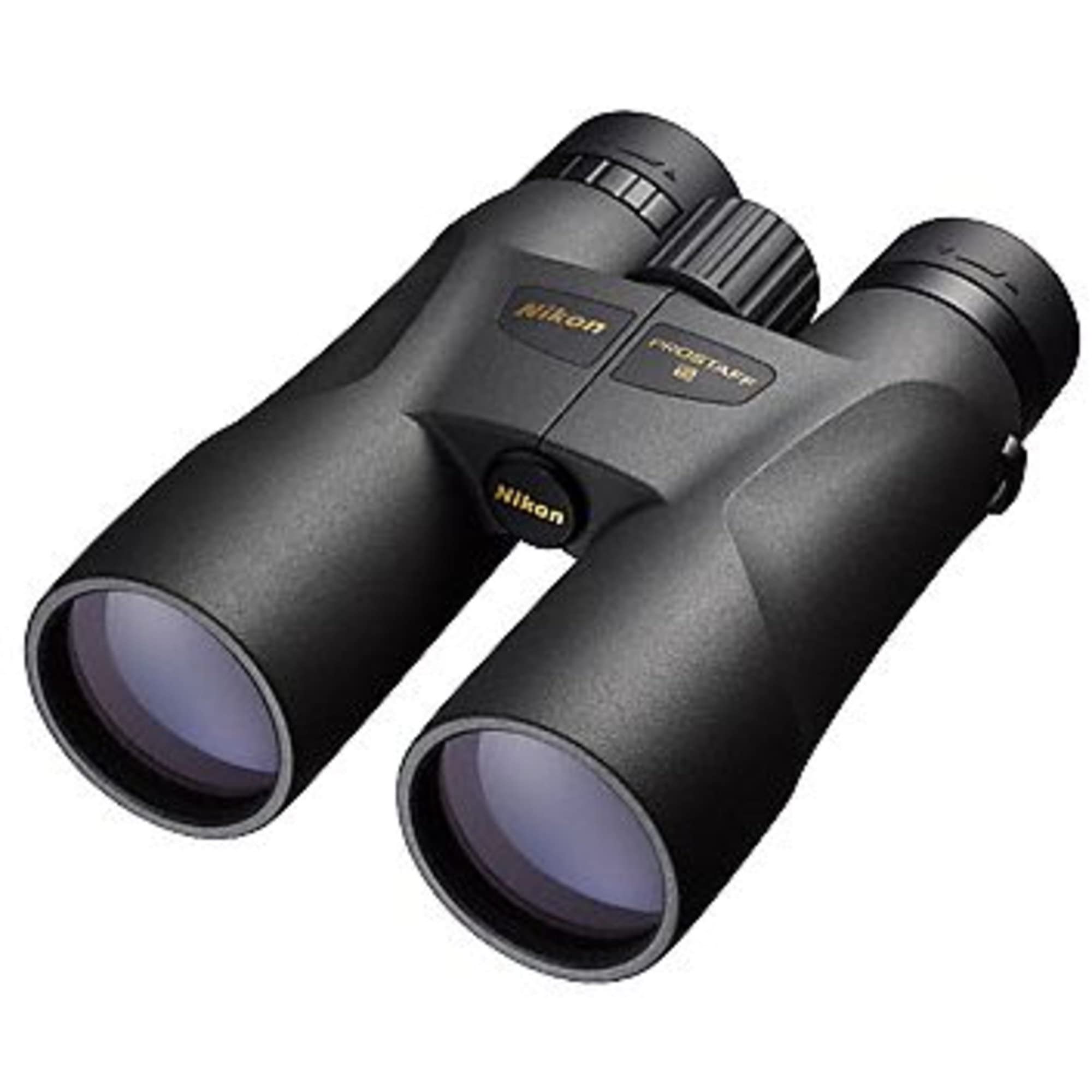


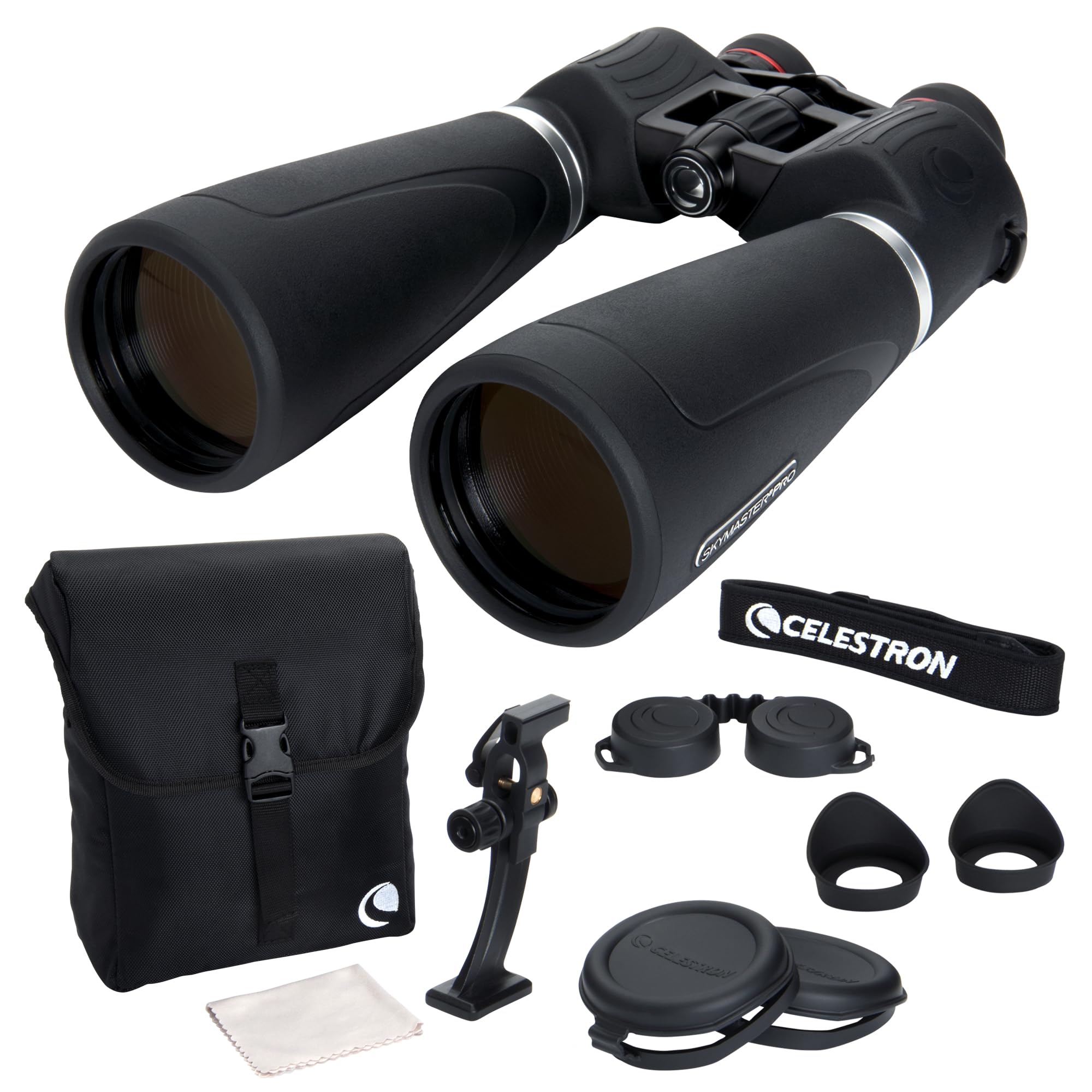
Who Should Buy Which Binoculars for Moon Watching?
Your routine shapes the right choice more than any single spec does. The three groups below cover the most common ways people watch the Moon.
Casual Backyard Observers Who Want an Easy First Look
If you step outside a few times a month and watch for ten or twenty minutes, choose a moderate pair such as 7x50 or 8x42 that you can lift and enjoy right away. The view stays steady, the field is wide enough to find the Moon in seconds, and the bright image shows the main seas and large craters clearly. Readers who also use a pair during the day can see our guide to the best binoculars bird watching for overlap ideas.
Detail Seekers Who Study Craters and the Shadow Line
If you return night after night to follow the moving line between light and shadow, you will want more magnification, around 10x to 15x, and a way to keep that power steady. Detail along the shadow line changes nightly, and smaller craters and mountain ridges appear there first. Plan on a tripod for the higher end of that range, and accept a larger, heavier pair as part of the routine.
Balcony and Travel Observers Who Need a Compact Pair
If you watch from a small balcony, a campsite or a holiday rental, a compact pair around 8x32 or 10x32 keeps the kit light and easy to store. You give up some brightness and comfort during long sessions, but you gain a pair that is with you when the sky clears. Brace your elbows on a rail or table and keep sessions shorter.
Key Features to Compare
Moon watching makes specific demands. The Moon is bright, small in the sky and rich in fine contrast, so the factors below matter more than raw power alone.
Magnification and Handheld Steadiness for Moon Watching
Magnification is the first number in a code such as 10x42, and it tells you how much closer the Moon appears. Around 7x to 10x suits handheld viewing because hand movement stays manageable and the disc sits comfortably inside the field. At 12x to 15x fine detail improves, but every tremor grows too, and the view can swim until it tires your eyes. Choose the highest power you can hold calmly.
Objective Lens Size and the Light Each Lens Gathers
The objective lens is the front lens, and its diameter in millimeters is the second number, so a 10x42 pair has 42 mm front lenses. Larger lenses gather more light and support a brighter image at dusk and under thin cloud. For the Moon, 42 mm is a practical middle ground, while 50 mm and above add brightness and weight in equal measure. Because moonlight is strong, a huge lens matters less here than it does for faint stars.
Exit Pupil, Brightness and Glare Control on a Bright Moon
Divide the lens size by the magnification and you get the exit pupil, the width of the light beam reaching your eye, so a 7x50 pair gives about 7 mm and a 10x42 pair gives about 4.2 mm. A larger exit pupil feels relaxed and bright, while a smaller one can feel dim at dusk. The full Moon can also cause glare, so good optical coatings matter because they cut reflections inside the barrels and protect contrast.
Field of View and Finding the Moon Quickly
Field of view describes how much sky you see at once, usually stated in feet at 1,000 yards or in degrees. A wider field makes the Moon easy to locate and follow as it drifts, and more pleasing when you want surrounding stars in the same view. Higher magnification narrows that field, which is one reason a moderate pair feels friendlier for casual nights. If you also scan open ground by day, see our guide to the best binoculars for animal watching for wide field context.
Eye Relief, Eyecups and Focus for Comfortable Night Sessions
Eye relief is the distance your eye can sit from the rear lens while still seeing the whole field, and about 15 mm or more suits most glasses wearers. Twist up eyecups help you set that distance in the dark, and a smooth center focus wheel you can turn with gloves on makes small corrections easy. A diopter dial on one barrel balances the pair for your two eyes, so set it once and note the position.
Weight, Tripod Mounting and Image Stabilization at High Power
A full size pair can weigh about 25 to 35 ounces, and that weight helps calm small movements at first, then tires your arms during a long session. Many larger models accept a simple adapter that screws onto a standard tripod, which transforms viewing at 12x and above. Image stabilization models steady the view while you hold them and suit observers who cannot use a tripod, but they cost more and need batteries.
Handheld Viewing or a Tripod for Moon Watching?
This choice decides how much magnification you can honestly use. Handheld viewing wins for speed and freedom, and it suits pairs up to about 10x when you sit down and rest your elbows. A reclining garden chair helps more than most accessories, because your arms stay supported and your breathing settles.
A tripod wins when detail is the goal. With the pair mounted, 15x becomes calm and rewarding, and your hands stay free for a Moon map. Remember that the best binoculars for moon watching are the ones whose support matches their power, since an unsteady strong pair shows less than a steady moderate pair. A monopod offers a middle path for travel.
Common Mistakes to Avoid
- Buying the highest magnification available, because the shaking image hides the very detail the extra power promised.
- Choosing a tiny compact pair for long night sessions, because the dimmer and narrower view tires your eyes quickly.
- Ignoring eye relief while wearing glasses, because you lose the edge of the field and strain to see the whole Moon.
- Watching only at full Moon, because the flat light washes out craters that stand out clearly near the shadow line.
- Skipping a tripod adapter for a 12x or 15x pair, because tired arms end the session long before your interest does.
Care and Maintenance for Binoculars Used at Night
Night air brings dew, and dew is the main enemy of a clear view. Let a cold pair warm up slowly indoors instead of wiping fogged lenses at once, and keep the caps on while the glass clears. Clean lenses only when needed, using a soft brush first and then a lens cloth with light pressure, because rubbing dry dust across a coating can leave scratches.
Store the pair dry in a padded bag, and check the hinge, focus wheel and eyecups every few months. If you observe in damp climates often, a weatherproof and fog proof build protects the inside of the barrels from moisture. Readers who watch wildlife near water can also see our guide to the best binoculars whale watching for outdoor ideas.
Frequently Asked Questions
What features matter most in binoculars for moon watching?
Steadiness, coatings and magnification in the 7x to 10x range matter most for handheld moon watching. Good coatings protect contrast on the bright surface, and a calm image reveals more than extra power does. Consider the Moon phase you favor too, because observers who love the shadow line benefit more from a tripod ready pair than from a brighter lens.
Which binoculars are better for low light moon watching at dusk?
A 7x50 or 8x42 pair is better for low light moon watching because its larger exit pupil delivers a brighter view while the sky still holds color. At dusk the moonscape competes with a pale sky, so brightness helps you pick out the disc early. Start observing during twilight, since your eyes adapt gradually and contrast improves minute by minute.
What specs matter most for beginners buying binoculars for moon watching?
Beginners should prioritize an 8x42 specification, a wide field and simple center focus above all else. That combination is forgiving to aim, light enough to hold and clear enough to show the main lunar seas in one view. Add a printed Moon chart, because knowing which feature sits near the shadow line each night turns a first look into a habit.
How much should I spend on my first binoculars for moon watching?
Expect to spend about $80 to $200 for a first pair with decent coatings, sound mechanics and a useful warranty. Below that range, focus wheels and alignment often feel loose, which makes the Moon drift out of a clean image. Above it, you pay mainly for sharper edges and better build.
What does 8x42 or 10x42 mean on binoculars for moon watching?
The first number is magnification and the second is the front lens diameter in millimeters, so 8x42 magnifies eight times with 42 mm lenses. Both share the same lens size, but the 10x42 pair shows a larger Moon in a narrower and slightly dimmer field. Before buying, hold a similar pair for a full minute with elbows braced, because the steadier option in your hands is the right choice.
Final Thoughts
Match the pair to your routine first, then check magnification, lens size and eye relief in that order. A steady 8x42 used weekly will teach you the lunar seas and the shifting shadow line far better than a stronger pair that stays indoors. When you are ready to compare, the best binoculars for moon watching for your nights are waiting in the product table above.


