
Best Binoculars for Stargazing and Planets in 2026: What Actually Matters Before You Buy
Disclosure: We may earn a commission when you buy through links on this page, at no extra cost to you. As an Amazon Associate I earn from qualifying purchases. Learn more

Choose binoculars for stargazing and planets with clear guidance on aperture, magnification, exit pupil, coatings, eye relief, tripod use and price.
Stargazing and planet viewing pull binoculars in two directions. Star fields reward a wide, bright view, while planets reward higher power and sharp detail. The best binoculars for stargazing and planets balance those needs instead of chasing one big number, and the comparison table below lets you check that balance at a glance.
Use the checklist in this guide before you spend. You will match aperture, magnification and fit to the way you actually observe. A pair that suits your hands, eyes and site will show you more than a stronger pair you rarely take outside.


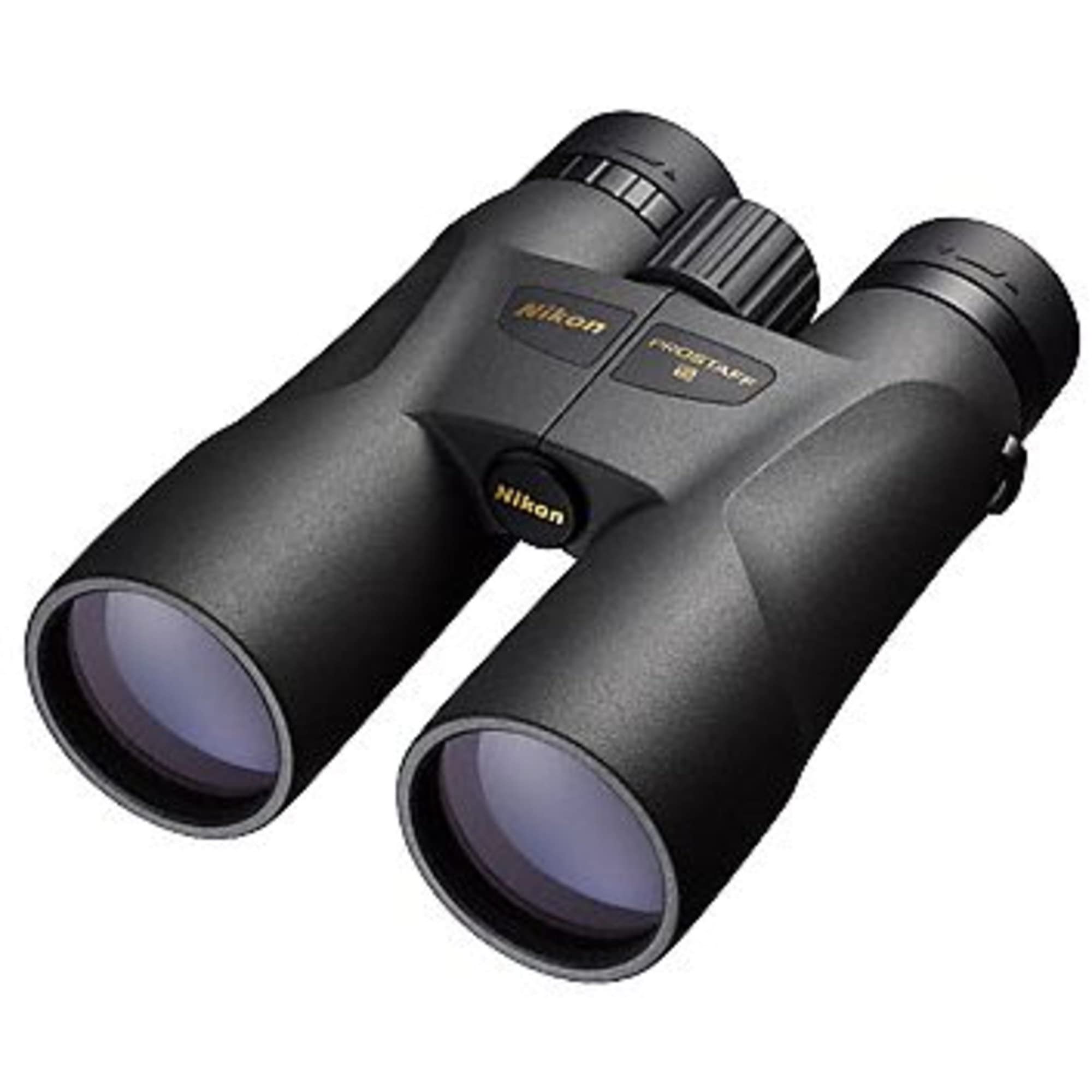


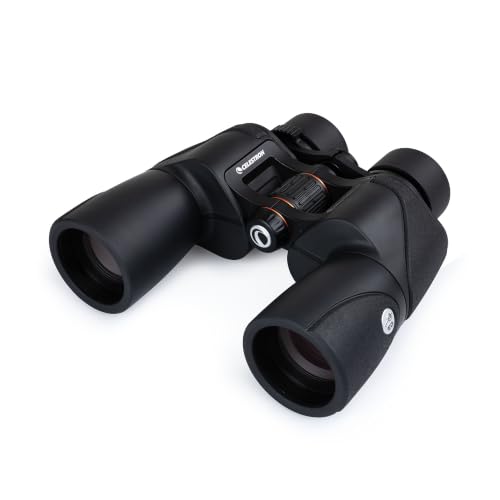



Who Should Buy Which Binoculars for Stargazing and Planets?
Start with the target you return to most often. That decides whether width, power or comfort comes first.
Wide Field Scanners Who Love the Milky Way and Star Clusters
You move slowly along the Milky Way, pause on clusters and follow comet paths across wide areas of sky. Choose moderate power with a generous field so stars stay in context and finding targets feels easy. If your main goal is sweeping star fields on their own, see our guide to the best binoculars stargazing. Comfort matters for you, because sessions tend to run long.
Planet and Moon Viewers Who Want Clearer Detail
You return to Jupiter, Saturn and the lunar terminator, and you want bands, rings and shadow detail to hold together at higher power. Choose sharper glass and a mount option, because small shakes blur fine detail first. Readers who care mainly about planetary targets can also see our guide to the best binoculars for planets. Expect a narrower field as the fair trade for reach.
New Observers Who Will Watch Handheld From Home
You observe from a yard, balcony or campsite and want a pair you can lift, focus and enjoy within minutes. Choose a manageable weight and a size you can hold steady without support for several minutes. A forgiving view matters more than maximum power while you learn the constellations. Simple controls help you spend your attention on the sky.
Key Features to Compare
Compare these factors in order, because each one limits the next. Finding the best binoculars for stargazing and planets is rarely about one highest figure, so judge the whole optical system.
Aperture and Exit Pupil for Light Gathering
Aperture is the diameter of the front lenses, stated in millimeters, and it sets how much light the binoculars collect. A 50 mm lens gathers far more light than a 35 mm lens, so faint stars stand out better. Exit pupil is aperture divided by magnification, so a 10x50 pair gives a 5 mm exit pupil. Around 5 mm suits most adults under suburban skies, while a larger exit pupil can help under very dark skies where your own pupils open wider.
Magnification and Handheld Stability
Magnification is the first number in a size such as 10x50, and it makes targets appear ten times closer. Power near 7x or 10x stays usable in the hands for most people, while 15x and above magnifies every tremor and usually needs support. Planet viewers gain detail from extra power only when the view stays still. If you lean toward the classic handheld size, see our guide to the best 10x50 binoculars for stargazing before you decide.
Prism Glass, Coatings and Color on Bright Planets
Prisms fold the light path inside the body, and BaK 4 glass passes a cleaner, rounder beam than cheaper BK 7 glass. Lens coatings cut reflections that would otherwise wash out contrast, so look for full multi coating on all air to glass surfaces. Good glass and coatings also limit false color fringing around the bright limbs of the Moon and Jupiter. That control matters, because planet brightness exposes flaws that dim star fields can hide.
Field of View and Focus Control
Field of view tells you how wide a slice of sky you see at once, often stated in degrees. A wider field makes locating targets easier and keeps clusters framed with space around them. A smooth central focus wheel lets you sharpen both barrels together, while a diopter ring on one eyepiece balances a difference between your eyes. Set the diopter once on a distant target, then use only the central wheel during a session.
Eye Relief, Fit and Tripod Use
Eye relief is the distance your eye can sit from the eyepiece while still seeing the full field, and glasses wearers usually need about 15 mm or more. Eyecups that twist up and down help you set that distance with or without glasses. Check that the barrels adjust to match the spacing between your eyes, giving one round image. A tripod socket under a front cap adds a steady option for longer planet sessions.
Binocular Types Compared for Night Sky Use
Porro prism models place the front lenses wider apart than the eyepieces and often deliver bright views for less money, though the bodies are bulkier. Roof prism models keep the barrels straight and compact, which suits travel, but equal sharpness usually costs more in this form. For dual use at home, the Porro form in a mid size remains the simple value route.
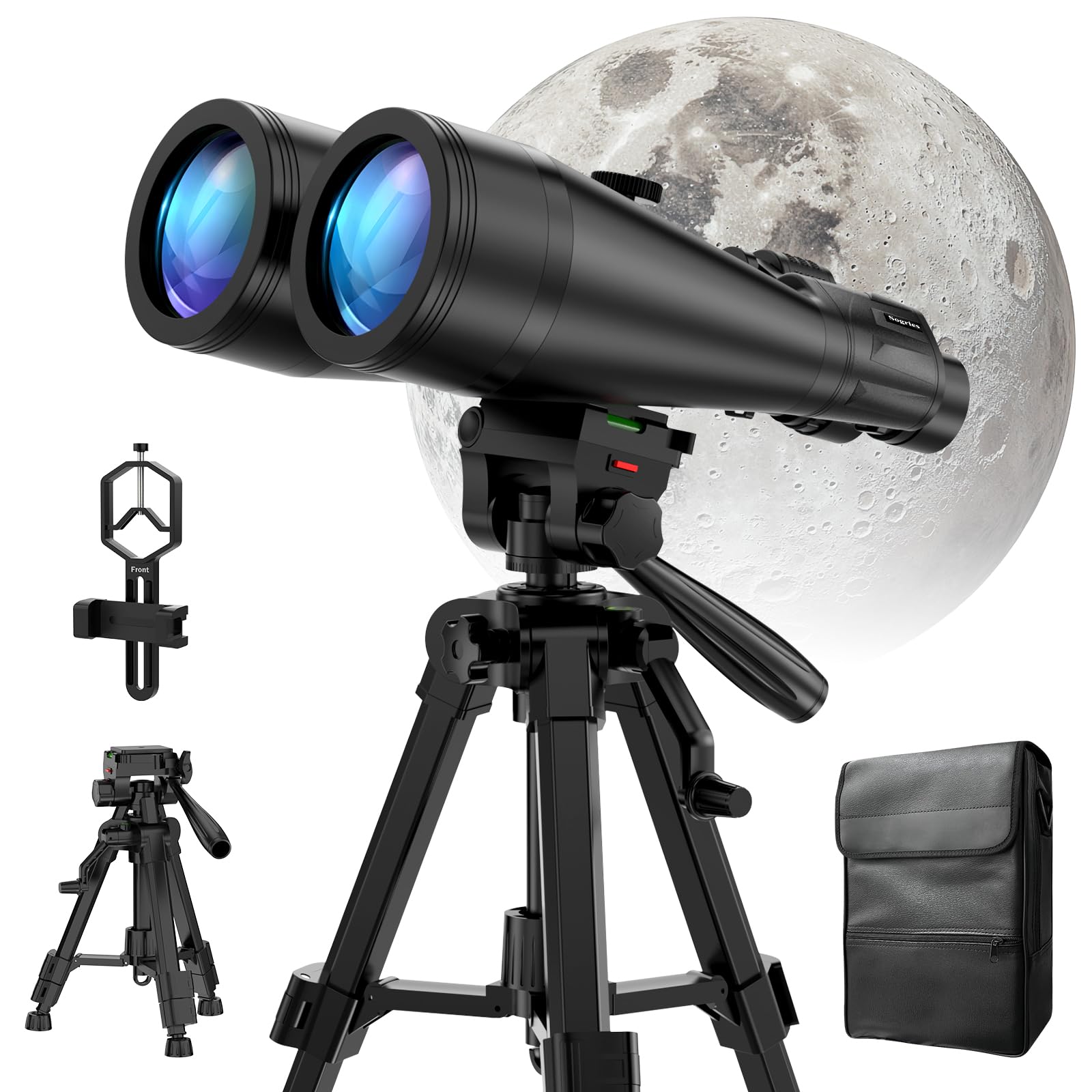
Giant binoculars step up to front lenses of about 70 mm or more and power of 15x or higher. They pull in fainter objects, but they are heavy enough that a tripod becomes part of the purchase rather than an extra. Standard sizes around 7x50 and 10x50 stay the practical middle ground, light enough to hand hold and bright enough for most targets. Sealed, fog proof bodies suit any type if you observe where dew forms quickly.
Planet Watching Checklist Before You Buy
Answer these questions before you order. A no points to the feature to reconsider.
- Is the front lens at least 50 mm for faint star fields?
- Can you hold the stated magnification steady for several minutes?
- Does the exit pupil land near 5 mm for your usual sky brightness?
- Is the glass listed as BaK 4 with full multi coating?
- Does the eye relief suit your glasses, if you wear them?
- Do the barrels adjust narrowly or widely enough for your eyes?
- Is there a tripod socket for longer planet sessions?
- Does the total price leave room for a case and a mount adapter?
If cost is the deciding factor, see our guide to the best budget binoculars for stargazing and apply the same checklist there.
Common Mistakes to Avoid
- Choosing very high magnification for handheld use leaves planets shaking too much to show detail.
- Ignoring exit pupil can leave you with a dim view that hides faint clusters.
- Buying compact travel binoculars for astronomy gives front lenses too small to gather much light.
- Trusting huge printed zoom claims without stated aperture hides a narrow, dim image.
- Skipping a tripod socket removes your best option for steady planet viewing later.
- Storing binoculars in a damp case after a dewy night invites fogging and fungus on the lenses.
Care and Maintenance for Astronomy Binoculars
Clean lenses only when dust or dew marks actually dull the view. Brush loose grit away first, then breathe lightly on the glass and wipe with a clean lens cloth in small circles, because rubbing dry grit across a coating can scratch it. Never use a shirt, and keep lens caps on whenever you set the pair down outdoors.
After a session, let the binoculars warm slowly indoors with the caps off so dew can dry, then store them in a dry, padded bag away from direct heat. Check the hinge tension, focus wheel and eyecups every few months for looseness or grit. Keep the strap attached so a fumble does not become a drop.
FAQ
What features matter most when binoculars must serve both stargazing and planet viewing?
Balance matters most, so favor a mid size pair with clean glass over an extreme in either direction. One point many buyers miss is glare control, because the bright Moon sits in the same sessions as faint clusters. Test any pair on the Moon first if you can, since stray light and fringing show there first. A pair that stays tidy on bright targets usually handles star fields well.
How much should I spend on first binoculars for stargazing and planets?
Plan on about $80 to $250 for a sound first pair that covers both uses. Below that range, coatings and prism glass are often the first corners cut. Keep a small part of the budget aside for a tripod adapter and a simple sky guide. Spending more mainly buys cleaner edges and better color control, not a different class of target.
Can binoculars for stargazing show the rings of Saturn?
Yes, binoculars can show Saturn with an oval shape that hints at its rings. At 10x the rings blend with the planet into a small elongated form, while a mounted 15x pair can begin to separate ring from disc. The dark gap within the rings needs a telescope, so set expectations there. Jupiter is the easier win, with its four bright moons visible in almost any steady pair.
Which size is better for low light in binoculars for stargazing, 7x50 or 10x50?
A 7x50 pair is the brighter, steadier choice for low light scanning. Its wider exit pupil helps younger eyes most, because pupils tend to open less with age, so older observers may gain little from the extra width. A 10x50 pair trades some of that ease for a closer view of clusters and planets. Pick 7x50 for long handheld sweeps and 10x50 if planets share equal time.
Do binoculars for stargazing and planets need a tripod?
No, a tripod is not required for 7x50 or 10x50 binoculars used in short sessions. It becomes worthwhile when sessions lengthen or power rises, because fatigue alone can spoil steadiness late at night. A monopod is a lighter middle option that takes much of the weight while you still aim freely. A reclined chair with supported elbows also steadies the view.
The Bottom Line
Match aperture near 50 mm with power you can hold, insist on good glass and coatings, and confirm the fit for your eyes and glasses. Use the product table above to compare sizes against that standard. When best binoculars for stargazing and planets is your goal, the balanced pair you use often will beat the extreme pair you leave indoors.


