
Best Binoculars for Planets in 2026: What Actually Matters Before You Buy
Disclosure: We may earn a commission when you buy through links on this page, at no extra cost to you. As an Amazon Associate I earn from qualifying purchases. Learn more

Choose binoculars for planets with a clear checklist on magnification, aperture, exit pupil, coatings, eye relief and when a steady tripod matters most.
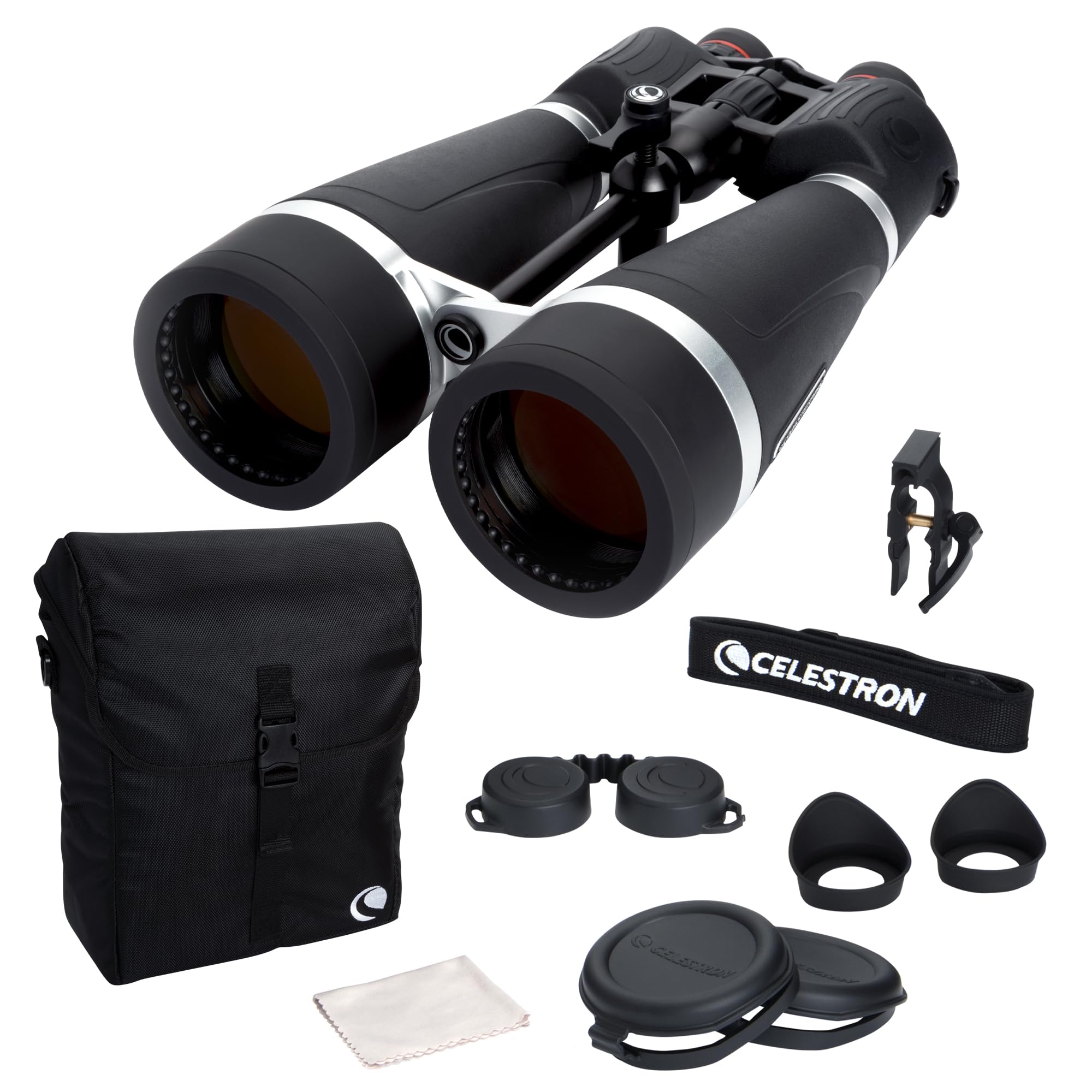
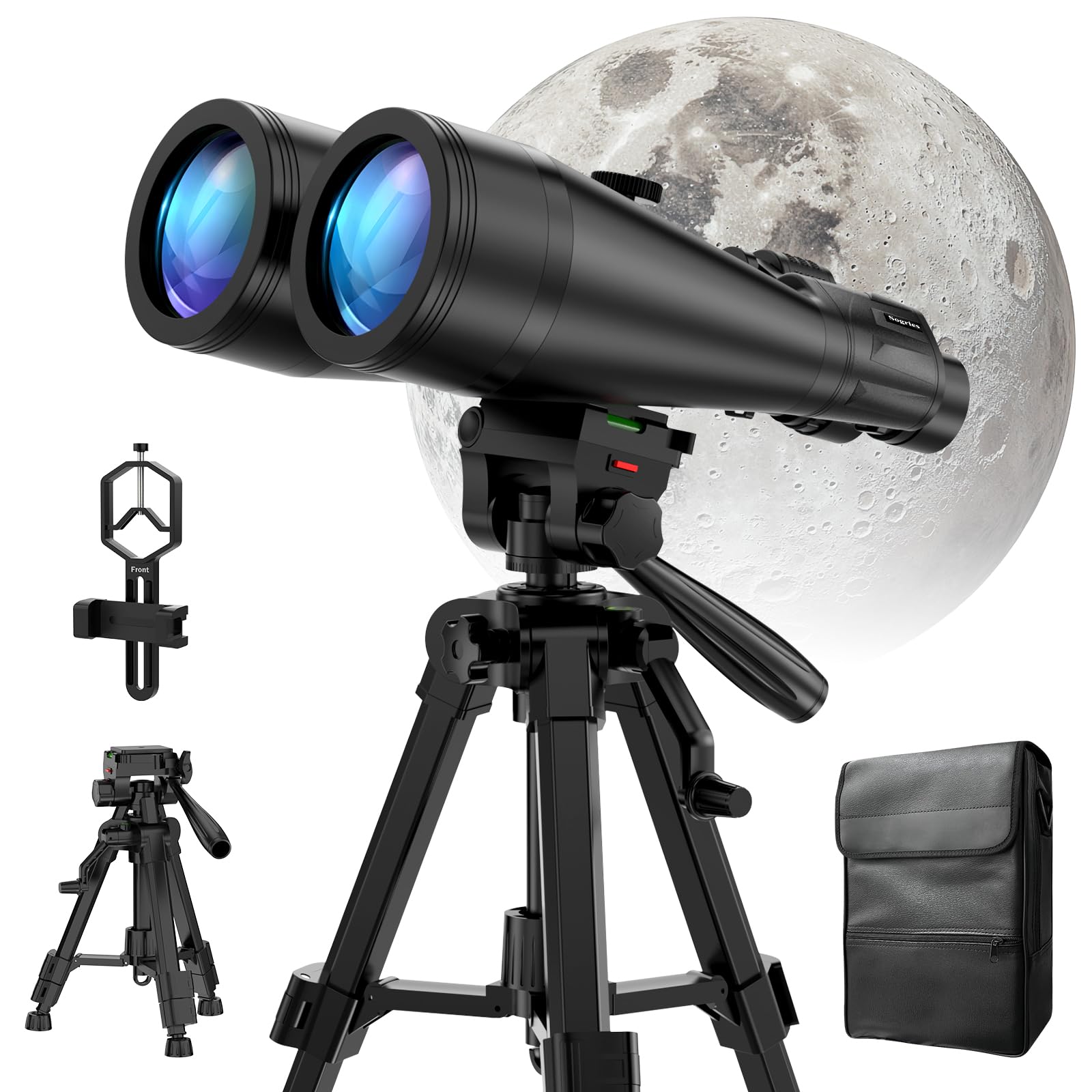
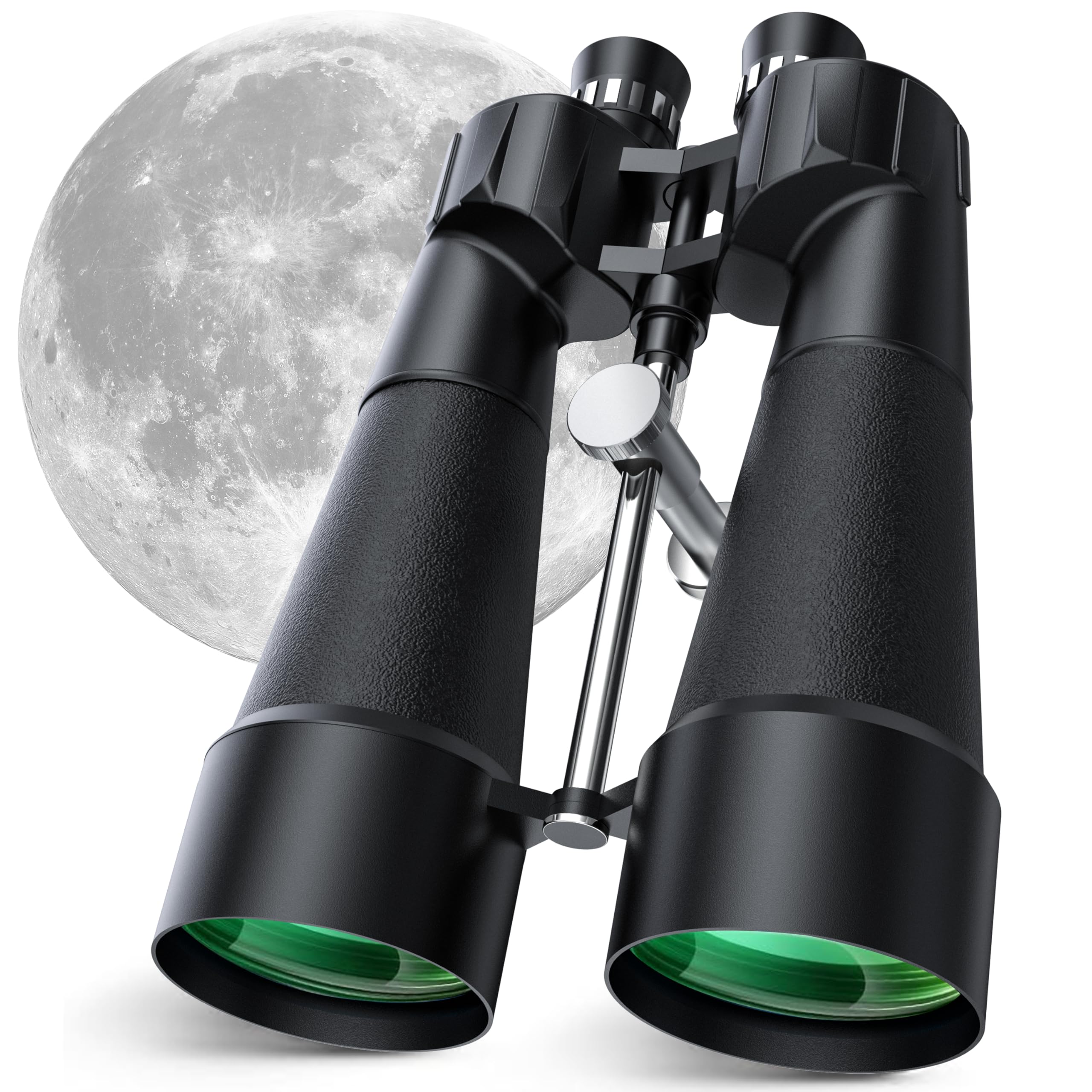
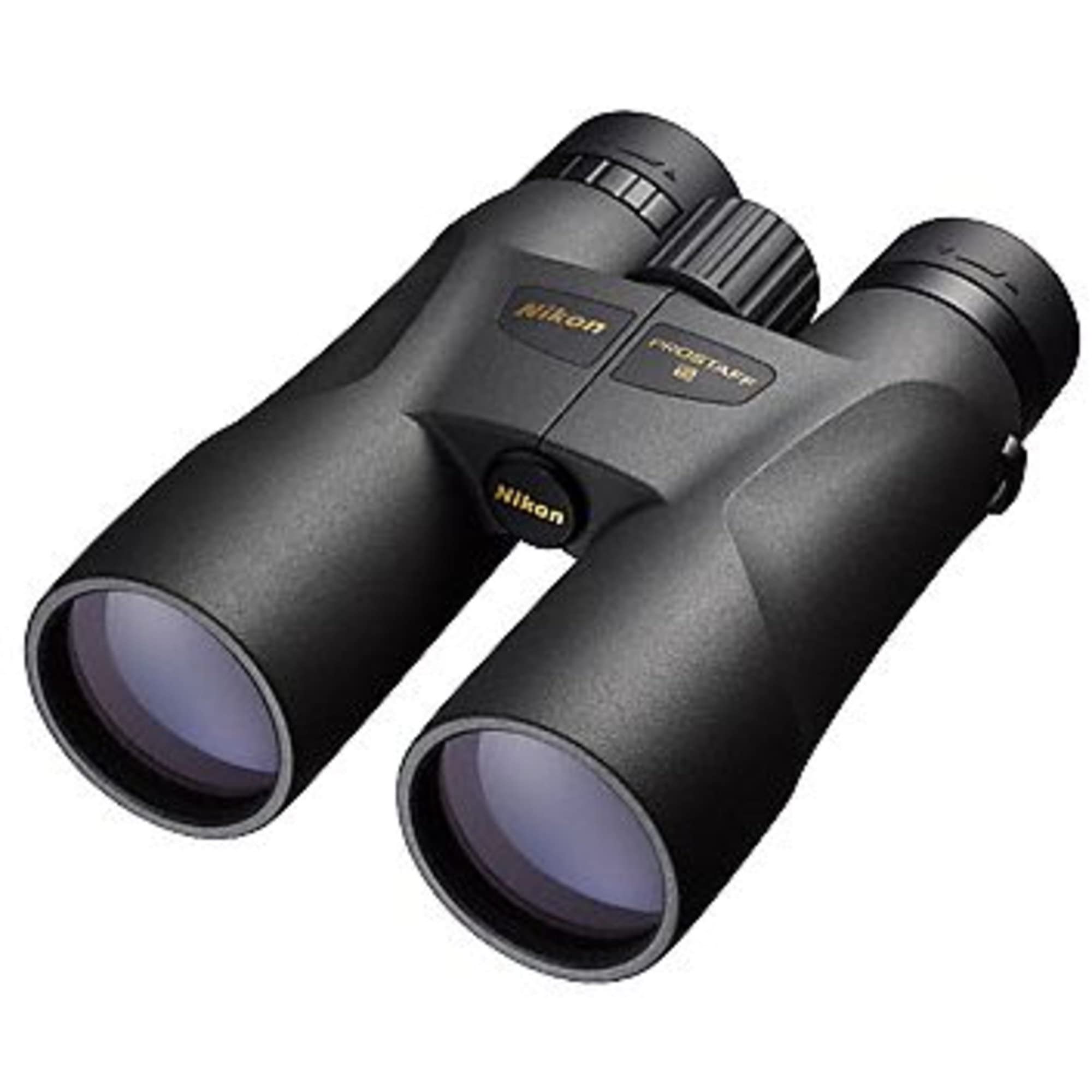
Planets look tiny and bright, so they punish weak optics and shaky hands more than most night sky targets do. The best binoculars for planets make a small disc look steady and sharp, so you can pick out the rings of Saturn or the large moons of Jupiter. Use the comparison table below to check each pair against this guide.
This guide works as a checklist rather than a list of models. You will learn which magnification and lens size suit handheld viewing, when a tripod stops being optional, and how coatings and eye relief decide whether a planet shows clean edges or glare.






Who Should Buy Binoculars for Planet Viewing?
Start with how you plan to watch, because that choice fixes your size and budget first. A casual viewer, a detail hunter and a traveler view the same planets, but they need very different binoculars.
Casual Viewers Who Want Simple Handheld Planet Views
You want to step outside, find Jupiter or Venus in seconds, and show family members without setting up gear. Choose a 10 by 50 pair you can hold steady for a few minutes. It shows the moons of Jupiter as clear points and gives Saturn an oval shape. Lean your elbows on a wall to calm the view.
Observers Who Want Rings, Bands and Moons in Detail
You plan longer sessions and care about small features, such as the gap between Saturn and its rings or faint bands on Jupiter. Choose a 15 by 70 or 20 by 80 pair and budget for a tripod, because that power is too shaky by hand. Larger lenses also help with dimmer targets, such as Uranus, a small green disc.
Balcony and Travel Viewers With Limited Space
You watch from a balcony, a campsite or a small yard, and your gear must store in a closet or a car. A compact 10 by 42 roof prism pair fits a backpack and still shows bright planets well. Accept a slightly dimmer view than a larger pair gives, and use a railing for support during longer looks.
Key Features to Compare
That balance of power, brightness and steadiness is what separates the best binoculars for planets from a general pair made for daytime use. Work through the five factors below in order.
Magnification and Steadiness for Planet Detail
Magnification decides how large a planet disc appears, and planets need more of it than birds or stars do. A power of 10 times is the practical ceiling for most hands, while 15 or 20 times reveals more detail only on a tripod. Higher power also magnifies every tremor and shrinks your field of view, so a steady 10 times view often shows more than a shaking 15 times view. Choose power with your support plan.
Objective Lens Size and Exit Pupil
The second number in a size such as 10 by 50 is the lens diameter in millimeters, and larger lenses collect more light and support finer detail. Divide lens size by magnification to get the exit pupil, so 10 by 50 gives 5 mm while 20 by 80 gives 4 mm. Planets are bright, so a 4 to 5 mm exit pupil is plenty and avoids a huge, heavy body.
Contrast From Prisms and Lens Coatings
Contrast matters more for planets than raw brightness, because you are reading pale bands and thin rings against a black sky. Look for BAK4 prisms, which keep the image bright to the edge, rather than BK7 prisms that can dim the outer field. Fully multi coated lenses cut glare around brilliant targets such as Venus and the Moon. Porro bodies often deliver strong contrast for the price, while slimmer roof bodies need good coatings to match them.
Eye Relief and Field of View
Eye relief is the distance your eye can sit from the eyepiece while still seeing the whole field, and it decides comfort during long looks at one planet. If you wear glasses, choose about 17 mm or more and check the fold down eyecups. Field of view narrows as power rises, so a wider field at 10 times helps you find a planet and keep it centered. At 20 times, even small drift feels fast.
Focus, Weight and Tripod Fit
A smooth center focus wheel lets you sharpen a planet disc with small turns, and a right eye diopter ring corrects the difference between your eyes so both sides stay sharp. Weight climbs fast with lens size, from about 1.5 pounds at 10 by 42 to about 3 to 4 pounds at 20 by 80. Check for a tripod socket or an adapter fit, because large pairs are tripod tools, not handheld tools. A sealed and nitrogen purged body also resists internal fog on cold, damp nights.
Handheld or Tripod Sizes: A Quick Buyer Checklist
Handheld sizes, mainly 10 by 50, suit quick sessions and learning the sky. Large sizes, mainly 15 by 70 and 20 by 80, reward patience with a bigger disc and fainter moons. For a direct comparison, see our guide to the best binoculars to see planets.
Many viewers also watch clusters and the Milky Way in the same session, and a wider field pair serves both jobs better than an extreme power pair. For that mixed use, see our guide to the best binoculars for stargazing and planets. Then answer each question below.
- Can you hold your chosen size steady for two minutes, or do you have a tripod ready for it?
- Does the exit pupil land between about 4 and 5 mm for bright planet work?
- Are the prisms listed as BAK4 and the lenses described as fully multi coated?
- Does the eye relief fit your glasses, if you keep them on while viewing?
- Can you store and carry the weight without dreading the walk outside?
- Have you left budget for a tripod adapter if the pair needs one?
Overall scores can hide a poor fit for this one job. If you browse general rankings, see our guide to the best rated binoculars and recheck the top options against the six questions above.
Common Mistakes to Avoid
Most disappointments with planet binoculars come from a short list of avoidable errors.
- Buying 20 times power without a tripod leaves a shaking disc that shows less detail than a steady 10 times view.
- Chasing the largest lenses for bright planets adds weight and cost that you feel on every session.
- Ignoring glare and buying uncoated lenses makes Venus and the Moon flare and hides fine detail nearby.
- Choosing short eye relief while wearing glasses cuts off the edge of the field and strains your eyes.
- Trusting vague claims such as huge zoom numbers with no lens size listed usually means weak optics are being hidden.
- Storing binoculars in a damp garage invites internal fog that no outside wipe can remove.
Setup and Care Tips for Planet Binoculars
Set up before dark so you are not adjusting parts by touch. Fit the tripod adapter if needed, set the barrel spacing until the two circles merge into one, then focus the left eye with the center wheel and the right eye with the diopter ring on a distant light. Once set, the diopter rarely needs changing.
Clean lenses only with a soft lens cloth or a blower, never with a shirt, because grit in fabric can scratch coatings. On cold nights, let the binoculars cool slowly outside and keep caps on between targets, since warm moist air on cold glass causes dew. Store the pair in a dry padded bag, away from damp basements.
FAQ
What features matter most in binoculars for planets?
Steadiness, contrast and enough magnification matter most for planets. A tripod ready 15 times pair shows Saturn as a disc with separate rings, while a handheld 10 times pair shows the moons of Jupiter and the phases of Venus. Dark skies belong on that list too, because thin haze near the horizon softens a disc quickly.
What specs matter most for a first pair of binoculars for planets?
A first pair for planets should be a 10 by 50 with BAK4 prisms and eye relief that fits your eyes. That size stays usable for the Moon, clusters and daytime trips, so it earns its place if planet watching stays a small part of your hobby. Check the closest barrel spacing if a younger viewer will share the pair, because some large bodies do not close narrow enough for smaller faces.
How much should you spend on a first pair of binoculars for planets?
Plan on about $80 to $250 for a solid first pair for planets, with larger tripod sizes costing more. Spend first on glass and coatings, then set aside about $50 to $100 for a tripod and adapter if you chose a large pair. A modest pair on a steady mount beats a costly pair shaking in your hands.
What do the numbers 10 by 50 and 15 by 70 mean on binoculars for planets?
The numbers on binoculars for planets give magnification first and lens diameter in millimeters second. A quick test divides the second number by the first, so 15 by 70 gives an exit pupil of about 4.7 mm. Use that result when comparing two pairs of the same power, because the larger exit pupil usually looks brighter on faint moons.
Is a smartphone enough instead of binoculars for viewing planets?
No, a smartphone alone is not enough for viewing planets, because its small lens and digital zoom turn a planet into a bright blob with no detail. A phone can still help you locate planets before you lift the binoculars, and it can record the Moon through an eyepiece if held steady. Treat the phone as a finder, and let the optics do the viewing.
Final Thoughts
Match power to your support first, then check lens size, coatings and eye relief. A steady view of a small disc teaches you more than a larger image that never settles. Use the product table above to confirm size, weight and tripod fit.
When you judge best binoculars for planets by this checklist, the right pair is the one you can hold or mount steady, focus sharply, and carry outside without fuss on every clear night.


