Best Binoculars Made in 2026: Types Compared and How to Choose
Disclosure: We may earn a commission when you buy through links on this page, at no extra cost to you. As an Amazon Associate I earn from qualifying purchases. Learn more

Compact and full size binoculars compared on brightness, weight and fit, to help you choose the best binoculars made for birding, travel or sport.
Binocular listings throw numbers at you, from 8x42 and 10x50 to glass types and prism coatings, and it is hard to know what changes what you actually see. This guide compares each major type clearly so you can choose the best binoculars made for your eyes, your trips, and your light conditions.
Start with the product table below for sizes, weights, and price bands at a glance. Then read the type comparisons to see which format fits your hands and your hobbies.

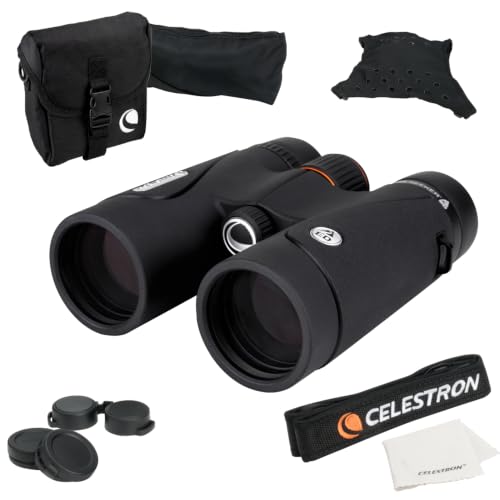
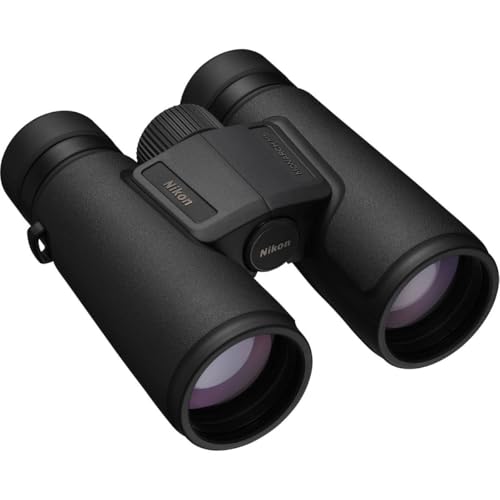


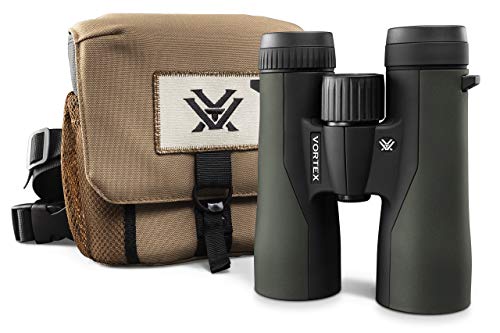
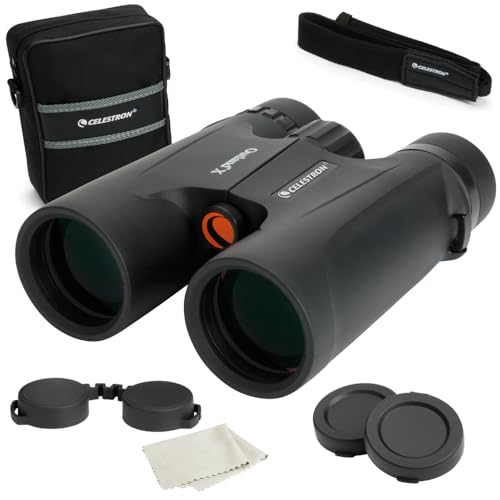
Types of Binoculars Compared
Three formats cover nearly every buyer. They differ mainly in objective lens size, weight, brightness, and how long you can hold them steady.
Compact Binoculars
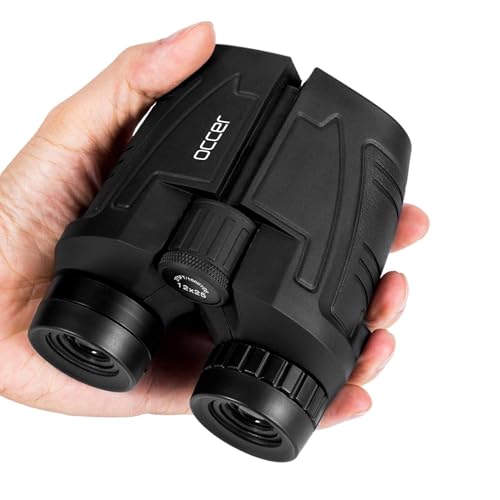
Compact models use objective lenses around 25 to 32 mm and fold or shrink small enough for a jacket pocket. They are the easiest to carry on hikes, city tours, and stadium trips, and good ones cost about $80 to $250. The trade off is brightness, because smaller lenses gather less light at dawn and dusk. Choose compacts when you view mostly in daylight and value low weight over twilight performance.
Full Size Binoculars
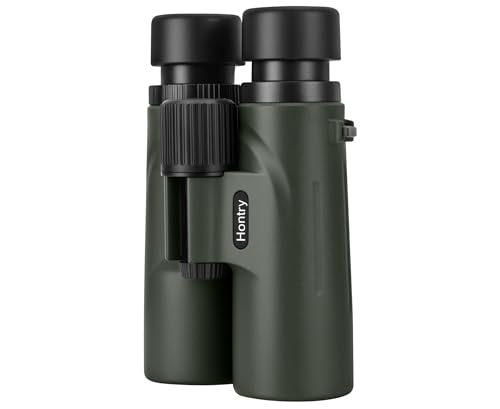
Full size models use 42 to 50 mm objective lenses and deliver the brightest, most comfortable view for long sessions. They are the standard choice for birding, wildlife watching, and scanning water or open country. Expect more weight, usually around 24 to 32 ounces, and prices from about $150 to well over $1,000 at the premium end. If you watch at first or last light, this is the format that rewards you most.
Digital and Camera Binoculars
Some buyers compare binoculars with vlogging cameras or camera hybrids that record what you see. Those devices add screens, sensors, and batteries, but their optical zoom and low light view rarely match real glass binoculars at the same price. If your goal is watching wildlife with your eyes, pure binoculars win. If your goal is sharing clips online, a camera is a different tool, so buy it for that job instead.
Readers tracing production origins can see our guide to the best american made binoculars and our guide to the best binoculars made in usa for how origin claims are labeled and what they actually cover.
Compact Binoculars vs Full Size Binoculars: Which Should You Choose?
Choose compact binoculars if you hike far, travel light, or watch mainly sports and scenery in daylight. Choose full size binoculars if you bird at dawn, hunt in timber, or sit for long glassing sessions where eye comfort matters. Brightness favors full size glass, because a 42 mm lens gathers far more light than a 25 mm lens. Portability favors compacts, which you will actually carry instead of leaving at home. Many owners end up with one of each over time, starting with the format that matches their most common outing.
If top rated all rounders interest you more than formats, our guide to the best rated binoculars explains how ratings are earned. Readers curious about flagship history can also see our guide to the best binoculars ever made for context on classic designs.
How to Choose the Right Binoculars
Ease of Use for Your Skill Level
Beginners should prioritize a wide field of view and forgiving eye placement over maximum magnification. An 8x42 is easier to hold steady and easier to aim than a 12x50, so new users find birds faster and watch longer without neck strain. Check that the focus wheel turns smoothly with one finger and that the diopter adjustment locks or stays put. Eyecups should twist or fold to suit glasses wearers without tools.
Battery Life and Charging
Standard binoculars have no batteries at all, which is one of their quiet advantages on long trips. Only digital models with screens, stabilization electronics, or rangefinders need charging, usually by USB C. If you choose a digital model, check real world runtime per charge and carry a small power bank. For pure optical glass, spend that attention on lens caps and a harness instead, because keeping glass clean and ready matters more.
Objective Lens and Image Quality
Image quality comes from glass quality, coatings, and prism design more than from raw magnification. Extra low dispersion glass reduces color fringing on bright edges, and fully multi coated lenses raise contrast. Roof prism models are slimmer, while porro prism models often give a richer depth feel at lower prices. Judge a binocular by looking at fine detail in shade, not by reading the largest number printed on the box.
Low Light Performance
Low light performance depends on exit pupil and lens quality. Divide the objective size by the magnification to get exit pupil, so an 8x42 gives about 5.3 mm, which suits most eyes at dusk. Larger exit pupils feel brighter and are easier to align with your eyes on a moving boat or in a blind. Twilight claims on packaging are only a rough guide, so prioritize lens size and coatings over marketing numbers.
One more practical check before you buy is close focus distance, which decides how near a subject can be before the image blurs. Garden and nature walk users who watch butterflies, flowers, and feeder birds should look for close focus around 6 to 8 feet. Stadium and travel users rarely need it, so they can trade that spec for a wider field or lower weight instead. Trying both types in a store, focused on a nearby sign and then a distant wall, shows the difference in seconds.
Setup and Care Tips
Set the interpupillary distance first by moving the barrels until the two circles merge into one clean image. Then close your right eye and focus with the center wheel, and finally adjust the diopter for your right eye alone. Clean lenses only with a lens cloth or brush, never your shirt, because grit scratches coatings. Store binoculars in a dry padded bag, keep silica packs with them in humid climates, and use a chest harness on hikes to stop swinging and accidental drops.
Bird focused readers can go deeper with our guide to the best binoculars for birdwatching, which covers field of view and close focus needs for small, fast moving subjects.
Binoculars: Your Questions Answered
Which type of binoculars is better for low light?
Full size binoculars are better for low light because larger objective lenses gather more light and produce a larger exit pupil. An 8x42 or 10x50 will show detail at dawn that a compact 10x25 simply cannot match. Coatings matter too, so a well coated 8x42 can beat a cheap 10x50. If most of your watching happens near sunrise or sunset, budget for full size glass first.
What specs matter most for binocular beginners?
Magnification, objective size, field of view, and eye relief matter most. Start with 8x42 for a balance of steadiness, brightness, and ease of aiming. Eye relief of about 15 mm or more keeps the view comfortable with glasses on. Close focus under about 8 feet also helps if you watch butterflies or feeders. Ignore extreme zoom claims, because very high magnification in budget glass usually means a dim, shaky image.
How much should I spend on my first binoculars?
Plan on about $120 to $300 for a first pair you will keep for years. That range buys good coatings, solid focus wheels, and waterproof housing from established optics makers. Under $100, expect dimmer edges and looser mechanics. Above $300, gains are real but gradual, mostly in edge clarity and build feel. Spending once on a sound mid range pair costs less than replacing a flimsy pair twice.
Is a smartphone enough instead of binoculars?
A smartphone is not enough for serious watching because digital zoom crops and softens the image, and the screen washes out in bright sun. Phones are fine for a quick look at a sign or a scoreboard. For birds, wildlife, or boats at distance, real binoculars show far more detail with no battery drain. Some birders do attach phones to binoculars for photos, but the binocular still does the optical work.
What does 8x42 or 10x42 mean on binoculars?
The first number is magnification, so 8x makes a subject look eight times closer, and the second number is the objective lens diameter in millimeters. A 10x42 magnifies more but shakes more and gives a smaller exit pupil than an 8x42 with the same lens size. Neither is simply better. Choose 8x for steadiness and wide views, and 10x when subjects are distant and you can brace your elbows or use support.
Wrapping Up
Match the format to your light and your carrying habits, then judge glass quality by coatings and exit pupil rather than headline magnification. Those steps narrow the field fast. When you are ready to choose the best binoculars made for your own outings, compare your finalists with the product table above and pick the pair you will genuinely carry every time.