Best American Made Binoculars: A First Time Buyer's Guide for 2026
Disclosure: We may earn a commission when you buy through links on this page, at no extra cost to you. As an Amazon Associate I earn from qualifying purchases. Learn more

Shopping for the best american made binoculars for the first time? Learn the terms, compare options, and avoid rookie mistakes with this easy guide.
Buying binoculars for the first time can feel confusing, because a few small numbers decide how bright, wide, and steady your view will look. If domestic build quality and easy service matter to you, the best american made binoculars are worth a careful look before you spend. This guide explains the basic terms in plain language and helps you read origin claims with a skeptical eye.
You will not find product reviews here. Instead, you get a simple path: pick a size for your main activity, learn how glass and coatings shape clarity, check the American made claim, then compare your short list in the comparison table below. By the end, you should know what to prioritize and what you can safely ignore.


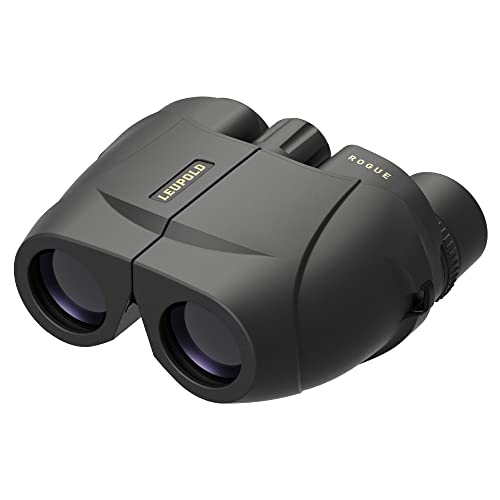


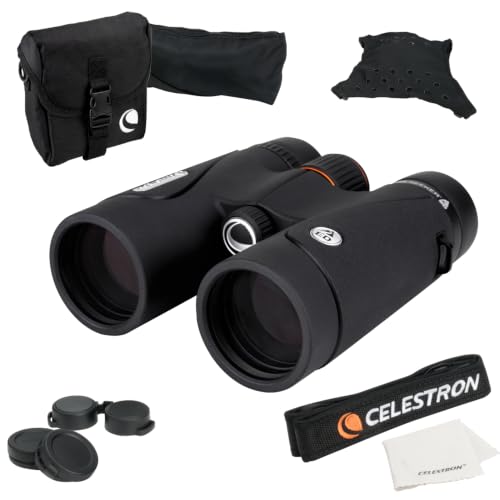
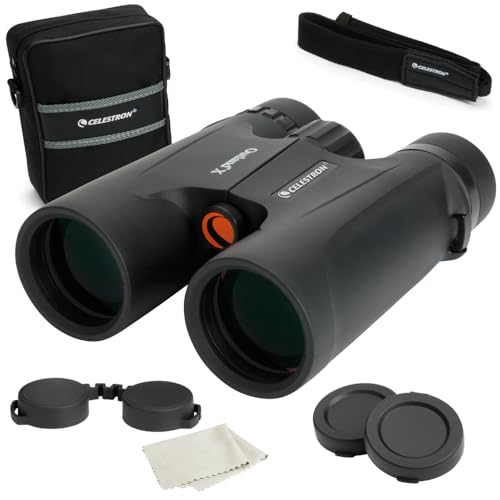
American Made Binoculars 101: The Basics for New Buyers
A pair of binoculars is simply two small telescopes joined side by side, one for each eye. Light enters through the large front lenses, prisms inside fold the light path and turn the image upright, and the eyepieces magnify what you see. A center focus wheel sharpens both sides at once, while a diopter ring fine tunes one eye.
The American made part needs care, because makers use origin wording in different ways. One pair may be machined, assembled, and inspected in the United States, while another uses an American housing around imported glass. Treat origin as one factor beside optics, fit, and service, and verify the exact claim before you pay a premium for it.
Who Should Buy an American Made Pair First?
First Time Bird Watchers Who Want One Pair to Grow With
If you watch feeder birds, shorebirds, or hawks on weekend walks, a versatile midsize pair suits you better than a specialty size. Moderate power is easier to hold steady, and a wide view helps you follow a moving bird. An American made pair with a clear warranty makes sense for weekly use over years.
Hunters and Hikers Who Care About Repair Support
You likely glass at dawn, in light rain, or across open ground where a dim or fogged view costs you the moment. Sealed construction and a grippy housing matter more for you than the slimmest shape. Domestic service also matters, since a repair desk nearby can answer questions about parts and turnaround quickly.
Sports Fans and Travelers Who Want Simple, Lasting Gear
For stadium seats, outdoor concerts, and scenic road stops, you need a pair that focuses without fuss. Compact models feel light, but their small front lenses give a dimmer view at evening events. A midsize pair balances brightness and pack size for most trips, and domestic service keeps it useful for years.
Key Features to Compare Before You Choose
Magnification and Objective Lens Size
The two numbers in a size name tell you power first and front lens width second, so 8 by 42 means the view looks eight times closer through 42 mm front lenses. Eight power is the forgiving choice for most new buyers, because it shakes less and shows a wider scene. Ten power pulls distant detail closer, but it also magnifies every tremor and narrows what you can see at once. Larger front lenses gather more light, yet they add bulk you will feel on long walks.
Field of View and Eye Relief
Field of view describes how wide a scene you can see at 1,000 yards, often listed in feet. A wider field helps you locate a bird, boat, or player quickly, then follow it without constant sweeping. Eye relief is the distance your eye can sit back from the eyepiece and still see the full circle. If you wear glasses, look for about 15 mm or more, because a short relief distance can crop the edges of your view.
Prisms, Glass, and Lens Coatings
Prisms fold the light inside the body, and their layout shapes the pair you hold. Roof prism models run straight and slim, while porro prism models have an offset shape that often costs less for similar clarity. Glass with extra low dispersion elements reduces the colored fringe around high contrast edges, such as dark branches against a bright sky. Coatings cut glare and lift contrast, so a modest size with good coatings can look cleaner than a larger pair with plain glass.
Focus Wheel, Diopter, and Close Focus
A good center focus wheel turns smoothly with one finger, without gritty spots or a loose spot in its travel. The diopter ring, usually on one eyepiece, balances focus between your two eyes, and it should stay put once set. Close focus tells you the nearest distance that still sharpens, and under about 8 feet suits butterfly and feeder watching. If the wheel feels awkward with gloves on, that annoyance will grow.
Sealing, Weight, and Everyday Handling
Waterproof sealing keeps rain and splashes out, and a dry gas fill inside helps stop internal fog when you step from a warm car into cool air. Weight changes how long you can hold a pair steady, and many full size models weigh about 24 to 32 ounces while compacts run about 12 to 18 ounces. Hold any candidate at eye level for a full minute before deciding, because a balanced pair gets used more than a heavier one.
How to Check the American Made Claim and Set Up Your Pair
Start with the exact wording on the box and the maker site, because phrases about domestic content can describe very different amounts of work. Look for where the housing is made, where assembly happens, and where warranty service is performed. When a listing calls a model one of the best american made binoculars, that claim should survive those simple questions. If origin wording still confuses you, see our guide to the best binoculars made for a plain comparison of label phrases.
Once your pair arrives, a careful first setup takes about five minutes:
- Bend the two barrels at the center hinge until the two circles merge into one round view.
- Set the eyecups up if you view without glasses, or down if you wear glasses.
- Focus on a distant sign with both eyes open, then close one eye and turn the diopter ring until the other side is sharp.
- Adjust the neck strap so the pair rests on your chest, not against your stomach.
Common Mistakes to Avoid
- Choosing the highest magnification on the shelf, because extra power shakes more and narrows your view until distant subjects become hard to find.
- Ignoring eye relief while wearing glasses, because a short distance crops the view into a small circle with dark edges.
- Trusting an origin slogan without reading the fine print, because you may pay a premium for only a small amount of domestic work.
- Buying a large, heavy pair for travel, because the weight quietly convinces you to leave it in the hotel room.
- Skipping the return window and never testing focus comfort at home, because eye strain often shows up only after twenty minutes of viewing.
Care and Maintenance for Your Binoculars
Clean lenses only when they need it, since every wipe is a small chance to drag grit across the glass. Blow loose dust off first, and use a clean lens cloth in gentle circles. Put any lens fluid on the cloth, never straight onto the glass. Keep the lens caps on during storage, and use the case for transport.
After a wet outing, let the pair dry at room temperature before you close it in its case. Store it indoors away from trunk heat, and check the strap, hinge, and eyecups now and then for wear. If you ever see fog inside the glass or a doubled image, do not open the body yourself. Send it to the maker service desk, because the sealed interior needs proper tools.
Frequently Asked Questions
Which binocular size works better in low light for first time buyers?
A size with a larger exit pupil works better in low light, and you can estimate that number by dividing the front lens size by the magnification. An 8 by 42 pair gives about 5.25 mm, which suits dawn and dusk viewing for most adults. A 10 by 42 pair gives about 4.2 mm, so its view can look dimmer at twilight.
How much should a first time buyer spend on American made binoculars?
Plan on about $200 to $500 for a solid first pair with good coatings, sealed construction, and dependable service. Below that range, expect more imported content or simpler glass, which can still be fine for casual use. Above it, you mostly pay for finer glass and tighter build tolerances. Set aside a little for a hard case if your pair ships without one.
What binocular specs matter most for beginners who feel overwhelmed?
Start with size, eye relief, and weight, in that order, because those three decide whether the view looks good and feels easy. Ignore long feature lists and extreme zoom claims, which rarely help a first purchase. Pick for one main activity you will do in your first month, not for every trip you can imagine.
Can a smartphone replace binoculars for distant viewing?
No, a smartphone cannot match binoculars for sustained distant viewing, because digital zoom simply crops and enlarges part of the camera image until detail turns soft. Binoculars gather real light through two large lenses and give both eyes a steady view. Your phone still earns its place after the sighting, since it can record what you just found.
What does 8 by 42 mean on a pair of binoculars?
It means the binoculars magnify the view eight times and use front lenses that measure 42 mm across. You will usually find those numbers printed near the focus wheel. Keep one caution in mind when you compare two pairs with identical numbers: their brightness can still differ, because coating and glass quality shape how much gathered light reaches your eyes cleanly.
Final Thoughts
A good first purchase comes down to three checks: a versatile size you can hold steady, enough eye relief and light weight for real comfort, and an origin claim you verified instead of assumed. Compare your short list once more in the product table above, and favor the pair you will carry often. Chosen that way, the best american made binoculars become a simple tool you reach for on walks, trips, and game days.