
Best Binoculars Ever Made: A Complete Buying Guide for 2026
Disclosure: We may earn a commission when you buy through links on this page, at no extra cost to you. As an Amazon Associate I earn from qualifying purchases. Learn more

What makes the best binoculars ever made stand out: optics, build quality, comfort and lasting value explained for serious watchers.
Some binoculars get replaced every few seasons. Others get handed down, repaired, and still trusted decades later. The difference is not luck. The best binoculars ever made share superb glass, honest mechanics, and makers who stand behind their work long after the sale.
This guide uses that lasting standard to help you buy well today. You will see what top tier construction really means, how price tiers differ, and which trade offs matter for your use. Judge each candidate against the criteria that separate a good pair from a lifetime pair.


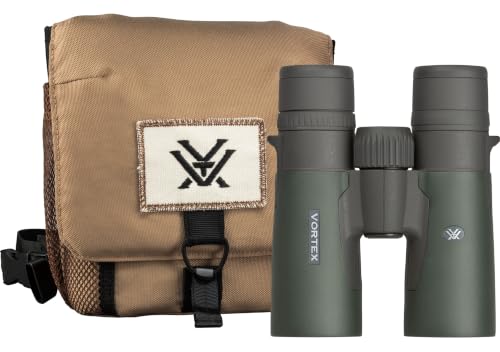

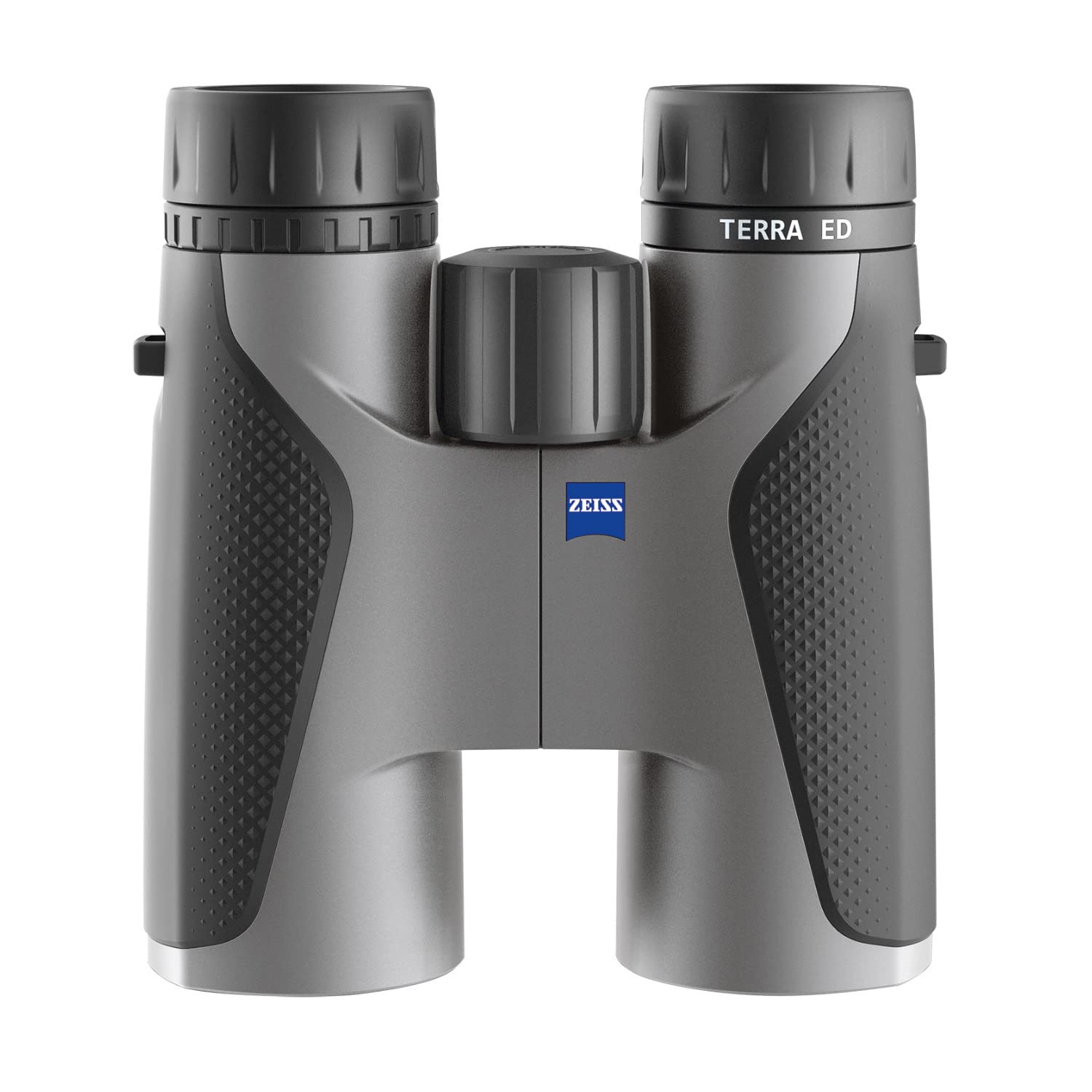

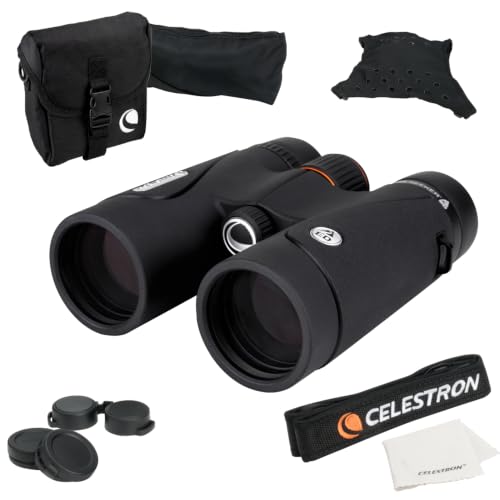

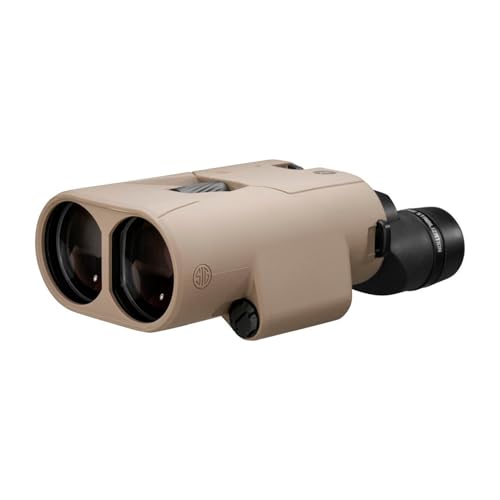
What the Top Tier Looks Like at a Glance
Instead of naming a short list, this section describes three levels of ambition. Each level can be the right answer, depending on how often you go out and how demanding your light and weather are. Use the product table above to place current models inside the level that fits you.
Premium Tier
The premium tier pairs a wide, flat, bright field with mechanics that feel precise year after year. Expect premium glass, advanced coatings, and close tolerances for about $900 to over $2,500. Focus stays smooth, hinges stay firm, and low light views hold contrast when lesser glass turns gray. The limit is price and sometimes weight. This tier suits dedicated birders, guides, and hunters who rely on their optics daily and measure value across a decade of heavy use.
Value Tier
The value tier is where smart engineering meets restraint, often about $250 to $700. You give up the last degree of edge sharpness and a little low light reach, and in return you get sealed, bright, dependable binoculars that cover most real watching. For travel, family wildlife trips, and weekend birding, the view is deeply satisfying. This tier suits buyers who want lasting quality without paying for bragging rights. Put the savings toward trips, where great glass earns its keep.
Beginner Tier
Beginners aiming high should still start with forgiving specs. A well made 8x42 around $200 to $400 teaches good finding and holding skills while delivering a bright, wide view. Chasing 12x power or tiny compacts too early makes learning harder. The best starter pair is the one you carry often and handle with confidence. If you love the hobby, it becomes a trusted backup when you later add a premium pair for dawn work or travel.
How to Choose the Best Binoculars Ever Made: Buying Guide
Lasting greatness is a system, not a single spec. Glass, prisms, coatings, mechanics, sealing, and support must all be strong, because the weakest part sets the life of the whole. When people talk about the best binoculars ever made, they usually mean a pair with no weak part. Check each factor below before you pay top tier money.
Optical Quality and Glass
Top optics start with high quality glass and prisms that keep the image bright and true. Look for extra low dispersion glass in better lines, which reduces color fringing on high contrast edges like a white bird against dark water. Fully multi coated surfaces raise light transmission and contrast. Judge the result, not the label. A great view looks clean to the edge, holds color honestly, and stays sharp when you move your eye slightly inside the eyecups.
Lens and Zoom Range
Classic greatness lives in sensible configurations, most often 8x42 and 10x42, with 8x32 and 10x50 close behind. Fixed magnification keeps the design pure and durable, unlike zoom binoculars that trade sharpness and brightness for novelty. Choose 8x for a wider, steadier, brighter view and 10x for more reach on open ground. Avoid extreme power unless a tripod is part of your plan, because shake erases the detail that premium glass works so hard to deliver.
Size, Weight, and Ergonomics
A lifetime pair must fit your face and hands. Check interpupillary range, eyecup travel, and diopter placement, and confirm the focus wheel falls under your fingertip without stretching. Weight near two pounds in a full size pair is normal, but balance matters more than the number. A pair that hangs neutrally on a harness and rises to your eyes without fumbling will be used more, and used gear is what justifies premium cost over time.
Durability and Weather Sealing
Look for waterproof and fogproof construction with sealed, gas filled barrels, sturdy armor, and lens covers that actually stay on. Great makers test sealing and publish clear care guidance. Metal focus mechanisms and firm hinges signal long life, while loose parts on a new unit predict trouble. If you compare lineages, our guide to the best binoculars made helps you see how build traditions differ across makers and eras.
Focus Precision and Stability
Binoculars rely on manual focus, and the best wheels turn with even resistance and no play. That precision lets you snap onto a moving bird and hold focus while you follow it. Stability comes from sensible magnification, good balance, and technique. Brace your elbows, breathe out slowly, and let the binoculars rest against your brow. Premium glass rewards calm handling, and calm handling is a learnable skill that costs nothing and improves every pair you own.
Support, Repair, and Long Term Value
A maker who repairs, realigns, and supplies parts keeps a great pair great. Read the warranty for length, coverage, and service location, and favor brands with a record of supporting older models. Resale and hand down value follow that support. This is also where patience pays. Buy the best sealed pair you can comfortably afford, care for it well, and its cost per outing falls every year while a cheap pair that fails gets bought twice.
Types of Binoculars That Endure
Full Size Binoculars
Full size 42 mm and 50 mm models dominate any honest list of enduring designs. They deliver the brightness, comfort, and durability that serious watching demands, in daylight and at dusk. Their drawback is size, but a good harness solves most carry complaints. For birding, hunting, and general wildlife work, this is the safest long term shape to own, with the widest choice of quality levels and accessories.
Mid Size and Compact Binoculars
Mid size 32 mm models cut weight while keeping a generous view, and quality compacts earn respect for travel. They give up some low light reach and demand more precise eye placement. At their best, they are beautifully made and get carried daily, which is its own kind of greatness. Choose them when portability decides whether binoculars come along at all, such as on hikes, city trips, and events where a full size pair would stay home.
Special Purpose Binoculars
Marine, astronomy, and stabilized models serve narrow jobs very well. Large 50 mm and 56 mm glass favors low light and steady mounts, while stabilized designs help on boats. Their greatness is real but specific, and most weigh or cost too much for general use. Buy special purpose glass after you own a versatile pair, not before, unless your life is truly centered on that one setting, such as working on the water.
Care and Maintenance Tips
- Use a lens cloth, not your shirt, and blow dust off before you wipe any lens.
- Store the pair in a dry, padded bag with covers on, away from heat and damp.
- Rinse salt and sand off gently, then dry fully before you put the case away.
- Send alignment or fogging problems to the maker early while warranty help is simple.
- Keep the strap or harness sound, since most serious damage starts with a drop.
- Record the serial number and receipt so service and insurance claims stay easy.
Care is part of why top pairs last. Owners of enduring optics tend to handle them calmly, clean them rarely but correctly, and fix small issues before they grow. That mindset matters more than any accessory.
Frequently Asked Questions
How much should I spend on my first one?
Spend about $200 to $400 if you want a first pair with lasting potential. That range buys sealed construction, good coatings, and mechanics that stay smooth. Cheaper pairs can be fine for occasional use, but they rarely age well. If your budget is higher and you watch often, stepping into the tier above buys low light reach and edge quality you will notice at dawn. Either way, reserve a little for a harness and case.
What does 8x42 or 10x42 mean?
The first number is magnification and the second is the front lens size in millimeters. An 8x42 pair shows a subject eight times closer, while a 10x42 pair shows it ten times closer through the same size lenses. The 8x view is wider, steadier, and a touch brighter. The 10x view reaches farther but shows more shake. Most enduring all purpose pairs live at these two sizes for good reason.
What specs matter most for beginners?
Eye relief, field of view, and weight matter most for beginners. Choose at least 16 mm of eye relief if you wear glasses, a wide field so finding subjects feels easy, and a weight you can hold for several minutes without strain. Waterproof sealing protects a new buyer from weather mistakes. Skip zoom models and extreme power for now. Simple, well made fixed power glass teaches the hobby fastest and resells best if you upgrade.
Which is better for low light?
An 8x42 or a 10x50 is better for low light than a 10x42 or any small compact. Divide objective size by magnification to compare exit pupil, and favor the larger number for dawn and dusk. Premium coatings widen the gap further by holding contrast as light falls. If your best watching happens in the first and last hour of the day, let low light performance lead your choice and accept a little more weight.
Is a smartphone enough instead?
No, a smartphone does not replace quality binoculars for watching. Phone zoom softens distant detail, screens wash out in sun, and holding a phone steady for minutes is tiring. Binoculars give an immersive two eye optical view with instant readiness. Use your phone to record what you find after glass locates it.
Final Thoughts
Greatness in binoculars is quiet. It shows up as a bright and honest view, mechanics that stay true, and a maker who still helps you years later. Choose a sensible size, demand real sealing and support, and care for the pair well. Judged that way, the best binoculars ever made are the ones that fit your life and keep earning their place in your bag. Check the product table above for current models that meet this standard.


