
Best Binoculars for Whale Watching from Land: A Checklist for 2026
Disclosure: We may earn a commission when you buy through links on this page, at no extra cost to you. As an Amazon Associate I earn from qualifying purchases. Learn more

Use one checklist to compare the best binoculars for whale watching from land by exit pupil, magnification, sealing and price before you order.
Watching whales from a cliff or a pier is a waiting game, and the wrong binoculars turn that wait into tired eyes and missed surfacings. This guide applies one checklist from start to finish, so the best binoculars for whale watching from land for you are simply the pair that passes every line of it. The comparison table below collects the formats that suit shore based watching in one place.
Exit pupil sits at the top of that checklist, because coastal light changes by the hour and a bright view keeps distant blows and fins readable. Work through magnification, sealing, and handling next, and the field of candidates narrows quickly.
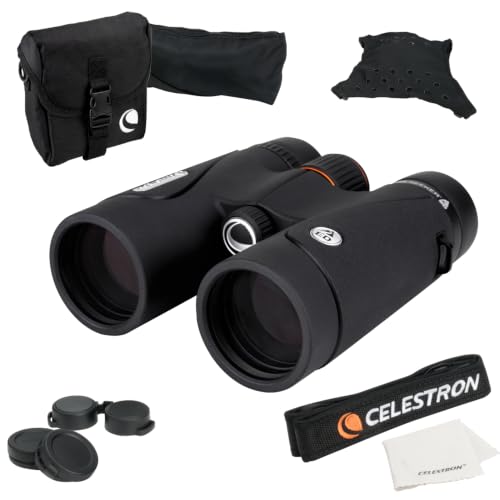
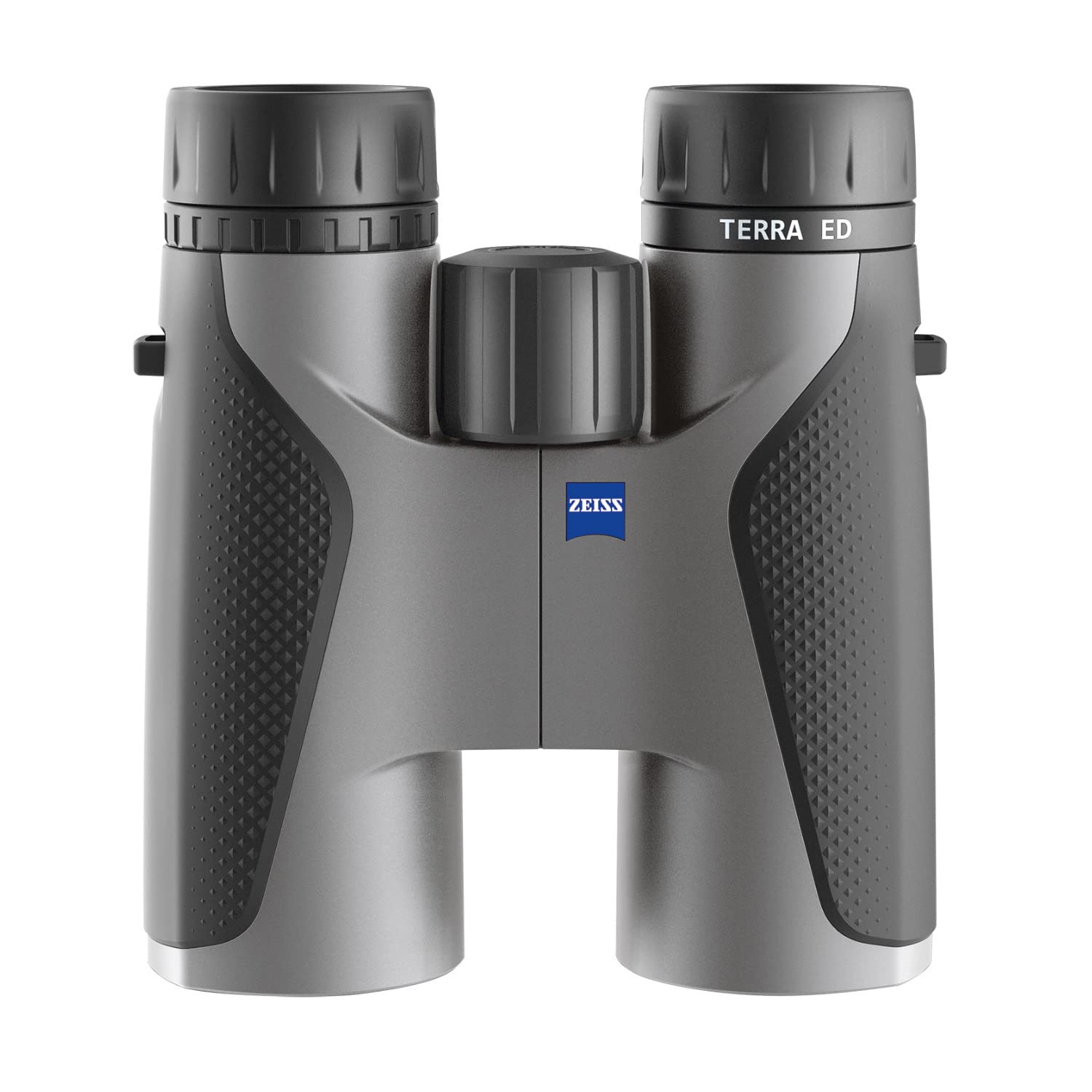

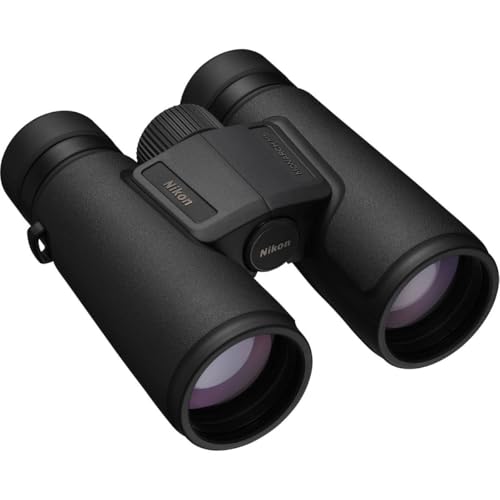


What the Checklist Looks For
Each criterion below carries a clear pass mark, so you can score any pair on paper before you spend anything.
Exit Pupil Comes First
Exit pupil governs how bright a distant whale looks through the glass, so it leads the checklist. An 8x42 delivers about 5.3 mm, which keeps the image bright under gray coastal skies and at dawn or dusk, when whales often feed close to shore. A 10x42 gives about 4.2 mm, still workable in full daylight but visibly dimmer once clouds roll in. Because shore watching runs for hours in changing light, most land based watchers should start at about 5 mm or more and treat the 8x42 as the default pass mark.
Magnification Matched to Solid Ground
Magnification is a shore question, not a boat question. On land your feet stand on rock or concrete, so you can brace your elbows, lean on a railing, or mount the binoculars on a tripod, and that support makes 10x practical for most watchers. From a boat deck the same 10x would bounce with every passing wave, which is why sea trips favor 7x or 8x instead. If your viewpoint is a high headland and the whales pass far out, a 10x42 is the shore sweet spot; if you scan from low beaches at closer range, an 8x42 feels calmer and wider.
Sealing Against Salt Spray
Sea spray is the quiet enemy of shore optics, so sealing earns its own checklist line. Choose a pair rated fully waterproof, with nitrogen purged barrels that resist internal fog when warm breath meets cold sea air. The point of that sealing is spray: fine salt mist drifts across every exposed viewpoint, and unsealed optics can haze over from the inside where no cloth can reach. Cold water destinations make the need plain, and our guide to best binoculars for whale watching in alaska treats fog resistance as a headline feature for the same reason.
Field of View and Scanning Comfort
Whales announce themselves with a brief blow, then vanish, so a wide field helps you relocate the animal after each dive. Around 315 to 340 feet at 1,000 yards, the typical field of a 10x42, gives you room to scan a patch of sea without constant panning. Eye relief of about 16 mm or more keeps the full field open for glasses wearers through long scans. The same wide field serves the coastal birds that fill the gaps between whale sightings, as our guide to best binoculars bird watching explains.
Weight, Focus, and Strap Comfort
A shore session can run two hours or more, so handling passes or fails the checklist too. A pair near 25 ounces hangs comfortably for that long, while heavier glass begs for a tripod and a fixed viewpoint. The center focus wheel should turn smoothly with a gloved finger, because cold sea wind numbs hands fast. Twist up eyecups that stay where you set them, plus a wide padded strap or a harness, round out a pair you will actually keep raised.
Three Classes That Pass the Checklist
The classes below narrow the wider market surveyed in our guide to best binoculars whale watching down to land use. The product table above shows where current options fall among them.
The Value Class: About $80 to $150
Value class pairs meet the checklist minimums: waterproof sealing, an exit pupil near 5 mm in 8x42 form, and honest stated fields. Glass coatings are basic, so the view loses some contrast at the edges on bright days. This class suits occasional watchers and anyone outfitting a guest pair for the cottage. The trade off is durability, since focus wheels and eyecups wear sooner under daily use.
The Middle Class: About $150 to $300
Middle class pairs add better coatings, smoother focus travel, and stronger warranties while keeping the same shore friendly formats. This is where most regular watchers should land, because the view stays bright and the build tolerates seasons of salt air. Weight control is usually better here too, which matters across a long session. Our companion guide to best binoculars for whale watching from shore looks at the same class from the shoreline angle.
The Premium Class: About $300 to $600
Premium pairs chase the last measure of clarity: flatter fields, crisper edges, and coatings that hold contrast when you look toward low sun on water. The formats stay familiar, mostly 8x42 and 10x42, because shore watching rewards balance over exotic sizes. Buyers who watch weekly through a whole season feel the difference most. Everyone else should weigh whether the added cost beats a good harness and a tripod adapter from the middle class.
Quick Buyer Checklist
- Does the exit pupil reach about 5 mm, or close to it, for gray days?
- Are waterproof and fogproof sealing stated plainly in the specs?
- Is eye relief about 16 mm or more if you wear glasses?
- Can you hold the weight steady, or does the body accept a tripod adapter?
- Does the focus wheel turn smoothly with one gloved finger?
- Is a wide strap or harness included for the walk to the viewpoint?
- Does the warranty run to at least a few years of coverage?
Red Flags to Watch For
- Huge magnification claims, such as 20x in a pocket size body, which promise shake and dim views in practice.
- Vague brightness words with no stated field of view or eye relief figures to check.
- No waterproof rating at all in a product aimed at coastal use.
- A missing diopter adjustment, which leaves many eyes unable to balance both barrels.
- A very short warranty paired with no named service route for repairs.
Care and Maintenance Tips
Salt is the main threat, so wipe the body with a cloth dampened in fresh water after each session and let the pair dry before capping the lenses. Clean the glass with a lens cloth, never your shirt, because dried salt crystals scratch coatings. Store the binoculars in a dry, padded bag away from heating vents. If you also watch other wildlife from the same viewpoints, the habits in our guide to best binoculars for animal watching pair well with this routine.
FAQs
What features matter most in binoculars for whale watching from land?
Exit pupil, sealing, and a magnification of 8x or 10x matter most, because shore light shifts often and the glass must stay clear in salt air. A tripod adapter socket is a small feature with outsized value at headland viewpoints, since a mounted pair removes shake entirely during long waits. Check for that threaded socket before you buy, because some otherwise fine pairs leave it off.
Which is better for low light on a shoreline, 8x42 or 10x42?
An 8x42 is better for low light, because its exit pupil of about 5.3 mm gathers a brighter image than the about 4.2 mm of a 10x42. Dawn and dusk sessions reward that difference, since whales often surface near shore in those hours. A larger format such as an 8x56 goes brighter still, but the added weight makes sense only if you watch from one fixed spot with support.
How much should I spend on my first one?
About $100 to $200 buys a first pair that passes the checklist, with real sealing and honest specs. Spending less usually means giving up the fogproof build that shore use demands. Reserve a little of the budget for a harness, because a comfortable carry decides whether the pair comes along on every trip. Better glass can wait until you know how often you watch.
Is a smartphone enough instead?
No, a smartphone is not enough for whale watching from land, because its digital zoom crops and softens the image just where you need detail. Screen glare on a bright shore makes framing hard, and there is no viewfinder to steady against your face. A phone still earns its place for recording a sighting once your binoculars have found it. Use the glass to spot and follow, and the phone to document.
What does 8x42 or 10x42 mean?
The first number states magnification and the second states the objective lens size in millimeters, so an 8x42 magnifies eight times through 42 mm lenses. A 10x42 magnifies more through the same size glass and therefore shows a smaller exit pupil. You will find the numbers printed on the body near the focus wheel on most pairs. That placement helps you confirm the format in a shop before you check anything else.
Final Thoughts
Run any candidate through the checklist: exit pupil first, magnification matched to solid ground, and sealing that shrugs off spray. The product table above shows how the current classes stack up against those marks. Get those three right and the best binoculars for whale watching from land become the pair you forget you are holding, right up until a whale surfaces in the frame.


