
Best Binoculars for Whale Watching in Alaska for 2026: Everything to Know Before Your First Purchase
Disclosure: We may earn a commission when you buy through links on this page, at no extra cost to you. As an Amazon Associate I earn from qualifying purchases. Learn more
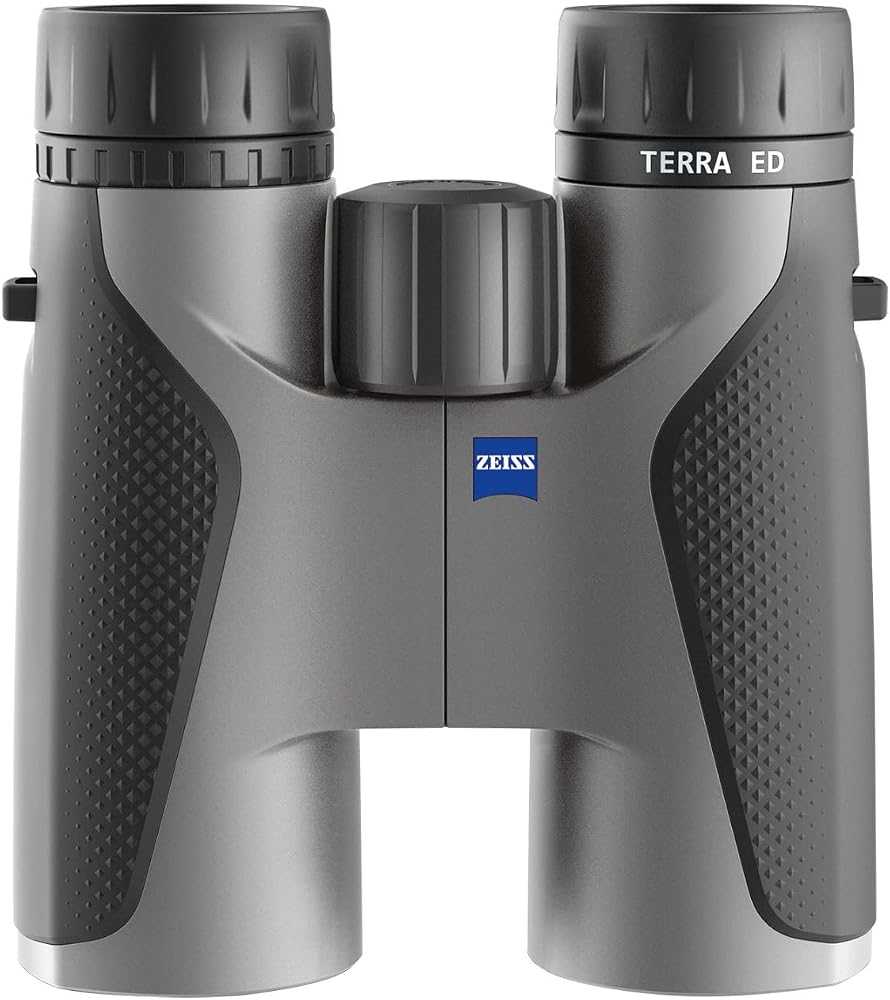
Learn how to choose the best binoculars for whale watching in Alaska, from magnification and lens size to waterproofing, weight, and budget basics.
Buying your first pair of binoculars for an Alaska trip can feel confusing, because the numbers on the box mean little until someone explains them in plain language. This guide starts with the basics, walks through each spec that matters on cold and wet water, and ends with simple setup and care steps, so you can judge the best binoculars for whale watching in alaska for your own trip without paying for features you will never use.
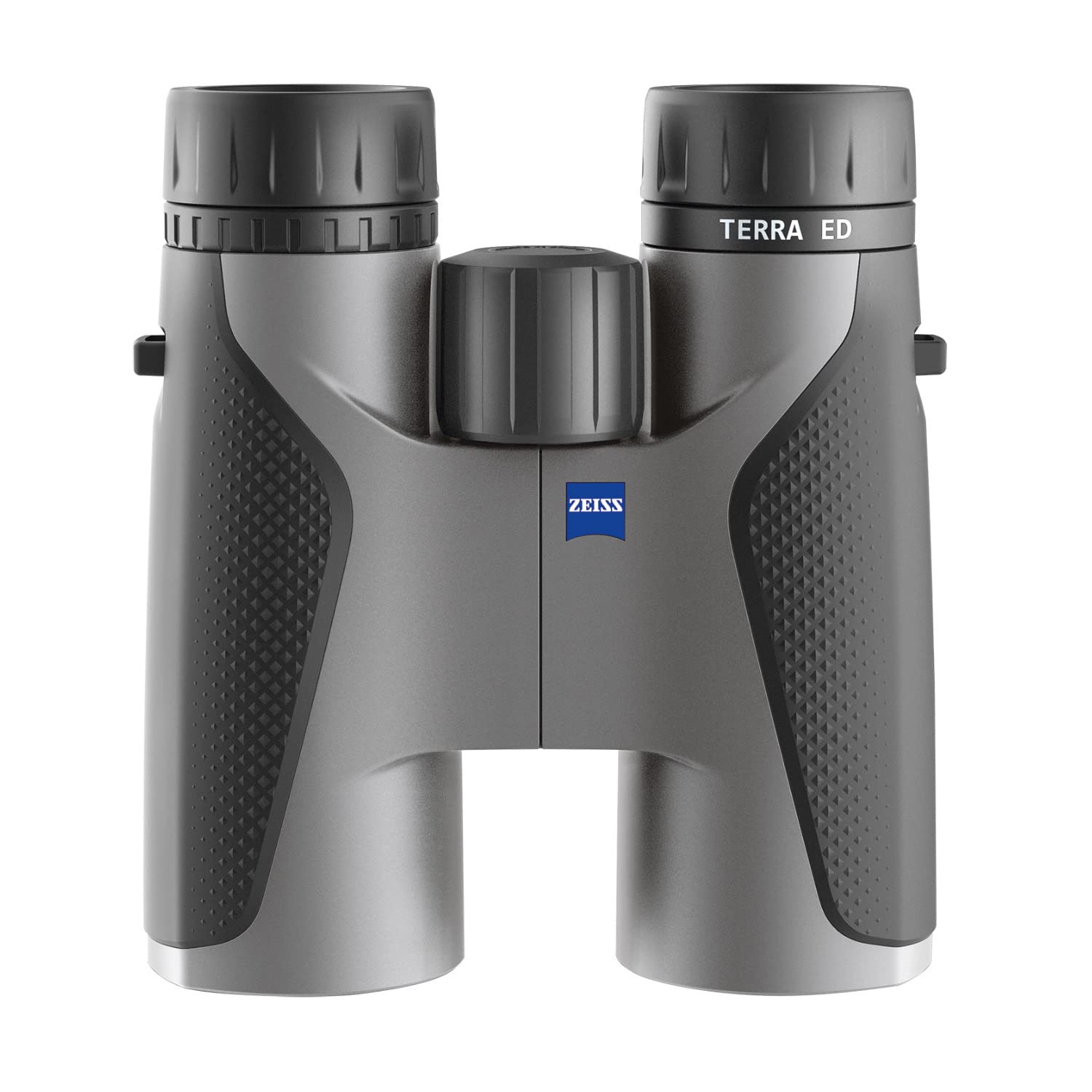
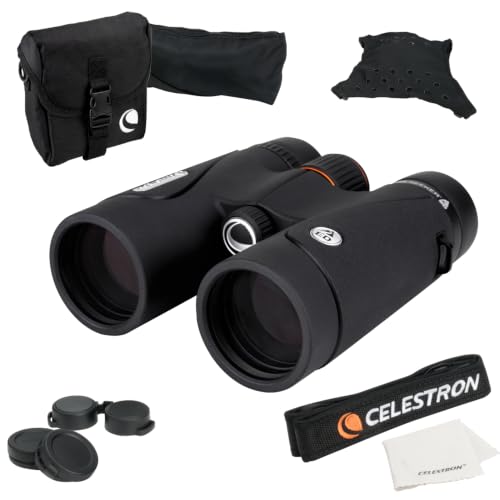
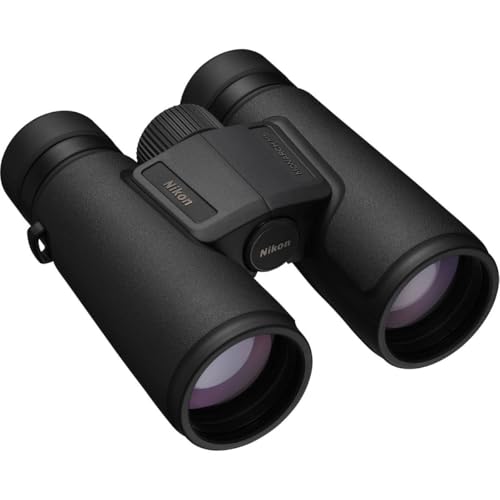
Alaska adds challenges a calm lake never will. Whales surface far away, boats move under your feet, light shifts under cloud cover, and sea spray can arrive without warning. The comparison table below gathers current options in one place, so use it alongside the guidance here once you know which specs deserve your money.




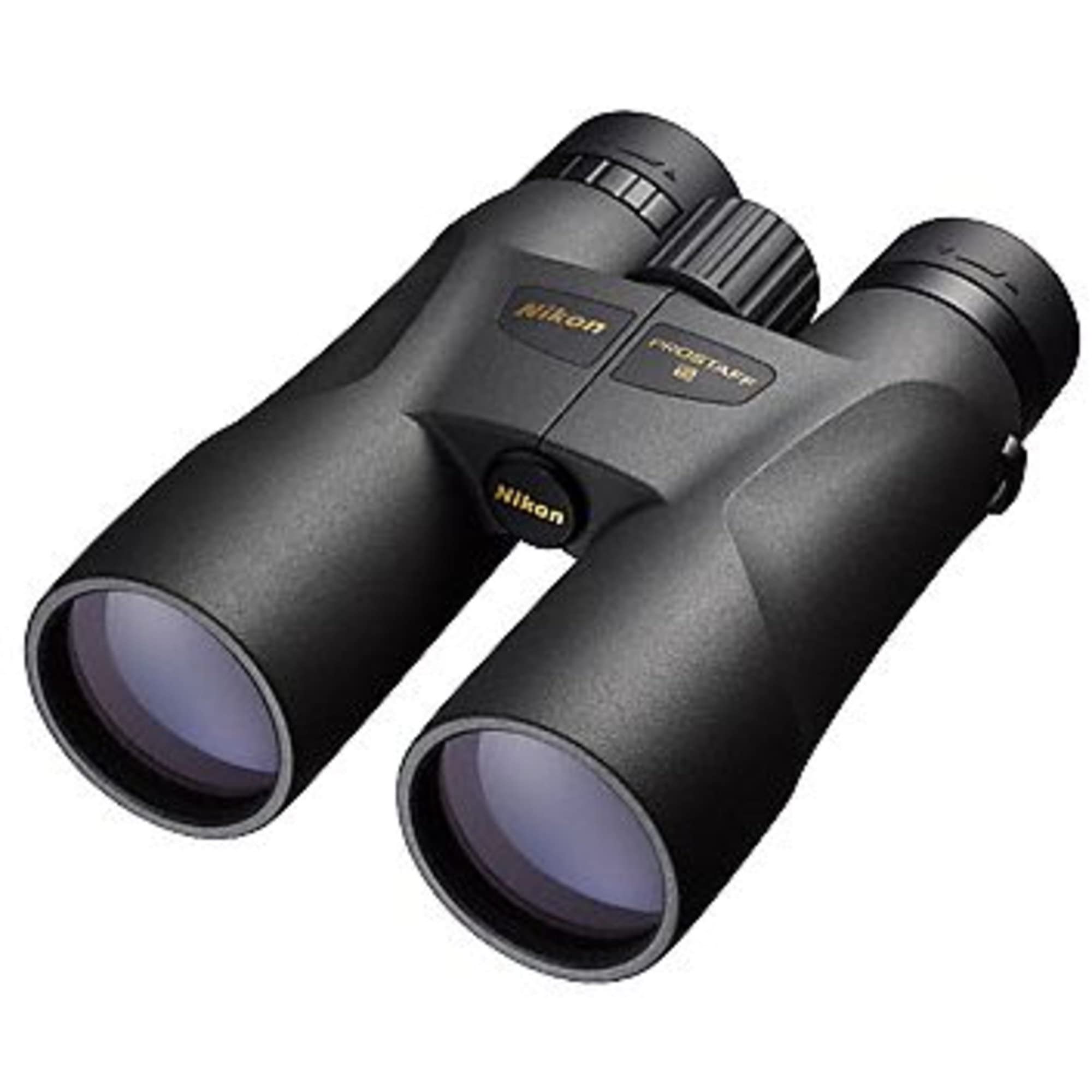
Binoculars 101: The Basics for New Buyers
A pair of binoculars is simply two small telescopes joined together, one for each eye. Light enters through the large front lenses, called objective lenses, passes through prisms that flip the image the right way up, and reaches your eyes through the eyepieces. Because both eyes stay open and relaxed, the view feels natural and three dimensional.
Two numbers describe almost every pair, written like 8x42 or 10x42. The first number is magnification, so 8x means a whale looks eight times closer than it does to your unaided eyes. The second number is the diameter of the front lenses in millimeters, and bigger front lenses gather more light. Most pairs have no electronics, so there is nothing to charge and no autofocus to wait for. You raise them, turn one focus wheel, and watch. If your travels later take you beyond Alaska, see our guide to the best binoculars whale watching for advice covering whale trips in other regions.
Key Specs Explained in Plain English
Only a handful of specs decide whether you spot a fluke in time or miss it. Three conditions drive them all: whales feed far away, your platform moves, and coastal Alaska is wet. That mix is what makes the best binoculars for whale watching in alaska different from a general pair for sports or travel.
Magnification and Objective Lens Size
For most buyers, 8x42 is the safest starting point. The 8x view is wide and forgiving, so you can find a whale quickly and follow it, even when a boat rolls gently. A 10x42 pair brings distant animals closer, but the view shakes more in your hands and the picture narrows. The 42 mm lenses gather enough light for overcast days while staying light enough to hold for long stretches.
Field of View and Finding the Whale Fast
Field of view tells you how wide a slice of water you can see at once, usually listed in feet at 1,000 yards. A wider view makes everything easier, because whales rarely surface where you expect them. You scan the surface, catch a spout at the edge of the view, and follow the animal without losing it each time it dives. Treat a generous field of view as a real feature, not a minor detail.
Low Light Performance on Gray Alaska Days
Alaska tours often run under heavy cloud or in the low light of morning and evening. Exit pupil is the size of the bright circle of light reaching your eye, found by dividing lens size by magnification, so an 8x42 pair gives about 5.25 mm. A larger exit pupil looks brighter when light is poor. Lens coatings matter just as much, since good coatings pass more light and sharpen contrast against gray water, so look for lenses described as fully multicoated.
Waterproofing and Fogproofing
A weatherproof label alone is vague, so look for two specific claims. True waterproof binoculars are sealed with rubber rings and handle steady rain and sea spray without water getting inside. Fogproof pairs are filled with nitrogen or argon gas instead of ordinary air, so the lenses do not mist up inside when you step from a warm cabin into cold deck air. In Alaska that temperature jump happens many times a day, and a rubber armored body also grips better in wet gloves.
Size, Weight, and Ergonomics
You will hold this pair up for minutes at a time and carry it for hours, so comfort is a deciding factor. Most full size 42 mm pairs weigh about 20 to 30 ounces, which most adults manage well with a good strap. Compact binoculars weigh far less, but their small lenses give a dimmer and narrower view that disappoints at whale distances. Check that the focus wheel turns smoothly with gloves on and that the body feels balanced, not front heavy.
Eye Relief and Image Stabilization
Eye relief is the distance your eye can sit behind the eyepiece while still seeing the whole picture, and it matters most if you wear glasses. Look for about 15 mm or more so your glasses do not cut off the edges of the view. Some pairs offer image stabilization, a powered system that steadies the picture on a moving boat, but it adds cost, weight, and batteries. Most first time buyers do better spending that money on better glass and solid waterproofing.
Which Binoculars Fit Your Style of Alaska Trip?
Boat Tour Watchers
Most visitors watch from a tour boat out of ports such as Juneau, Seward, or Ketchikan. Your platform moves, whales can surface on any side, and trips last two to five hours. Choose 8x42 for the steady and wide view, insist on waterproof and fogproof construction, and use a strap that keeps the pair against your chest on deck.
Shore and Land Watchers
Some of the best watching happens from beaches, harbor points, and roadside pullouts, where you stand on solid ground and whales may pass much farther out. That steadier base lets you use 10x42 comfortably. If this is your main plan, read our guide to the best binoculars for whale watching from land for advice shaped around fixed viewing spots.
Travelers Who Want One Pair for All Wildlife
Many Alaska trips mix whales with bears, moose, eagles, and puffins, sometimes on the same day. A versatile 8x42 or 10x42 pair covers all of it, since the brightness and weather sealing that help on the water also help in a damp forest. For wider planning, see our guide to the best binoculars for wildlife viewing in alaska for the full range of animals you might meet.
Shore watchers who settle at one point for hours have different needs again, since a tripod adapter becomes useful and weight matters less. Our guide to the best binoculars for whale watching from shore covers that patient style of watching. The same pair often serves birding back home too, and our guide to the best binoculars bird watching explains what changes when subjects are small and fast.
Rookie Mistakes to Avoid
- Chasing the highest magnification. A 12x or stronger pair shakes so much on a boat that you see less detail, not more.
- Buying tiny compact binoculars to save space. Small front lenses give a dim and cramped view at whale distances, so the easiest pair to pack often disappoints most.
- Ignoring waterproofing to save money. One wet afternoon can ruin the only whale tour of your trip, and internal water damage is rarely fixable.
- Judging by zoom numbers on cheap listings. Exaggerated claims and poor glass produce a blurry picture, so honest specs beat bold numbers every time.
- Skipping the diopter setup. One eye then stays slightly out of focus, which causes headaches and a view that never looks fully sharp.
- Forgetting a strap or case. Binoculars carried loose get dropped, knocked, and scratched, often before the first whale appears.
Getting Started: Setup and First Use
Set your pair up at home before the trip, in about five minutes. Hold the binoculars to your eyes and bend the center hinge until you see one clean circle instead of two overlapping ones. That spacing, called interpupillary distance, must match your eyes. Next, set the diopter: close your right eye and focus on a distant sign with the main wheel, then close your left eye and turn the small diopter dial until the same sign looks sharp through the right side.
Then practice the scanning habit experienced watchers use. Watch the water with your bare eyes first, find a spout or a splash, and only then raise the binoculars straight to your eyes. Turn the focus wheel a little at a time to keep the animal sharp as it moves. Fit the neck strap before your tour, rest your elbows against your body or a rail, and keep the lens caps in a pocket so they do not dangle.
How to Care for Your Binoculars in Alaska Conditions
Salt spray is the main enemy on the water. After a tour, wipe the body with a cloth dampened with fresh water to lift salt away, then dry it fully. Clean the lenses only with a soft lens cloth, and blow loose grit off first, because rubbing dry salt across glass can scratch the coatings. Use a lens cloth, not your shirt, which often holds exactly that grit.
Store the pair in a cool and dry place with the caps on, away from heat and direct sun. If the lenses fog on the outside during a tour, blot gently with the lens cloth rather than wiping hard. Check the strap and its attachment points before each trip, since a worn strap causes most damaging drops. Treated this way, a decent pair lasts through many seasons of trips.
Frequently Asked Questions
Which features matter most in binoculars for whale watching in Alaska?
Waterproof and fogproof construction, 8x or 10x magnification, and 42 mm objective lenses matter most. One extra worth checking is the warranty, since some makers cover accidental water damage while others exclude it. Also confirm that the eyecups lock at set positions, because eyecups that collapse mid tour slowly shrink your view without you noticing why.
Which binocular specs matter most for a beginner?
Beginners should focus on magnification, lens size, and field of view, in that order. A helpful extra check is minimum focus distance, because a pair that focuses down to about six feet also lets you watch puffins and other close subjects on the same trip. Weight under about 30 ounces keeps the pair comfortable while you learn.
Is a smartphone camera enough instead of binoculars for whale watching?
No, a smartphone camera is not enough for most whale encounters. Phones enlarge a small image digitally, so a whale a few hundred yards away becomes a small and shaky shape, while binoculars show it large and steady to both eyes. Keep the phone for photos once a whale comes close, and try holding its camera against the eyepiece for a quick record after you have watched properly first.
What does 8x42 or 10x42 mean on whale watching binoculars?
The first number is magnification and the second is the front lens diameter in millimeters. One detail the numbers hide is brightness: dividing the second number by the first gives the exit pupil, and the 8x42 wins there. Both sizes often share a similar body, so the real difference is viewing style. Pick 8x42 for scanning from boats and 10x42 for steady viewing from shore.
Which binoculars are better for low light whale watching, 8x42 or 10x50?
An 8x42 pair is better for most low light watching from a boat, because its larger exit pupil looks brighter and its wider view stays steadier. A 10x50 pair gathers more light on paper, yet its narrower and shakier picture wastes that advantage on moving water. From shore at dawn, though, a 10x50 on a tripod becomes the stronger choice, since the support removes the shake.
How much should a first time buyer spend on whale watching binoculars?
Most first time buyers do well spending about $100 to $250. Below about $100, glass quality and waterproof sealing usually drop enough to notice on the water. Above about $250, gains are real but smaller, mostly in edge sharpness and build quality. Reserve a small part of the budget, around $20, for a padded harness strap, which makes any pair far more comfortable.
Final Thoughts
Keep your first decision simple. Pick 8x42 if you will mostly watch from boats, or 10x42 if you will mostly watch from shore, and make sure the pair is waterproof, fogproof, and comfortable in your hands. Set the diopter once and practice scanning at home. The product table above can help you compare current options against those basics. Chosen that way, the best binoculars for whale watching in alaska are simply the pair that stays clear, steady, and ready the moment a whale surfaces.


