
Best Binoculars for Whale Watching from Shore: A Practical Buying Guide for 2026
Disclosure: We may earn a commission when you buy through links on this page, at no extra cost to you. As an Amazon Associate I earn from qualifying purchases. Learn more

Choose the best binoculars for whale watching from shore with clear guidance on magnification, field of view, exit pupil, and weather sealing.
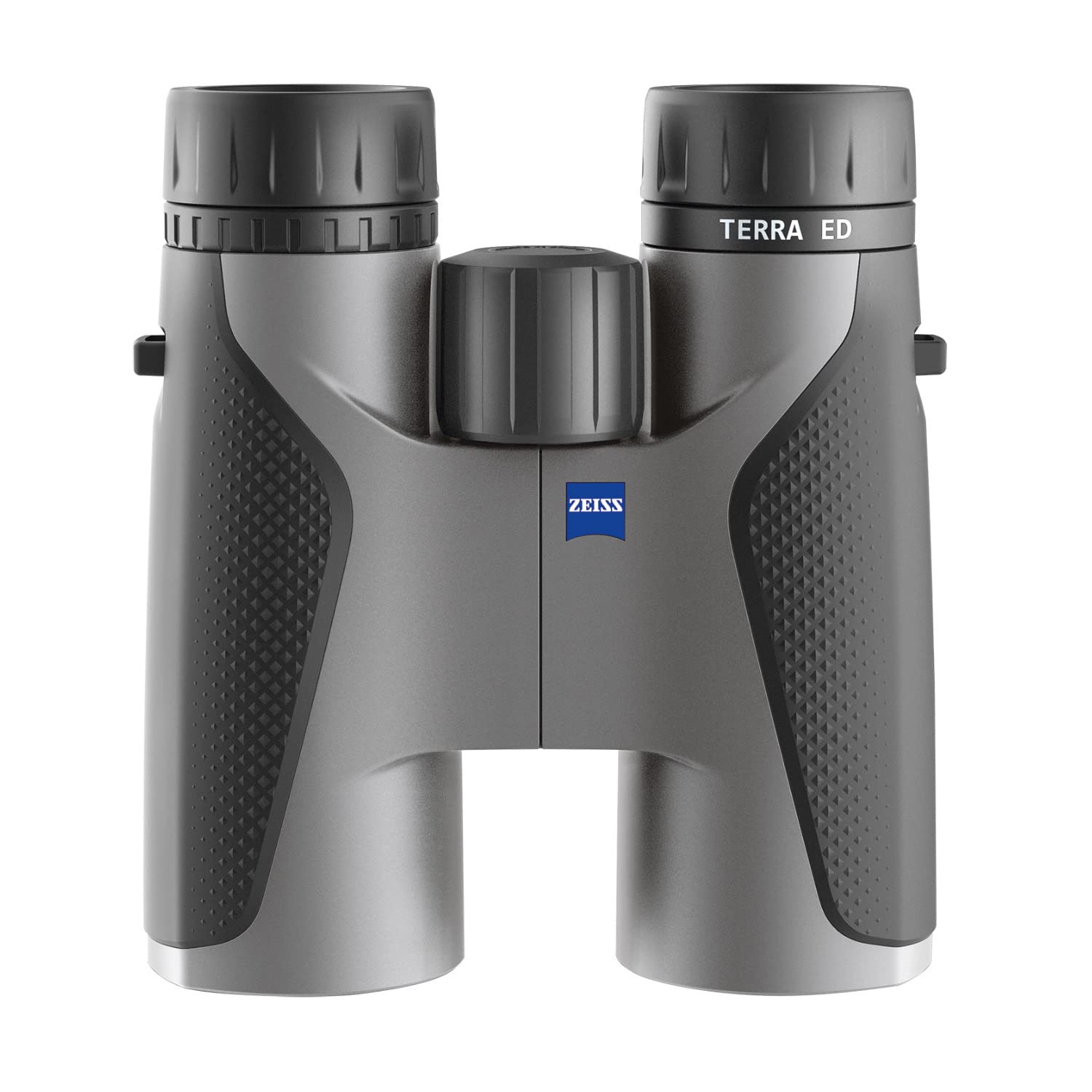
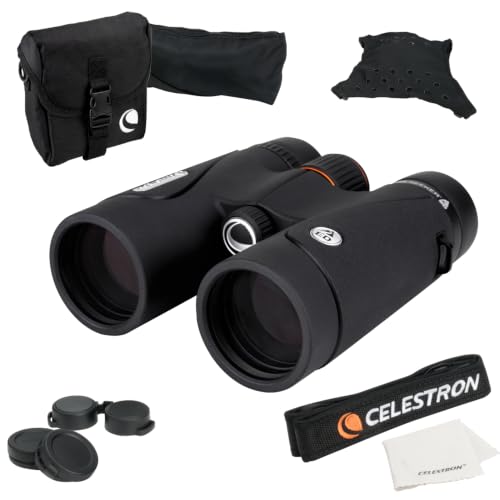
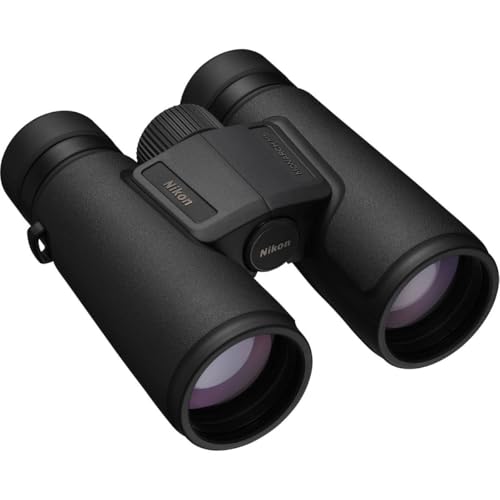
From a cliff top or a quiet stretch of beach, a whale often shows itself for only a few seconds: a puff of spray, a dark back rolling through the swell, then nothing. The right glass turns those brief moments into real watching, letting you follow a blow, a dorsal fin, or a fluke before the animal sounds again. Choosing the best binoculars for whale watching from shore comes down to steady magnification, a wide view for finding animals, and optics that stay clear in salt air. The comparison table below puts the key specs side by side so you can compare at a glance.
This guide walks through the numbers that actually matter, explains how to scan open water methodically, and helps you match a pair to the way you watch, whether that is a quick stop at a viewpoint or a full morning on a headland.





Who Should Buy Which Binoculars for Watching Whales from Shore?
Shore based watching covers a wide range of distances and habits, and the pair that suits a patient watcher on a headland will frustrate a parent passing binoculars around on a pier. Start by picturing where you stand and how long you stay, then match the specs below to that picture. Readers who also watch from boats can compare the broader category in our guide to the best binoculars whale watching, where stability on a moving deck changes the priorities.
Cliff and Headland Watchers Facing Long Distances
If your usual viewpoint sits high above the water and the whales feed a mile or more offshore, reach matters most. A 10x42 or 10x50 pair brings distant blows and flukes close enough to identify species and behavior, which an 8x pair may leave as vague shapes. You will hold the binoculars for long stretches, so look for a comfortable grip and a tripod socket, because even a light pair feels heavy after twenty minutes of raised arms.
Beach and Pier Watchers Sharing One Pair
On a beach or pier, whales often pass closer in, sometimes just beyond the surf line, and several people take turns looking. An 8x42 pair suits this style well, since the wider field of view makes it easy for each new person to find the animal quickly after a handoff. Fast, smooth center focus matters too, because the whale will not wait while someone hunts through a stiff wheel. Generous eye relief and simple twist up eyecups let glasses wearers and kids both get a full view without fuss.
Patient Watchers Who Settle In with a Tripod
Some watchers treat a morning on the coast like a stakeout, staying in one spot for hours and logging every surfacing. If that sounds like you, a tripod changes everything, because it removes hand shake entirely and frees you to consider 12x50 glass that would wobble too much when held. A steady mounted view also makes it easier to watch subtle behavior, such as a calf staying close beside its mother. Pick a pair with a standard tripod adapter thread and a focus wheel you can adjust with one finger.
Key Features to Compare
When you compare the best binoculars for whale watching from shore, five factors decide most of what you will actually see: magnification balanced against field of view, objective lens size and exit pupil, eye relief, weather sealing, and weight. The product table above lists these specs for each model, and the sections below explain how each one behaves out on the coast.
Magnification and Field of View
Magnification tells you how much closer an animal appears, so a whale at 1,000 yards looks as if it were 100 yards away through 10x glass. The catch is that every step up in power narrows your field of view and magnifies hand shake along with the whale. For handheld shore watching, 8x and 10x cover nearly everyone, with 8x giving a calmer, wider picture that makes finding a surfacing whale far easier. Field of view is often listed in feet at 1,000 yards, and a wider figure helps you track animals that surface in unexpected spots. If you also follow birds along the same coastline, our guide to the best binoculars bird watching explains why quick target pickup matters just as much there.
Objective Lens Size and Exit Pupil
The second number in a spec like 10x42 is the objective lens diameter in millimeters, and bigger front lenses gather more light for dawn, dusk, and gray overcast sessions. Dividing the objective size by the magnification gives the exit pupil, so a 10x42 pair delivers a 4.2 mm exit pupil while an 8x42 reaches 5.25 mm. A larger exit pupil produces a brighter, more forgiving view in low light and makes eye placement less fussy. For early morning watchers, a 42 mm or 50 mm objective is worth its extra weight over a compact 32 mm lens.
Eye Relief and Focus Handling
Eye relief is the distance your eye can sit behind the eyepiece while still seeing the whole picture, and glasses wearers generally need about 15 mm or more to avoid dark edges cutting into the view. Twist up eyecups with firm stops let you set that distance quickly when the binoculars change hands. The center focus wheel deserves equal attention, since you will roll it constantly as whales move toward or away from you. A smooth wheel with moderate resistance lets you track a surfacing animal without overshooting, while a gritty wheel turns every sighting into a small fight.
Waterproofing, Fogproofing, and Armor
Coastal air carries salt spray even on calm days, and a sudden shower can end a session for glass that is only splash resistant. Look for binoculars sealed with O rings and rated waterproof, ideally purged with nitrogen or argon so the inside cannot fog in cold sea air. Rubber armor adds grip with wet hands and cushions knocks on rocky viewpoints. Watchers heading north into colder, wetter conditions can compare suitable options in our guide to the best binoculars for whale watching in alaska, where sealing matters even more.
Weight and Balance in the Hand
Most full size pairs in the 42 mm class weigh about 24 to 30 ounces, and that load sits in your hands at eye level for minutes at a time. A pair that feels fine during a quick store test can ache badly by the third long scan of the morning. Balance matters as much as the number on the scale, because a pair that sits evenly in both palms stays steadier than one that tips forward. A wide padded strap or a chest harness spreads the load between scans and keeps the binoculars secure in wind gusts.
How to Scan the Water from Shore
Good technique finds more whales than expensive glass used poorly. Start by dividing the water in front of you into rough bands, near, middle, and far, then sweep slowly across one band at a time instead of darting around. Watch for the blow first, a faint white puff that hangs for a second, and also scan for feeding birds, slick patches, and splashes that suggest animals below. The same patient habits work on any stretch of coast, and our guide to the best binoculars for whale watching from land adds more viewpoint ideas for different shorelines.
Rest your elbows on a railing, a rock, or your knees whenever you can, because bracing cuts shake dramatically and lets 10x glass perform at its best. Lower the binoculars every few minutes and look with your naked eyes too, since peripheral vision catches movement that a narrow magnified view misses. Scanning this way often reveals dolphins and seals in the same water, and our guide to the best binoculars for animal watching covers glass for that wider mix of wildlife.
For long sessions, a tripod adapter that screws into the front hinge turns any standard tripod into a rock steady mount. Mounted binoculars let you hold a whale in view while you take notes or simply rest your arms. Sit rather than stand when you can, and keep the tripod low so the setup stays calmer in the wind.
Common Mistakes to Avoid
- Choosing 12x or higher magnification for handheld use, which turns normal hand tremor into a view that swims too much to enjoy.
- Buying compact 25 mm objectives for dawn watching, which leaves the image dim just when whales feed closest to shore.
- Ignoring eye relief while wearing glasses, which crops the edges of the view and makes every sighting feel cramped.
- Skipping waterproof sealing near the coast, which lets salt spray and one rain shower fog or corrode unprotected glass.
- Scanning the whole horizon in one fast sweep, which rushes past blows that hang in the air for only a second or two.
- Judging a pair by magnification alone, which overlooks the field of view that decides how easily you find the whale at all.
How to Make Your Binoculars Last Longer
Salt is the main enemy of coastal optics, so wipe your binoculars with a slightly damp cloth after spray heavy sessions, then dry them fully before storage. Clean lenses with a blower first to lift grit, then a lens cloth in small circles, because dry wiping drags sand across the coatings. Keep the caps on whenever the pair is not in use, even during a short break.
- Store the binoculars in a dry, padded case indoors, never in a hot car trunk or a damp garage.
- Hang them from a strap or harness while you walk, since a swinging pair eventually meets a rock or a railing.
- Check the hinge tension, eyecups, and diopter setting now and then so small looseness gets fixed before a big trip.
- Send the pair for professional cleaning if the inside of a lens fogs, because opening sealed optics at home breaks the gas purge.
Frequently Asked Questions
What magnification works best for binoculars used for whale watching from shore?
For most shore watchers, 10x is the sweet spot, and 8x suits anyone whose hands tire quickly. Ten power brings distant blows and flukes into satisfying detail from a cliff, while 8x gives a wider, calmer picture for closer animals near beaches and piers. If you regularly watch from one fixed viewpoint, try before you buy at a store with a distant view, and notice which power you can hold steady for a full minute without your arms complaining.
What does 8x42 or 10x42 mean on whale watching binoculars?
The first number is magnification and the second is the front lens diameter in millimeters, so 10x42 glass makes objects look ten times closer through 42 mm lenses. Between those two common sizes, the 8x42 shows a wider and slightly brighter picture, while the 10x42 reaches farther with a touch more shake. Neither is universally better, and the right pick depends on your typical distance to the whales and how steady your hands are on a windy point.
Are waterproof binoculars necessary for whale watching from shore?
Yes, waterproof sealing is close to essential for shore use, because spray, drizzle, and salt laden air reach your optics even when you stay dry. Sealed and purged binoculars also resist the internal fogging that appears when temperatures swing between a warm car and a cold viewpoint. One extra benefit is easy cleanup, since many sealed pairs tolerate a gentle rinse under a tap to remove salt, though you should always confirm that in the manual for your specific pair first.
How much should a first pair of whale watching binoculars cost?
A sensible first pair can be found for under $300, a level where optics, sealing, and build quality are genuinely good rather than barely adequate. Spending far less often means dimmer glass and loose focus wheels that sour the hobby quickly, while paying far more mainly buys refinement you may not yet miss. Put part of the budget toward a chest harness and a good case as well, since carrying comfort decides how often the binoculars actually come along.
Is a smartphone enough for whale watching from shore instead of binoculars?
A smartphone is fine for recording a close breach, but it is a poor tool for finding and following whales at distance. Phone screens wash out in bright coastal light, digital zoom turns distant animals into smudges, and holding a phone up for a long scan tires your arms fast. Binoculars also let both eyes work together, which makes following a moving whale far easier. Many watchers carry both, using the phone only for quick photos through one eyepiece when an animal comes close.
Can whale watching binoculars be mounted on a tripod?
Most full size binoculars can, using an inexpensive adapter that screws into the threaded socket hidden under a cap on the front hinge. Mounting removes nearly all shake, which makes higher magnification usable and long sessions far less tiring. A monopod is a lighter middle option for viewpoints where a full tripod feels awkward, such as crowded piers. Whichever support you choose, keep one hand free for the focus wheel, because a surfacing whale rarely stays at one distance for long.
Final Thoughts
Shore based whale watching rewards patience and steady, bright glass more than raw power. Match the magnification to your typical distance, insist on real waterproof sealing, and pick a weight your arms can hold through a long morning of scanning. Use the product table above to compare the specs that matter, then choose the best binoculars for whale watching from shore for the way you actually watch, and the next faint blow on the horizon will be yours to follow.


