The Best Binoculars for Animal Watching in 2026: A Buying Guide
Disclosure: We may earn a commission when you buy through links on this page, at no extra cost to you. As an Amazon Associate I earn from qualifying purchases. Learn more

The best binoculars for animal watching depend on habitat, light, and weight. Learn which magnification, lens size, and price band fit you.
Wild animals rarely cooperate. They feed at dawn, keep to the tree line, and move off the moment you raise your hands, so the glass you carry decides whether you get a clear look or a gray blur. This guide shows how to choose the best binoculars for animal watching for the places you actually go, without paying for numbers you do not need.
We start with habitat, because open fields, deep forest, and shorelines each reward a different binocular. Then we cover the price bands, the specs that matter in low light, the main types, and simple care. The product table lists current models that match the classes described in this guide.


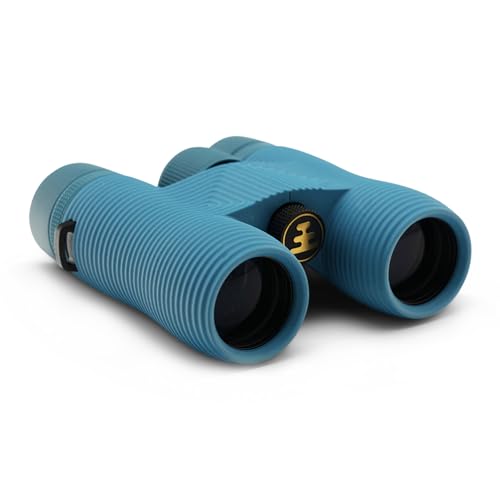

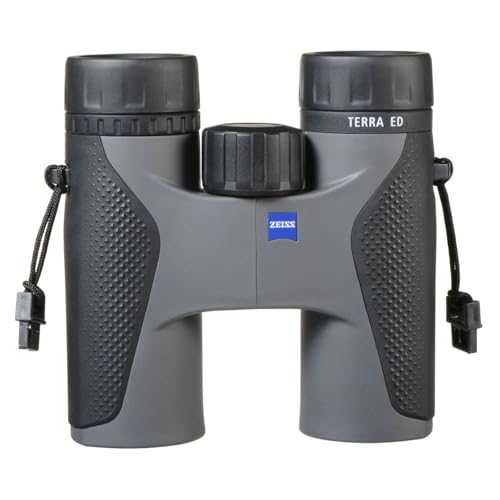
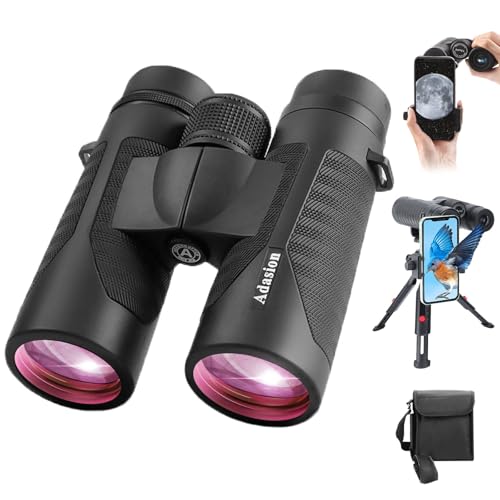
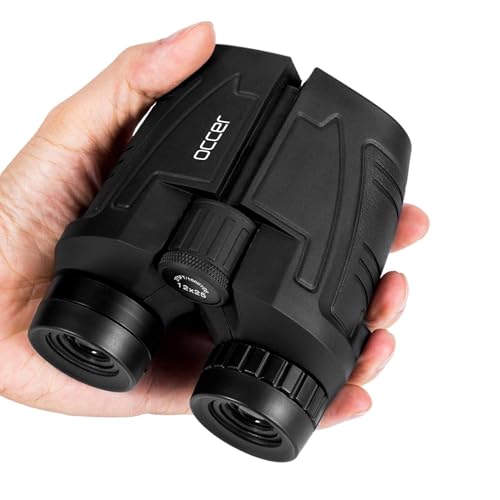

Start With Where the Animals Are
Habitat is the fork that decides everything else. Distance, light, and cover change what a binocular must do, so sort your watching into one of the three settings below before you compare a single spec. Readers who watch in more than one setting should buy for the darker and closer one, since forest glass still works in a field while the reverse is not true. The closest all round category is covered in our guide to the best binoculars for nature watching, which treats field and forest use together.
Open Field and Grassland Animals
Deer, antelope, and grazing herds are watched across long distances in good light. Here a 10x magnification earns its keep, because the animals are far away and your hands can rest on a fence post, a pack, or a vehicle window. A wide field of view still helps when a herd moves, but brightness is rarely the problem at midday. Weight matters on long walks between viewpoints, so a mid size glass often beats a heavy full size model that stays in the truck.
Forest and Woodland Animals
Forest watching is close, dim, and fast. Birds and small mammals appear at short range under a canopy, so an 8x glass with a wide field of view finds the animal faster and holds it steadier. Brightness matters more than reach here, because dawn and shade steal light all day. This is the same set of needs covered by the best binoculars bird watching guide, since most forest watching is bird watching at close range. Close focus also counts, because a warbler six feet away should still focus sharply.
Shore and Wetland Animals
Shorelines mix bright glare, long distances, and wet air. Seabirds, seals, and wading birds reward a bright 10x glass with good weather sealing, because salt spray and drizzle are part of the setting. A tripod or monopod helps for long sessions over water, since arms tire and shake grows. For dedicated marine use, our guide to the best binoculars whale watching covers the larger glasses built for boats and headlands. Whatever you choose, a floating strap is cheap insurance near water.
What Your Budget Buys
Binocular prices spread widely, and the honest differences are in glass coatings, build quality, and low light performance rather than in the magnification number printed on the box. The product table shows where current models fall, and the bands below describe what each step up actually buys.
Entry Band: About $50 to $120
This band buys a usable glass for casual watching, school trips, and a first season of learning. Expect decent center sharpness, basic coatings, and a build that prefers dry days. Low light performance is the main limit, so dawn sessions will look dim. For many beginners this band is the right place to start, because it teaches you which specs you care about before you spend more.
Middle Band: About $120 to $300
The middle band is where animal watching gets genuinely good. Better coatings brighten the image at dawn and dusk, focus wheels turn more smoothly, and weather sealing becomes common. Most regular watchers should land here, since the jump in clarity from the entry band is large and easy to see. Weight and eye relief also improve, which matters for glasses wearers and for anyone who watches for hours at a stretch.
Upper Band: About $300 and Up
Above about $300 you pay for refinement: edge to edge sharpness, brighter glass in near darkness, and tougher housings that shrug off years of field use. The gains are real but smaller per dollar than the step into the middle band. Serious watchers who go out weekly in hard light will feel the difference daily. Everyone else can buy the middle band and put the savings toward trips to better habitat.
Best Binoculars for Animal Watching: The Specs That Matter
Features That Matter for Animal Watching
Animals move, light changes, and chances last seconds, so the features that matter are the ones that get a clear image fast. A smooth center focus wheel, a wide field of view, and enough eye relief to use with sunglasses or glasses all serve that goal. When readers ask us to name the single most useful trait in the best binoculars for animal watching, we point to the focus wheel, because a slow or stiff wheel loses more animals than any spec on paper. Everything else in this section supports that speed.
Magnification Is a Trade, Not a Race
The first number in a spec like 8x42 is magnification, and bigger is not better by default. More magnification makes the animal larger, but it also magnifies the shake in your hands, narrows the field of view, and dims the image when the lens size stays the same. Most animal watchers do best at 8x for forest and general use, or 10x for open country and shorelines. Numbers above 12x belong on a tripod, because freehand shake turns that extra reach into a swimming image nobody can study.
Lens Size, Brightness, and the Exit Pupil
The second number, 42 in 8x42, is the front lens size in millimeters, and it decides how much light the binocular gathers. Divide that number by the magnification and you get the exit pupil, which is the beam of light reaching your eye. A larger exit pupil gives a brighter image at dawn and dusk, when animals are most active. Maker claims about low light performance are class claims, so judge by this arithmetic and by lens coatings rather than by marketing words about night vision.
Field of View and Close Focus
Field of view tells you how wide a scene you see at a set distance, and a wider view makes finding a moving animal far easier. This is why forest watchers trade magnification for width. Close focus is the nearest distance that still focuses, and it matters more than many buyers expect: butterflies, frogs, and nearby birds all sit inside the close focus limit of cheap glasses. Look for a close focus of about six feet or less if you watch small creatures as well as large ones.
Weight You Will Actually Carry
A binocular only works when it is with you, and weight decides that more than any optical spec. A heavy glass is a left behind glass: it migrates from your neck to the car seat, then to a shelf at home. Full size models often weigh well over a pound and a half, while compacts can weigh half that. If your watching involves long walks, choose the lighter glass with slightly smaller lenses. Your neck at mile four will confirm the wisdom of that trade.
Weather Sealing and Lens Coatings
Animal watching happens outdoors in dew, drizzle, and dust, so sealed and fog resistant construction is worth having at any price. It also protects the inside of the lenses, which you cannot clean yourself. Coatings on the glass decide how much light passes through and how much glare you fight at the shoreline. Fully coated glass across all surfaces is the mark to look for in the middle band and above, and it shows up as a calmer and brighter image on bright days.
Types of Binoculars for Watching Animals
Full Size Binoculars
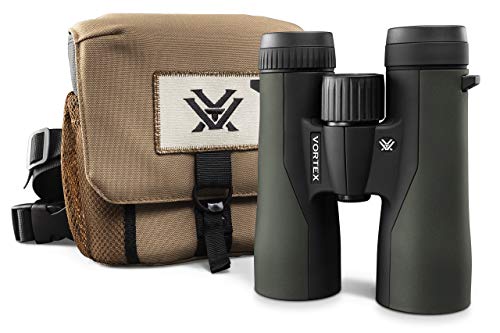
Full size models, usually 8x42 or 10x42, are the default choice for serious watching. They gather the most light, offer the widest views, and handle dawn and dusk better than any smaller class. The cost is size and weight, which suits hides, vehicles, and short walks better than long hikes. If you watch from set spots near home, this is the class to buy.
Compact Binoculars
Compacts shrink the lenses to about 25 or 32 millimeters so the binocular fits a jacket pocket. They are the glass that actually comes along on hikes, trips, and school outings, and a carried compact beats a superior full size model left at home. The trade is brightness: small lenses dim quickly at dusk. Choose compacts for daytime and travel use, and accept the low light limit as the price of the size.
Marine Binoculars
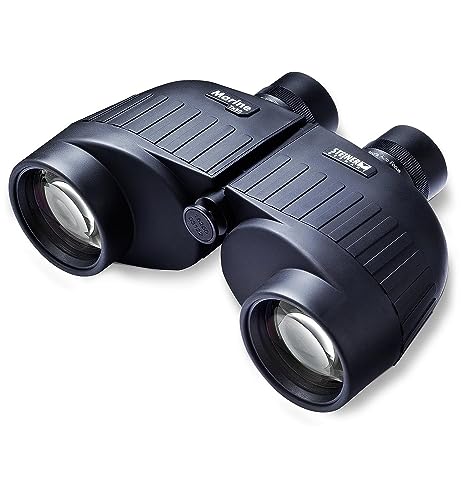
Marine models are built for boats and coasts, with heavy sealing, bright 7x or 8x optics, and often a built in compass or range marks. The lower magnification is deliberate, because a moving deck makes high power unusable. Land watchers rarely need this class, but anyone who watches from boats or exposed headlands will find the rugged build and glare control worth the extra weight and price.
One pair often serves more than wildlife. The same 8x42 that follows deer at dawn can follow a match on the weekend, which is why our guide to the best binoculars for watching sports recommends similar glass for stadiums. Readers who mainly attend games can compare that advice with the best binoculars for watching football guide, where smaller models suit crowded seats. Buying one versatile pair beats owning two narrow ones.
How to Make Your Binoculars Last Longer
- Clean lenses with a soft lens cloth and a breath of moisture, never a shirt tail, because grit in fabric scratches coatings.
- Keep the lens caps on and use the neck strap or a harness, since most binocular damage comes from drops rather than wear.
- Store the pair in a dry padded bag away from heat, and let a soaked binocular dry at room temperature before sealing it away.
- Rinse salt spray off with a damp cloth after shore trips, because dried salt works into seals and focus mechanisms.
- Send the pair for professional cleaning if the image fogs inside, since opening the housing yourself breaks the seals.
Your Questions Answered
What features matter most in binoculars for animal watching?
A fast and smooth focus wheel matters most, followed by brightness and field of view. Animals give you seconds, so the glass that finds focus first wins more sightings than the glass with the biggest numbers. Brightness decides dawn and dusk sessions, and a wide view keeps a moving animal in frame. One extra point: try the focus wheel with gloves if you watch in winter, because some wheels turn too stiffly to use with cold hands.
Which binoculars are better for animal watching in low light?
Models with a large exit pupil are better, which means bigger lenses at moderate magnification, such as 8x42 or 7x50. The 8x42 is the practical pick for most watchers because it stays light enough to carry. Coatings matter as much as size here, since uncoated glass wastes the light the lenses gather. No binocular sees in true darkness, so plan sessions for the lit edges of the day rather than full night.
What binocular specs matter most for beginners watching animals?
Beginners should fix three specs first: 8x magnification, a lens size near 42 millimeters, and eye relief long enough to use comfortably. That combination is forgiving of hand shake, bright at dawn, and easy to aim while learning. Weight under about a pound and a half keeps the pair in use. Beginners can ignore extreme zoom claims entirely, because high magnification is the spec that causes the most disappointment in first purchases.
How much should I spend on a first pair of binoculars for animal watching?
About $120 to $300 buys the band where quality jumps most for a first pair. Spending less is fine for a trial season, and many people learn their preferences on an entry model before upgrading. Spending more mainly refines sharpness at the edges of the view. A useful habit is to reserve a small part of the budget for a harness or a better strap, since carrying comfort decides how often the binocular leaves the house.
Is a smartphone enough for watching animals at a distance?
A smartphone is enough for recording a close and calm animal, but it is not a substitute for binoculars at distance. Phone zoom is mostly digital cropping, so distant animals turn soft and grainy, and holding a phone steady at arm length is harder than holding binoculars to your eyes. Phones also drain fast in cold weather. Many watchers carry both: binoculars for finding and studying the animal, and the phone for a quick photo once it settles.
What do the numbers 8x42 and 10x42 mean on binoculars?
The first number is magnification, so the animal appears eight or ten times closer, and the second is the front lens size in millimeters. Both examples gather the same light, but the 10x42 gives a slightly dimmer and narrower view in exchange for more reach. The 8x42 is steadier and brighter, which is why it suits forest and general watching. Neither number says anything about glass quality, so two models with the same numbers can perform very differently.
Final Thoughts
Choose by habitat first, then by light, then by weight, and the right class becomes clear quickly. An 8x42 from the middle band covers most animal watching well, and the product table is the place to compare current models in that class. Pick the best binoculars for animal watching for your own ground and habits, and it will be the pair that is around your neck when the animals appear.