
The Best Binoculars for Stars in 2026: A Practical Buying Guide
Disclosure: We may earn a commission when you buy through links on this page, at no extra cost to you. As an Amazon Associate I earn from qualifying purchases. Learn more

Best binoculars for stars made simple: what the two size numbers mean, how to steady the view, and which size suits your sky.
A binocular is the friendliest first instrument for the night sky, because it shows the sky much the way your eyes expect to see it, only brighter, wider, and richer in stars. This guide explains how to choose the best binoculars for stars for your hands, your yard, and your budget, starting with the two numbers printed on every box. The product table lets you compare current options, and the advice below gives you a frame for reading it.
Set one expectation before you shop. Binoculars will not show Saturn as a tiny ringed jewel or Mars as a marked disc, because those sights belong to telescopes working at far higher power. What binoculars do better than any telescope at this money is sweep whole star fields at low power with both eyes open and relaxed, turning faint smudges into clusters and dark lanes into structure. Buy for that strength and the purchase will please you for years.




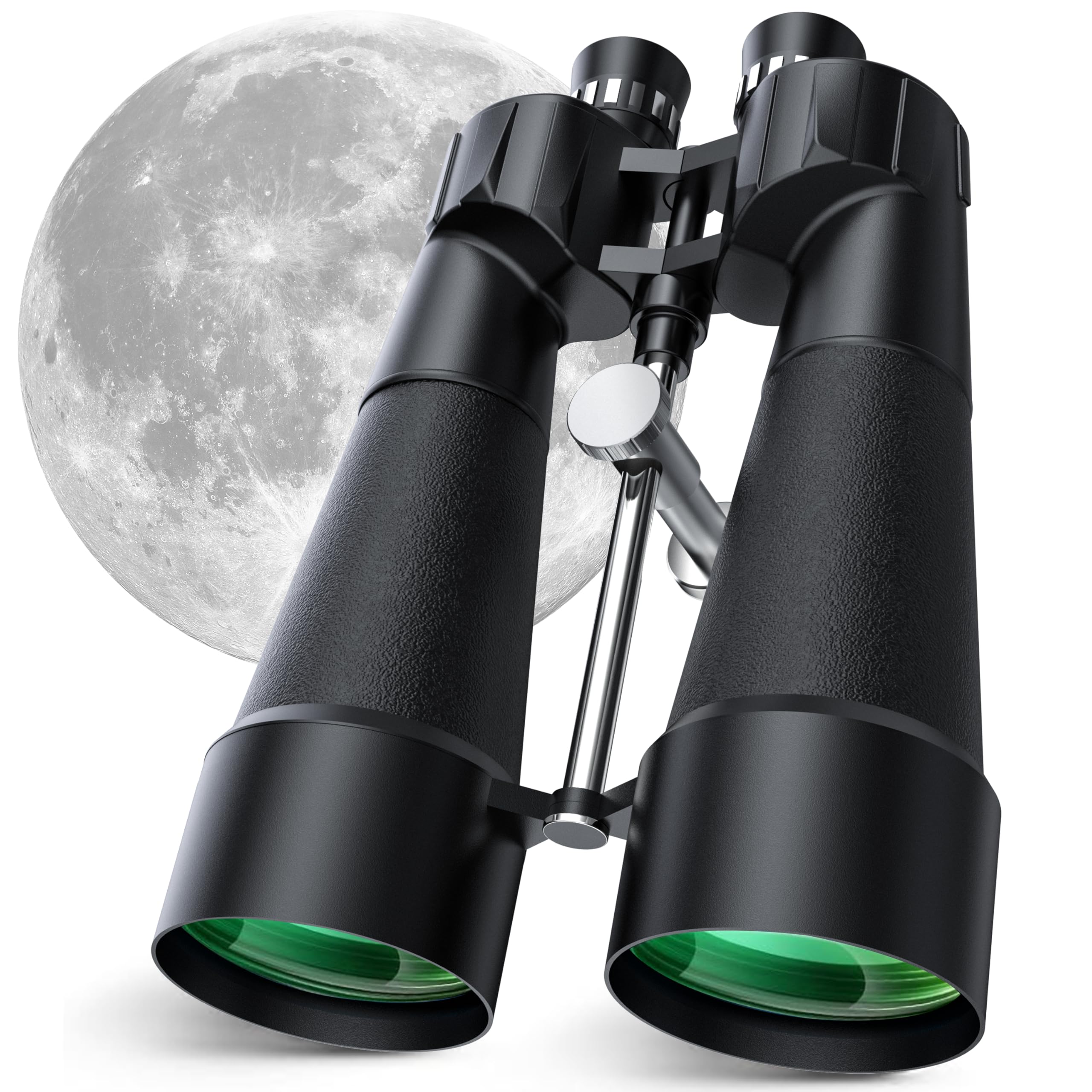

Start With the Two Numbers on the Box
Every binocular carries a pair of numbers such as 8x42 or 10x50, and those two figures decide more about your night than any other line on the carton. Read them together, always, because each one changes what the other can deliver. A change in either direction moves brightness, steadiness, weight, and price at the same time.
Magnification: The First Number Sets the Scale
The first number is magnification, how many times closer the view makes things appear. At 7x or 8x the sky feels calm and spacious, targets are easy to find, and the wobble from your hands stays small enough to ignore. At 10x the same cluster grows and shows more of its member stars, while the wobble grows with it and the patch of sky in view shrinks.
At 15x the image dances unless something holds the binocular for you. For a first pair meant to be held, the honest working range is about 7x to 10x. Higher numbers are not better numbers; they are different tools with a support requirement attached.
Aperture: The Second Number Gathers the Light
The second number is aperture, the width of each front lens in millimeters, and it governs how much light the binocular collects from a dark sky. More collected light means more faint stars cross the threshold of vision and pale nebulae gain a visible shape instead of a rumor of one. A 42 mm pair gathers a useful amount for bright clusters and the Moon.
A 50 mm pair gathers clearly more and is the classic night size for good reason. A 70 mm pair gathers far more again, at the cost of real bulk and real weight.
Exit Pupil: One Division That Predicts Brightness
Divide the aperture by the magnification and you get the exit pupil, the width in millimeters of the light beam each eye piece hands to your eye. An 8x42 gives about 5.3 mm, a 10x50 gives 5 mm, and a 15x70 gives about 4.7 mm. Your own pupil widens in darkness, reaching perhaps 7 mm when you are young and less as the years pass, and a beam near that width feeds your eye all the light it can accept.
Beams much narrower feel dim on faint targets, while beams much wider waste light your pupil cannot take in. Makers also print brightness scores and twilight factors, but each brand computes its figures its own way, so read them as rough class labels and trust this simple division instead.
The Hand Hold Limit
When Shake Starts to Win
Every observer has a hand hold limit, the point where body sway and hand tremor, magnified along with the stars, smear the view faster than the brain can settle it. For most adults that wall stands near 10x in a pair of middling weight, and it drops lower in cold wind or after a long day. Weight cuts both ways here: a heavier pair damps small tremors yet tires the arms sooner, and tired arms shake more, not less.
Past about 12x, or in the big 70 mm class at any power, shake wins for nearly everyone. That is not a flaw in the glass. It is the honest boundary of the hand held format, and good buying means planning around it instead of pretending it away.
Support That Costs Little
Support does not need to mean a serious tripod rig. A reclined lawn chair is the cheapest steadiness upgrade in astronomy, because leaning back with your elbows planted turns your whole body into the mount. Sitting with elbows braced on your knees works on any wall, step, or car hood.
A simple adapter, about $10 to $25, joins most binoculars to an ordinary photo tripod, and a monopod steadies a standing observer for about $30 to $60. Choose one of these before you blame a good pair for a shaky view, because support rescues more observing nights than any glass upgrade at the same money.
Glass, Build, and the Sky You Have
Coatings and Honest Brightness Claims
Uncoated glass reflects a slice of light away at every surface, and a binocular holds many surfaces in each barrel. Coating classes repay that loss, and the box language tells you how many surfaces were treated: a single layer on some, layers on all, or premium treatments across every surface. For star work the fuller treatments earn their money, because a faint star cannot spare reflections on its way to your eye.
Buyer reviews on retail pages can still flag a stiff focus wheel or a strap that fails early, and the guide to best rated binoculars shows how to mine them for those warnings. Just do not let a brightness number with a trademark beside it outrank the exit pupil math you can check yourself.
Sealing Against Dew and Fog
Night air is wet air, and a binocular carried from a warm house into a cool yard faces condensation inside and out. Sealed bodies filled with dry gas resist the inner kind, the fogging that no cloth can reach and that can end an evening or, over time, mark the inner glass. Outer dew you can manage: keep the caps on between targets, and let the pair dry open at home after a wet night.
If your observing is mostly summer and your storage is dry, basic sealing suffices. If you observe year round in a damp climate, pay for the better sealed class and treat it as insurance for the glass.
Light Pollution Sets the Ceiling
The sky above your observing spot is part of the instrument, and often the weakest part. Light pollution lifts the background glow until faint stars drown in it, and no binocular at any price subtracts that glow; the glass gathers the glow along with the starlight. From a bright city yard, expect the Moon, the planets as bright discs of light, the boldest clusters, and double stars to carry the evening.
From a dark rural site, the same modest pair will show galaxies and nebulae that city observers chase with far costlier gear. Plan a few dark site trips into your first season, and judge any new binocular there before you judge it at home. The glass may be innocent.
Size Classes for Night Use
Three size classes cover nearly every sensible night purchase, and each fits a different observer. If you would rather approach the same shelf from the wallet side, our price led guide to best binoculars for star gazing walks the bands from entry to premium and shows what each step buys. Read the classes below by how you plan to hold the pair, because that answer narrows the field faster than any spec sheet.
The Hand Held Middle Class
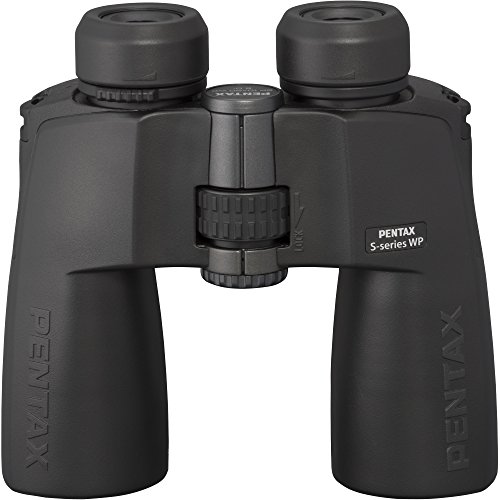
Sizes around 8x42 and 10x50 form the middle class, and it is the right default for a first serious pair. The 8x42 end is lighter, wider in view, and forgiving for beginners, children, and anyone whose hands are not steady. The 10x50 end gathers more light and reaches a little deeper, suiting observers who sit to observe and can brace their elbows.
Both ride fine in a car, both work at dawn for birds in a pinch, and both hold their value as the pair you keep beside the door. If this guide had to reduce itself to one sentence, it would send most readers here and spend the savings on a chair and a dark site trip.
The Big Sky Class That Wants a Mount
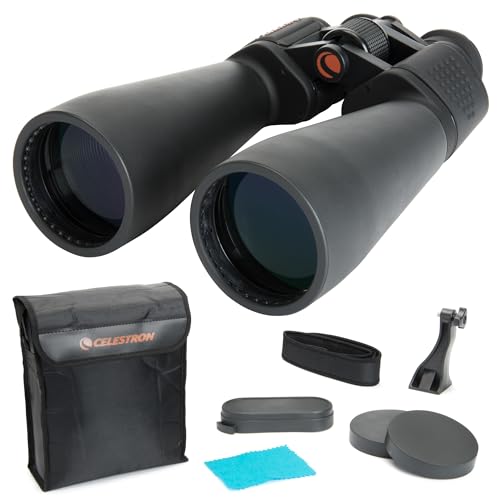
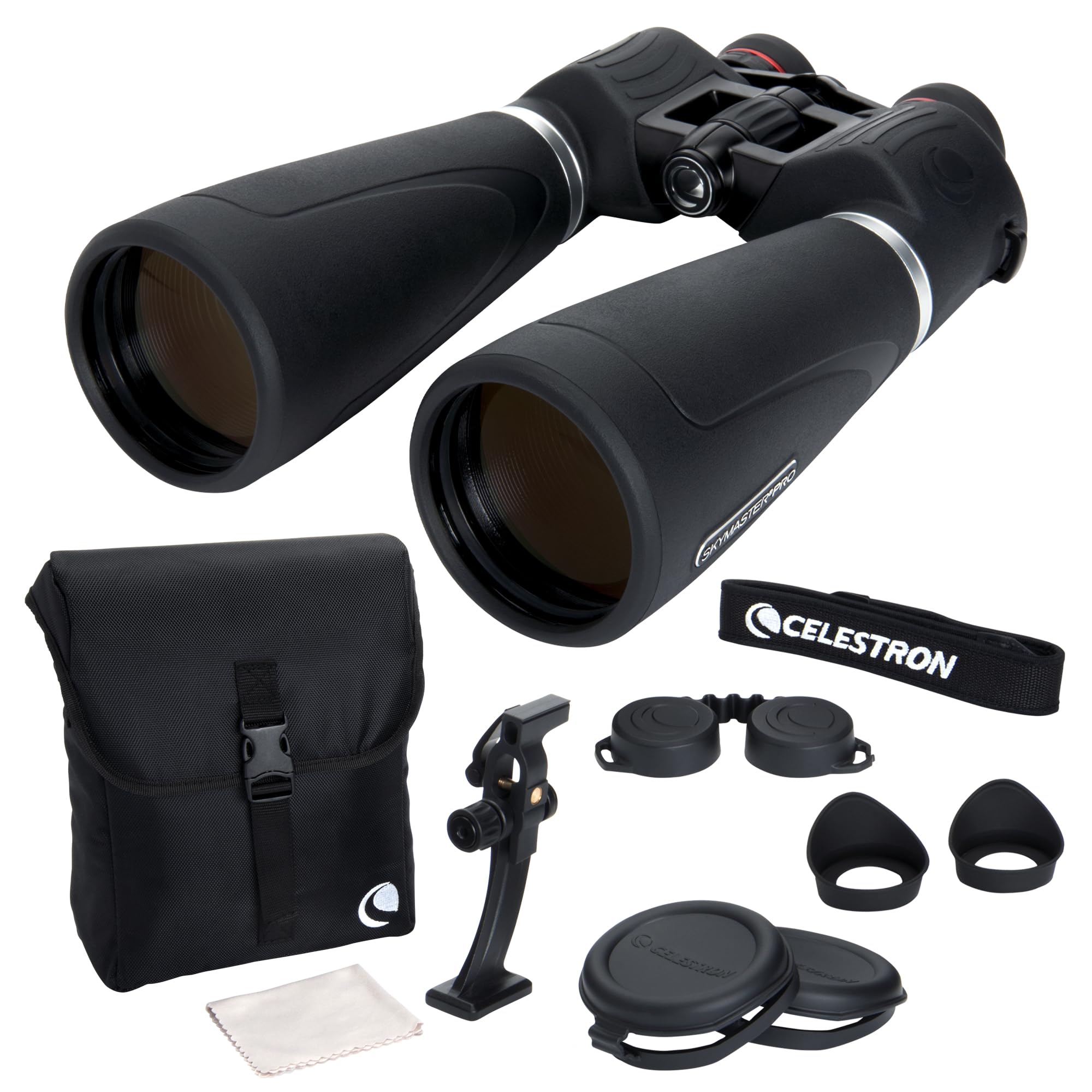
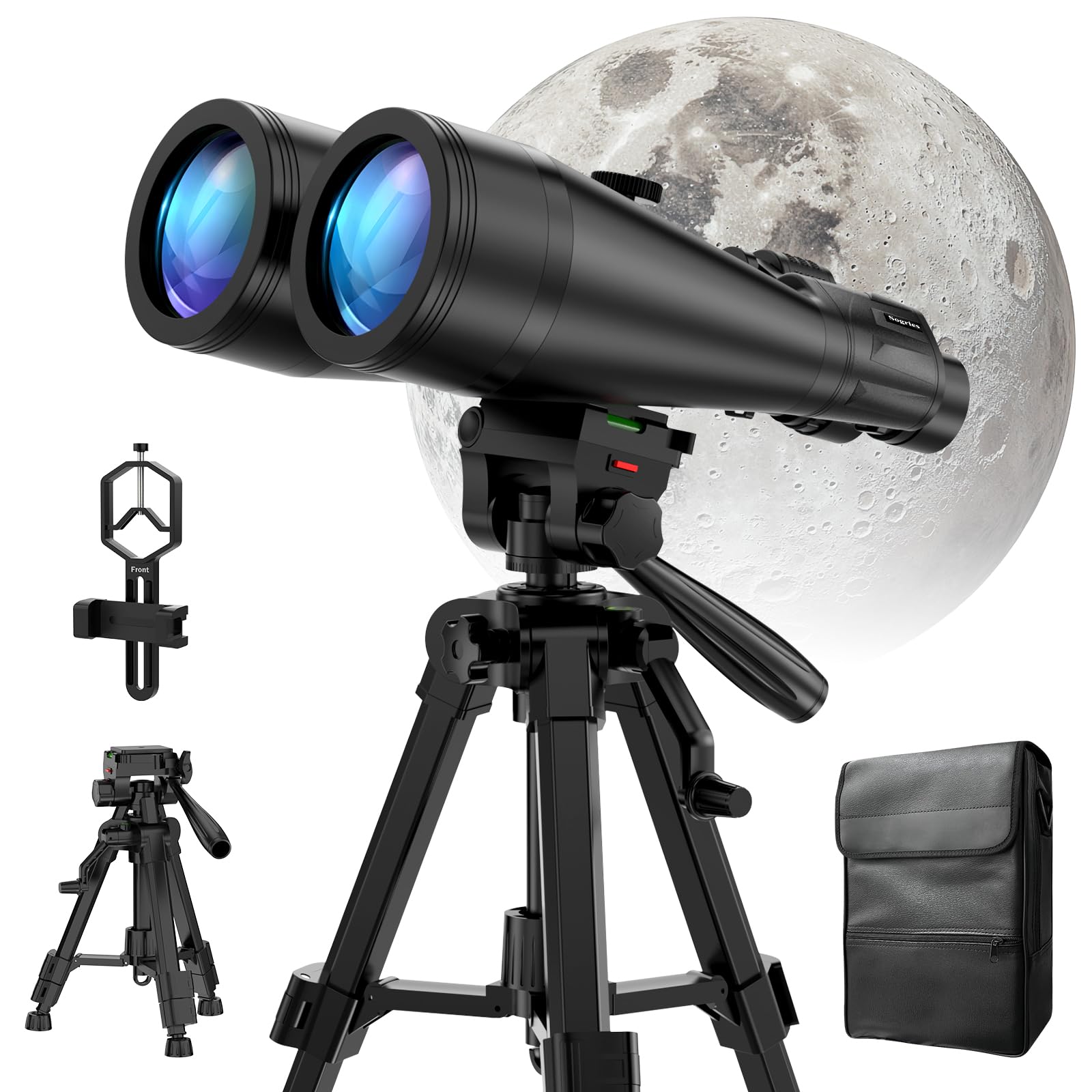
The 15x70 class and its neighbors are light buckets built for mounted sweeping of the Milky Way, big nebulae, and wide star fields under dark skies. On a tripod or a parallelogram mount they deliver the most dramatic binocular views most people will ever see, with star clouds resolving into swarms. In bare hands they are a trembling disappointment within two minutes, which is a fact about arms, not about the optics.
Buy into this class as a second instrument, once you know you enjoy long sessions and own or will buy the mount in the same season. Bought first and used hand held, this class is the most common reason new observers quietly give up.
The Compact Class and Its Honest Trade
Compact pairs around 8x25 or 10x25 travel anywhere and cost little, and their small front lenses gather a small amount of light. As a main night instrument they run out of light early, showing the skeleton of the sky without its faint population.
Daylight buyers live happily in this size, and the guides to best binoculars for birdwatching and best binoculars birding cover that daytime case in full, where following fast birds rewards small glass and quick focus. For the night sky, treat compacts as a travel extra and let a larger class do the main work at home.
Your First Night Out: A Simple Routine
A short routine turns a new purchase into a good first evening instead of a fumble in the dark. Work through these steps in order on your first clear night.
- Set the eye pieces to your eye spacing, then use the diopter ring to balance your two eyes on a distant light before darkness settles.
- Go out at dusk and stay off bright screens, giving your eyes about 20 to 30 minutes to adapt while the sky deepens.
- Start with the Moon if it is up, since its shadow line teaches focus and steadiness better than any star.
- Move to one bright cluster and linger, letting faint member stars arrive as your eyes settle and your hold relaxes.
- Finish with a slow sweep along the Milky Way from your reclined chair, the view binoculars were born to give.
For a friendly list of targets in a sensible order for the following evenings, our companion notes on best binoculars for viewing stars walk through the bright clusters and double stars that reward a small instrument most. Keep a few notes on what you saw, because they will guide your next purchase better than any spec chart.
Best Binoculars for Stars: Questions Answered
What does 8x42 or 10x50 mean on a binocular?
The first number is magnification and the second is the front lens width in millimeters, so 10x50 makes things look ten times closer through 50 mm lenses. For the night sky the pair of numbers must be judged together, because dividing the second by the first gives the exit pupil, the beam width your eye receives. A beginner who wants one memorable rule can take this one: sizes near 5 mm of exit pupil, like both examples here, sit in the bright and friendly zone for hand held sky watching.
Can binoculars show the Milky Way well?
Yes, the Milky Way is arguably the finest binocular target in the sky. From a dark site, a slow sweep along its band reveals star clouds, dark dust lanes cutting across the glow, and clusters sprinkled like salt along the whole length. The trick is patience and position: lie back so your hold steadies, move slowly enough for faint structure to register, and revisit the same stretch after your eyes adapt further. City observers see a pale hint of the band at best, which is a sky problem, not a glass problem.
Why do the stars dance and boil on some nights?
Restless air above you bends starlight on its way down, and magnification shows that boiling honestly. Astronomers call the steadiness of the air the seeing, and it changes with wind, heat rising from roofs, and weather fronts passing overhead. On a poor seeing night, stars twinkle hard to the naked eye and shimmer in the binocular no matter how fine the glass is. The practical response is to favor wide, low power views and the Moon on such nights, and to save faint target hunting for the calm, transparent evenings when the stars burn steady.
How do I keep binocular lenses from fogging on a cold night?
Let the binocular cool to the outdoor temperature before you start, because glass already at air temperature collects far less condensation. Keep the lens caps on between targets, breathe away from the eye pieces, and never wipe a dewed lens with a dry cloth, which can drag grit across the coating. A small hand warmer taped near the barrels helps on very damp nights. Back indoors, leave the pair out of its case until it reaches room temperature and dries fully, then store it capped in a dry place.
Are binoculars or a small telescope better for a child?
Binoculars are better for nearly every child, because two eyes feel natural, the view points where the hands point, and there is no mount to align or eyepiece queue to manage. A child can find the Moon in seconds and feel the win that keeps curiosity alive. Telescopes reward older children who want planets and can learn patient setup. If the child later asks for Saturn by name, that is the moment a telescope enters the picture, and the binocular still keeps its job as the finder and the wide field companion.
Final Thoughts
Choosing well comes down to three judgments: read the two numbers together and favor an exit pupil near 5 mm, respect the hand hold limit or budget for support, and judge the glass under the darkest sky you can reach. The middle class around 8x42 and 10x50 answers most needs, the big class rewards mounted patience, and compacts serve as travel extras. Compare your shortlist in the product table above, then take the pair outside on the first clear night. The best binoculars for stars for you is the one whose view makes you stay out past the hour you planned.


