
Best Binoculars for Star Gazing at Every Price in 2026: What Your Money Really Gets You
Disclosure: We may earn a commission when you buy through links on this page, at no extra cost to you. As an Amazon Associate I earn from qualifying purchases. Learn more

Price bands for the best binoculars for star gazing explained, from entry to premium, plus the mount and chair costs buyers often forget.
Prices for night sky binoculars run from about the cost of a family pizza night to the cost of a small telescope, and the shelf labels rarely explain what the extra money buys. This guide walks through the price bands for best binoculars for star gazing so you can see where spending helps, where it stops helping, and which costs hide beyond the binocular itself. The product table collects current choices in one place, and the sections below explain how to read them.
One truth holds at every band. Binoculars give you a wide and true view of the sky at low power, with both eyes relaxed, and they do not replace a telescope when you want fine detail on the planets. What changes with price is how much light the glass gathers, how clean that light stays on its way to your eyes, and how long the view stays steady and comfortable in your hands.


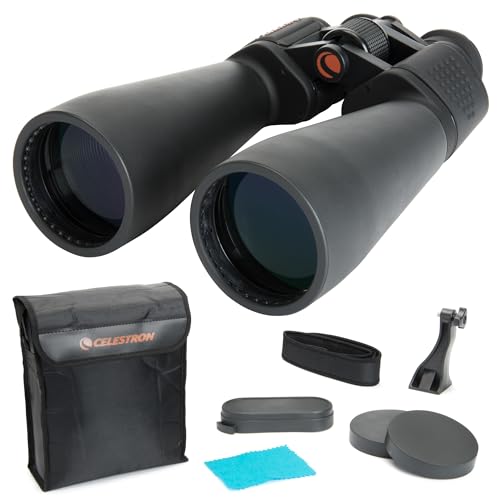


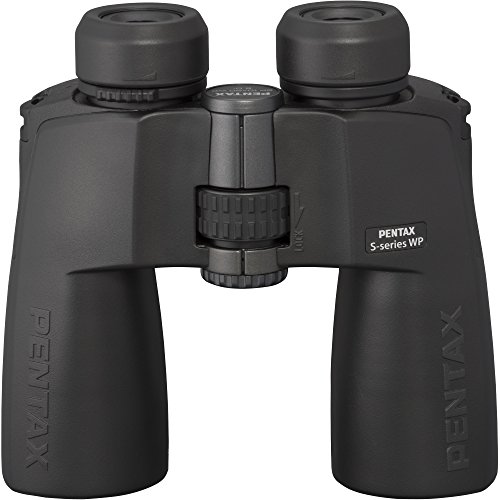
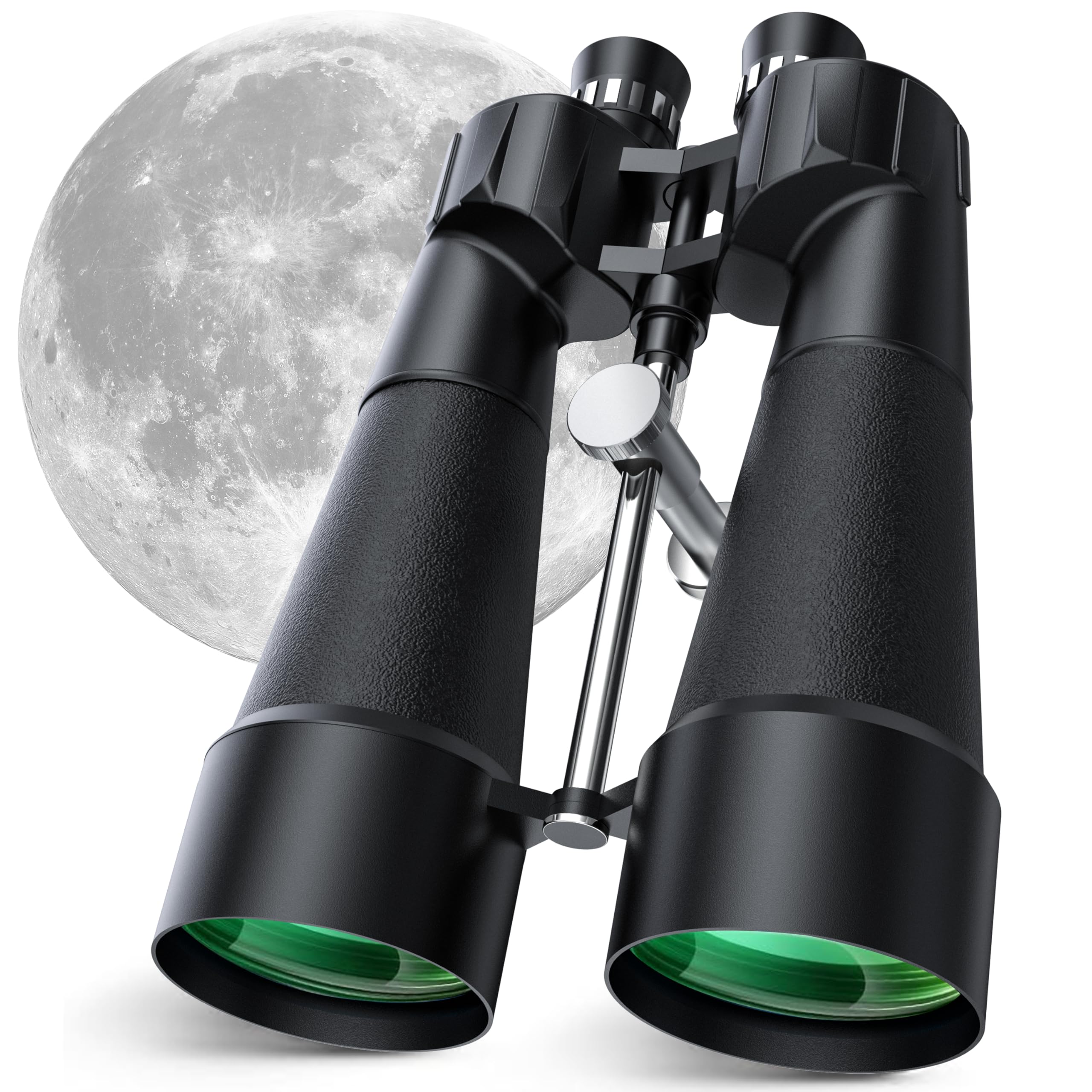


What Each Price Band Buys in Binoculars for Star Gazing
Star ratings on shop pages mostly reward fast delivery and a pleasant first evening, so treat them as a rough mood check rather than a verdict on the glass. If scores help you sort a shortlist, the guide to best rated binoculars shows how to read them without letting them choose for you. The bands below matter more, because each one buys a real and describable step in glass, build, or size.
The Entry Band: A Real Sky for About $50 to $100
The entry band buys honest, working glass in the classic night sizes, most often 7x50 and 10x50. At this money you get a view that already feels like a different sky from the naked eye: the Milky Way gains texture, the Moon shows its shadowed craters, and bright star clusters open into grains of light. Coatings at this band cover some glass surfaces rather than all of them, so a little light is lost and bright objects can carry a mild glow at the edges.
Focus wheels turn less smoothly, eye cups feel plainer, and the body uses lighter build materials. None of that ruins a first season under the sky. Buy at this band when you are new, when the pair is for a child or a guest, or when your skies are bright enough that premium glass would have little darkness to work with.
The Middle Band: Better Glass for About $100 to $250
The middle band is where most buyers should land, because it buys the two upgrades your eyes notice every night. First, more complete lens coatings pass more light and calm the glare around the Moon and bright stars, so faint stars near bright ones stay visible. Second, better prism glass and smoother mechanics make focusing feel calm instead of fiddly, which matters when your fingers are cold.
Sealed and fog resistant bodies also start appearing here, a real help on dewy nights. Shoppers who prefer to start from features rather than price can read our companion guide to best binoculars for stars, which begins with the size numbers instead of the wallet. Choose this band for a pair you expect to keep for years of regular use.
The Top Band: Bigger Aperture and Finer Glass for About $250 to $600
The top band buys size and refinement together. Apertures grow into the 56 mm and 70 mm classes, which gather clearly more light and pull fainter stars and wispy nebulae into view under a dark sky. Glass quality rises too, with premium glass types that keep star images tight points nearer the edge of the field instead of letting them smear into small streaks.
Build quality becomes a pleasure in itself: firm focus wheels, sturdy eye cups with firm stops, and bodies that shrug off damp grass and cold nights. Some models at this money add image stabilization, which calms the shake of high power in a hand held pair. The honest catch is weight. Big top band glass grows heavy fast, and past a point it only performs when it rests on a mount, which the next sections price in.
Where the Extra Money Actually Goes
Glass and Coatings: The Quiet Upgrade
Every air to glass surface in a binocular steals a little light, and a night binocular has many surfaces. Coating classes exist to give that light back, and the wording on the box describes how many surfaces received treatment. At entry prices, expect partial coverage and a view that is bright in the center and dimmer toward the edges.
At middle and top prices, full coverage on all surfaces keeps the whole field closer to the same brightness, which is exactly what star fields need. This is the upgrade owners most often describe as the view looking cleaner rather than bigger. It does not change magnification at all, yet it changes how many faint stars survive the trip through the glass.
Aperture and Build: Size You Can Feel
Aperture is the width of the front lenses in millimeters, and it sets the ceiling on how much sky light the binocular can collect. Moving from 42 mm to 50 mm is a gentle step; moving to 70 mm is a leap in gathering power and in bulk at the same time. Higher bands also buy stronger barrels, better sealing against dew, and focus mechanisms that stay smooth in cold air instead of stiffening.
Pay for aperture when your skies are dark enough to reward it. Pay for build when you observe often, travel with the pair, or simply want one purchase to serve for a decade instead of a season.
The Mount and Chair Money
Support is the cost first time buyers forget, and it decides whether top band glass earns its price. A simple adapter that joins a binocular to a photo tripod costs about $10 to $25, and a serviceable mount or monopod runs about $60 to $150. A reclined garden chair, about $30 to $80, does the same job for your body by letting you lean back and brace your elbows, and many owners call it the best money in the whole setup.
Budget for support the moment you look at 12x or larger glass, or at any pair heavy enough that your arms tire in the first ten minutes. A steady modest pair shows more than a shaking premium pair, every single night.
One Pair for Day and Night
Many readers hope one binocular can serve the sky after dark and the trail by day, and the overlap is real but partial. Daylight glass favors smaller sizes, fast focus, and light weight for following moving birds, as the guides to best binoculars for birdwatching and best binoculars birding explain from the daytime side. A 10x50 night pair works fine for watching a hawk from a fixed spot, yet it feels slow and heavy on a long walk.
A compact daylight pair, in turn, gathers too little light to do the night sky justice. If day use leads, buy the daylight size and accept a dimmer sky. If the sky leads, buy the night size and accept the trail weight.
Paying for the Right Numbers
Magnification and Aperture Read Together
The two numbers on the box, such as 10x50, describe power and front lens width together, and neither means much alone. Power decides how large objects appear and how much your hand shake shows. Aperture decides how much light arrives to be magnified.
Raising power while holding aperture still spreads the same light thinner, so the view grows dimmer even as it grows larger. That trade explains why the classic night sizes cluster where they do: 7x50 and 10x50 balance reach against brightness for hand held use, while 15x70 trades hand holding away for a deep light grasp on a mount. Makers quote magnification and brightness figures by their own methods, so treat those numbers as class labels rather than precise comparisons between brands.
Exit Pupil: The Beam Your Eye Actually Receives
The exit pupil is the width of the light beam that leaves the eye pieces, and the math is plain division: aperture divided by magnification. A 10x50 gives a beam of about 5 mm, and a 7x50 gives about 7 mm. On a dark night your own pupil opens wide, more when you are young and less as you age, and the binocular beam that best matches it delivers the brightest view your eye can use.
A beam far wider than your pupil wastes gathered light, while a far narrower beam starves the view. This single number predicts low light brightness more honestly than the brightness scores printed in adverts, which each maker computes in its own way.
Field of View: How Much Sky Fits at Once
Field of view tells you how wide a slice of sky fits in the circle you see, and for star gazing a generous field is a genuine pleasure rather than a luxury. Wide fields let whole clusters, long star chains, and broad Milky Way lanes sit inside one view with dark sky around them for contrast. They also make finding targets far easier, because a small aiming error still leaves the target somewhere in the picture.
When you plan which bright clusters and double stars to hunt first, our notes on best binoculars for viewing stars suggest a friendly order for early evenings. Narrow, high power views have their place on the Moon, but the wide sweep is the binocular signature, and it is worth paying to protect.
Light Pollution Decides More Than Glass
Here is the plainest money advice in this guide: the darkness of your observing place decides more than any band on this page. Under a bright city sky, washed out by street lighting, a top band pair and an entry pair show surprisingly similar star counts, because the sky itself is glowing. Drive that same entry pair to a dark rural site and it will outsee premium glass used from a lit parking lot.
Spend on glass after you know your skies, and consider spending on fuel and a folding chair first. Buyers under truly dark skies get the full value of the middle and top bands; buyers in bright suburbs get better value from the entry band plus more trips out of town.
Ownership Costs Beyond the Price Tag
The binocular is the big line in the budget, not the only one. Add a padded case and a wide neck strap if the box lacks them, a lens cloth and a small blower for dust, and the adapter and support costs described earlier if your pair is large. A dim red torch, about $10 to $20, protects your night vision while you read charts and adjust gear.
Warranty length grows with price band on many ranges, and longer cover has real value on a tool that travels in car boots and gets set down on damp grass. Store the pair indoors in its case, let it dry fully after dewy nights before sealing the case, and the glass will ask for little else for years.
Your Star Gazing Questions Answered
How much should a first pair of star gazing binoculars cost?
About $50 to $100 buys a first pair that shows a real and satisfying sky. The entry band in a 7x50 or 10x50 size reveals the Moon in detail, splits some double stars, and gives the Milky Way visible texture on a dark night. Spend any leftover budget on a reclined chair and a dim red torch before you spend it on better glass, because comfort and protected night vision add more visible stars than a small glass upgrade at this stage.
Can binoculars show the rings of Saturn or detail on Mars?
No, binoculars cannot resolve Saturn into a ringed ball or show surface markings on Mars. Those sights need the high magnification of a telescope, which trades away the wide field that makes binoculars special. What binoculars do show beautifully is the Moon along its shadow line, where craters and mountains stand out in relief, and the four bright moons of Jupiter lined up as small points of light that change places from night to night. Treat those as the honest binocular treats and you will not feel shortchanged.
Do image stabilized binoculars justify their price for the sky?
For most buyers, no, because stabilization adds hundreds of dollars plus battery dependence and extra weight. It earns its keep mainly at 12x and above, where hand shake otherwise forces you onto a mount anyway, and a mount costs far less. If you observe from a boat, a grandstand, or anywhere a tripod cannot go, the calculation changes and stabilized glass can be the only way to hold a high power view. For a yard, a chair, and 10x or under, put the money into aperture and coatings instead.
Why does the sky look washed out from my yard but rich in photos?
Your yard sky is competing with local lighting, and your eyes need time to join the dark properly. Full dark adaptation takes about 20 to 30 minutes, and one glance at a bright phone screen or porch light restarts much of that clock. Photos cheat by gathering light for many seconds at once, which no eye can do. Give your eyes their half hour, shield them from direct lights with a fence or a hood, and the same yard sky will show far more stars than it did at first glance.
Is a bigger objective lens always better for stars?
No, a bigger objective is better only when your sky is dark and your support is up to the weight. Under bright suburban skies, extra aperture gathers extra sky glow along with extra starlight, so the gain shrinks. In your hands, a heavy 70 mm pair that shakes and tires your arms shows less than a 50 mm pair you can hold calmly. Match the lens to your site and your support first, and let the catalog bragging come second.
Final Thoughts
Price bands in night binoculars buy three things in order: enough aperture for your sky, coatings and glass that keep that light clean, and build that makes the pair a pleasure to hold for an hour. Most readers belong in the middle band, new readers thrive at the entry band, and dark sky regulars earn the top band, support included. Whichever band fits your wallet, the product table above collects the current choices in one place. Choose your band honestly, protect your dark adapted eyes, and the best binoculars for star gazing for you will be the pair that gets carried outside most often.


