
Best Binoculars for Sightseeing 2026: Every Type Explained Side by Side
Disclosure: We may earn a commission when you buy through links on this page, at no extra cost to you. As an Amazon Associate I earn from qualifying purchases. Learn more
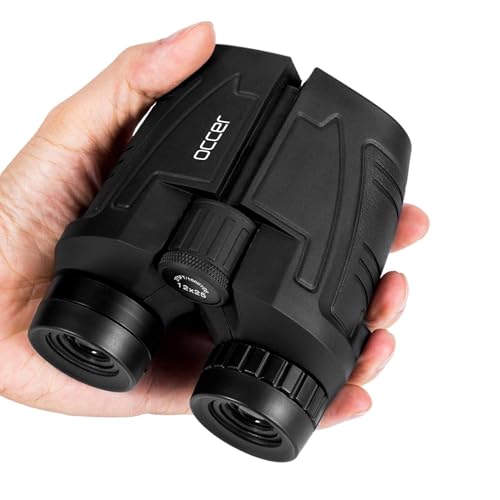
Travelers who carry gear all day: compare best binoculars for sightseeing by weight, field of view, power and price across compact to full size types.
Sightseeing glass comes in more shapes than most buyers expect, and the shelves mix tiny pocket pairs with large birding style tubes as if they did the same job. They do not. This guide compares the best binoculars for sightseeing by type, so the trade each type makes is clear before money moves. Look at the product table and the comparison table below, match each type to the way you travel, and the rest of the choice gets much simpler.
One idea runs through every section. Sightseeing is a carried activity, done on foot, often for hours, so the pair that leaves the hotel room beats the finer pair that stays behind.

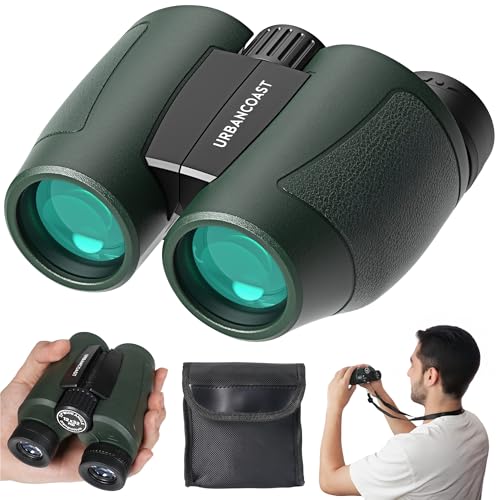
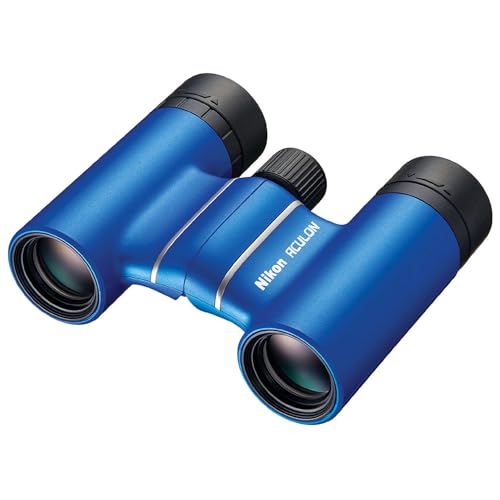
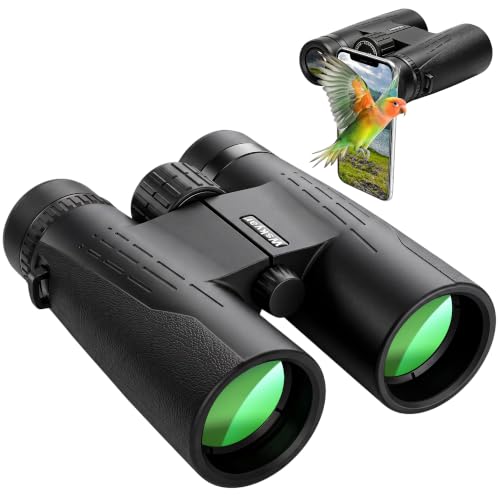
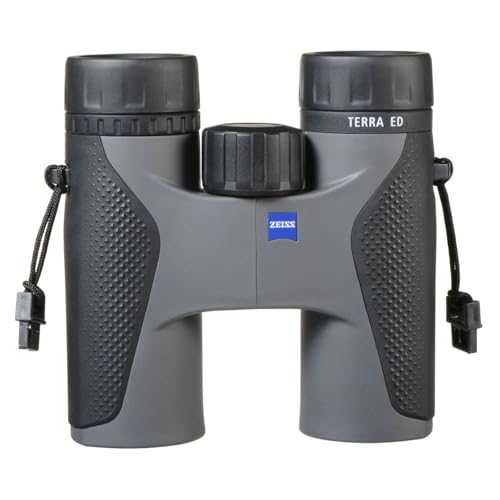


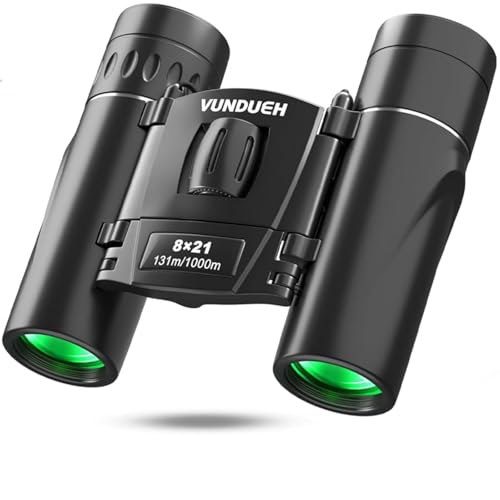

Types of Binoculars Compared
Four types cover nearly every sightseeing shelf. The table below places them side by side, and the sections after it explain how each type behaves on a real day out.
| Type | Best For | Pros | Cons | Typical Price |
|---|---|---|---|---|
| Compact | City breaks and tours | Light, pocketable, low cost | Dimmer view at dusk | About $25 to $80 |
| Mid size | Most travelers | Balance of weight and brightness | Still a neck carry | About $80 to $180 |
| Full size | Scenic drives and viewpoints | Brightest and steadiest view | Heavy on long walks | About $150 to $350 |
| Stabilized | Boats and high viewpoints | Calms hand shake at high power | Costs the most, needs batteries | About $300 to $600 |
Compact Binoculars
Compact pairs fold small enough for a jacket pocket and usually run 8x25 or 10x25, so they are the type most likely to be in hand when a view opens up. The view is bright enough in daylight, which covers most tours and city stops. The trade is dusk performance, since the small front lenses gather less light and the image fades sooner in the evening. Travelers who walk all day and pack light get the most from this type.
Mid Size Binoculars
Mid size pairs, most often 8x32 or 10x32, sit between pocket glass and full size glass in both weight and brightness. They hang comfortably on a strap for a full day and still give a wide, relaxed view at viewpoints and harbors. The image holds up later into the evening than a compact pair can manage. For a single pair that must cover cities, coasts, and countryside on one trip, this is the balanced type.
Full Size Binoculars
Full size pairs use 42 mm front lenses and give the brightest, steadiest view of the four types, which suits scenic drives, mountain lookouts, and wildlife stops at the edge of a tour. The cost is carry weight, and on a long walking day that weight is felt by mid afternoon. These pairs earn their place when the trip is built around viewpoints rather than city streets. Buyers who mostly tour by car or coach feel the trade least.
Stabilized Binoculars
Stabilized pairs add a powered system that calms hand shake, so higher power stays usable on boats, bridges, and windy overlooks. The view feels calm in places where a standard pair would swim. The trade is price, battery care, and extra weight from the electronics inside. Most sightseers never need this type, but boat tours and ferry crossings are the one setting where it clearly pays.
Compact vs Full Size: Which Should You Choose?
These two types pull in opposite directions, so choose by the day you actually have. On weight, the compact wins without contest, disappearing into a pocket while the full size pair needs a strap and a bag corner. On brightness, the full size wins, holding detail at dawn starts and evening viewpoints where the compact image dulls. On field of view, both can be wide, but the full size view feels easier on the eyes over long stops.
Pick the compact for walking days and the full size for viewpoint days, and the argument settles itself.
How to Choose the Right Pair of Binoculars
Weight Comes Before Glass Quality
Sightseeing is a carried activity, and that fact should steer the whole purchase. Read the weight figure before the glass figures, because a heavy pair that stays at the hotel delivers no view at all. A compact or mid size pair that rides in a pocket or on a strap gets used at every stop. Shoppers who keep coming back to a heavy full size pair should ask honestly how their travel days are spent.
Field of View Finds the Landmark
Landmarks are found by field, not by power. A wide field lets you sweep a skyline, a harbor, or a valley and land on the point of interest without hunting around a narrow tunnel of view. Higher power shrinks that field and magnifies hand shake at the same time. For general sightseeing, a wide field at modest power finds more sights per hour than a narrow field at strong power.
Magnification and Lens Size
The compact power classes cover the sightseeing distances most travelers face. An 8x pair suits cities and general touring, while 10x helps at coasts, canyons, and distant peaks where the subject sits farther off. Larger front lenses brighten the view but add the weight covered earlier, so the two figures must be read together. Pairs sold as 12x or stronger are usually a poor sightseeing trade, since shake and a narrow field eat the extra reach.
Durability and Weather Sealing
Travel glass gets rained on, knocked against railings, and stuffed into day packs, so build matters more than many buyers expect. Sealed and nitrogen purged bodies resist internal fogging when you step from cool morning air into warm sun. Rubber armor softens the knocks that travel guarantees. When you compare listings for best rated binoculars, treat the rating as a rough sorting tool and check the sealing and build details yourself, since a score never says how a body handles weather.
Features That Matter for Sightseeing
A smooth center focus wheel you can turn with one finger matters more than extras on the box, since sights rarely wait. Close focus helps at gardens, museums with outdoor courts, and boat decks where the subject is near. Travelers who watch wildlife as part of a tour often start with guides to best binoculars for birdwatching, and the same wide field and modest power advice applies there. Readers comparing best binoculars birding guides will notice those writers also favor 8x pairs for travel, for the same field and weight reasons.
Reading Ratings With Care
Ratings roundups can sort a crowded shelf, but they grade for their own readers, not for your trip. Lists of best rated binoculars for hunting reward range finding power and dawn brightness, which matter less on a city tour. Roundups of best rated compact binoculars come closer to travel needs, yet they still skip strap comfort and pocket fit. Use any score as a starting list, then judge the finalists against the weight, field, and sealing points above.
Tips to Get the Most From Your Pair of Binoculars
Set the diopter once for your own eyes and leave it, so every pickup starts in focus. Carry the strap under a jacket flap in crowds so the pair cannot swing against railings or stone. Clean lenses with a soft cloth made for glass, never a shirt corner, which grinds dust across the coating. Store the pair in a dry padded case between trips, and keep the lens caps on in the bag so grit stays off the glass.
Frequently Asked Questions
What features matter most in binoculars for sightseeing?
A wide field of view and easy carry matter most, because sightseeing is done on the move. Add a smooth focus wheel and enough eye relief to use the pair with sunglasses on bright days. One point buyers miss is strap comfort, since a thin strap on a mid size pair can dig in by the third hour of a tour. Try the strap loaded before a long trip.
Which binoculars are better for low light sightseeing?
Full size pairs with 42 mm front lenses are better at dawn and dusk, because the larger glass gathers more light. Mid size 32 mm pairs are the next step down and still handle early evening viewpoints well. Compact 25 mm pairs fade first, which is fine for midday tours. If your trips center on sunrise lookouts, weight is the price of that brighter view.
Is a smartphone enough for sightseeing instead of binoculars?
A smartphone is enough for wide scenes and quick photos, but it is not a substitute for glass at distance. Phone zoom crops the image and loses the detail a binocular shows live, and the screen is hard to read in bright sun. A compact pair also saves phone battery for maps and tickets. Many travelers carry both and use each for what it does well.
How much should a first pair of sightseeing binoculars cost?
About $40 to $100 buys a sound first pair in the compact or lower mid size range. That band covers sealed bodies, decent coatings, and a usable strap, which are the things a first trip actually puts to work. Spending more mainly buys brightness and build, not a different kind of view. Keep some budget for a padded case, since travel knocks are the usual cause of damage.
What does 8x42 or 10x42 mean on binoculars?
The first number is magnification, so 8x makes the scene look eight times closer. The second number is the front lens width in millimeters, and a larger number gathers more light. For sightseeing, 8x42 is a full size pairing and 8x25 is a compact one. The exit pupil, found by dividing the second number by the first, hints at how bright the image feels at dusk.
Wrapping Up
Choose the type first, then the specs. For most travelers the product table above points to a mid size pair, with a compact pair for walking heavy trips and a full size pair for viewpoint heavy ones. Whatever the type, the best binoculars for sightseeing are the pair light enough to carry all day, wide enough to find the landmark fast, and sealed well enough to shrug off travel weather.


