
Best Binoculars for Police: A Buyer Checklist for 2026
Disclosure: We may earn a commission when you buy through links on this page, at no extra cost to you. As an Amazon Associate I earn from qualifying purchases. Learn more

Run a buyer checklist for the best binoculars for police covering exit pupil, low light glass, carry size, build and price bands before duty use.
A duty binocular is bought against a checklist, not against a headline. Patrol, perimeter and observation work each lean on different strengths, so the pair that suits a traffic unit may waste money for an officer on foot patrol. This guide turns the best binoculars for police question into a short set of criteria you can apply to any candidate in minutes.
Work through the criteria in order, then check the price bands and the red flags before you spend. The product table sets the main classes side by side so the checklist sections are easier to apply.
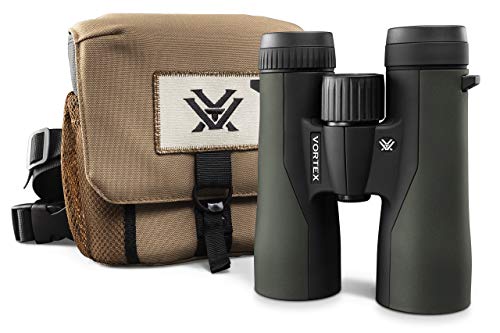


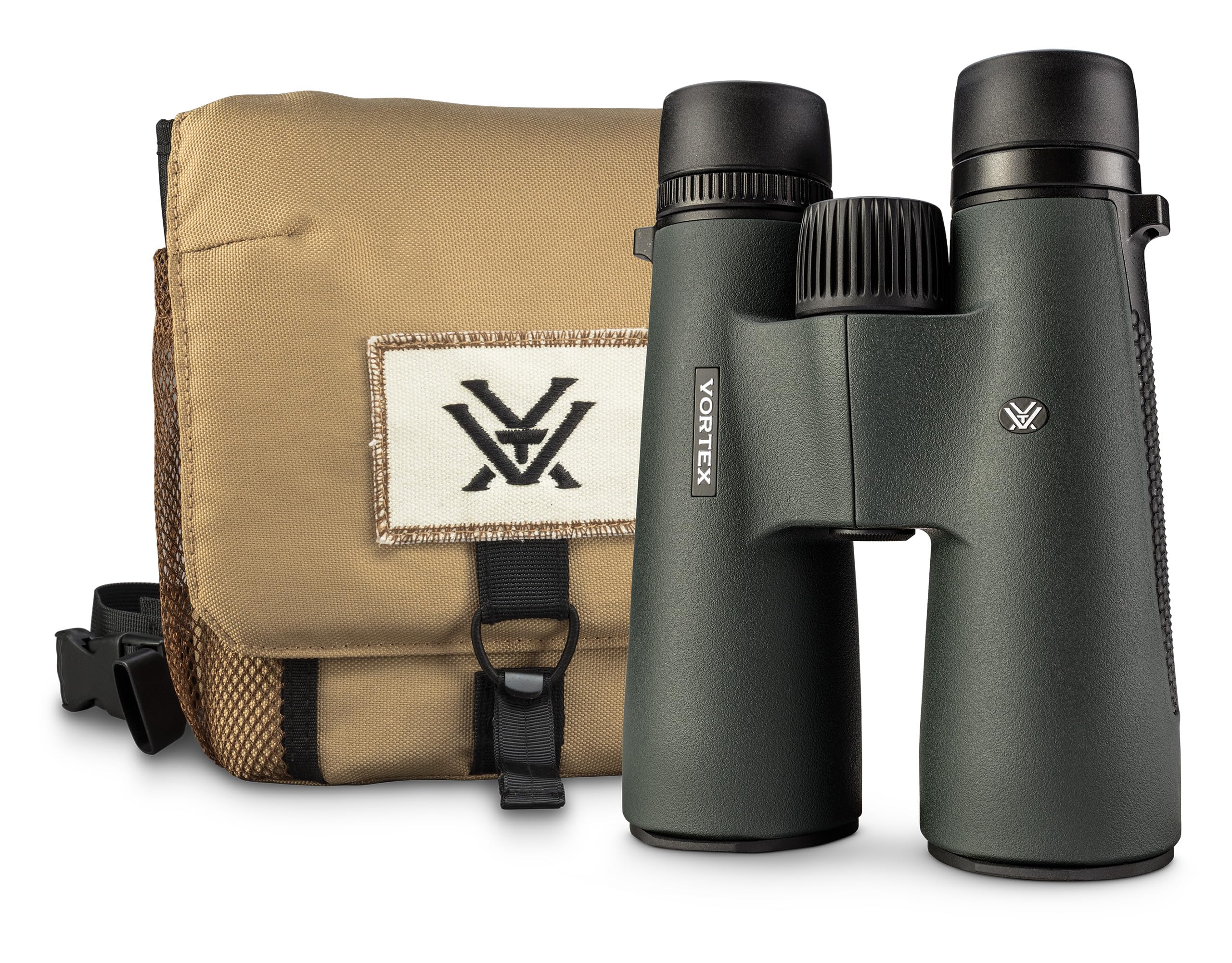
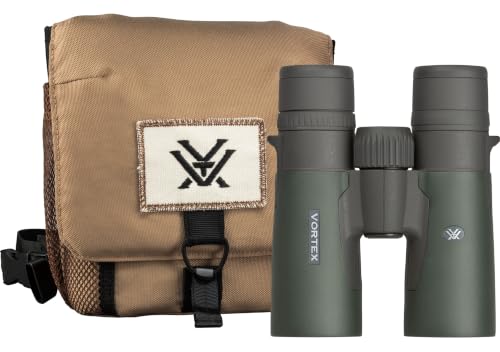
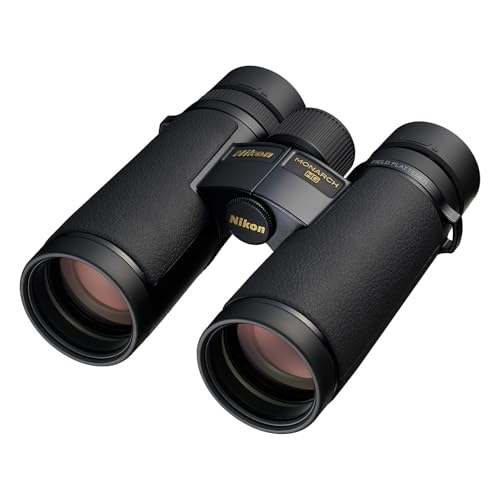
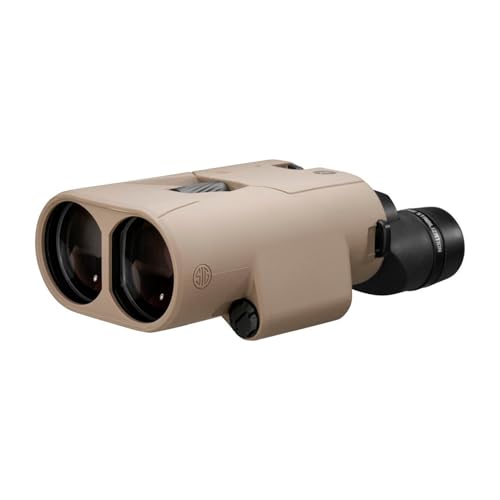

Best Binoculars for Police: Criteria That Matter on Duty
Six checks cover nearly every duty purchase. A candidate that fails one of the first three rarely earns its place, however strong the rest of the sheet looks.
Features That Matter for Police Work
Start from the job itself: a police binocular is an observation tool that identifies people, vehicles and details at distance, and it records nothing. What may be observed, and from where, is bounded by the law and by agency policy, so the glass serves a role that rules already define. Within that role, the deciding features are fast center focus, a field wide enough to follow movement on foot, and controls that work without looking down. Anything that slows the eyes costs more than a feature point is worth.
Objective Lens Size and Exit Pupil
The exit pupil is the low light read that matters on shift. Divide the front lens size by the magnification: a 10x42 gives just over 4 mm, while an 8x42 gives about 5 mm, and the larger figure keeps the image brighter as light falls. Dawn and dusk are working hours in this job, so favor the class that holds a usable image in dim streets and shadowed lots. The same exit pupil math anchors our guide to the best binoculars for birdwatching, where dusk viewing poses the same problem.
Low Light Glass and Coatings
Coatings decide how much of that gathered light reaches your eye. Fully multi coated lenses keep contrast in the flat, gray light of early shifts and under street lighting, where cheap glass flares and faces go soft. Judge candidates by whether detail survives in shadow, since identification work happens in exactly that light. Twilight performance numbers printed on boxes are marketing shorthand; the exit pupil and the coating class together give the truer picture.
Size, Weight and the Carry Question
The carry class decides the size class. A binocular that rides in a vehicle door pocket, on a belt or in a kit bag gets used; a glass left in the vehicle observes nothing, however fine its optics are. Compact 32 mm classes suit foot patrol and plain clothes work, while full size 42 mm classes suit vehicle based observation where weight is carried by the car. Compact ratings need care, because roundups of the best rated compact binoculars score pocket convenience, and a high score says nothing about exit pupil at dusk.
Focus Speed and Stabilization
Observation targets move, stop and move again, so focus speed is a working feature rather than a luxury. A center focus wheel with a short, smooth travel lets you follow a subject from a doorway to a vehicle without losing it. Stabilized models calm the image during long, static watches from a fixed point, and they earn their price there. For general patrol, a steady 8x with fast focus usually serves better than a stronger glass that hunts.
Build, Sealing and Gloved Use
Duty gear gets knocked, rained on and used with gloves. Rubber armor over a solid body, sealed and fog resistant construction, and eyecups and focus wheels sized for gloved hands are checklist items, not extras. Check that the focus wheel turns with winter gloves on and that the diopter holds its setting in a bag. A warranty that covers working damage matters more here than in hobby use, because the pair earns its keep outdoors in all weather.
What Each Price Band Buys
At about $60 to $150 you get serviceable patrol glass: honest 8x32 or 10x42 optics, basic coatings and builds meant for a vehicle kit. The about $150 to $350 band is the duty sweet range, adding fully multi coated glass, sealed bodies and focus mechanisms that stay smooth for years. Above about $350, gains shift to premium clarity, stabilization and ruggedized builds for dedicated observation roles. Owner scores compress value, glass and build into a single figure, so treat roundups of the best rated binoculars as a starting filter, never as the checklist itself.
Skills transfer across uses too, and the scanning habits taught in our guide to the best binoculars birding repay practice during slow observation shifts.
Quick Buyer Checklist
- Does the exit pupil reach about 4 mm or more for dawn and dusk work?
- Is the field of view wide enough to follow a person moving on foot?
- Does the focus wheel turn smoothly while you wear duty gloves?
- Is the body sealed against rain and internal fogging?
- Will the size class actually be carried on your shift, not stored?
- Does the diopter stay set when the pair rides in a kit bag?
- Does agency policy allow this glass for the role you plan?
- Is the warranty written for working use, not only careful home use?
Red Flags to Watch For
Some warning signs repeat across weak duty candidates. Borrowed ratings mislead as well, since lists of the best rated binoculars for hunting reward dawn glass chosen for deer fields, a different light problem from a night patrol.
- Zoom binoculars sold on huge magnification numbers, which shake badly and dim at the settings that matter.
- No stated coating class, or vague words like premium optics with no specifics behind them.
- Exit pupil under about 3 mm offered as a night or low light tool.
- Focus wheels that feel gritty or drift, a sign the mechanism will worsen with daily use.
- No sealing claim at all, on a pair meant to live in a vehicle through every season.
How to Make Your Pair of Binoculars Last Longer
Clean lenses only with a soft lens cloth, since a uniform sleeve grinds dust across coatings. Keep the caps on in the kit bag, store the pair in a dry, padded case rather than a hot vehicle through summer, and check the strap and hinge screws at the start of each month. Set the diopter once and mark it, so a borrowed pair comes back to your eyes in seconds. Small habits like these keep a mid priced duty glass sharp for years.
Binoculars: Your Questions Answered
What features matter most in binoculars for police work?
Exit pupil, fast center focus and a sealed, armored build matter most. Observation work happens at dawn, dusk and under street light, so the low light class decides more than raw magnification does. Focus speed follows moving subjects, and the build decides whether the pair survives daily carry. Power of 8x to 10x covers nearly every patrol distance without the shake penalty that stronger glass brings to handheld use.
What specs matter most for a new officer buying binoculars for police duty?
A new officer should start with an 8x42 or a compact 8x32, an exit pupil of about 4 mm or more, and fully multi coated lenses. That pairing is forgiving while scanning technique develops and stays useful across patrol, events and perimeter checks. Weight matters more than most first buyers expect, because the pair is carried for a whole shift. Buy the size you will actually carry, then upgrade glass quality later if the role grows.
What does 8x42 or 10x42 mean on binoculars for police use?
The first number is magnification and the second is the front lens diameter in millimeters. An 8x42 shows a subject eight times closer through 42 mm lenses, and its exit pupil of about 5 mm suits dim light. A 10x42 reaches further and narrows both the field and the exit pupil to just over 4 mm. For mixed patrol work, the 8x42 is the steadier, brighter all round choice.
How much should a first pair of binoculars for police work cost?
About $150 to $350 buys a first pair that holds up to daily duty without wasting budget. Below that band, coatings and focus mechanisms are the common shortcuts, and both show up exactly when light is poor. Above it, you pay for premium glass and stabilization that dedicated observation roles use better than general patrol does. The product table shows how current classes sit inside those bands.
Is a smartphone enough instead of binoculars for police observation?
A smartphone is not enough for observation at duty distances. Phone zoom crops a sensor image rather than magnifying optically, so faces, plates and clothing detail dissolve well before an 8x binocular stops resolving them. A phone still documents scenes at close range and runs reference apps, which makes it a partner tool. For watching and identifying at distance, purpose built glass remains the working instrument.
Wrapping Up
Run the checklist in order and most candidates sort themselves: exit pupil for the light you work in, a field wide enough to follow movement, focus that answers with gloves on, and a size class that truly gets carried. Price bands then become simple, since the middle band covers most patrol roles honestly. Buy against those checks and the best binoculars for police for your assignment is a straightforward pick, so finish by comparing your finalists in the product table.


