
Best Birding Binoculars under $500 in 2026: Types Compared and How to Choose
Disclosure: We may earn a commission when you buy through links on this page, at no extra cost to you. As an Amazon Associate I earn from qualifying purchases. Learn more

Compare the best birding binoculars under $500 by type, with exit pupil, field of view, close focus, and weather sealing explained in plain terms.
Walk into any optics shop with $500 and the wall of choices can feel paralysing: two prism designs, four size classes, and spec sheets full of coating names. The best birding binoculars under $500 are not one single style, because the right type depends on whether you bird at dawn, hike long trails, or watch feeders from a porch. This guide compares each type plainly, then shows the factors that separate a good pair from a great one at this price.
Start with the comparison table below to see the types side by side, then use the choosing section to match a type to your birding. Every type named here is a real binocular format you can buy today, and every price is a typical street range rather than a single model.


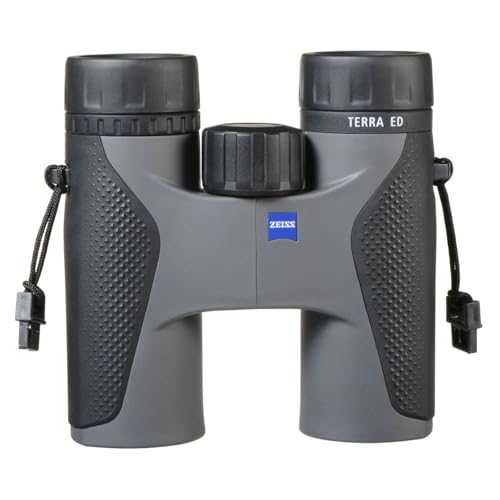

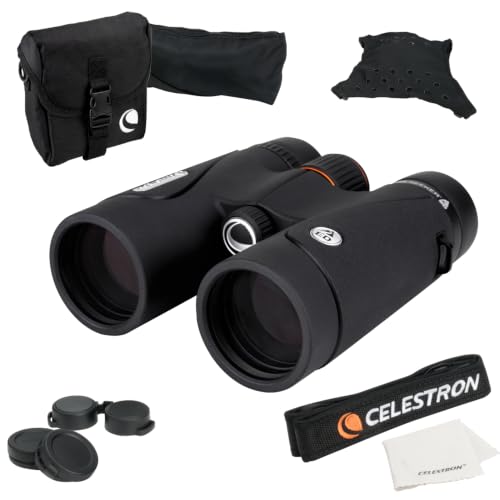
Types of Birding Binoculars Compared
One number quietly governs how bright every type below looks at dawn: the exit pupil, found by dividing the objective size by the magnification. An 8x42 pair gives an exit pupil of about 5.3 mm, while a 10x42 pair gives about 4.2 mm, so the 8x42 view stays brighter in low light while the 10x42 view reaches farther. Keep that trade in mind as you compare the types that follow.
| Type | Best for | Strength | Trade off | Typical price |
|---|---|---|---|---|
| Full size 8x42 and 10x42 | All round birding | Bright view and wide field | Heaviest class to carry | about $200 to $500 |
| Mid size 8x32 and 10x32 | Long walks and travel | Lighter with a still wide field | Dimmer at dawn than 8x42 | about $150 to $400 |
| Compact 8x25 and 10x25 | Backup and casual birding | Pocket size and low weight | Narrow field and small exit pupil | about $80 to $250 |
| Porro prism full size | Stationary watching from home | Wide, bright view for the price | Bulkier body and weaker sealing | about $100 to $300 |
Full Size Binoculars (8x42 and 10x42)
Full size roof prism pairs are the default birding tool, and at this budget they are genuinely good rather than a compromise. The 8x42 format gives the brightest, widest view for following warblers through branches, while the 10x42 format adds reach for shorebirds and raptors at the cost of more hand shake. If the 10x42 format is your pick, see best 10x42 binoculars under $500 for pairs built around reach. Choose full size when birding is the main event of the outing.
Mid Size Binoculars (8x32 and 10x32)
Mid size pairs shrink the front lenses to 32 mm, cutting weight to roughly two thirds of a full size pair while keeping a respectably wide field. The view stays bright through most of the day and only gives ground at dawn and dusk, where the smaller exit pupil shows. Frequent travellers choose it because it rides in a jacket pocket or a daypack side pouch. Under $500, mid size glass quality is often a small step above full size at the same money.
Compact Binoculars (8x25 and 10x25)
Compacts fold down to true pocket size and weigh under a pound, which makes them the pair you bring on hikes, concerts, and trips where birding is a bonus rather than the plan. The cost is optical: an 8x25 exit pupil of about 3.1 mm looks dim in shade, and the narrow field makes fast birds hard to track. Treat a compact as a second pair or a starter for a child, not as your only birding tool. At midday in open country, though, a good compact surprises many owners.
Porro Prism Binoculars
Porro prism pairs use the classic offset barrel shape, and the design delivers a wide, bright, three dimensional view for less money than any roof prism equivalent. The trade is bulk and fragility: the wider body knocks out of alignment more easily, and full weather sealing is rare in this class. They suit porch, feeder, and hide birding where the pair lives in one place and rarely travels. From home, a porro pair under $300 can outview roof prism pairs costing far more.
Full Size or Compact: Which Should You Choose?
The full size versus compact decision turns on five things: brightness, field width, weight, price, and how often you actually carry the pair. Full size wins on brightness and field, so dawn chorus walks and woodland birding clearly favour it. Compact wins on weight and price, and a pair that lives in your bag gets used on days a heavy pair would stay home. If you bird once a month on short walks, a compact or mid size pair is the honest choice, while weekly birders who chase identifications should spend the money and the shoulder effort on full size.
How to Choose the Right Pair of Birding Binoculars
The types in the product table above set the shape of your choice; the factors below set the quality. Work through them in order and most listings will sort themselves.
What You Can Realistically Get Under $500
At this ceiling, the best birding binoculars under $500 share a clear pattern: phase coated roof prisms, fully multi coated lenses, and real weather sealing are all normal rather than premium extras. What gets cut is the last few percent: the widest fields, the flattest edges, and the finest focus wheels live above this price. For the wider shelf beyond birding, see best binoculars under $500. Rangefinder models mostly sit above this budget too, and best rangefinder binoculars under $500 covers the few that reach down.
Field of View and Close Focus
Field of view tells you how much of the scene you see at once, and a 10x42 pair typically shows about 315 to 340 feet at 1,000 yards. A wider field finds birds faster and holds them as they move, which is why many birders accept 8x for its broader view. Close focus is the other half of the skill: about 8 feet or less lets you study a warbler in the bush beside you or a butterfly at your feet. Check both figures on every listing, because two pairs with the same magnification can differ widely in each.
Glass, Coatings, and Low Light Performance
Extra low dispersion glass controls the colored fringing that cheap lenses paint around backlit birds, and phase coatings on the prisms keep contrast high in flat morning light. Together they decide whether a distant speck resolves into a readable bird or stays a smudge. These treatments cost money to apply well, which is why they mark the real divide inside this budget.
Durability and Weather Sealing
Birding happens in drizzle, sea spray, and cold dawns, so waterproof construction is a working feature rather than a luxury. Fogproof bodies purged with nitrogen stop internal misting when you move between a warm car and cold air. Rubber armor protects the alignment that all image quality depends on, and a single hard knock can undo a fine pair. Confirm the rain guard and objective covers are included.
Picking the Right Birding Binoculars for Different Uses
Most buyers here are birders first, but the same shelf serves neighbouring jobs. Hunters shopping this price band can compare best hunting binoculars under $500, where dawn brightness matters even more than field width.
Is Under $100 Enough for Birding?
Birding binoculars under $100 are a real starting point, but the compromises are structural rather than cosmetic. Expect porro prism bodies or basic roof prisms, partial coatings, close focus that stops well short of 8 feet, and little or no weather sealing. The step up to best birding binoculars under $200 is where fully coated glass and dependable sealing usually appear. Buy under $100 for a child, a loaner pair, or a first season, and plan the upgrade once birding becomes a habit.
Tips to Get the Most From Your Pair of Birding Binoculars
- Clean lenses with a lens cloth and a puff of air, never a shirt, because grit ground into the coating leaves permanent marks.
- Set the dioptre adjustment once for your own eyes and note its position, so a borrowed pair can be reset in seconds.
- Store the pair in a dry, padded bag with the rain guard fitted, away from car heat that dries out seals and lubricants.
- Adjust the strap or harness before the outing, since a pair that rides at chest height is raised faster when a bird calls.
Birding Binoculars: Questions Answered
Can you get a good pair of birding binoculars for under $500?
Yes, and the honest surprise is how much of the flagship experience this budget now buys, including coated glass, sealing, and a wide field. One point listings rarely stress is warranty terms, which range from a short limited cover to lifetime protection at the same price. Read the warranty before you buy, because a decade of field use will test it. For most birders, the remaining gains above $500 are refinement rather than revelation.
What does 8x42 or 10x42 mean on birding binoculars?
The first number is magnification and the second is the front lens width in millimetres, so a 10x42 pair magnifies ten times through 42 mm lenses. If the pair will be shared, check the interpupillary distance range, because a narrow faced partner or a child may not fit the standard span. That range is printed in the spec sheet and rarely mentioned in listings. It decides whether two people can both see one full round view instead of two clipped circles.
How much should a first time birder spend on binoculars?
Around $150 to $300 buys the middle ground where glass, sealing, and handling all work without waste. Before spending, borrow a club or friend pair for one full outing if you can, because an hour in the field teaches your hands which size suits you better than any spec sheet. Many beginners buy twice by starting too cheap, so one sound pair is the economical path. Spend the change on a field guide and a harness rather than on more magnification.
Which binoculars are better for birding at dawn and dusk?
An 8x42 pair is better in low light, because its wider exit pupil feeds your eye more light than a 10x42 when the sun is low. Arrive before sunrise and give your own eyes ten minutes to adjust, since even the best glass cannot fix a late start. The dawn chorus is busiest in the first hour, and that is exactly when the brightness gap decides identifications. If your birding is mostly midday, this advantage shrinks and 10x42 reach becomes the better trade.
Is a smartphone enough for identifying birds instead of binoculars?
No, a phone camera zooms by cropping, so distant birds dissolve into blocks long before you can read an eye ring or a wing bar. Binoculars give true optical reach, which is what identification features demand. Bright sky makes the phone worse still, because a backlit bird becomes a black shape on a glowing screen. A phone is fine for recording a close, tame bird, but it is a notebook, not a substitute for glass.
Final Thoughts
Choose the type that matches your birding first, then let exit pupil, field of view, and close focus rank the pairs inside your budget. For most readers the best birding binoculars under $500 are a full size 8x42 or a mid size 8x32 with honest coatings and full sealing. Compare the types in the product table above, ignore magnification bragging, and the pair you pick will still be earning its keep many seasons from now.


