
Best Binoculars for Fishing: A First Time Buyer Guide for 2026
Disclosure: We may earn a commission when you buy through links on this page, at no extra cost to you. As an Amazon Associate I earn from qualifying purchases. Learn more

A first time buyer guide to the best binoculars for fishing: magnification, waterproofing, glare control, floating straps and budget tips in plain English.
Buying your first pair of binoculars for the water is simpler than the product listings suggest. This guide starts with the plain basics, explains each number in everyday language, and ends with the setup steps that make a new pair feel easy from the first trip. Work through it in order and you will know exactly which best binoculars for fishing features deserve your money and which ones you can safely ignore, with the product table keeping the main options side by side as you read.
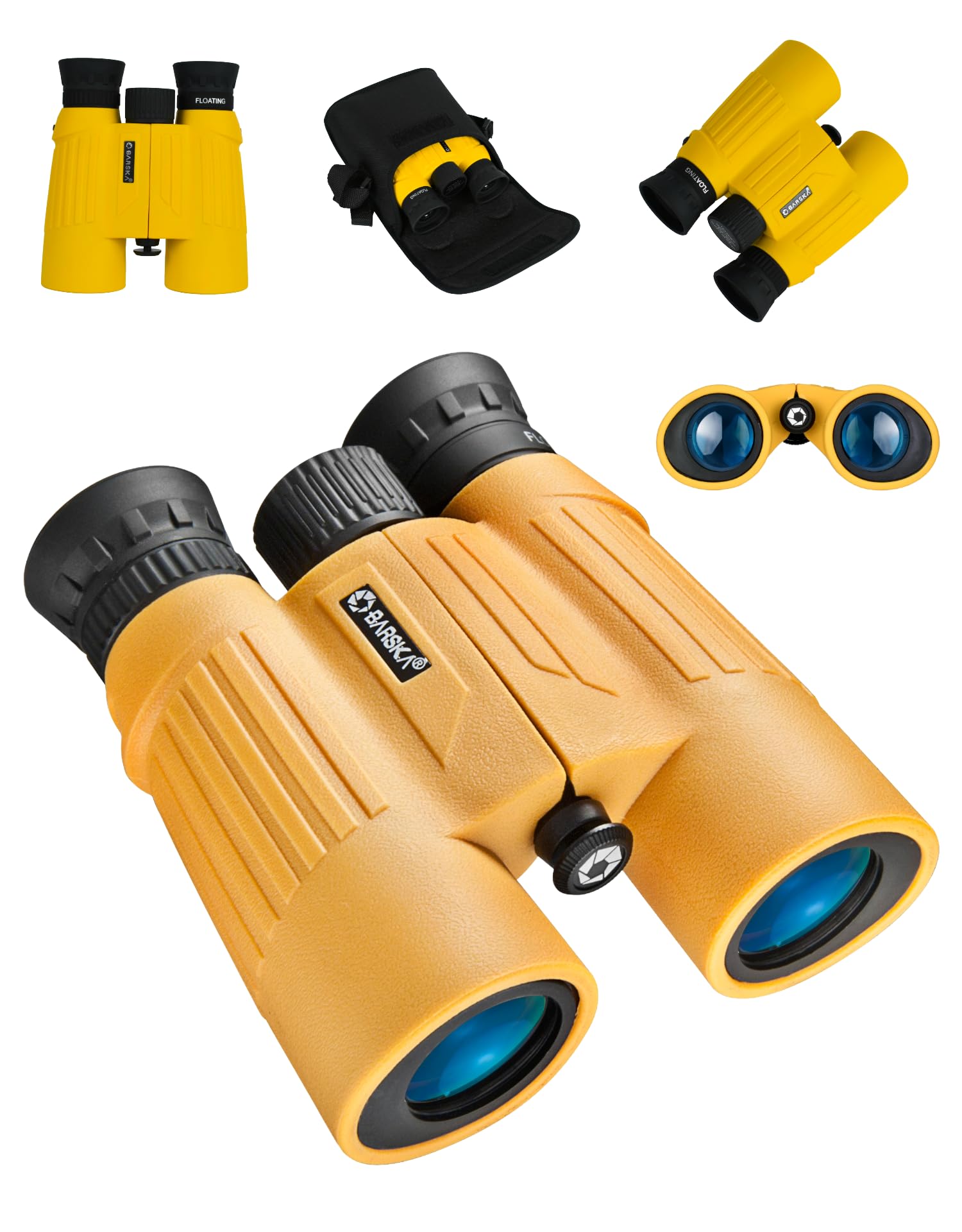
Begin with the risk nobody prices in: on water, the loss class is the purchase. A pair that slips off a wet rail or a rocking deck is gone in seconds, so read the floating strap options and the sealed, waterproof classes before you compare glass quality. A midrange pair on a floating strap will catch more fish over its life than a premium pair resting on the lake bed.

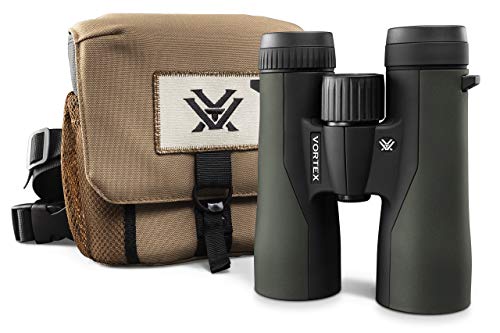
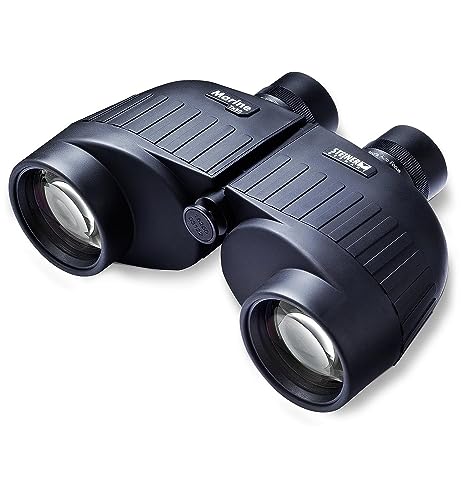

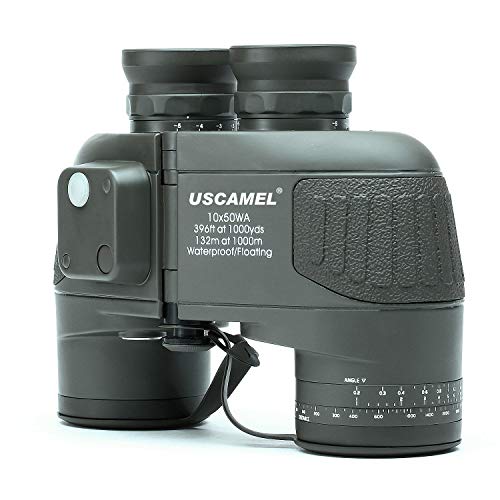


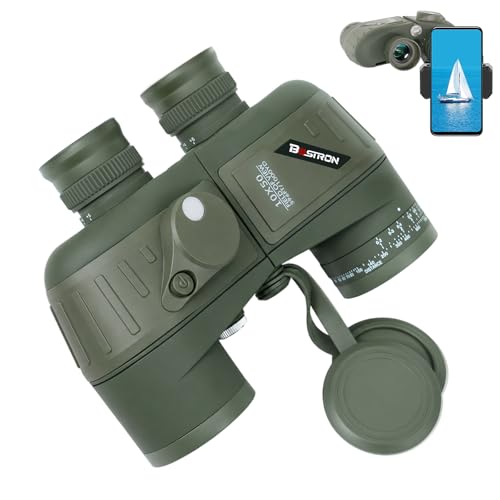
Binoculars 101: The Basics
A binocular is two small telescopes joined side by side, one for each eye, so you judge distance with both eyes open and keep your natural depth sense. Light enters the large front lenses, called objectives, passes through prisms that flip the image upright, and reaches your eyes through the smaller eyepieces. You aim by raising the pair to your eyes, rest your thumbs under the barrels for steadiness, and turn the center focus wheel until the subject snaps sharp.
Every model is named with two numbers, such as 8x42. The first number is magnification, meaning the subject looks eight times closer than with the naked eye. The second is the objective size in millimeters, and a larger front lens gathers more light for dawn and dusk viewing. Those two numbers, plus the waterproofing class, tell you most of what matters for fishing before you ever look at a price tag.
Key Specs of the Best Binoculars for Fishing, Explained in Plain English
Features That Matter for Fishing
Fishing makes demands that general sightseeing does not. You scan bright, reflective water for working birds, bait movement, and surface boils, often in spray, rain, and heat. Glare splits fishing binoculars into clear classes: the lens coating classes decide how much of that reflected light reaches your eyes, and a good coating turns a silver glare field into readable water where you can pick out shadow and movement. Prioritize that, plus sealing, before chasing extra magnification.
Magnification and Objective Size
For most anglers, 8x42 is the honest starting point: steady enough to hold, wide enough to find birds fast, and bright enough for first light. A 10x42 reaches farther across big lakes and bays but shakes more in your hands and shows a narrower slice of water. Remember that the magnification printed on the box is a still-air figure: on a moving deck, the lower power class is the steadier read, and a steady 8x image shows more real detail than a dancing 10x image ever will.
Waterproofing and Fog Resistance
Look for a sealed body that the maker rates for full immersion, not just splash resistance, because fishing gear gets dropped in bilges and soaked by rain. Sealed pairs are filled with dry nitrogen or a similar gas so the inside cannot fog when you move from a cool cabin to warm morning air. Rubber armor over the body adds grip with wet hands and absorbs the knocks of life in a boat or a truck bed.
Eye Relief and the Focus Wheel
Eye relief is the distance your eyes can sit behind the eyepieces while still seeing the whole picture, and it matters most if you wear sunglasses on the water, which most anglers do. Twist up eye cups let you set that distance in seconds. The focus wheel should turn smoothly with one finger and a light touch, since you will refocus constantly as birds and boats move. A stiff or gritty wheel on a new pair is a reason to exchange it.
Size, Weight, and How You Carry Them
A full size 8x42 pair weighs roughly one and a half pounds, light enough for a neck strap all morning yet heavy enough to hold steady. Compact pairs save weight for bank and kayak anglers but give up brightness at dawn. Whatever size you choose, the carry system is part of the tool: fit the floating strap before the first trip, and stow the pair in a padded case in the same spot every time so they survive the ride home.
What Your Budget Buys
Entry pairs cost about $40 to $90 and cover casual bank fishing with basic coatings and splash level sealing. The middle band, about $90 to $200, is where most first time buyers should land, because it buys true waterproof sealing, better glare coatings, and smoother focus wheels. Premium pairs at about $200 to $450 refine glass clarity and build quality further, a difference you feel most in low light. Compare the current options side by side in the product table above as you read.
Rookie Mistakes to Avoid
- Buying the highest magnification on the shelf, then fighting a shaky, narrow image on every boat trip.
- Skipping the floating strap to save a few dollars and risking the whole pair on one slippery moment.
- Trusting review scores alone: a roundup of best rated binoculars compresses many different uses into one number, so read the specs for your kind of water instead.
- Borrowing rankings from other pursuits: lists of best rated binoculars for hunting reward long range and low light reach, which matter far less at midday on open water.
- Leaving the pair loose in a tackle bag where grit, hooks, and sunscreen grind against the lenses.
Getting Started: Setup and First Use
Attach the floating strap first, before the pair ever goes near water, and adjust it so the binoculars ride high on your chest where they stay out of the way of casting. Next set the width between the barrels until the two circles merge into one round image, then set the diopter: focus on a distant sign with the center wheel using your left eye, then use the diopter ring to sharpen the same sign for your right eye without touching the wheel.
On the water, scan in slow sweeps and stop on anything that breaks the surface pattern, then focus. When you head home, rinse salt and grit off with clean fresh water, blot the lenses with a proper lens cloth rather than your shirt, and store the pair dry with the caps on. Anglers who scan long distances from bigger boats can also compare best binoculars for offshore fishing once these basics feel natural.
FAQs for First Time Fishing Binocular Buyers
Are compact binoculars a good choice for fishing?
Compact binoculars work for fishing when portability rules, such as hiking to a backcountry pond or packing a small kayak. The trade is brightness: small front lenses dim the view at dawn and dusk, which are prime fishing hours. If most of your fishing happens at first light from a boat or a dock, a full size pair earns its extra weight. If you travel light and fish midday, a compact pair is a sensible and cheaper start.
Can two anglers share one pair of fishing binoculars?
Yes, one pair can serve a whole boat if each angler knows the quick reset routine. The barrel width and the diopter setting are personal, so a shared pair needs both adjusted at every handoff, which takes about ten seconds once practiced. Mark your own diopter position with a small dot of tape so your setting is one twist away. For long days of serious scanning, though, sharing means someone is always waiting at the moment birds start working.
Do binoculars for fishing also work for watching birds?
Yes, the same qualities that read water well, a wide view and honest coatings, suit bird watching along the shore. Many anglers end up splitting their time between the two, and guides to best binoculars for birdwatching explain the crossover in more depth. The wider hobby covered under best binoculars birding favors the very same 8x42 class, so a fishing pair is rarely a wasted purchase if your interests grow.
How should binoculars be cleaned after a day near salt water?
Rinse the closed pair gently under fresh tap water to lift salt crystals and sand off the body and lens edges, since wiping dry salt across glass is what scratches coatings. Shake off the excess, blot with a clean lens cloth, and let the pair air dry fully before the caps go on. Never use paper towels or solvent sprays. Store the pair somewhere dry at home rather than in a damp boat compartment, where trapped moisture invites fog and mildew.
Is a monocular a good substitute for binoculars when fishing?
A monocular is smaller and cheaper, but it gives up the two eyed depth judgment that helps you read distance across flat water. It also tires the viewing eye faster during long scans for bird activity. For a glove box spare or an ultralight hiker it has a place. As your main tool for spotting feeding fish and navigating attention across a wide lake, a true binocular remains the better buy at the same money.
Wrapping Up
Keep the first purchase simple: an 8x42 pair in the middle price band, fully sealed against water, with coatings that tame glare and a floating strap fitted before the first trip. Set the diopter once, carry the pair the same way every outing, and let your scanning practice do the rest. Chosen that way, the best binoculars for fishing are not the most powerful pair in the shop window but the pair that is still on your chest, dry and clear, when the birds start working, so check the product table above before you order.

