
Best Binoculars for Law Enforcement 2026: A Practical Buying Guide
Disclosure: We may earn a commission when you buy through links on this page, at no extra cost to you. As an Amazon Associate I earn from qualifying purchases. Learn more

Officers who observe from patrol cars and posts need clear, sealed glass. Learn which specs matter for the best binoculars for law enforcement.
Duty glass is bought for one job: reading a scene clearly from a distance, often in poor light and bad weather. Choosing the best binoculars for law enforcement starts with that job, not with the biggest magnification figure on the box. This guide covers the price bands, the specs that matter on shift, and the sizing calls that decide whether the glass rides with you or stays behind.
A duty binocular is an observation tool, stated plainly: it identifies people, vehicles, and details at distance, and it is not a recording device. What may be observed, and from where, is set by the law and the policy of your agency, so treat this guide as gear guidance only. The product table gives a quick first pass at the main classes side by side.
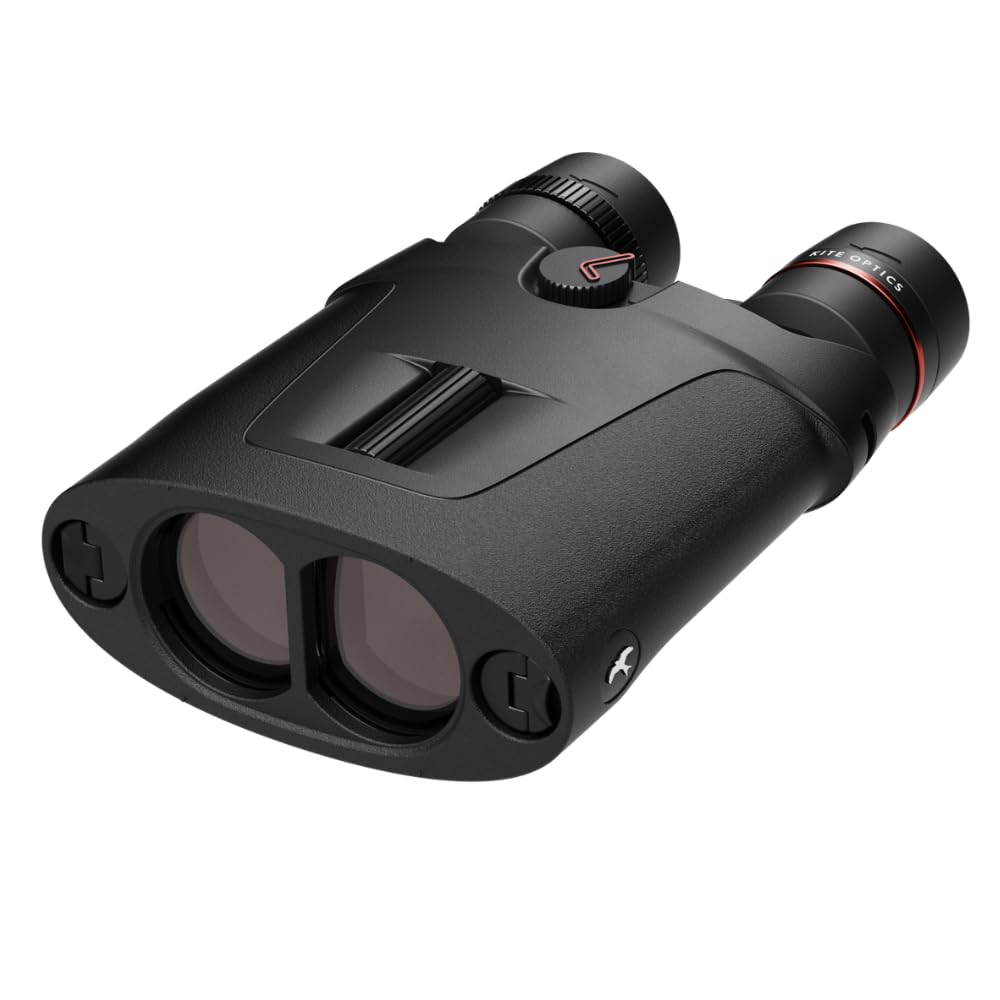
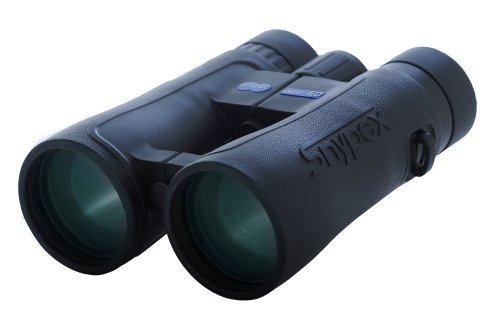
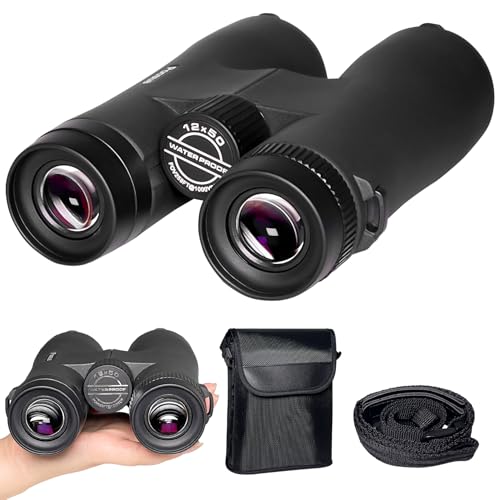
Price Bands for Duty Glass
Entry Band for Patrol Spares
At about $80 to $150, expect honest 8x42 or 10x42 roof prism glass with basic coatings and simple sealing. This band suits a spare pair for the patrol bag or a first issue for occasional observation. Low light reach is limited, so dawn and dusk detail fades sooner. For context on how the rest of the uniform budget splits, guides to best law enforcement boots treat footwear as its own duty class with its own price ladder.
Mid Band for Regular Observation
At about $150 to $350, coatings improve, sealing becomes dependable, and exit pupils grow more useful at last light. This is the working band for officers who observe daily: better glass, tougher housings, and focus wheels that behave with gloves. Most buyers should shop here first, because the jump in clarity at distance is the one upgrade you feel on every shift.
Upper Band for Surveillance Work
At about $350 to $700, you pay for brighter glass, wider fields, and build quality that survives years of vehicle storage and field use. Stabilized models sit above this band and earn their cost only for long static observation from vehicles or posts. Buy this band when identification at range is the core of the assignment, not as a general patrol upgrade.
How to Choose the Best Binoculars for Law Enforcement
Features That Matter for Law Enforcement Work
Duty use asks for three things civilian glass can skip: fast target pickup, readable detail at the distances your role works, and controls that work cold, wet, and gloved. Magnification of 8x or 10x covers nearly every role; more power narrows the field and slows pickup. Recording is a separate class of gear entirely, and guides to best body cameras for law enforcement cover that recording class, which is the honest contrast to an observation only tool like this one.
Exit Pupil and Low Light Performance
Low light ability splits duty glass more than any other spec: the exit pupil is the night read. Divide the front lens size by the magnification, so an 8x42 gives about 5.25 mm, a circle of light that feeds a dark adapted eye well. A 10x42 gives about 4.2 mm and dims sooner at dusk.
For night heavy roles, favor 8x42 or 7x50 classes; for daylight detail work, 10x can still serve. Coatings decide how much of that light survives the glass, so sealed, fully multicoated optics matter after dark.
Magnification and Identification Range
Identification is a detail question, not a power contest. Reading a plate, a jacket logo, or a hand position depends on steadiness as much as magnification, and a braced 8x often reads more than a freehand 12x. Higher power also drinks light and shrinks the field you scan with. Match the class to your working distances: street and lot work suits 8x, while open ground, water, and perimeter posts justify 10x with a rest or a window mount.
Durability and Weather Sealing
Duty glass lives in door pockets, range bags, and rain. Look for rubber armor over a metal or reinforced body, sealed construction with nitrogen filling to resist internal fog, and lens caps that tether so they cannot be lost on a dark scene. Waterproof ratings describe submersion classes, not years of abuse, so treat sealing as one part of durability. A pair that fogs inside during a temperature swing is out of service until it dries, which is why the sealed class is the working floor.
Size, Weight, and Belt Carry
The belt decides the size class: a glass that stays in the vehicle observes nothing. Full size 42 mm glass weighs roughly 22 to 30 ounces and belongs in a bag or vehicle mount for most roles. Compact 32 mm and 25 mm classes ride on a belt or in a cargo pocket and get used far more often, at the cost of low light reach. Timekeeping is another belt line item, and guides to best watches for law enforcement treat that class separately from optics.
Types of Binoculars for Duty Use
Roof Prism Full Size Glass
The straight barrel roof prism design is the standard duty class: slim, sealed, and easy to stow. In 8x42 it balances brightness, field, and size for mixed shifts. Costs run higher than the older design at the same clarity, but the compact shape earns its place in a patrol bag.
Porro Prism Full Size Glass
The offset barrel porro design gives strong depth perception and bright images for less money. It is wider and harder to seal, so it suits vehicle based and post based observation better than belt carry. Many porro models skip full waterproofing, which limits rain use.
Compact and Stabilized Glass
Compact roof prism pairs in 8x25 or 10x32 trade light for carry, and they are the class most likely to be on your person. Stabilized glass cancels hand shake electronically or mechanically and shines during long vehicle observation, but it adds cost, weight, and batteries to manage. Choose stabilization for static posts, not for foot patrol.
Setup and Care Tips
- Set the diopter once for your eyes and mark the position, so a shared pair can be reset in seconds.
- Tether both lens caps and use the strap, because most duty glass damage happens during drops at vehicles.
- Clean lenses with a soft lens cloth and a blower, never a uniform sleeve, which grinds dust into coatings.
- Store the pair in a dry padded case inside the vehicle, away from direct sun on the dash.
- Check hinge tension and focus smoothness monthly, since early stiffness warns of damage before it fails on shift.
Frequently Asked Questions
What magnification is best for patrol observation binoculars?
For patrol observation, 8x is the most useful magnification for most officers. It keeps a wide field for scanning lots and streets, stays steady freehand, and pairs with a 42 mm lens for a strong exit pupil at dusk. Officers posted at long open distances can step to 10x, ideally with a rest. Anything stronger belongs on a mount, because shake, not power, becomes the limit on what you can identify.
Are compact binoculars enough for law enforcement work?
Compact binoculars are enough for daylight identification at short and middle distances, and their size means they actually get carried. The trade is low light reach: small front lenses gather less light, so dawn, dusk, and shaded scenes go dim sooner than with full size glass. Many officers run both classes, a compact on the belt and a full size pair in the vehicle. Pick the compact if carry discipline is your weak point; pick full size if your shift runs dark.
Do duty binoculars need to be waterproof?
Duty binoculars should be sealed and fog resistant at minimum, because rain and temperature swings are normal working conditions. Full submersion ratings matter less than internal fog resistance: a nitrogen filled sealed body stays clear when you step from an air conditioned vehicle into humid air. Unsealed glass can fog inside the barrels, and that fog cannot be wiped away. Treat sealing as a reliability spec, not a luxury, and keep caps on during downpours anyway.
How far can duty binoculars identify a person?
Identification distance depends on light, steadiness, and what detail you need, so any single figure is a rough class estimate. In good daylight, an 8x42 can read clothing and carried items at a few hundred yards, while faces need far shorter distances. Heat shimmer, rain, and dusk all cut the range sharply. Glass extends your eyes; it does not replace closing distance when a positive identification is required for a report or a court record.
Should an agency choose image stabilized binoculars?
An agency should choose stabilized binoculars only for roles built around long, static observation. Stabilization removes hand shake, which is the main limit during vehicle surveillance and fixed post work, and it can make a 12x or 14x class usable freehand. The costs are real: higher prices, more weight, and batteries that need a charging routine. For general patrol, a standard 8x42 spends the same money on brightness and toughness that help on every shift.
Final Thoughts
Match the exit pupil to your light, the size to your carry, and the sealing to your weather, and the product table will sort the classes quickly. For most roles, the best binoculars for law enforcement are the steady 8x42 pair that rides along on every shift rather than the powerful pair left at the station.


