
Best Binoculars for Cruise Ships in 2026: Types Compared and How to Choose
Disclosure: We may earn a commission when you buy through links on this page, at no extra cost to you. As an Amazon Associate I earn from qualifying purchases. Learn more

Choose the best binoculars for cruise ships by comparing each type's pros and cons, ideal users and price range.
Walk onto any cruise ship deck at sunrise and you will see binoculars everywhere, pointed at glaciers, whales, harbor lights, and distant shorelines. The hard part is choosing among the types, because each style trades brightness, size, and price differently. This guide compares the main types of the best binoculars for cruise ships side by side, so the right choice for your itinerary becomes obvious. The comparison table below summarizes every type at a glance.
Two numbers explain most of the differences: magnification and the exit pupil it produces. Learn those, and the rest of this guide falls into place quickly.

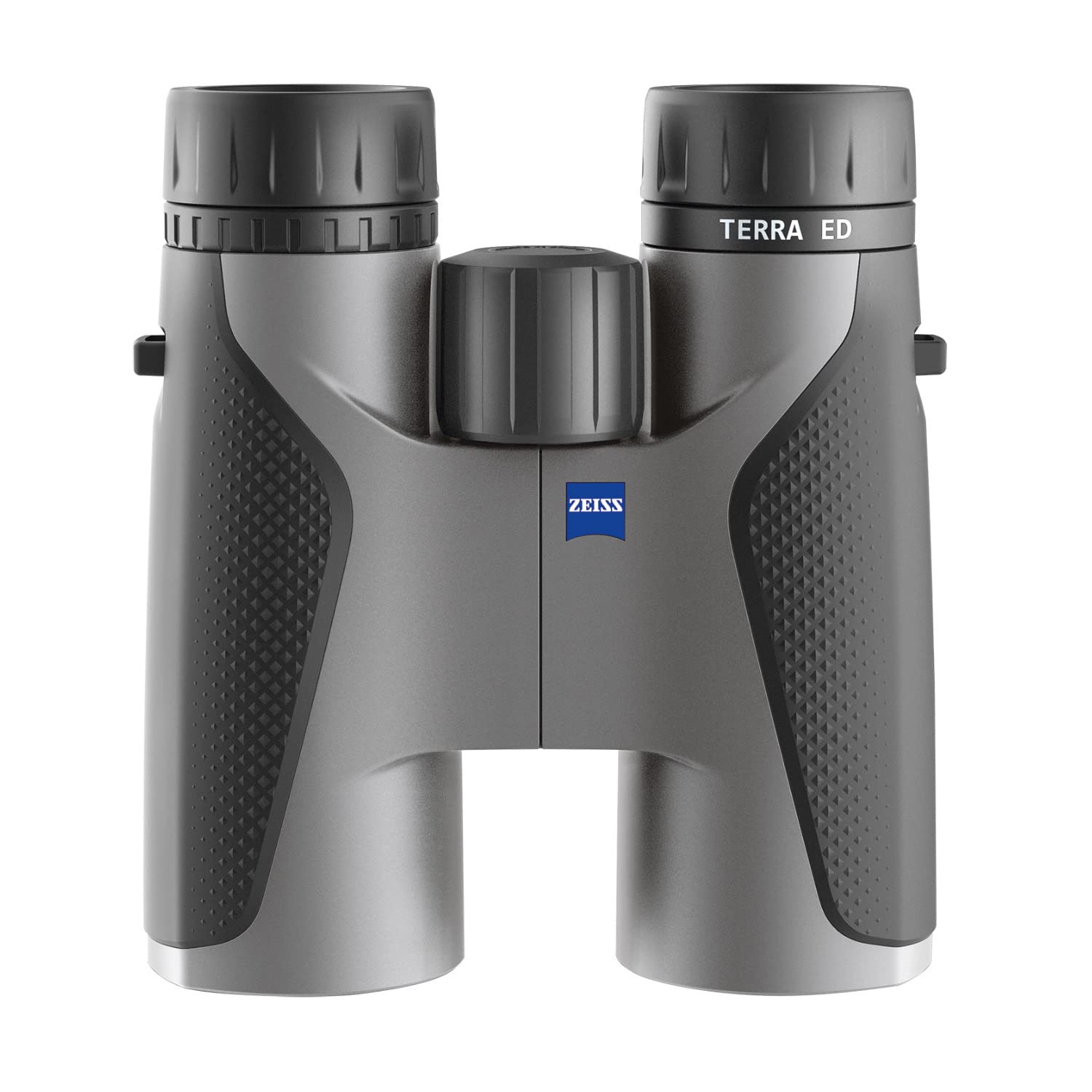


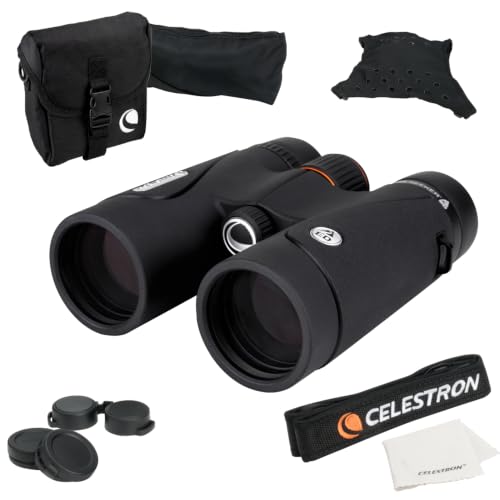


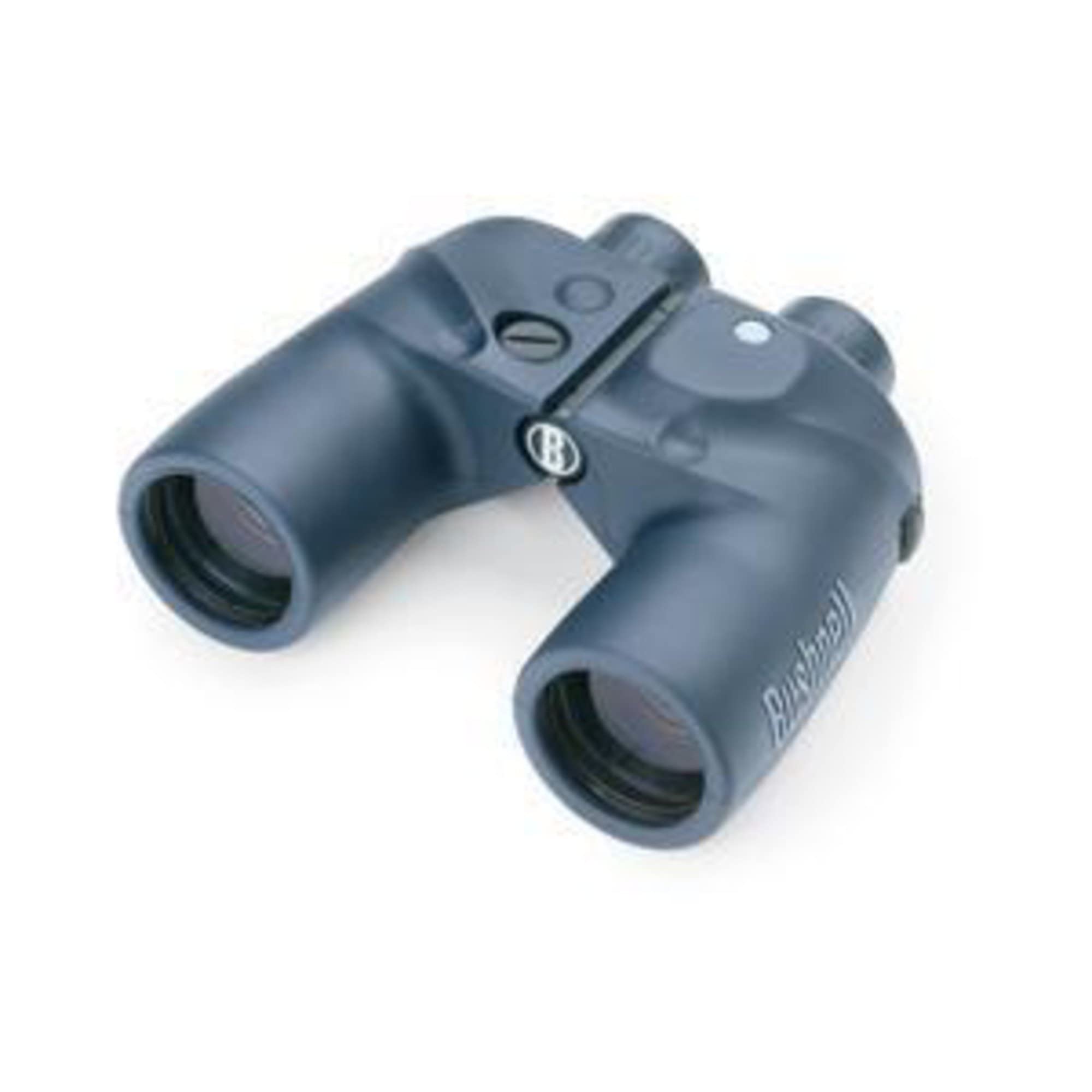
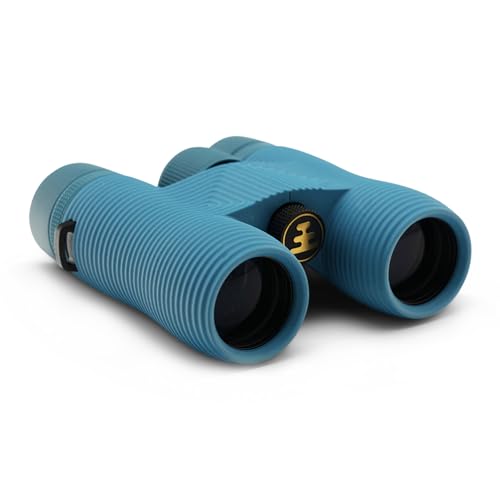
Types of the Best Binoculars for Cruise Ships Compared
Five types cover nearly every binocular sold for travel and shipboard use. They differ mainly in size, light gathering, and how well they shrug off sea air.
| Type | Best For | Pros | Cons | Typical Price |
|---|---|---|---|---|
| Full Size (8x42, 10x42) | Shore excursions and wildlife | Brightest image, easy to hold | Bulkiest option in a day pack | About $150 to $400 |
| Mid Size (8x32, 10x32) | All round ship and port use | Good brightness in a lighter body | Slightly dimmer at dusk than full size | About $100 to $300 |
| Compact (8x25, 10x25) | Travelers packing light | Fits a jacket pocket, very light | Narrow view, dim in low light | About $40 to $150 |
| Marine (7x50) | Open water and rough weather | Sealed against spray, steady low power view | Heavy, and overkill for port days | About $120 to $350 |
| Image Stabilized | Whale watching from a moving deck | Cancels hand and ship motion | Highest prices, needs batteries | About $300 to $900 |
Full Size Binoculars
Full size models pair 42 mm or 50 mm objective lenses with 8x or 10x magnification. The big front lenses gather the most light, keeping shore details clear at dawn and dusk. On northern itineraries, the class recommended in guides to the best binoculars for alaskan cruise is usually full size, thanks to long twilight hours. The downside is bulk: expect about 24 to 28 ounces on your neck strap.
Mid Size Binoculars
Mid size models shrink the front lenses to about 32 mm while keeping 8x or 10x power. They give up a little brightness at dusk in exchange for a body of about 15 to 20 ounces that travels easily. For most cruise travelers this is the balanced choice: bright enough for morning glacier viewing and light enough to carry ashore all day.
Compact Binoculars
Compacts use front lenses of about 25 mm and often fold small enough for a jacket pocket. On bright days in port they work beautifully for harbor traffic and birds near the rail. Their weakness is light: the small lenses produce a small exit pupil, so the image dims early in the evening. Choose a compact when packing light matters more than low light viewing.
Marine Binoculars
Marine binoculars are the sealed class of the binocular world, built around a classic 7x50 pairing. The modest 7x power stays steady when the deck moves, and the waterproof body shrugs off spray that would fog an ordinary glass. Many include a floating strap, and some add a built in compass. Travelers comparing the best binoculars alaska cruise options will find this class listed again and again, because glacier viewing often happens in drizzle.
Image Stabilized Binoculars
Stabilized models use powered electronics to cancel hand shake and ship motion. The effect is dramatic at higher powers: a 12x or 14x image that would normally dance stays calm enough to follow a whale. The costs are real, though: these are the heaviest and priciest type here, they run on batteries, and the electronics dislike hard knocks, so they suit dedicated wildlife watchers who spend hours at the rail.
Full Size vs Compact: Which Should You Choose?
Most first time buyers asking about the best binoculars for a cruise end up choosing between these two classes. On brightness, full size wins clearly, since an 8x42 delivers an exit pupil of about 5.3 mm against about 3.1 mm for an 8x25 compact. On size and price, the compact wins just as clearly, at a third of the weight and often a third of the cost.
On steadiness the two are close, because light compacts tire your arms less while heavy full size glass damps small shakes. The deciding question is your itinerary: scenery and wildlife focused sailings reward full size, while port heavy trips with lots of walking reward the compact you will actually carry.
How to Choose the Right Pair of Binoculars
Exit Pupil: The Brightness Number That Matters
Exit pupil governs how bright the image looks, and you can compute it yourself: divide the objective size by the magnification. An 8x42 gives about 5.3 mm, which suits a dark adapted eye nicely at dawn. An 8x25 compact gives only about 3.1 mm, which is fine under a bright midday sky but noticeably dim at dusk. On a ship, much of the best viewing happens in the soft light of early morning and evening, so an exit pupil of about 4 mm or more is a sensible target.
Waterproof Sealing for Salt Air and Spray
Sealing is what turns an ordinary binocular into a marine class instrument. Look for wording that the body is sealed and filled with nitrogen or dry gas, which keeps moisture out and stops internal fogging when you step from an air conditioned cabin into warm sea air. A merely water resistant model sheds a splash but can still fog inside. Expedition travelers comparing the best binoculars for antarctica cruise should treat full sealing as essential, since cold decks and warm cabins create the worst fogging conditions.
Size and Weight on Deck
Size decides how a binocular behaves on deck. A full size pair hangs heavy on a neck strap after an hour at the rail, while a compact disappears into a pocket when you go ashore. Ship motion matters too: the heavier the glass, the more your arms work to hold it steady in wind and swell.
Think of size as a deck class choice rather than a quality ranking. If you plan long sessions watching for whales, mid size hits the balance; if binoculars are an occasional extra, compact is enough.
Magnification and Field of View
Higher power is not automatically better on a ship. An 8x view is easier to hold steady and shows a wider field, which helps you find a whale spout or follow a bird. A 10x view pulls distant shorelines closer but narrows the field and magnifies every movement of the deck. Most cruise travelers are happier with 8x, and first time buyers should start there.
Eye Relief and Close Focus
If you wear glasses, look for eye relief of about 15 mm or more so you can see the whole field without removing them. Close focus, the shortest distance at which the binocular can focus, matters more on a ship than people expect, since birds near the rail and harbor details can sit only a few yards away. A close focus of about 6 to 10 feet keeps those moments sharp instead of blurry.
Care and Maintenance Tips
Use a lens cloth, never your shirt, because fabric traps grit that scratches lens coatings. Keep the binocular in a dry, padded case in your cabin. A floating strap is cheap insurance for anyone who leans on the rail. Wipe salt from the body with a cloth dampened in fresh water, let everything dry before packing, and store the case open at home so moisture escapes.
Frequently Asked Questions
What features matter most in binoculars for cruise ships?
Sealing, moderate power, and comfortable eye relief matter most for shipboard use. Add one feature many lists skip: a grippy rubber armor coating. Decks are wet, hands get sunscreen on them, and a smooth binocular is easy to drop at the wrong moment. Armor also absorbs the small knocks that happen against rails and camera bags, protecting the optics alignment over a long trip.
How much should I spend on my first pair of binoculars for a cruise?
About $100 to $250 buys a sealed mid size or entry level full size model that will satisfy most travelers. Shoppers comparing the best budget binoculars for alaska cruise listings will see capable compacts starting around $50. Spend more mainly for brighter glass and better sealing, not for higher magnification, and remember that a mid priced binocular you actually carry beats an expensive one left in the cabin.
Is a smartphone enough instead of binoculars on a cruise?
A smartphone is fine for snapshots but weak for watching. Phone zoom is mostly digital cropping, so a distant whale becomes a smudge of pixels, while even an inexpensive 8x binocular shows a bright image. Battery life argues the same way: an hour of scanning drains a phone you also need for photos and port maps. Bring the phone for pictures and the binocular for looking.
What does 8x42 or 10x42 mean on binoculars?
The first number is magnification, so 8x makes a subject look eight times closer. The second number is the diameter of the front lenses in millimeters. A detail worth knowing is that makers also print a field of view figure, usually in feet at 1000 yards, which tells you how wide a scene you can take in at once. Wider fields make finding moving wildlife much easier.
Which binoculars are better for low light on a cruise ship?
Models with a larger exit pupil are better at dawn and dusk, so an 8x42 or a 7x50 beats a compact every time in soft light. There is a ceiling, though: at dusk your own pupil opens to roughly 5 mm, so an exit pupil much larger than that delivers light your eye cannot use. Twilight sailings past glaciers are where the difference shows most.
Final Thoughts
Choose by type first: full or mid size for scenery and wildlife, compact for light packing, marine or stabilized models for rough water itineraries. Then confirm the three numbers that decide shipboard happiness: an exit pupil near 4 to 5 mm, full sealing against salt air, and a size you will actually carry on deck. The product table above lines the types up side by side. Pack a floating strap, keep the lens cloth handy, and the best binoculars for cruise ships become the quiet highlight of every sea day.


