
Best Binoculars for Antarctica Cruise by Budget for 2026
Disclosure: We may earn a commission when you buy through links on this page, at no extra cost to you. As an Amazon Associate I earn from qualifying purchases. Learn more
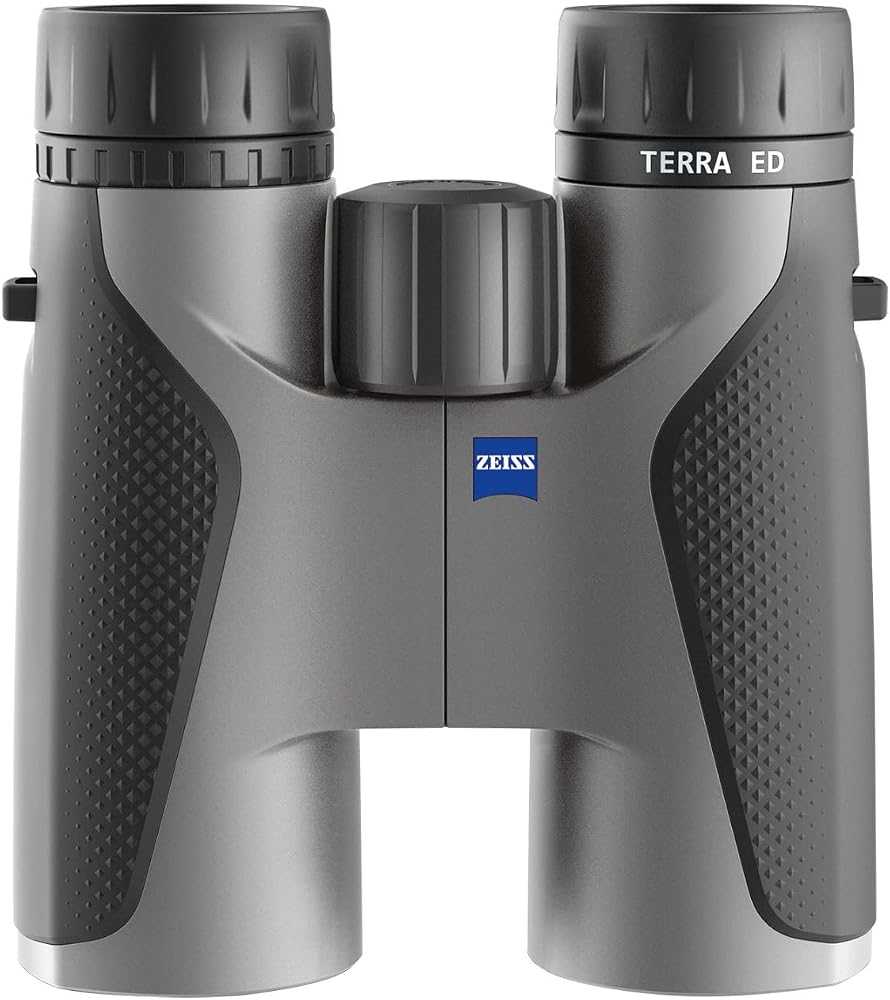
Choose the best binoculars for antarctica cruise trips by budget, with guidance on magnification, waterproofing, cold grip and glare control.
Prices for cruise binoculars range from under $100 to well over $1,000, and the gap is hard to judge from a spec sheet. The best binoculars for antarctica cruise use are the ones sealed against spray and fog, bright on white ice, and steady on a moving deck. This guide shows where extra money helps and where it does not, so you can set a clear budget.
Antarctica adds demands that a normal sightseeing trip does not. You view whales and penguins from distances set by wildlife rules, ride in open landing boats, and scan bright snow under long daylight. Each section below ties a feature or price tier to one of those moments.
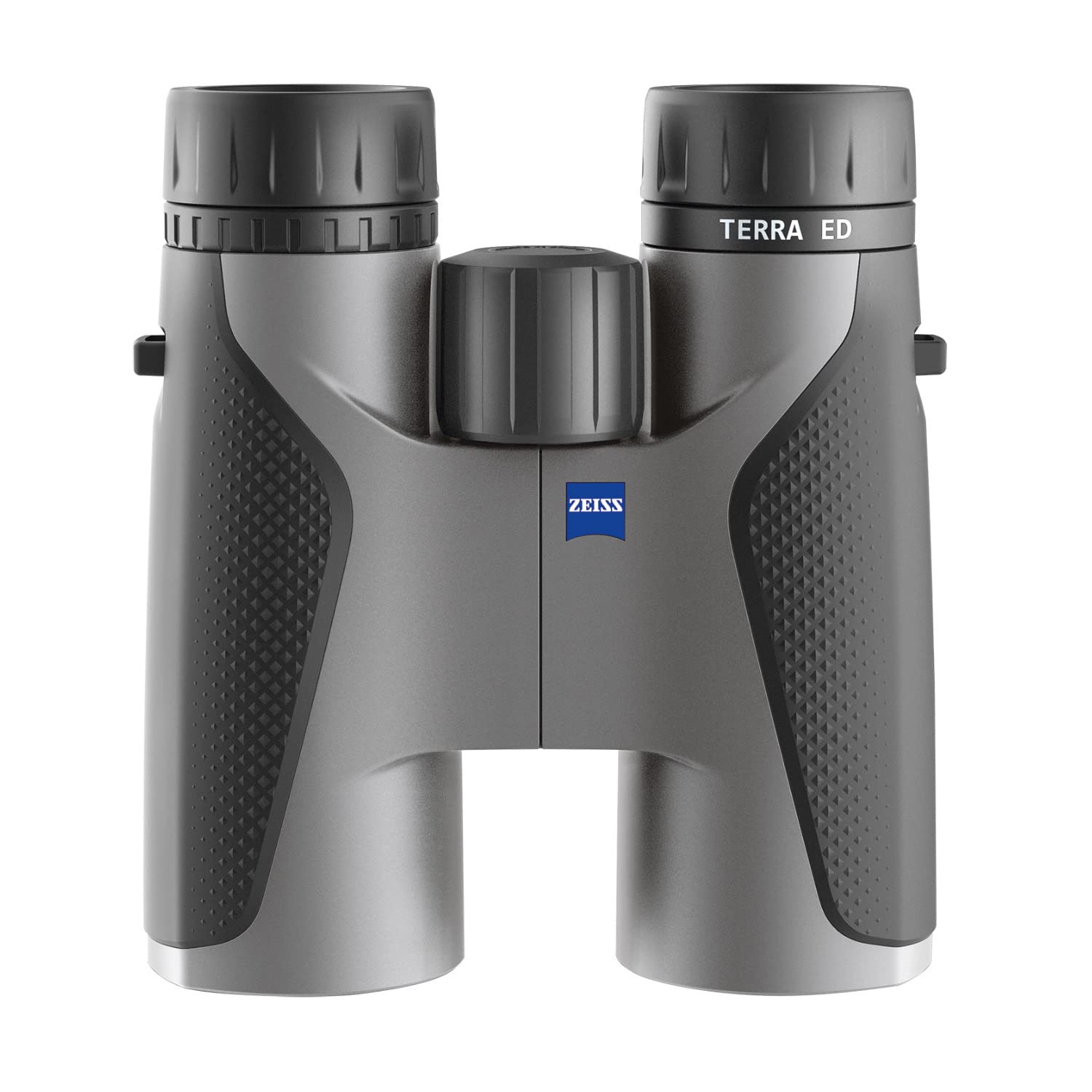


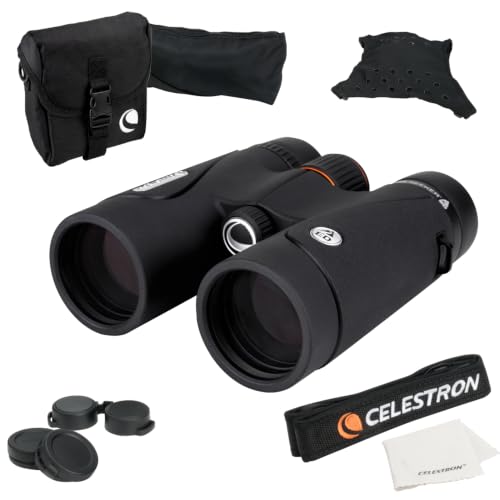

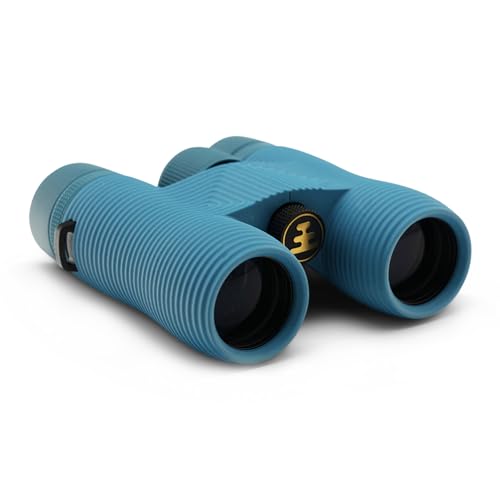


Who Should Buy Which Binoculars for an Antarctica Cruise?
Start with how you will spend most viewing time. Your balance on deck, your eyesight, and how often you land ashore point to different sizes and price levels.
Deck Wildlife Watchers Who Scan for Whales
You stand at the rail for long stretches, searching open water for blows, fins, and seabirds, often with no warning. Choose 8x42 for a wide view that is easy to hold steady while the ship moves. A wide field helps you follow a whale without losing the spot each time the deck rolls.
Shore Landing Visitors Who Watch Penguin Colonies
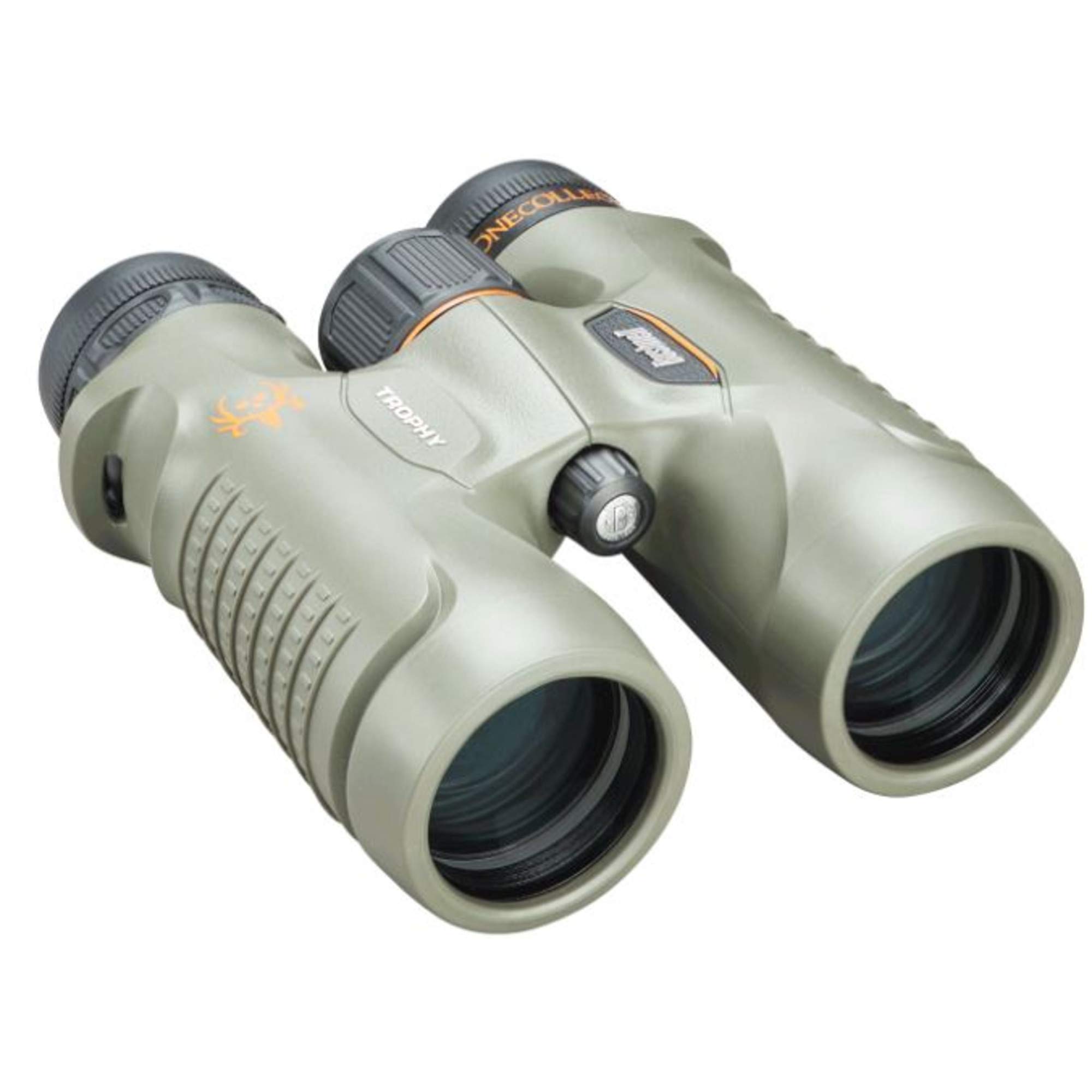
You view penguins and seals from marked paths at set distances, then ride back through spray in an open boat. Choose a sealed and rubber armored pair you can hold with gloves on and rinse later. A close focus of about 6 to 8 feet helps when a penguin stands near the path and you want detail without moving closer.
Glasses Wearers and Travelers Packing Light
You need eyecups that leave room for your glasses to sit at the right distance from the lenses. Look for eye relief of about 17 to 20 mm and twist up eyecups you can set once and leave. A compact 8x32 pair saves weight, but it gathers less light on grey mornings than a 42 mm model.
Key Features to Compare
Compare these factors in order, because sealing and steadiness matter more than a small gain in power.
Magnification, Objective Lens, and Field of View
The first number is magnification and the second is the objective lens size in millimeters, so 8x42 magnifies eight times through 42 mm front lenses. An 8x view shakes less and shows a wider scene, which suits a moving deck. A 10x42 view brings distant seals closer, but it narrows the field and shows every hand movement. Most cruise travelers do better with 8x42, and full size binoculars in that size balance brightness and weight well.
Waterproofing and Fog Proofing for Spray and Cold
Look for a body sealed with O rings and filled with nitrogen, described as waterproof and fog proof. Sealing keeps spray and blowing snow out of the optics. Dry gas inside stops inner lenses from fogging when you step from a cold deck into a warm cabin. A rating for brief submersion signals good seals, because landing boats can splash gear even on calm days.
Lens Coatings and Glass for Glare on Snow and Ice
Bright ice reflects strong light, and a hazy view tires your eyes fast. Fully multi coated lenses reduce glare and raise contrast, so white plumage and dark rock stay easier to tell apart. ED glass sharpens edges and reduces color fringing on scenes such as black penguins on snow. Phase coated roof prisms also help clarity, and this is one area where costlier models often pull ahead.
Cold Weather Handling, Armor, and Grip With Gloves
A focus wheel that turns smoothly with thick gloves matters more in Antarctica than a sleek finish. Choose a large center wheel with clear ridges, rubber armor, and a shape you can hold with stiff fingers. Check that the diopter ring locks or sits firmly, because gloves can nudge a loose ring and leave one eye soft. A chest harness spreads weight during long deck watches.
Weight, Eye Relief, and Image Stabilization
Most 42 mm models weigh about 20 to 28 ounces, and you feel every extra ounce during a long watch. Let a harness carry that weight between sightings. Image stabilization can steady a 10x view on deck, but it adds cost, bulk, and batteries that drain faster in cold air. Most travelers get more value from a steady 8x42 than from a stabilized model at twice the price.
What Each Budget Level Gets You for Polar Waters
Budget decides how much sealing, glass quality, and comfort you can expect, and the best binoculars for antarctica cruise trips need not sit in the top tier. Use the tiers below to set a limit before you shop, and see our guide to the best budget binoculars for alaska cruise for a similar cold weather budget comparison.
Entry Tier: Sealed Basics for About $80 to $150
Here you can find waterproof 8x42 models with basic coatings and rubber armor, which cover the core needs of one voyage. Views are clear in bright daylight, though edges may soften and glare on snow is stronger. The focus wheel may feel stiff in cold air. This tier suits a traveler who expects limited use after the trip.
Step Up Tier: Better Glass and Seals for About $150 to $350
This range adds ED glass on many models, stronger coatings, smoother focus wheels, and longer eye relief. Contrast on ice improves, and seals and armor feel more solid in gloved hands. Weight stays similar to the entry tier, so you gain clarity without a heavier carry. For most Antarctica travelers, each extra dollar here still brings a visible gain.
High Tier: Refined Optics for About $350 to $700 and Above
Premium models refine what the step up tier does well, with wider fields, flatter edges, and very low glare in harsh light. Focus action feels precise with gloves, and build quality suits years of travel. The gains are real but smaller than the jump from entry glass. Choose this tier if you bird often at home or plan more polar trips.
Common Mistakes to Avoid
These errors are common and easy to prevent.
- Choosing 12x or higher power for deck use leaves you with a shaky and narrow view that loses whales as the ship rolls.
- Buying an unsealed pair to save money risks fogged inner lenses after the first splash in a landing boat.
- Checking the focus wheel barehanded at home hides how stiff and small it feels once you wear thick gloves.
- Carrying binoculars loose in a day pack lets hard gear scratch the lenses and knock the two barrels out of line.
- Ignoring eye relief as a glasses wearer forces you to lift your glasses for each sighting and miss brief wildlife moments.
- Packing only a thin neck strap makes a long deck watch ache, so interest fades before the best sightings arrive.
Care and Maintenance on a Cold and Salty Voyage
Salt spray is the main threat at sea. Rinse the outside of a sealed pair under a gentle stream of fresh water after a landing, then pat it dry and let it air before storage. Keep lens caps on between sightings, and clean glass only with a lens cloth, because gritty salt on a dry tissue can scratch coatings.
Cold air creates a second risk when you return inside. Warm lenses fog as cabin air touches them, so leave the pair in its case near the door and let the temperature change slowly. Store binoculars dry at home, out of direct sun, and check the strap and hinge before each trip. Readers comparing other sailings can also see our guide to the best binoculars alaska cruise for cold coast care notes.
Binoculars for an Antarctica Cruise: Your Questions Answered
What does 8x42 or 10x42 mean on Antarctica cruise binoculars?
The first number states how many times closer the scene appears, and the second gives the front lens width in millimeters. An 8x42 pair is easier to hold steady, while 10x42 reaches farther with a narrower view. On a moving ship, steadiness often matters more than reach, and a wider view helps you relocate an animal after looking away.
How much should I spend on binoculars for an Antarctica cruise?
Plan on about $150 to $350 if this is your first serious pair, because that range covers sealed bodies, good coatings, and comfortable eye relief. Spending less can still work for one trip in bright weather. If cost is your main limit on other sailings, see our guide to the best binoculars for cruise ships for general shipboard value points.
Can a smartphone replace binoculars on an Antarctica cruise?
No, a smartphone cannot replace binoculars here, because its digital zoom crops the image and loses detail at colony distances. A phone is fine for wide shots of icebergs near the ship. For animals at a respectful distance, only real optics give a clear view, and holding a phone up in wind and cold drains its battery fast.
Do binoculars fog up in Antarctica when I go back inside the ship?
Yes, the outer lenses can fog when warm cabin air meets cold glass, even on a well sealed pair. That surface fog clears as the glass warms, and it does not mean water got inside. Fog between the lenses that stays for hours is different, and it points to a failed seal that needs warranty service.
Are compact binoculars enough for wildlife on an Antarctica cruise?
Compact binoculars can work in bright midday light, but their small front lenses give a dimmer view under grey skies and at the long dawn and dusk of polar summer. They also tend to have shorter eye relief, which glasses wearers notice quickly. Pack a compact pair for shore walks, and keep expectations modest for distant whale watching.
Final Thoughts
Set your budget first, then choose sealing, steady 8x power, and glare control before any extra reach. A pair you can hold with gloves and trust in spray will serve you at every landing and deck watch. Check size, weight, and eye relief in the product table above before you order.
Chosen that way, the best binoculars for antarctica cruise trips become a tool you reach for daily, from the first iceberg to the last penguin colony.


