
Best Binoculars for an Alaska Cruise: A Viewing Guide for 2026
Disclosure: We may earn a commission when you buy through links on this page, at no extra cost to you. As an Amazon Associate I earn from qualifying purchases. Learn more

Pick the best binoculars Alaska cruise decks demand, with magnification, brightness and waterproofing explained for whales, bears and glaciers.
The best binoculars alaska cruise pair can transform a trip, because whales, eagles, bears on shore, and glacier details often sit too far for the naked eye. The wrong binoculars shake, fog, or feel too heavy for deck viewing, while the right pair brings distant wildlife close without strain. This guide explains magnification, brightness, and handling for cruise conditions.
Think about where you will view: open decks, small boats, and shore excursions each favour different sizes.
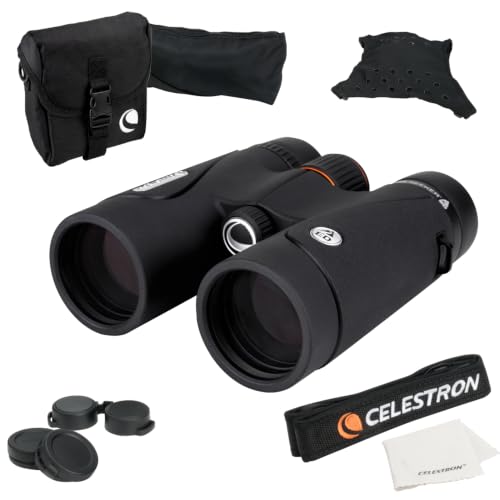


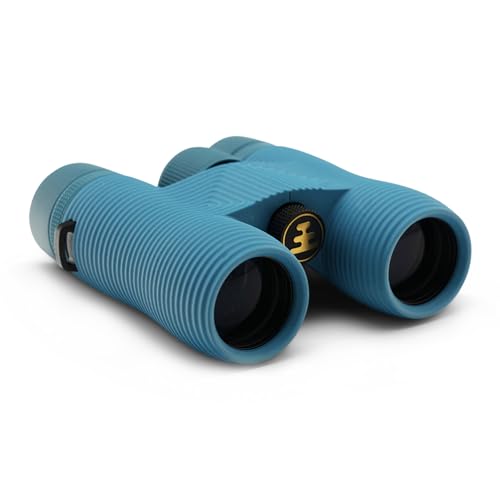
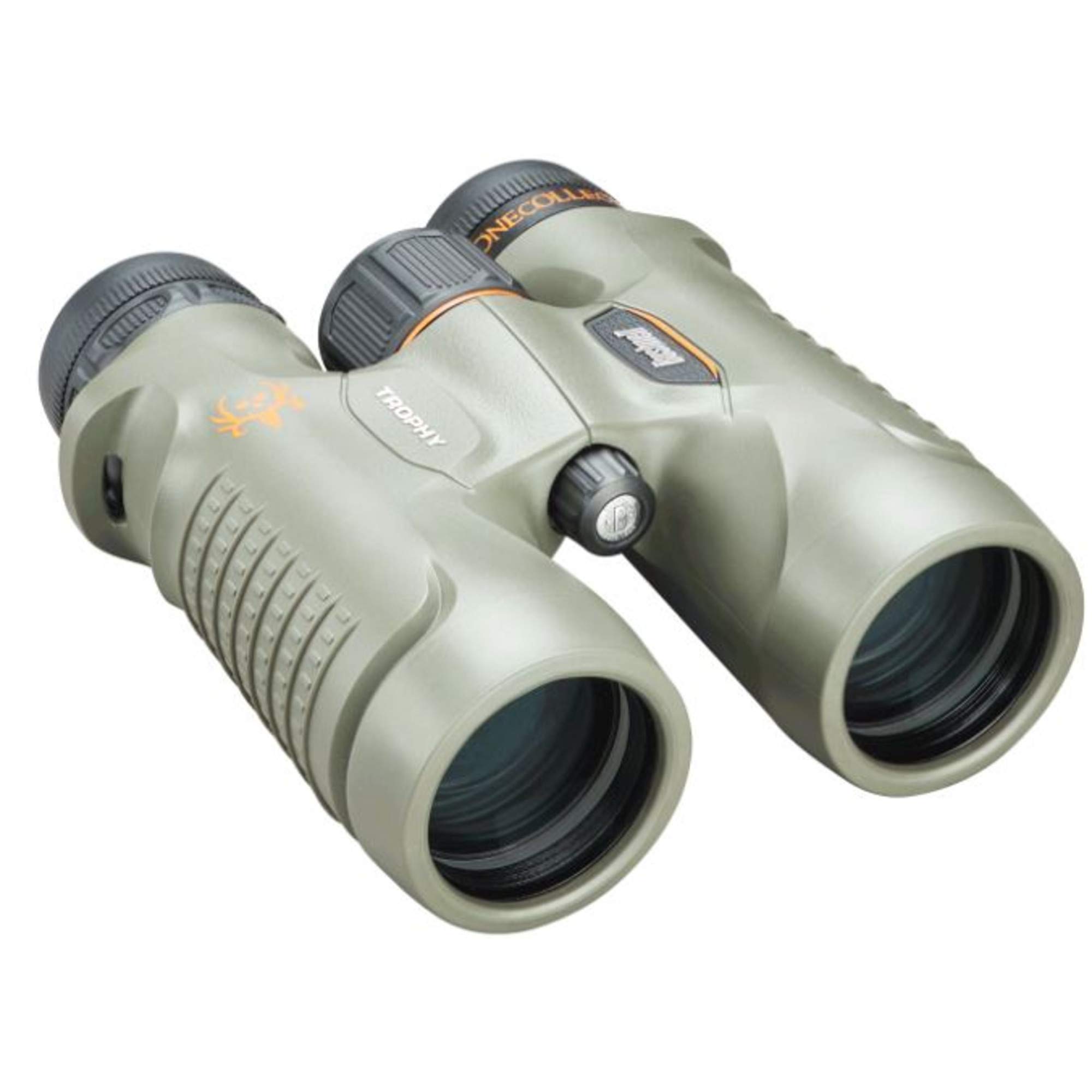


Who Should Buy Which Type: Best Binoculars Alaska Cruise Guide
For Wildlife Watchers
Wildlife watchers need bright optics, steady handling, and quick focus for moving animals. Moderate magnification around 8x suits most whale and bird viewing from a moving ship, because higher magnification shakes more. A wide field of view helps track moving wildlife before zooming attention to detail.
For Glacier and Scenery Viewers
Scenery viewers benefit from sharp detail across the field and good colour for ice blues and forest greens. A slightly higher magnification can help glacier textures, but stability still matters on a moving deck. Lens coatings that reduce glare help greatly in bright ice and water reflections.
For Shore Excursions and Small Boats
Excursion users need compact, waterproof, fog proof binoculars that survive splashes and rain. Light weight matters on walks, while a secure strap prevents drops over water. A durable rubber armour coating protects against bumps in boats and on trails.
Key Features of the Best Binoculars Alaska Cruise Buyers Want
Magnification and Field of View
Magnification around 8x suits most cruise viewing, balancing detail and stability on a moving ship. Higher magnification like 10x shows more detail but shakes noticeably without support, especially in wind. A wide field of view helps find wildlife quickly, which matters more than extreme magnification for moving animals.
Objective Lens and Brightness
Objective lens size affects brightness, especially in dawn, dusk, and overcast Alaska light. Larger objectives gather more light but add weight, while compact models suit travel but dim in low light. For cruise use, a mid size objective balances brightness and portability well.
Waterproofing, Fog Proofing and Durability
Waterproof and fog proof construction is essential for Alaska cruises, where rain, sea spray, and temperature changes fog cheap optics. Nitrogen purged, sealed models resist internal fogging, while rubber armour protects against drops. Check the waterproof rating meaning, because splash resistance differs from full immersion protection.
Weight, Handling and Eye Relief
Weight decides whether binoculars stay around your neck all day or stay in the cabin. A comfortable neck strap and balanced design reduce fatigue, while long eye relief suits glasses wearers. Test focus speed and smoothness, because wildlife moments pass quickly if focusing is stiff.
How to Compare Options and Set a Budget
Budget tiers are clear. Compact travel models at about $50 to $120 suit casual scenery viewing. Mid range models at about $120 to $300 add brighter optics, better waterproofing, and smoother focus for wildlife. Premium models above $300 offer exceptional clarity in low light, so weigh wildlife interest and trip frequency before paying more.
Compare options by handling on a moving platform, brightness in low light, and weight for all day wear. A pair that focuses quickly, stays steady, and feels comfortable for hours beats a powerful pair that shakes and stays in the cabin. Try binoculars with glasses on if you wear them, because eye relief varies.
Related guides can help you narrow the choice: best budget binoculars for alaska cruise, best binoculars for alaska, best binoculars for a cruise and best binoculars for alaskan cruise.
Care, Safety and Common Mistakes
Keep lens caps on when not viewing, clean lenses with a soft cloth and lens fluid, and avoid touching glass with fingers. Store binoculars dry after wet excursions, and check straps and focus wheels before shore trips. Never look at the sun through binoculars, which can cause serious eye injury instantly.
A common mistake is choosing maximum magnification, which shakes badly on a moving ship and narrows the view. Another is ignoring waterproofing until the first rainy deck session. Choose moderate magnification, sealed construction, and comfortable weight, and practice focusing before wildlife appears.
Frequently Asked Questions
What magnification is best for a cruise?
Around 8x suits most cruise viewing, because it balances detail with stability on a moving ship. Higher magnification shakes more and narrows the field, making wildlife harder to track. Image stabilised models help at higher magnification but cost more and need batteries.
Do I need waterproof binoculars?
Yes for Alaska cruises, where rain, sea spray, and temperature changes are common. Waterproof and fog proof models resist internal fogging and survive splashes, while non sealed models fog and can suffer damage. Check sealing quality, not just a waterproof label.
Are compact binoculars good enough?
Compact binoculars suit casual scenery and travel light, but they gather less light in dawn and overcast conditions. For serious wildlife viewing, a mid size pair offers brighter images and steadier handling. Choose compact for convenience and mid size for wildlife priority.
How do I view wildlife without shaking?
Brace elbows against a rail, sit if possible, and use moderate magnification for stability. A neck strap worn taut can steady the view, while resting binoculars on a stable surface helps for long looks. Practice steady holding before the trip, because technique matters as much as optics.
Should glasses wearers check eye relief?
Yes, glasses wearers need long eye relief to see the full field without removing glasses. Twist up eyecups adjust for glasses use, so test with your glasses on. Short eye relief forces you to press close and cuts off the field edges, which frustrates wildlife tracking.
Final Thoughts
Choose moderate magnification, sealed waterproof construction, and a weight you will carry all day, and Alaska wildlife and glaciers will come alive. Those checks prevent the shaking, fogging, and fatigue that spoil viewing. On that basis, best binoculars alaska cruise becomes a trip enhancing decision.


