
Best Binoculars for a Cruise: A Checklist for 2026
Disclosure: We may earn a commission when you buy through links on this page, at no extra cost to you. As an Amazon Associate I earn from qualifying purchases. Learn more

Planning deck and shore days? Learn how to choose the best binoculars for a cruise by magnification, size, weight, and sealing.
Choosing the best binoculars for a cruise is mostly about matching the pair to life on a ship. You will use them on a moving deck, in bright glare, in sea spray, and on shore trips where bags fill up fast. The product table can help you sort the options, but the checklist in this guide comes first, because the right magnification and size matter more than any single extra feature.
A cruise pair has to be steady in your hands, kind to your eyes over a long watch, and tough enough for salt air. It also has to be small enough that you actually carry it off the ship. This guide walks through the buyers who benefit most, the specs that matter at sea, sensible spending levels, and the warning signs that should make you pause before ordering.
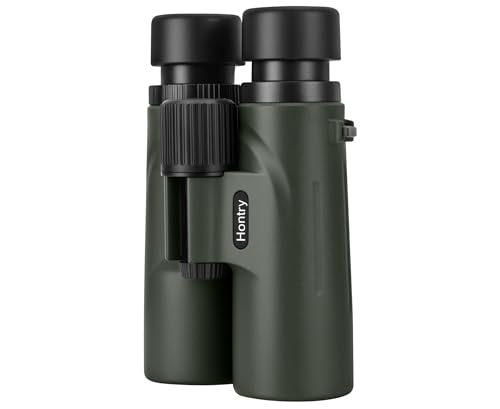

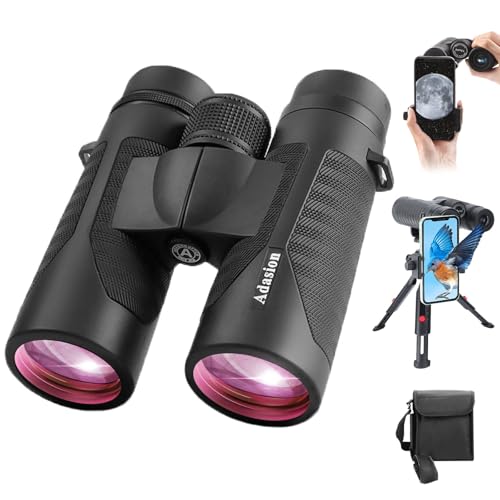
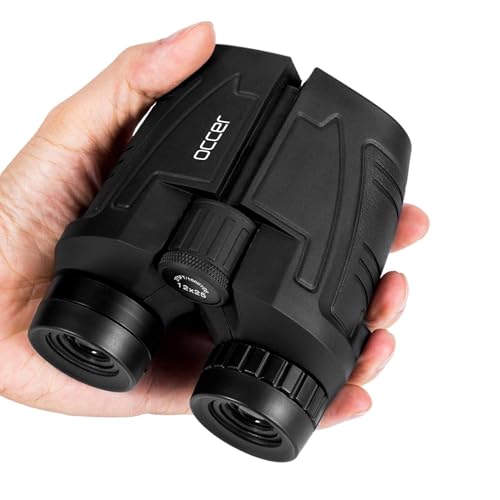

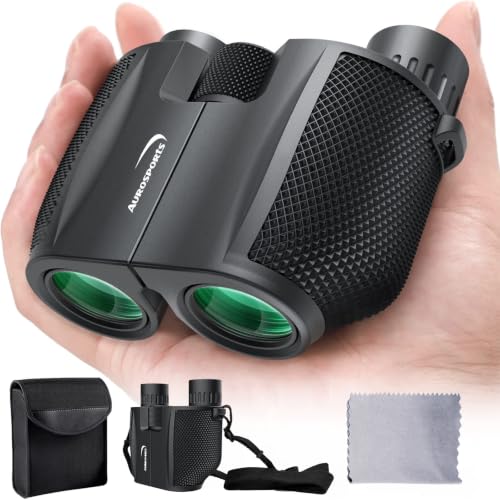
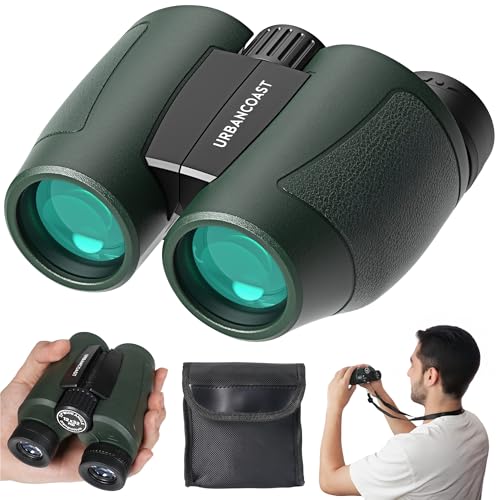
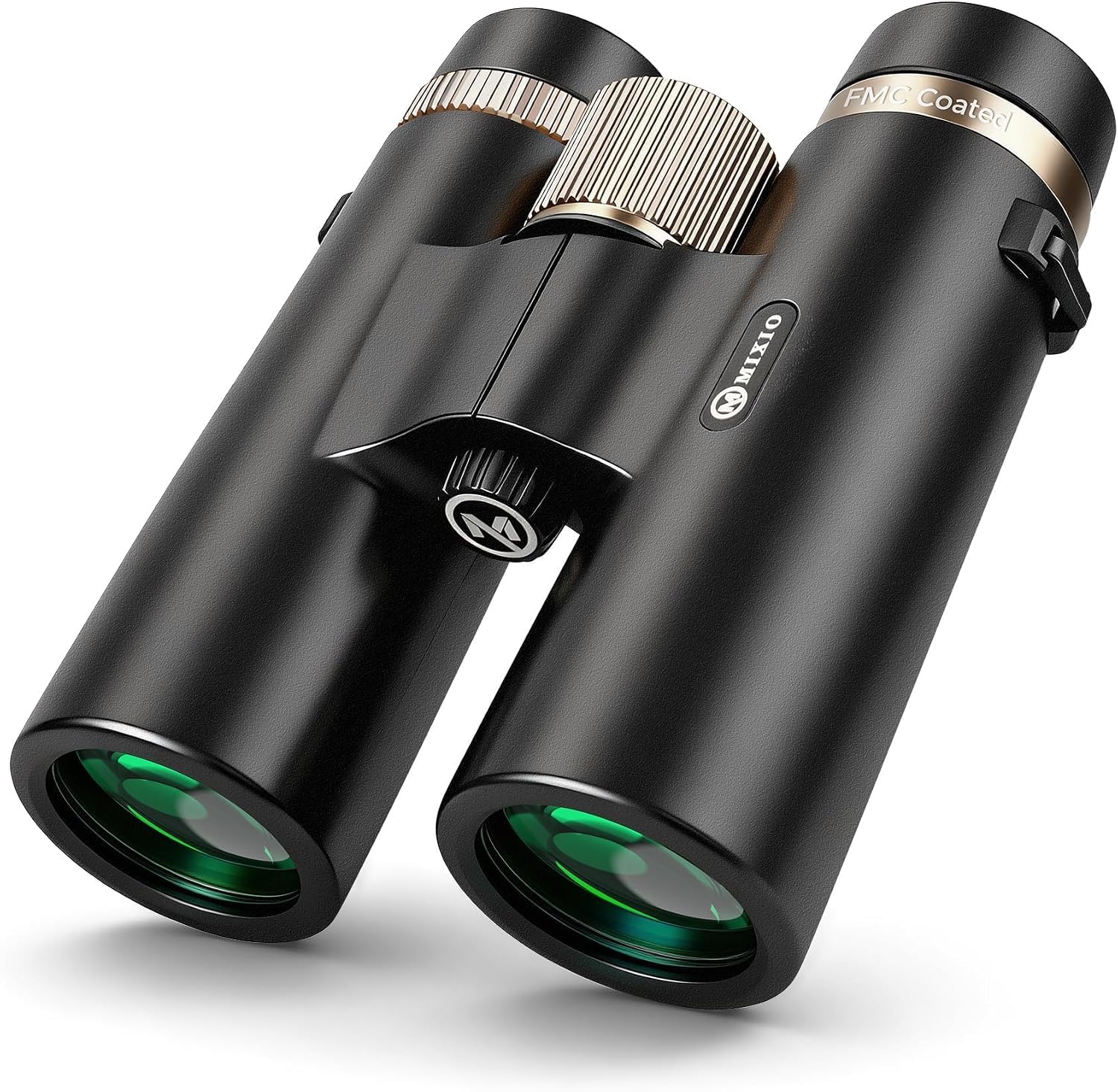
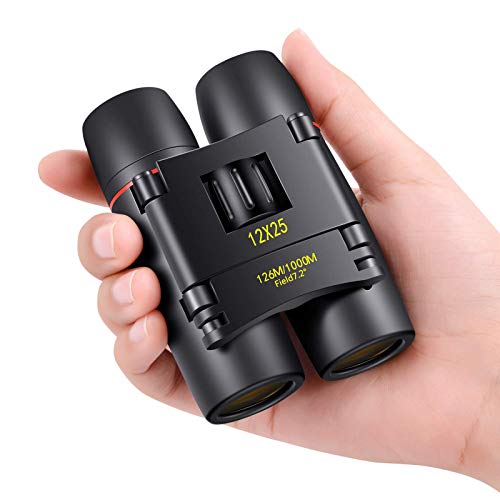

Who Should Buy Which Type
Shore excursion watchers do best with a compact pair that packs flat and hangs light around the neck. Look for a wide view so you can follow a guide pointing at a distant building, a bird, or a shoreline feature without constant refocusing. A forgiving focus wheel matters here, since you will pass the pair between travel companions and switch between near and far subjects all day.
Deck and balcony watchers can accept a slightly larger pair, since it often stays in the cabin or on a lounger rather than in a day bag. A steady grip and comfortable eye cups matter more than extreme reach, because you may watch a coastline, a passing ship, or seabirds for an hour at a time. If an Alaska sailing is on your list, see our guide to the best binoculars for an Alaska cruise for notes on cold water and glacier viewing conditions.
Wildlife and bird watchers want a bright image and a view wide enough to track movement. Dawn and dusk watches reward larger objective lenses and good low light behavior, while a narrow view will frustrate you when a bird moves across the sky. Keep the weight realistic, because a heavy pair left in the cabin helps no one, however bright its image may be in theory.
Key Features of the Best Binoculars for a Cruise
Magnification and Objective Size
Magnification tells you how much closer a subject appears, and the objective size tells you how wide the front lenses are. A pair marked 8x42 gives eight times magnification with 42 mm front lenses, while 10x42 gives ten times magnification with the same front lens size. On a moving ship, 8x magnification is usually the safer starting point, because a steadier image beats a larger but shaky one. Higher magnification also narrows the view, which makes it harder to find a moving subject in the first place.
Low Light Performance
Low light performance depends on the exit pupil, which is the objective size divided by the magnification, and on the quality of the glass and coatings. A 42 mm lens with 8x magnification gives a 5.25 mm exit pupil, which suits aging eyes and dim morning light better than a small exit pupil from a compact pair. Twilight factor is another shorthand figure, but it does not tell the whole story on its own. Treat it as a rough guide and weigh it alongside objective size, coatings, and honest reports about edge sharpness.
Size, Weight, and Handling
Size and weight decide whether the pair leaves the cabin. A full size pair can weigh around 700 to 900 grams, while a compact pair can weigh around 300 to 500 grams, and that difference grows noticeable after an hour around your neck. Check the grip shape, the balance in your hands, and whether the focus wheel turns smoothly with one finger. If you wear glasses, check eye relief, which is the distance from the eyepiece at which you still see the full view, and look for twist up eye cups that adjust in clear steps.
Weather Sealing and Grip
Sea air, spray, and sudden rain argue for sealed construction and a textured grip. Nitrogen filled bodies resist internal fogging when you move between an air conditioned cabin and humid deck air, which is a real annoyance on tropical sailings. A rubber armored body also survives the odd knock against a rail or a bag zipper. Avoid pairs with vague sealing claims and no clear statement about fog resistance, and store the pair in a dry padded bag when it is not in use.
Focus and Eye Relief
Focus behavior matters more at sea than many first time buyers expect. A central focus wheel should move smoothly without slack, and the diopter control should let each eye be set separately so the image stays sharp for the main user. Long eye relief helps glasses wearers, while short eye relief can force you to press the eyepieces awkwardly close. Try the focus range in your mind against your plans, from a nearby dolphin at the bow to a lighthouse several miles off, and favor a pair that covers both without a stiff or jumpy wheel.
Spending Level Guidance
At a lower spending level, around $50 to $120, expect a solid compact pair with decent coatings and basic sealing. This level suits occasional use, short watches, and travelers who mainly want to identify landmarks and large wildlife. You may give up some low light brightness and edge sharpness, but a well chosen pair at this level still beats a phone camera for distant detail.
At a middle spending level, about $120 to $300, you generally get brighter glass, smoother focus, better sealing, and a more comfortable build. This is the level most regular cruisers settle on, because it covers long deck watches and shore trips without demanding expert care. If you cruise more than once a year, this level usually gives the best balance of image quality and durability. For a tighter budget angle, see our guide to the best binoculars on a budget.
Above about $300, you pay for wider fields, flatter images, finer coatings, and refined handling. That level suits keen bird watchers and travelers who watch for hours at a time. Before spending at this level, be honest about how often the pair will travel with you, because the finest glass in the world is wasted if it stays in a drawer between sailings. See our guide to the best binoculars for cruise ships for more on shipboard use.
Quick Buyer Checklist
- Does the magnification suit a moving deck, or will the image shake too much?
- Is the field of view wide enough to follow birds and moving landmarks?
- Will the weight stay comfortable around your neck for an hour?
- Do the eye cups work with your glasses, if you wear them?
- Is the body sealed against spray and resistant to internal fogging?
- Does the focus wheel move smoothly, and does the diopter hold its setting?
- Does the pair fit your day bag with its case, strap, and lens cloth?
- Is the warranty and maker support clear before you order?
Red Flags to Watch For
Be wary of magnification claims far beyond the usual 8x to 12x range for handheld use, since extreme figures often come with a dim, narrow, and shaky image. Vague spec sheets that omit objective size, field of view, or eye relief are another warning sign, because those numbers are basic to any fair comparison. Very short warranties, missing sealing statements, and sellers who cannot answer simple questions about fog resistance should also give you pause. Finally, treat any listing that leans on dramatic superlatives instead of measurable specs as a signal to look elsewhere.
Setup and Care Tips
Set the diopter once for your eyes and leave it alone, then use only the central wheel for everyday focusing. Use a lens cloth, not your shirt, to clean the lenses, and blow loose salt or grit off first so you do not drag it across the glass. Carry a soft case and keep the strap around your neck on deck, since a dropped pair on a hard deck rarely survives unscathed. Rinse salt spray off the body with a barely damp cloth, dry the pair before storage, and keep it in a dry padded bag away from direct sun in the cabin.
Binoculars: Your Questions Answered
Do cruise binoculars need to be weather sealed?
Yes, weather sealing is worth prioritizing for any pair that will spend time on deck. Sea spray, rain showers, and humid air can fog unsealed optics and leave moisture inside the body, which then takes a long time to clear. Sealed and nitrogen filled construction resists that fogging and keeps the image usable when you step from a cool cabin into warm outdoor air. It also protects the pair during shore trips in light rain, so you do not have to pack it away at the first sign of weather.
What magnification works best on a moving ship?
Eight times magnification is the best starting point for most cruise travelers. It gives a steady image on a moving deck, a reasonably wide view for finding subjects, and enough reach for coastlines, ships, and large wildlife. Ten times magnification can work for experienced users with steady hands, but it magnifies every movement of the ship and your hands along with the subject. If you mostly watch from a balcony or a stable deck chair, 10x may suit you, but check your tolerance for shake first.
Can two people share one pair on a cruise?
Yes, two people can share one pair, but the setup needs a moment of adjustment each time. The interpupillary distance, which is the spacing between the eyepieces, must match each user, and the diopter setting suits only the person who set it. Agree on a simple handover routine where each person adjusts the barrels and the diopter before watching, and keep the neck strap adjusted to a middle length. If both of you watch often, a second compact pair may be more relaxing than constant swapping.
How do I keep lenses clear in sea air?
Keep the lens caps on whenever you are not actively watching, and wipe lenses only with a clean microfiber cloth. Salt crystals are abrasive, so blow or brush loose grit away before wiping, and never use a shirt sleeve or a towel that may carry sand. A small blower and a cloth tucked in the case handle most deck conditions, and a barely damp cloth can remove dried spray from the body. Store the pair capped and dry at night so morning condensation does not settle on the glass.
Is a smartphone enough instead of binoculars on a cruise?
A smartphone is fine for photos of nearby scenes, but it cannot match binoculars for distant detail. Digital zoom crops the image and quickly turns a distant whale, lighthouse, or bird into a blurry shape, while binoculars show it live with both eyes and far better depth. Binoculars also work without battery anxiety during a long watch, and they let you scan a wide stretch of water quickly. Many travelers carry both, using the phone for photos and the binoculars for actually seeing.
Final Thoughts
The product table lists options across sizes and spending levels, but your shortlist should start from the checklist in this guide. Favor a steady 8x view, a field wide enough to track movement, a weight you will happily carry ashore, and sealing that stands up to sea air. Check eye relief if you wear glasses, confirm the warranty, and choose the pair that fits your real cruising habits. That approach will lead you to the best binoculars for a cruise for your next sailing, rather than the most impressive spec sheet on the page.


