Best Binoculars for Alaskan Cruise for 2026: A Price Tier Buying Guide
Disclosure: We may earn a commission when you buy through links on this page, at no extra cost to you. As an Amazon Associate I earn from qualifying purchases. Learn more
Best binoculars for alaskan cruise trips: what each spending level delivers, which features matter on deck, and how to pick for glacier days.
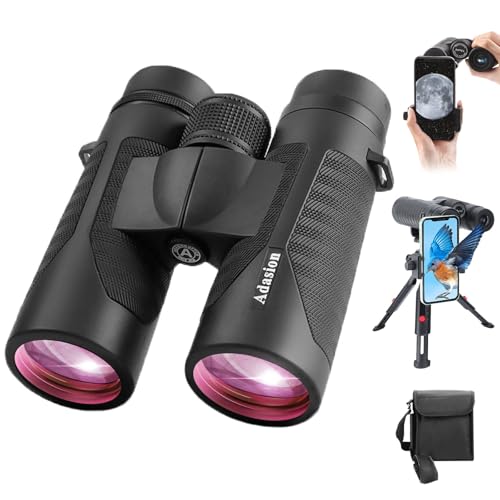
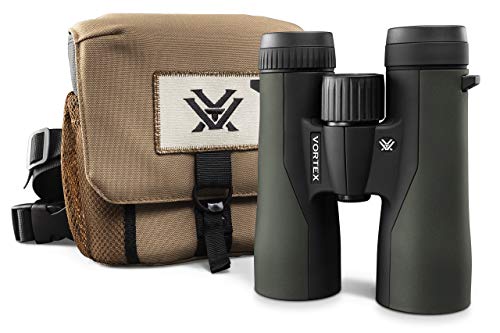
Choosing the best binoculars for alaskan cruise trips starts with how you will actually use them, not with the highest magnification on the box. Most cruise viewing happens from a moving deck, a tender boat, or a short shore stop, so steadiness, brightness, and ease of carrying matter more than extreme reach. The product table lays out a range of pairs side by side, and this guide explains what each spending level buys you.
Prices vary widely, from about $40 to $400 for the kinds of pairs most travelers carry. A lower cost pair can work well for bright daytime viewing, while a higher cost pair usually earns its keep in dim morning light, rain, and long glacier sessions. The sections below walk through spending levels, the features worth paying for, and the extra costs that are easy to forget.
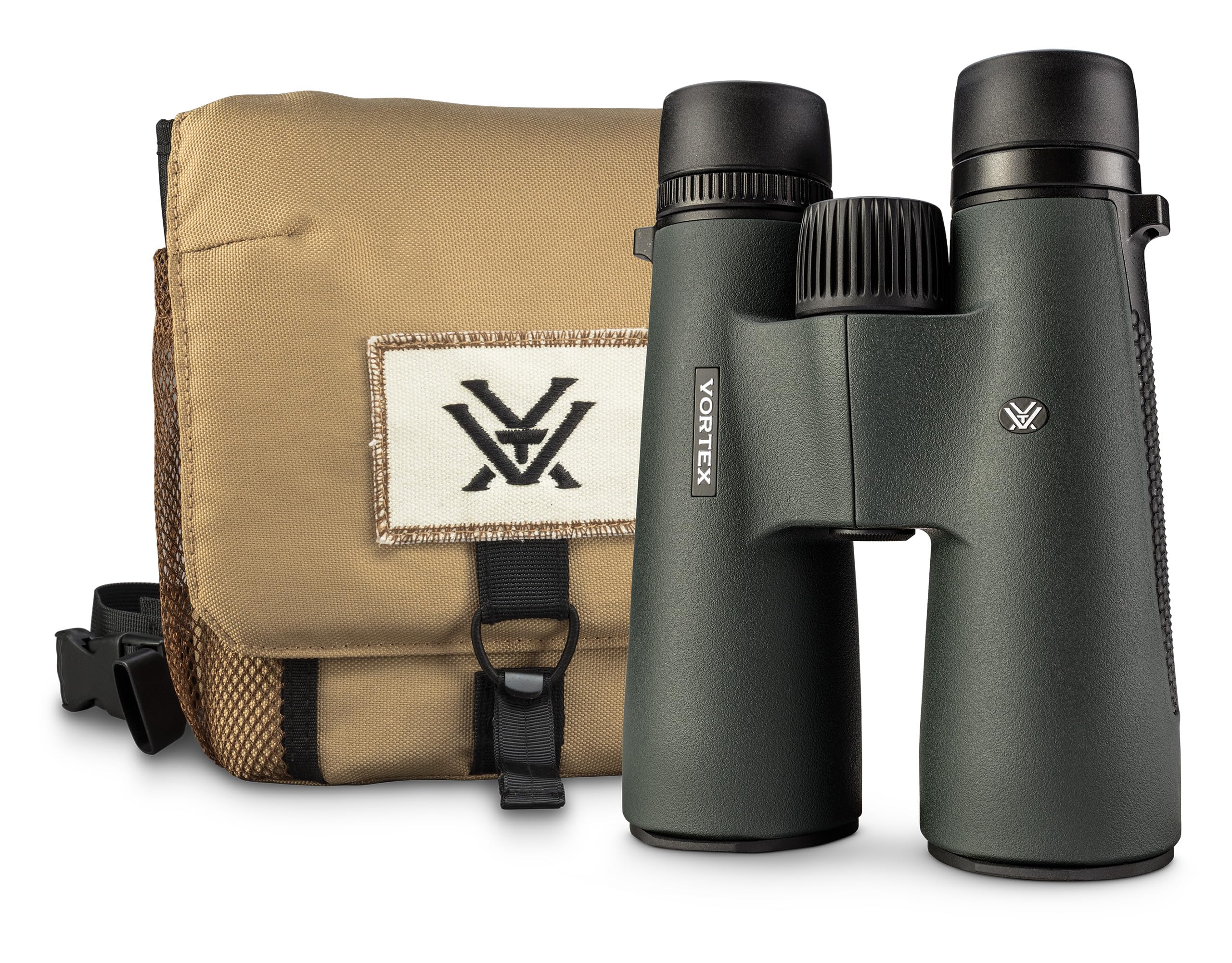

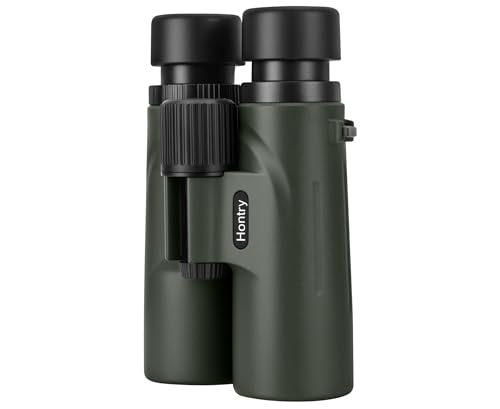


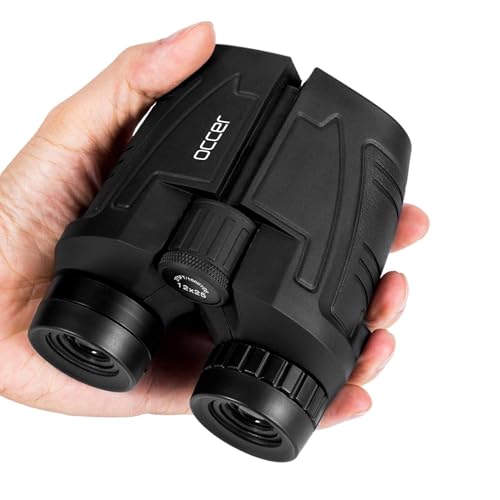
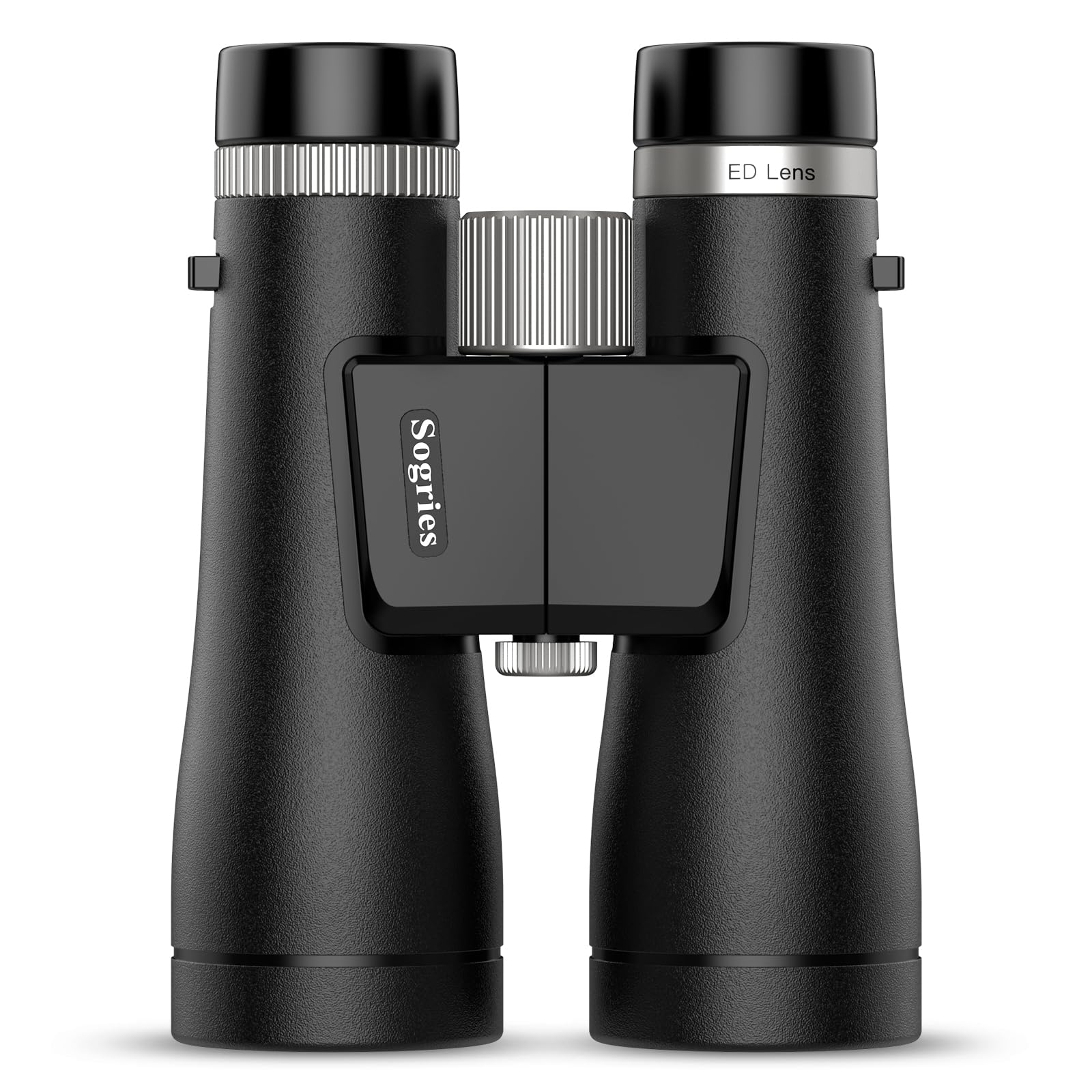

Spending Levels for a Cruise Pair
Think in spending levels rather than in ranked products, because the right level depends on how much time you will spend watching and how much weight you are willing to carry. A casual viewer who joins one wildlife stop needs something different from a traveler who plans to watch every fjord from dawn to dusk. The three levels below describe what you can expect at each step.
Lower Spending: A Simple Deck Pair
At the lower level, expect a compact pair with 8x magnification, a modest objective lens, and basic weather resistance. These pairs suit bright days on deck, short looks at nearby wildlife, and travelers who want a light pair that fits in a jacket pocket. The view may feel dimmer in early morning or heavy cloud, and the focus wheel may feel less smooth, but for occasional use the trade is often fair. If you want a second opinion on simpler cruise options, see our guide to best binoculars for a cruise.
Middle Spending: A Balanced Ship and Shore Pair
The middle level usually brings a fuller size body, better glass coatings, and a wider, brighter view that holds up in the soft light common in Alaska. These pairs also tend to offer a more comfortable eye relief setting, which helps if you wear glasses, and a steadier feel during longer watches. This level suits travelers who plan several wildlife stops and want one pair that works on deck, on a tender, and on a short trail. It is often the most sensible step up for a first serious cruise pair.
Higher Spending: A Low Light Glacier Pair
At the higher level, you pay for brighter glass, stronger weather sealing, and a build that stays comfortable through hours of use. The difference shows most at dawn, in rain, and when scanning shaded water or forested slopes for wildlife. These pairs are usually heavier, so try the balance and strap before you commit, and check that the pair still packs easily for shore days. A higher price does not guarantee a better trip, but for dedicated watchers the extra brightness and durability can be worth it.
What Each Spending Level Delivers
Price alone does not tell the whole story, so compare what changes as you move up. The lower level gives you the basics: a usable view, a compact body, and a price that is easy to accept for a single trip. The middle level adds brightness, comfort, and build quality that show up over a full week of use. The higher level adds low light performance and sealing that matter most to travelers who watch in poor weather or at the edges of the day.
Lower Level: What to Expect
Expect a light body, a simple focus control, and a view that is best in full daylight. Field of view is usually adequate for scanning open water, though edge sharpness may fall off sooner than on costlier pairs. These pairs are a good fit for travelers who watch in short bursts and do not want to worry about a costly item on a wet deck.
Middle Level: The Balanced Step Up
Expect better coatings, a brighter image in cloud, and a focus control that feels more precise. Eye relief and diopter adjustment also tend to be easier to set, which matters when several people share one pair. If you plan to watch whales, eagles, and glaciers on most days, this level gives a clear gain without the weight and cost of the top tier.
Higher Level: When Spending More Pays Off
Expect strong low light performance, full weather sealing, and a body built for years of travel. The gain is hardest to notice at noon and easiest to notice at dawn, in fog, and in rain. If your trip centers on wildlife watching rather than sightseeing in general, this level is where the extra money is most likely to feel justified.
Best Binoculars for Alaskan Cruise: Features Worth Paying For and Ones to Skip
Some features earn their price on a cruise, while others sound impressive and add little. Focus on the ones that change what you see from a moving ship, and be skeptical of specs borrowed from cameras. Camera terms such as sensor size and megapixels do not apply to binoculars, so judge a pair by its optics, not by camera language.
Features That Matter for an Alaskan Cruise
Cruise viewing rewards a wide field of view, good brightness in cloud, and a steady image you can hold without strain. A magnification of 8x is a sound starting point for most travelers, because it is easier to hold steady on a moving deck than 10x or 12x. A larger objective lens gathers more light, but it also adds weight, so balance brightness against how long you will carry the pair. For ideas on nearby cruise choices, see our guide to best binoculars for cruise ships.
Glass Quality and Brightness
Glass quality and coatings decide how much light reaches your eyes and how much glare washes out the view. Fully multicoated glass is a useful baseline, and phase coated prisms help keep the image sharp across the field. Do not judge brightness by magnification alone: a well coated 8x42 pair often looks brighter in dim light than a poorly coated pair with higher magnification. Ask about the exit pupil and twilight performance in plain terms, and favor a pair that stays clear at the edges of the view.
Size, Weight, and Handling
Size and weight decide whether the pair actually leaves the cabin. A compact pair is easy to carry on shore excursions, while a full size pair is easier to hold steady and usually brighter.
Check the grip, the focus wheel position, and whether the pair balances well with one hand on a rail. A comfortable neck strap and a rain guard that stays attached are small details that matter a great deal on a wet deck. If you are comparing shipboard options, our guide to best binoculars alaska cruise covers related choices.
Lens and Magnification Choices
Magnification and objective size are written as two numbers, such as 8x42, where the first number is magnification and the second is the objective lens diameter in millimeters. For cruise use, 8x42 is a versatile starting point, while 10x42 suits steadier hands and longer distance viewing from a stable deck. Compact 8x25 or 10x25 pairs save weight but gather less light, so they suit bright days better than dawn watches. Avoid very high magnification for a first cruise pair, because shake grows with magnification and the field of view narrows.
Long Term Costs to Factor In
The purchase price is only part of the total cost. Add a protective case, a comfortable strap, lens caps that stay attached, and a lens cloth that you will actually use.
A tripod adapter can help for long glacier watches from a stable deck, though it adds bulk on shore days. Check the warranty and the cost of replacing lost caps or straps, and store the pair in a dry, padded bag between trips so moisture does not shorten its life. If a southern cruise is also on your mind, see our guide to best binoculars for antarctica cruise for a related cold water comparison.
Frequently Asked Questions
What features matter most in binoculars for an Alaskan cruise?
Steadiness, brightness in cloud, and a wide field of view matter most on a cruise. A magnification of 8x is easier to hold steady on a moving deck than higher powers, and a 42 mm objective lens gathers enough light for dawn and overcast watches. Weather sealing also matters, because rain and spray are common, and a comfortable strap matters on long days. One point that is easy to miss is close focus: a pair that focuses down to a short distance also works well for birds near the ship.
Which cruise pair is better for low light?
A pair with a larger objective lens and well coated glass usually performs better in low light. The 8x42 size is a strong choice because it pairs moderate magnification with a generous exit pupil, which is the beam of light that reaches your eye. A 10x42 pair can work too, but it is harder to hold steady, so the extra reach can be lost to shake. A further point is pupil size: in dim light your pupils widen, so a pair with a larger exit pupil makes better use of that change.
How much should I spend on my first cruise pair?
Most first time cruise watchers do well at about $80 to $200, which buys a solid mid level pair with good coatings and weather sealing. Below that range you can still get a usable daylight pair, but low light performance and build quality drop off. Above that range you gain mainly in dim light and durability, which matters most to dedicated watchers. A useful extra step is to set aside part of the budget for a good strap and case, which protect the pair you buy.
What specs matter most for beginners?
Beginners should focus on magnification, objective size, field of view, and eye relief, in that order. Magnification of 8x keeps the image steady, objective size near 42 mm keeps it bright, and a wide field helps you find wildlife quickly. Eye relief matters if you wear glasses, because it sets how far back you can hold the pair and still see the full view. One spec beginners often overlook is weight: a pair that feels fine in a shop can feel heavy after two hours on deck.
What does 8x42 or 10x42 mean?
The first number is magnification and the second is the objective lens diameter in millimeters. An 8x42 pair makes a subject look eight times closer and gathers light through a 42 mm front lens, while a 10x42 pair gives more reach with the same light gathering. The trade is steadiness: higher magnification shakes more, so 10x suits calmer decks and steadier hands. A new point here is the exit pupil, found by dividing the second number by the first, which hints at how bright the view feels in dim light.
Is a smartphone enough instead of cruise binoculars?
A smartphone is fine for photos and quick looks, but it cannot match binoculars for finding and following distant wildlife. Digital zoom on a phone crops the image and loses detail, while binoculars give a bright, wide, real time view that is easier to share with a companion. A phone is still useful for identifying what you see and for recording the moment after you spot it. One practical tip is to keep the phone in a waterproof pouch on deck, since spray and rain are hard on electronics.
The Bottom Line
Pick a spending level that matches how much you will watch, then judge pairs by steadiness, brightness, and comfort rather than by the biggest numbers on the box. An 8x42 pair at a middle spending level suits most cruise travelers, while dedicated watchers gain most from better glass and sealing at a higher level. Keep safety in mind throughout the trip: never look at the sun through binoculars, and follow local wildlife and trail rules on every shore stop. Before you order, look over the picks in the table once more, and remember the best binoculars for alaskan cruise trips are the ones you will actually carry, hold steady, and enjoy using all week.