Best Binoculars for 500 Yards in 2026: What Your Money Really Gets You at Every Price
Disclosure: We may earn a commission when you buy through links on this page, at no extra cost to you. As an Amazon Associate I earn from qualifying purchases. Learn more

Choose the best binoculars for 500 yards by budget, with guidance on magnification, lens size, field of view and stability for clear long range viewing.
Prices for binoculars stretch from under $100 to well over $1,000, and at 500 yards the gap shows as brightness, steadiness and edge clarity. The best binoculars for 500 yards match your eyes, your hands and the light you view in, and the sections below show how.
Think about your most common view first. You might read ear tags across a pasture, watch birds across a marsh, or follow play across a large field. Each job rewards a different mix of magnification, lens size and weight.



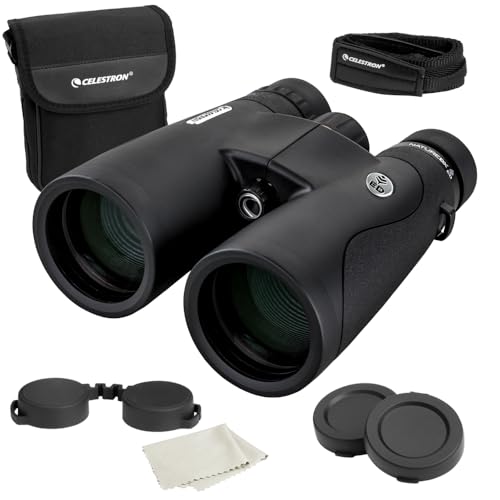

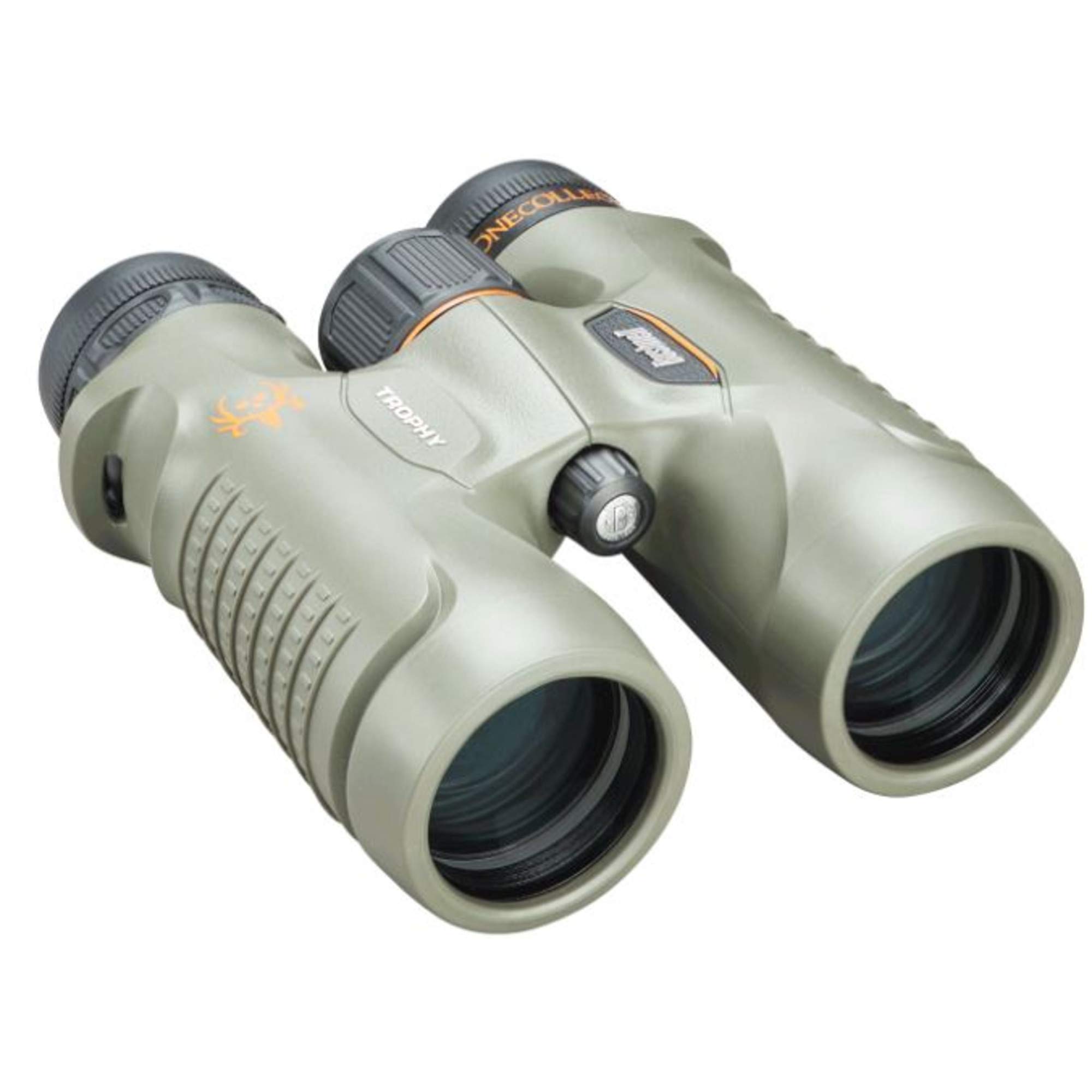


Who Should Buy Binoculars for a 500 Yard View?
Hunters and Range Users Judging Targets at Known Distances
You glass a hillside or a target line where distance stays fairly steady, so fine detail and honest color help you judge what you see. Choose 10x magnification with a 42 mm or 50 mm objective lens and a smooth center focus wheel.
Birders and Wildlife Watchers Scanning Marshes and Ridgelines
You follow moving animals across wide ground, so field of view and focus speed matter as much as raw power. Choose 8x or 10x with a wide view and eye relief that lets you keep glasses on. If subjects sit closer, see our guide to the best binoculars for 300 yards.
Landowners, Boaters and Spectators Watching Wide Open Ground
You scan fences, water, livestock or a distant field, then set the binoculars down between checks. Choose a moderate weight pair with simple controls and sealing against rain and spray. A steady 8x view often tells you more than a shaking 12x view.
What Each Price Tier Delivers for 500 Yard Viewing
Price buys glass quality, coatings, build and comfort more than magnification, and choosing the best binoculars for 500 yards means paying for gains you will actually notice.
Budget Tier: Clear Center Views for Occasional Checks
Pairs at about $80 to $150 usually give a clear center image, basic coatings and a narrower field of view. They suit short checks in good daylight or a spare pair at a ranch gate. Expect dimmer edges at dawn and a less precise focus wheel.
Midrange Tier: Brighter Glass and Calmer Handling for Regular Outings
Pairs at about $180 to $350 are where most buyers should land. You gain better coatings, a wider and flatter view, stronger sealing and eye cups that hold position. If your budget reaches higher, see our guide to the best binoculars for 500 dollars.
Premium Tier: Sharp Edges and Low Light Reach for Long Glassing
Pairs at about $400 to $900 and above add high grade glass, refined coatings and precise mechanics. The gain is detail held to the edge and truer color in flat light. Image stabilization appears in some premium models and calms shake without support, though it adds weight, cost and batteries.
Key Features to Compare
Magnification and Hand Shake at 500 Yards
Magnification tells you how many times closer a subject appears, so a deer at 500 yards looks as if it stood at about 50 yards through 10x glass. Higher power also magnifies tremor, narrows the view and dims the image when lens size stays the same. Most buyers do best at 8x for steadiness or 10x for detail with braced elbows.
Lens Diameter and the Exit Pupil at Long Range
The second number in a size such as 10x42 gives the objective lens diameter in millimeters, and larger front lenses gather more light. Divide that number by magnification to get the exit pupil, so 8x42 gives about 5.25 mm and 10x42 gives about 4.2 mm. A larger exit pupil feels brighter at dawn and dusk. Choose 42 mm for balance and 50 mm only for mainly low light work.
Field of View and Edge Clarity
Field of view describes the width you can see, often printed as feet at 1,000 yards. At 500 yards you see roughly half that width, and a wider view helps you find a subject and keep it in frame while it moves. Edge clarity matters as much, because budget glass can blur the outer scene where an animal may stand.
Lens Coatings and Glass Quality
Coatings reduce reflections inside the binoculars, so more light reaches your eyes and contrast stays stronger against bright sky or water. Terms such as fully multi coated describe how completely the glass surfaces are treated. Premium glass, including extra low dispersion glass in some models, limits colored fringes around antlers and branches. These gains show most in backlit views.
Focus Control and Eye Relief for Glasses Wearers
A center focus wheel should turn smoothly with one finger and stop where you set it, without grit or lag. The diopter dial on one eyepiece balances the pair to your two eyes, and you set it once and leave it alone. Eye relief is the distance your eye can sit from the eyepiece while still seeing the full view, and glasses wearers usually need about 15 mm or more.
Build Quality, Weather Sealing and Weight
A weatherproof body sealed against water and filled to resist internal fog protects your view when weather turns during a long watch. Rubber armor adds grip with gloves and guards the tubes against a rail or tailgate. Most full size pairs weigh about 24 to 32 ounces before a strap or harness.
How to Check a 500 Yard View Before You Commit
Use a known distance rather than guessing across a parking lot. A measured range, a marked sports field or fence posts at known spacing gives a fair test. Look at fine detail such as printed signs or the texture of bark and brick. Test in the light you use most, because noon sun hides weaknesses that dawn reveals.
Raise the binoculars, find your target fast, and note how long you can hold the view before shake spoils detail. Check both edges, refocus closer, then return to 500 yards. If your longest views are rare, see our guide to the best binoculars for 200 yards and our guide to the best binoculars for 1000 yards.
Ownership Costs Beyond the Price of a Long Range Binocular
The purchase price is only part of the cost. A supportive harness at about $30 to $60 can matter more to comfort than a small step up in glass, and a firm case protects eye cups in a truck or boat. A tripod adapter at about $15 to $30 helps for long still watches. Check warranty terms before you buy, because repairs after a drop can exceed the gap between tiers.
Common Mistakes to Avoid
- Choosing 12x or higher power for handheld use leaves you with a shaking view that shows less detail than a steady 10x pair.
- Judging a pair only at noon in a bright store hides the dim edges and weak contrast that appear at dawn.
- Ignoring eye relief when you wear glasses cuts off the outer view and forces eyepieces against your lenses.
- Buying a heavy 50 mm pair for long walks leads to neck strain and a binocular left in the truck.
- Turning the diopter dial during normal focusing throws the two sides out of balance and blurs the image.
- Skipping a harness or case exposes the pair to drops and grit that shorten its useful life.
Care and Maintenance of Binoculars
Blow loose dust and grit off the lenses before you wipe, because dragging grit across glass can scratch coatings. Use a clean lens cloth with light pressure and small circles from the center outward. Keep lens caps on during travel and store the pair in its case in a dry place. Wipe armor with a damp cloth after salt spray or mud, then let the pair dry fully before casing it.
Check strap and harness clips each season, and replace worn parts before a failure drops the binoculars. If internal fog appears, send the pair for service rather than opening the body yourself.
FAQ
What magnification works best for binoculars used at 500 yards?
For most people, 10x magnification works best at 500 yards because it balances detail with a view you can still hold steady. Drop to 8x if you walk while glassing or watch from a boat. Your breathing matters too, so exhale slowly and pause as you focus for the calmest image.
What does 8x42 or 10x42 mean on binoculars for 500 yards?
The first number is magnification and the second is front lens size in millimeters, so 8x42 magnifies eight times with a 42 mm lens. The 8x version gives a wider view and a larger exit pupil, which makes it easier to aim when a subject moves across brush. Pick by the tradeoff you feel most, width and brightness against reach.
Do binoculars for 500 yards need a tripod?
No, binoculars for 500 yards do not need a tripod for normal handheld use at 8x or 10x. A tripod earns its place during long still watches, when you glass one field for an hour or share the view with a partner. Try braced elbows on a fence or pack first, because that free support solves many shake problems.
How much should a first pair of binoculars for 500 yards cost?
A first pair should usually cost about $180 to $350, inside the midrange tier described above. Spending less can still work for daylight checks, but focus feel and sealing often suffer. Borrow a pair for one outing if you can, and note what annoyed you. That list tells you whether your next step should buy brightness, width or comfort.
Can compact binoculars work well at 500 yards?
Compact binoculars can work at 500 yards for travel and short daylight checks, but their smaller lenses limit brightness and comfort. A compact pair with 25 mm or 32 mm lenses shows a narrower view and a smaller exit pupil, so your eyes tire sooner. Keep compacts as a second pair, and use a full size pair for your main work.
Our Verdict
Match magnification to your steadiness first, lens size to your light second and weight to how far you carry the pair. Most buyers should spend in the midrange tier, where coatings, sealing and focus feel improve together. Use the product table above to confirm size, weight and price.
Chosen that way, the best binoculars for 500 yards become a tool that suits your ground, your light and your hands.