
Best Binoculars for 200 Yards in 2026: Everything to Know Before Your First Purchase
Disclosure: We may earn a commission when you buy through links on this page, at no extra cost to you. As an Amazon Associate I earn from qualifying purchases. Learn more

Shopping for the best binoculars for 200 yards for the first time? Learn the terms, compare options, and avoid rookie mistakes with this easy guide.
Buying your first pair of binoculars can feel confusing because the boxes are covered in numbers and glass terms. This guide starts with the plain basics, so you can pick the best binoculars for 200 yards for the way you watch, scan, and follow subjects outdoors.
Two hundred yards is about two football fields, far enough that fine detail fades but close enough that you do not need extreme power. What matters most is steady magnification, bright glass, and a wide view.

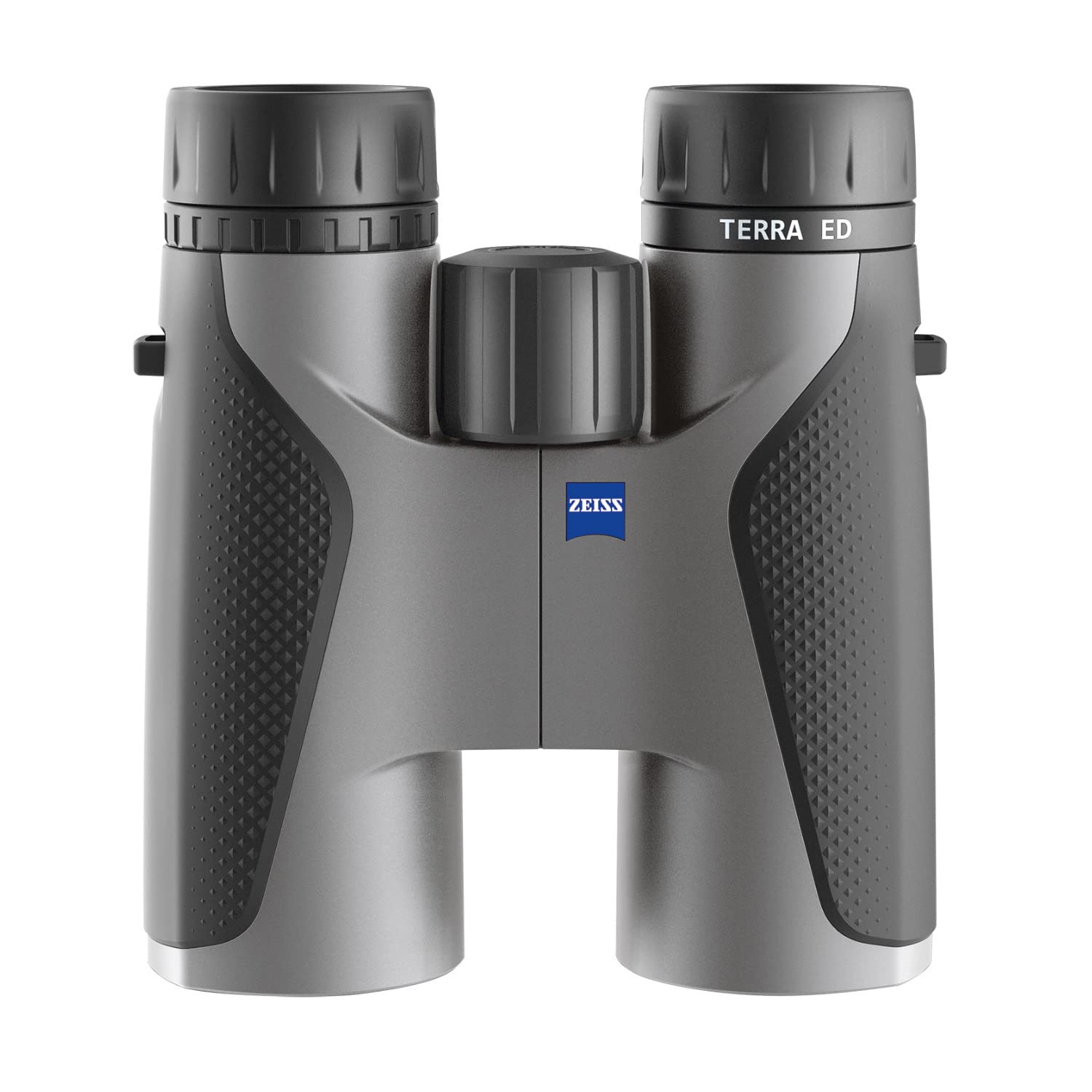


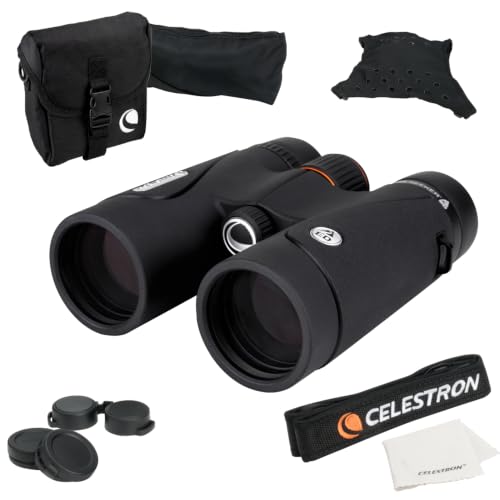


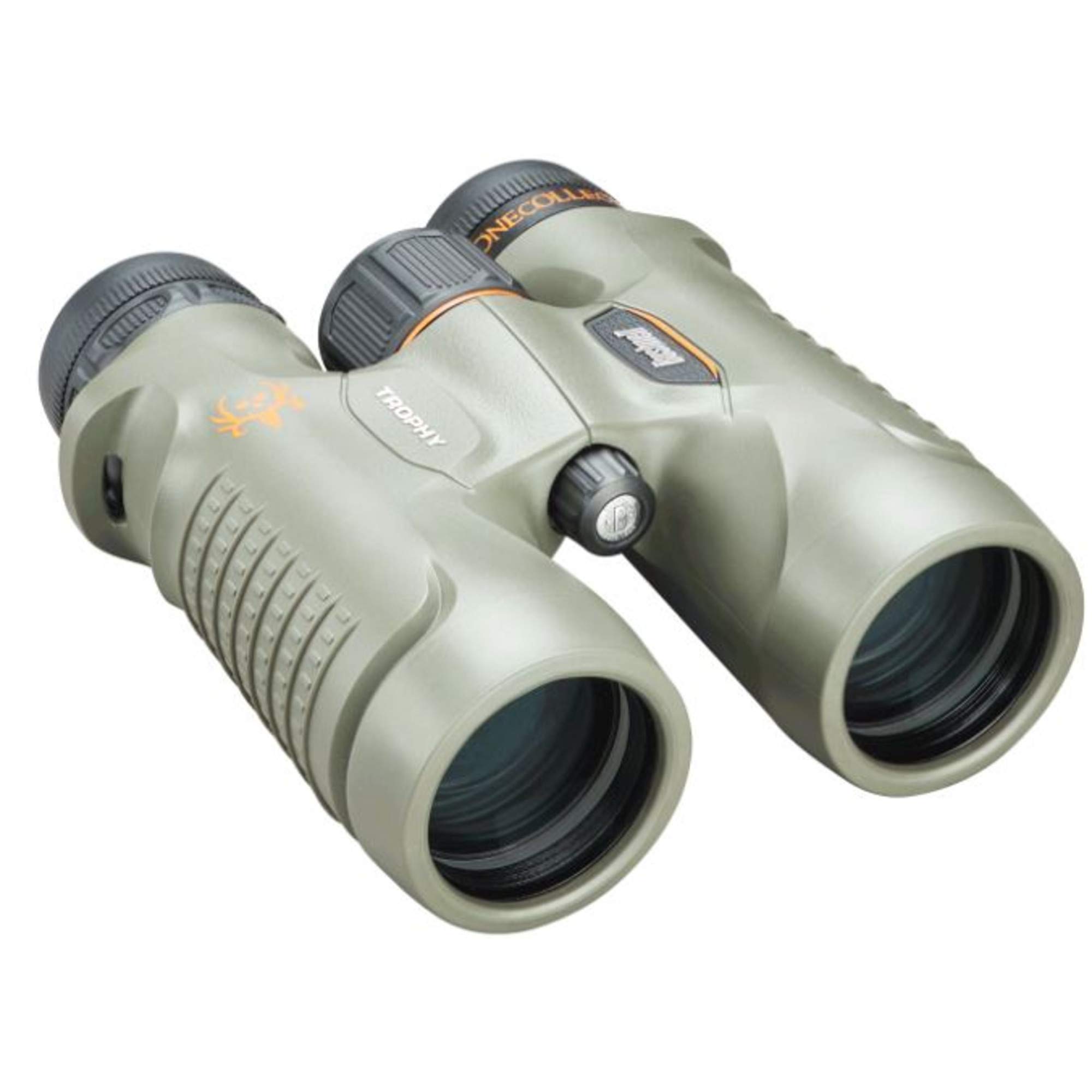


Who Should Buy Binoculars for 200 Yards?
Your main activity should drive your choice more than any single spec. The best binoculars for 200 yards for a birder look different from a pair built for a shooting range, because each user values steadiness, brightness, and view width differently.
Bird and Wildlife Watchers on Open Ground
You scan fields, shorelines, and feeders set well back from your porch, and you need to pick out wing bars, antlers, and ear tips at a glance. An 8x42 pair usually suits you best because the wider view makes it easier to locate a moving animal and follow it. Lighter weight also matters, since you may hold the pair up for many minutes.
Hunters and Target Shooters Checking Distant Ground
You glass a far tree line at dawn, check a target after a string of shots, or confirm what moved across a clearing. A 10x42 pair gives you the extra reach to judge antler points and read target hits without walking downrange. Because your sessions start in dim light, weight brightness and lens quality heavily.
Spectators, Ranch Hands, and Property Watchers
You watch a far gate, a pasture fence line, a youth game from the top row, or boats crossing a wide cove. You need a simple pair that is quick to focus and easy to share. A full size binoculars model in 8x42 or 10x42 with generous eye relief fits you well, and a weatherproof build stands up to dust and drizzle.
Key Features to Compare
Six factors decide how clearly and comfortably you see at 200 yards.
Magnification for Detail at 200 Yards
Magnification is the first number in a size code, and it tells you how much closer a subject appears. At 200 yards, 8x makes a deer look about 25 yards away, while 10x makes it look about 20 yards away and shows more detail. The trade is steadiness, because 10x also magnifies the shake in your hands. Choose 8x if you walk while glassing or watch moving wildlife, and choose 10x if you mostly brace your elbows and study still subjects.
Objective Lens Size and Brightness
The objective lens is the large front lens, and its size in millimeters is the second number in the code, so a 10x42 model has 42 mm front lenses. Larger front lenses collect more light, which keeps the view bright at dawn, at dusk, and under tree shade. A 42 mm size balances brightness with a weight you can carry all morning. A 50 mm model is brighter still but heavier, while a 32 mm model packs smaller and looks dimmer in low light.
Field of View for Finding Your Subject Fast
Field of view is the width of the scene you can see at once, usually printed as feet at 1000 yards. A wider view helps you find a bird, a ball, or a moving deer quickly, because more of the field fits in the frame. At 200 yards you see about one fifth of that printed width, so a model rated near 380 feet shows roughly 76 feet across. Higher magnification narrows the view, which is why 8x feels easier for scanning.
Exit Pupil and Low Light Clarity
Exit pupil is the width of the light beam that reaches your eye, found by dividing the objective lens size by the magnification. A 10x42 pair gives about 4.2 mm, while an 8x42 pair gives about 5.25 mm and looks brighter when light fades. Your own pupil widens in dim conditions, so a larger exit pupil feeds your eye more fully at first and last light. If dawn and dusk are your main hours, favor the larger number.
Lens Glass, Coatings, and Prism Quality
Glass and coatings decide how much of the light that enters reaches your eyes with true color and crisp edges. Look for fully multi coated lenses, which means all glass surfaces carry coating layers that cut glare and boost contrast. ED glass, short for extra low dispersion glass, reduces the faint color fringe around antlers, wires, and white targets on bright days. Roof prism models also benefit from phase coating, which sharpens detail. Better glass is where money above about $250 usually shows most.
Eye Relief, Focus, and Weatherproof Build
Eye relief is the distance your eye can sit from the rear lens while still seeing the full view, and glasses wearers should look for about 15 mm or more plus twist up eyecups. The center focus wheel should turn smoothly with one finger. For outdoor use, choose a weatherproof body that is waterproof and fogproof, sealed and filled with nitrogen so the inside lenses stay clear when you move from a warm truck into cold morning air.
Setting Up Your Binoculars for 200 Yard Viewing
A short setup routine makes a new pair feel sharp from the first outing.
- Set the width first. Bend the center hinge until the two round views merge into one clean circle.
- Close your right eye and focus the left side with the center wheel on a still sign or tree.
- Close your left eye and turn the diopter ring, usually on the right eyepiece, until that side is sharp too.
- Set the eyecups. Twist them down if you wear glasses and up if you do not.
- Fit the neck strap so the pair rests on your chest, then practice bracing your elbows against your ribs to steady the view.
If your targets sit closer, see our guide to the best binoculars for 100 yards for wider views suited to shorter work. If you glass ridges and wide valleys, see our guide to the best binoculars for 500 yards. A middle step is covered in our guide to the best binoculars for 300 yards.
Common Mistakes to Avoid
- Choosing the highest magnification on the shelf, which makes hand shake so strong that fine detail blurs instead of improving.
- Judging a pair only by its numbers and ignoring glass quality, so a dim and soft view disappoints even though the size code looked right.
- Skipping the diopter adjustment, which leaves one eye slightly out of focus and causes tired eyes and headaches on longer outings.
- Buying a compact pocket model for this range, which saves weight but gives up the brightness and comfort you need at dawn and dusk.
- Forgetting your glasses when you shop, so you end up with short eye relief and a narrowed view every time you raise the pair.
- Storing binoculars loose in a truck or boat, where bumps and grit can knock the optics out of alignment and scratch the lenses.
Care and Maintenance for Binoculars
Good care is simple and protects the coatings that give you a bright view. Blow loose dust off the lenses first, then wipe gently with a clean lens cloth in small circles, because rubbing dry grit across glass can mark the coating. Keep the lens caps on when the pair is not in use, and let a wet pair air dry before storing it in a padded case. Have a service center check the pair if you see a doubled image after a drop.
Binoculars for 200 Yards: Your Questions Answered
What features matter most in binoculars for 200 yards?
Steady magnification, bright glass, and a wide view matter most at this distance. Pick 8x or 10x power, a 42 mm objective lens, and fully multi coated optics as your baseline. Then check smaller comfort points spec sheets bury, such as whether the eyecups lock at set heights, because those details decide how fast you settle on a subject.
Which binoculars are better for low light viewing at 200 yards?
An 8x42 pair is usually the better low light choice for handheld use at this range. Its larger exit pupil keeps the image bright as light fades, and the lower power holds steadier when you are tired at day end. A chest harness also helps, keeping the pair ready during dim minutes when fumbling in a pack costs you the sighting.
What does 8x42 or 10x42 mean on binoculars?
The first number is magnification and the second is the objective lens size in millimeters. An 8x42 pair makes subjects look eight times closer through 42 mm front lenses, while a 10x42 pair makes them look ten times closer through lenses of the same size. In a store, read a far sign with both sizes and notice which view stays calmer while you breathe.
What binocular specs matter most for first time buyers?
Start with size, weight, and eye relief, because a comfortable pair gets used and an awkward pair stays home. Aim for a full size model around 22 to 28 ounces with a simple center focus wheel you can learn in one outing. Also confirm warranty terms and the included case and strap, since first time owners often overlook coverage for alignment problems.
Is a smartphone camera enough instead of binoculars for 200 yards?
No, a smartphone camera is not enough for steady viewing at this distance. Phone zoom relies on digital cropping, so feathers, antler points, and target holes turn soft and grainy, and the screen is hard to read in bright sun. Binoculars give you both eyes for depth and comfort during long watches. Keep your phone for recording a moment you have already found.
Wrapping Up
For most first time buyers, an 8x42 or 10x42 pair with good coatings, a wide view, and a sealed weatherproof body covers 200 yards with room to spare. Match the power to your steadiness and your light, set the diopter once, and protect the lenses. Chosen that way, the best binoculars for 200 yards become a simple tool you grab without thinking. Compare your shortlist in the product table above before you order.


