
Best Binoculars for 1000 Yards in 2026: Which One Fits the Way You Use It?
Disclosure: We may earn a commission when you buy through links on this page, at no extra cost to you. As an Amazon Associate I earn from qualifying purchases. Learn more

Match the best binoculars for 1000 yards to how you watch, from power and lens size to tripod support, so you avoid overpaying.
At 1000 yards, small details vanish fast, and the wrong optics turn a clear morning into guesswork. The best binoculars for 1000 yards for you depend on what you watch, how long you hold them, and whether you can use support. This guide matches each choice to a real use, so you know what matters before you choose.
There is no single winner for every viewer. A hunter glassing a ridge, a birder watching shorebirds, and a fan following a distant race need different power, weight and brightness. The sections below sort those needs first, then explain the specs that serve them.
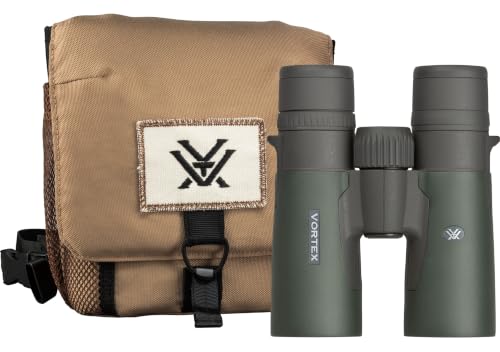

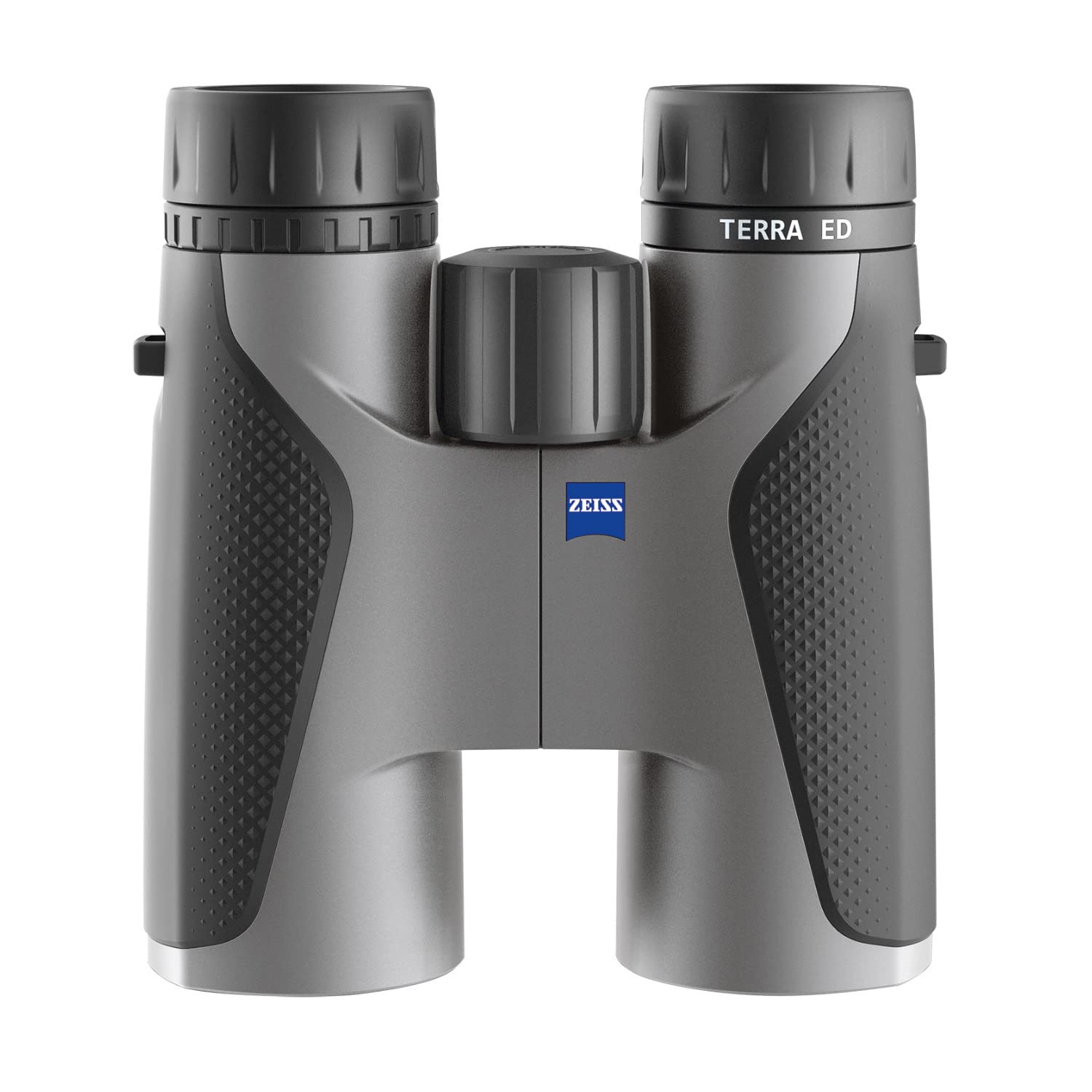


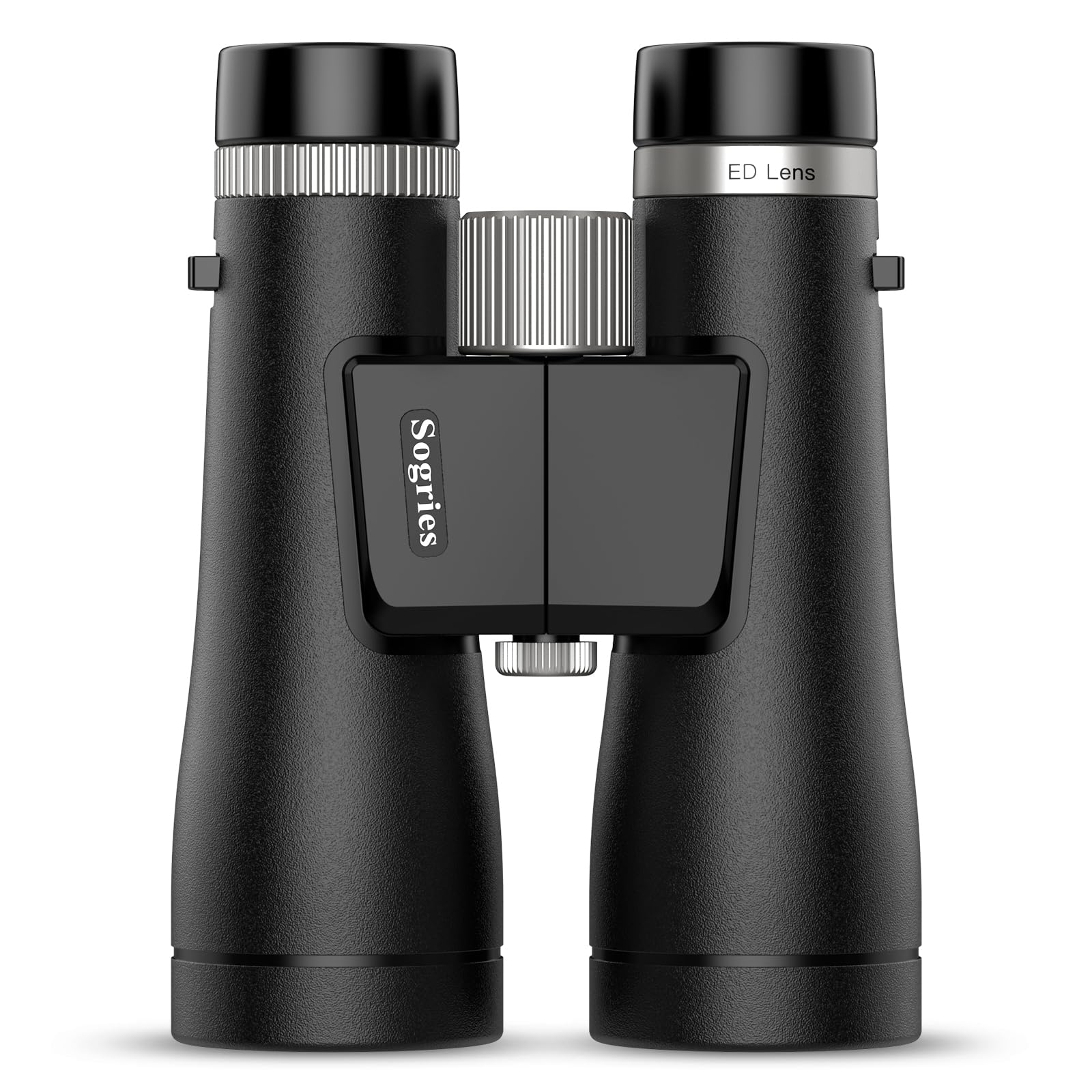

Who Should Buy Which Binoculars for Distant Viewing?
Start with the viewing you do most often, not the highest power on the box. At this distance, comfort and steadiness decide what you can identify.
Wildlife Watchers Scanning Open Country and Shorelines
You scan slowly, hold the binoculars for long stretches, and need to spot movement early. Choose 10x power with a 42 mm objective lens for a wide view and a weight you can hold without rushing. A chest harness spreads the load better than a neck strap. Weatherproof sealing matters, because dawn dew and light rain are common on early outings.
Hunters and Range Spotters Reading Distant Targets
You need to judge detail quickly, often in low light at dawn or dusk, and confirm what changed. Choose 10x or 12x power with a 50 mm objective lens for a brighter view, and plan on a tripod for long waits. A smooth center focus wheel you can turn with gloves helps, since cold hands lose fine control. Prioritize clarity at the center over extreme power.
Boaters, Anglers and Coastal Watchers
You view from a moving deck or a windy shore, where shake is constant and spray is likely. Choose 8x or 10x power, since lower power stays steadier when your platform moves, with rubber armor and sealed optics. A floating strap is worth adding, because a dropped pair overboard is gone for good. Brightness still matters under gray skies, so avoid tiny objective lenses under 32 mm.
Key Features to Compare
Read each spec as a trade you can feel in use. More power adds detail and shake, and a larger lens adds brightness and weight. Once your power and lens size are set, see our guide to the best rated binoculars to compare overall build and optical quality.
Magnification and Shake at 1000 Yards
Magnification tells you how much closer a subject appears, so a deer at 1000 yards looks 100 yards away through 10x power. For most viewers, 10x is the practical ceiling for handheld use, because every small hand movement grows with power. A 12x model shows more detail from a steady rest, while 15x and above usually need a tripod to stay readable. Choose power for the support you truly carry, not the support you own at home.
Objective Lens Size, Exit Pupil and Brightness
The second number in 10x42 is the objective lens width in millimeters, and a wider lens gathers more light. Divide lens width by power to get the exit pupil, so a 10x42 gives about 4.2 mm and a 10x50 gives about 5 mm. A larger exit pupil looks brighter at dawn and dusk and is easier to align with your eyes. The cost is weight, since a 50 mm model feels heavy after an hour of glassing.
Field of View, Focus Wheel and Diopter Adjustment
Field of view is the width you can see at 1000 yards, often listed at about 280 to 340 feet for this class. A wider view helps you find a moving bird or boat, then follow it without losing it at the edge. The center focus wheel should turn smoothly with one finger, and the diopter ring on one eyepiece lets you match focus to each eye. Set the diopter once with care, because a poor setting makes one side look soft all day.
Glass Quality, Coatings and Edge Clarity
At 1000 yards you often judge subjects near the edge of the view, so glass quality matters more than a small jump in power. Extra low dispersion glass reduces color fringing on bright edges, such as white birds against dark water. Fully multicoated lenses pass more light and cut glare, which keeps contrast when you look toward the sun. Ask how much of the view stays sharp, because a wide but blurry edge wastes the field you paid for.
Size, Weight, Eye Relief and Weather Sealing
Full size models for this distance weigh about 24 to 36 ounces, and that weight steadies the view but tires your arms over time. Eye relief of about 15 to 20 mm lets glasses wearers see the full view, while twist up eyecups set the distance for everyone else. Compact binoculars feel easy to carry, yet their small lenses give a dim view at dawn. Choose weatherproof construction, sealed against water and purged with nitrogen to resist fog, plus rubber armor for bumps in a pack.
How to Set Up and Test Binoculars for 1000 Yards
Before you judge any pair, set it to your eyes. Slide the barrels until the two circles merge into one clean circle, then set the diopter for each eye as the maker directs. Next, mount the binoculars on a tripod with a standard adapter and view a sign near 1000 yards away. If fine detail steadies and stays readable for a full minute, the power suits your support.
Distance changes the right answer, so match power to your longest regular view. If most of your viewing sits closer, see our guide to the best binoculars for 500 yards and our guide to the best binoculars for 300 yards for lighter options that stay brighter by hand. Judged at the full distance, the best binoculars for 1000 yards are the ones you can hold or mount steady long enough to trust what you see.
Common Mistakes to Avoid
Each mistake below costs clarity at the exact moment you need it most.
- Buying the highest power on the shelf leaves you with a shaky view you cannot read at 1000 yards.
- Choosing compact binoculars with tiny lenses gives you a dim image at dawn and dusk when wildlife moves most.
- Ignoring eye relief if you wear glasses cuts off the edges of the view and strains your eyes.
- Skipping a tripod test before a long trip means you learn about shake only after you arrive.
- Judging brightness at noon in a bright store hides how the binoculars perform in low light outdoors.
Care and Maintenance
Clean lenses only with a soft lens cloth or a blower, never your shirt, because grit in fabric can scratch coatings. Blow loose dust off first, then wipe in small circles from the center outward. Keep lens caps on in a pack, and use the neck strap or harness so a slip does not become a drop.
Store the binoculars in a dry, padded bag, and let a wet pair dry at room temperature before you close the bag. Check the focus wheel, hinges and eyecups each season for grit or looseness, and rinse salt spray off the body with a damp cloth. If the view stays cloudy after gentle cleaning, send the pair for service instead of opening the housing.
FAQ
What features matter most in binoculars for 1000 yards?
Steadiness, brightness and edge clarity matter most, in that order. One point worth weighing is the prism glass inside, since high quality prism glass passes a cleaner image than basic prism glass at the same power. Ask about warranty length as a final tie breaker, because seals and focus parts can shift after years of travel.
Is a smartphone camera enough instead of binoculars for 1000 yards?
No, a smartphone camera is not enough on its own at 1000 yards. Phone zoom at that range is mostly a digital crop, so the image grows without gaining real detail, and fine edges break into blocks. A phone also drains fast with the screen at full brightness outdoors. A phone adapter on steady binoculars can record what the optics already show, which is a better role for the phone.
What does 10x42 mean on binoculars for 1000 yards?
The first number is magnification and the second is the objective lens width in millimeters, so 10x42 makes a subject look ten times closer through 42 mm lenses. The numbers are printed near the focus wheel or on the bridge, which helps you confirm a listing before you buy. The same pair also lists a close focus distance, often about 6 to 10 feet, which matters if you also watch nearby insects or feeder birds.
Which binoculars are better for low light viewing at 1000 yards?
Binoculars with a larger objective lens and moderate power are better for low light viewing at 1000 yards. A 10x50 pair gathers more light than a 12x50 pair at the same lens size, so it stays brighter as light fades. Also check the view in a shadowed corner rather than under bright store lights, because shadows reveal weak contrast that ceiling lights hide.
How much should you spend on your first binoculars for 1000 yards?
Most first time buyers do well at about $100 to $250 for binoculars for 1000 yards. Pairs under $100 often cut corners on seals and edge clarity, while pairs at about $250 to $500 add better glass and smoother focus parts. Reserve part of your budget for a tripod adapter and a harness, because support and safe carrying improve every outing more than a small step up in price alone.
Wrapping Up
Power, brightness and steadiness decide what you can identify at this distance, so settle those three before you compare price or finish. Match the choice to your main use, your support and the light you view in most often. Use the product table above to check power, lens size, weight and eye relief side by side.
Chosen that way, the best binoculars for 1000 yards become a clear match rather than a gamble. Buy the pair you can hold or mount steady, in the size you will carry without complaint, and you will spend your time watching instead of adjusting.


