Best Binoculars for 300 Yards in 2026: A Buyer Checklist
Disclosure: We may earn a commission when you buy through links on this page, at no extra cost to you. As an Amazon Associate I earn from qualifying purchases. Learn more

Use this guide to the best binoculars for 300 yards to compare magnification, lens size, field of view, glass quality, focus and weather sealing.
At 300 yards, a subject can be easy to spot yet hard to judge. You may see an animal, a target or a boat, but still miss the detail that tells you what it is and what it is doing. The best binoculars for 300 yards solve that problem with steady magnification, bright glass and a view wide enough to follow movement.
Start with how you will hold and use the binoculars most often. A shooter at a bench, a hunter in open country and a spectator in a stadium all view at the same distance, yet each needs a different balance of power, weight and width of view.



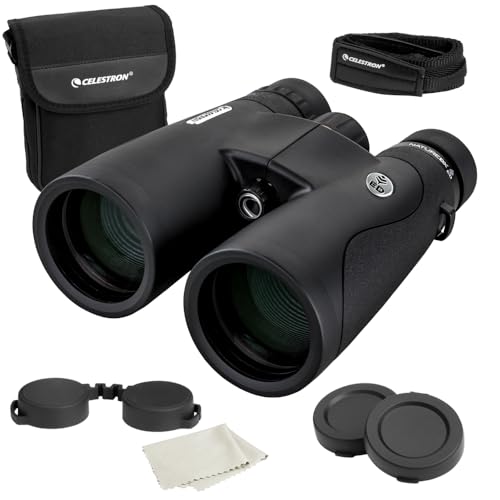

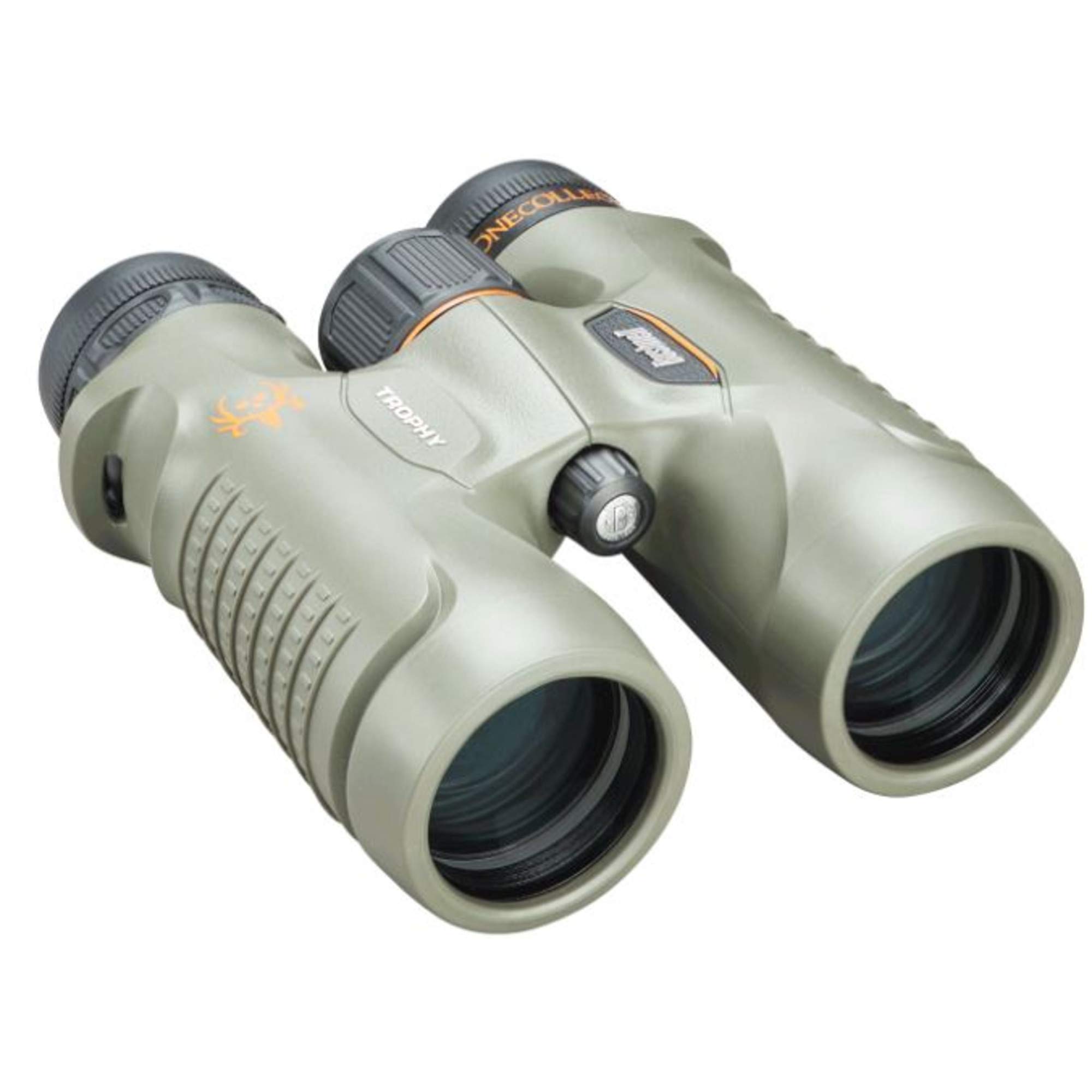


Who Should Buy Binoculars for 300 Yards?
Choose by the task you repeat at this distance, not by the highest number on the box. Your support, your light and how long you watch point you to the right size.
Target Shooters Checking Hits at the Range
You need to read small holes and marks on paper or steel without walking downrange after every group. A 10x42 model gives you the extra reach for that detail, and a bench or tripod mount keeps the image still enough to judge placement.
Hunters Scouting Game Across Open Ground
You scan slopes, field edges and clearings, then study one animal once you find it. An 8x42 model often suits this work because the wider view makes scanning faster and the image shakes less while you stand. If you hunt mostly at dawn or dusk, a 10x50 model can look brighter, but you will carry more weight.
Wildlife Watchers and Spectators at a Distance
You follow birds, marine life, aircraft or play on a far field, often for an hour or more. Comfort matters as much as power, so look for generous eye relief and a weight you can hold without your arms tiring fast. A wider view helps you keep a moving subject in frame.
Key Features to Compare
Compare these factors in order. That balance of steady power, brightness and width is what defines the best binoculars for 300 yards in daily use.
Magnification That Stays Steady at 300 Yards
Magnification tells you how close a subject appears. At 10x, a subject at 300 yards looks as if it stood about 30 yards away, while 8x makes it look about 37 yards away. That extra reach helps you read fine detail, but it also magnifies hand shake and narrows your view. Most buyers should choose 8x or 10x, since 12x or more usually needs steady support.
Objective Lens Size and Exit Pupil for Brightness
The second number in a name like 10x42 is the objective lens size in millimeters. Divide that number by the magnification to get the exit pupil. An 8x42 pair gives about 5.3 mm, a 10x42 pair gives about 4.2 mm, and a 10x50 pair gives about 5 mm. A larger exit pupil usually looks brighter at dawn and dusk, while a 42 mm lens keeps weight moderate.
Field of View Wide Enough to Find Your Subject
Field of view tells you how much ground you can see at once, stated as a width at 1000 yards. Many 8x42 models show about 330 to 390 feet at that distance, while many 10x42 models show about 300 to 340 feet. At 300 yards you see roughly one third of that width, so the 8x view can show about 20 to 30 feet more ground, which helps you find and follow a subject.
Glass, Coatings and Prism Quality for Fine Detail
At 300 yards you judge edges, markings and antler points, so clear glass matters more than a bold spec sheet. Look for fully multi coated lenses, which reduce glare and help contrast. ED glass can reduce color fringing on bright edges, and phase coated roof prisms help the image stay sharp. Porro prism models can give a clear view for less money, but they are usually bulkier to pack.
Eye Relief, Focus Wheel and Diopter Adjustment
Eye relief is the distance your eyes can sit from the eyepieces while you still see the full view. If you wear glasses, look for about 17 mm or more and keep the eyecups twisted down. The center focus wheel should turn smoothly without grit. A diopter dial, usually on one eyepiece, lets you match a small difference between your two eyes.
Weight, Weather Sealing and Rubber Armor
Most full size pairs for this distance weigh about 20 to 30 ounces, and that weight feels very different after ten minutes of holding. A padded neck strap or harness spreads the load during long watches. For outdoor use, choose a sealed body that is waterproof and fogproof with nitrogen purged internals, plus rubber armor that improves grip and softens knocks.
Quick Buyer Checklist for a 300 Yard Choice
Three common builds cover most needs at this distance. An 8x42 pair favors scanning and a steady handheld view, a 10x42 pair favors detail reading with modest weight, and a 10x50 pair favors low light at the cost of size. Let a no answer below steer you to a different build.
- Can you hold the binoculars steady for one full minute without the image circling?
- Does the field of view let you find your subject without long searching?
- Is the exit pupil about 4 mm or larger for the light you use most?
- Does the eye relief fit your glasses or bare eyes with room to spare?
- Can you reach and turn the focus wheel easily with one finger?
- Is the pair sealed against rain and internal fog for your climate?
- Does the weight still feel fair with the strap you plan to use?
Distance also changes the right answer. If most of your viewing is much closer, see our guide to the best binoculars for 100 yards and our guide to the best binoculars for 200 yards. If you often look well past this range, see our guide to the best binoculars for 500 yards and our guide to the best binoculars for 1000 yards.
Common Mistakes to Avoid
These errors are common at this distance, and each one costs you detail or comfort in the field.
- Choosing 12x or higher power for handheld use makes shake hide the detail you paid to see.
- Buying a compact 25 mm lens for dawn use gives a dim view when light is low.
- Ignoring field of view makes a moving animal or boat hard to find and harder to follow.
- Skipping the diopter setup leaves one eye slightly soft, which causes strain during long watches.
- Trusting a huge zoom range on a cheap pair usually brings a dark, soft image at 300 yards.
- Carrying binoculars loose in a pack lets the lenses take knocks that can shift alignment.
Setup and Care for Binoculars Used at 300 Yards
Set the binoculars up once for your eyes, and distant detail gets easier to judge. Bend the center hinge until you see one round view. Cover the right lens and focus on a distant sign with the center wheel for your left eye, then cover the left lens and use the diopter dial for your right eye. After that, use only the center wheel.
Clean lenses with air first, then with a soft lens cloth in light, small circles. Never wipe a dry, dusty lens with a shirt, because grit can scratch the coating. Let a wet pair dry open before you cap it, and store it in a dry, padded bag away from heat. Stop using a pair that shows two overlapping views, because that points to an alignment fault.
Binoculars for 300 Yards: Your Questions Answered
What features matter most in binoculars for 300 yards?
Steady magnification, clear glass and a wide enough view matter most in binoculars for 300 yards. Beyond the body specs, pay attention to strap mounting points and case design, since a pair that rides poorly rarely comes along on long walks. Tethered lens caps also help in grass.
Which binoculars are better for low light at 300 yards?
Binoculars with a larger exit pupil are better for low light at 300 yards, so a 10x50 or 8x42 pair will usually look brighter than a 10x42 pair at dusk. Cloud cover matters too, because a heavy overcast sky can dim a scene well before sunset.
What does 8x42 or 10x42 mean on binoculars?
On binoculars, 8x42 means the view appears eight times closer and the front lenses measure 42 mm across, while 10x42 means ten times closer with the same lens size. For a home check, place a mailbox at a measured distance, view it with each power, and note how much of the surrounding yard stays visible beside it.
What binocular specs matter most for beginners at 300 yards?
Easy handling matters most for beginners at 300 yards, so start with moderate weight, a simple center focus wheel and eyecups that twist to clear positions. Practice finding a fixed landmark first, then follow a slow moving subject, because that order builds aim before it tests tracking skill. A borrowed pair for one outing can teach you more about fit than any spec list.
Is a smartphone enough instead of binoculars for 300 yards?
No, a smartphone is not enough instead of binoculars for 300 yards when you need clear detail. Phone zoom at that distance relies heavily on cropping, so edges soften and fine markings blur. A phone still has one real strength here, which is quick recording for later review. Use it to note where a subject stood, then rely on the binocular view in the moment.
The Bottom Line
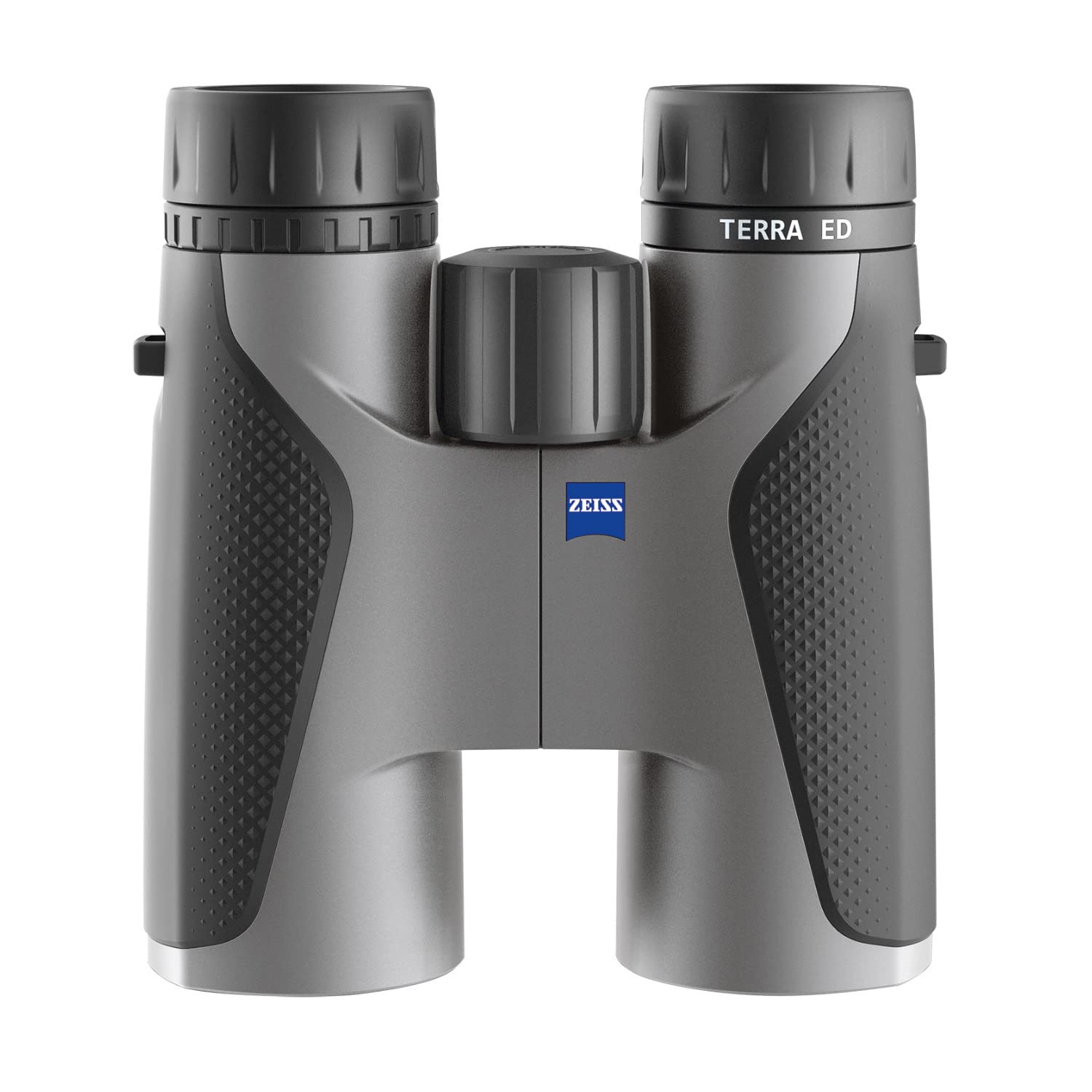
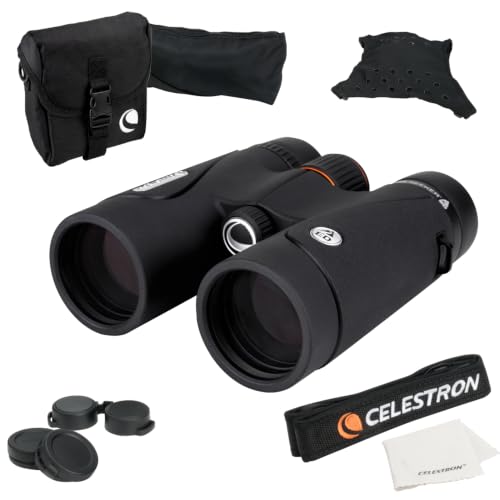
For most readers, a good 8x42 or 10x42 pair is the sweet spot at this distance. Choose 8x for scanning and a steadier handheld view, and choose 10x when reading small detail matters more than width. Use the product table above to compare the builds.
When you shop for best binoculars for 300 yards with that order in mind, the right choice gets much simpler. Pick the pair you can hold steady, set up for your eyes and carry without complaint, and it will serve you well at this range.